If you want your vehicle’s suspension to perform at its best, learning how to preload suspension with a floor jack is a skill you need. Preloading your suspension helps improve handling, ride comfort, and overall safety.
But if you’ve never done it before, the process can seem confusing or even risky. Don’t worry—you’re about to discover a simple, step-by-step way to do it right. Keep reading to unlock the secrets that will give your ride the smooth, controlled feel you’re after.
Tools Needed
Preloading suspension with a floor jack needs the right tools. Choosing proper equipment makes the job easier and safer. This section lists essential tools for this task. It helps you prepare well before starting.
Choosing The Right Floor Jack
Select a floor jack with enough lifting capacity. Check the weight limit matches your vehicle’s weight. A low-profile jack works best for cars with low ground clearance. Look for a jack with a wide base for stability. Smooth lifting and lowering controls improve safety and precision.
Safety Gear Essentials
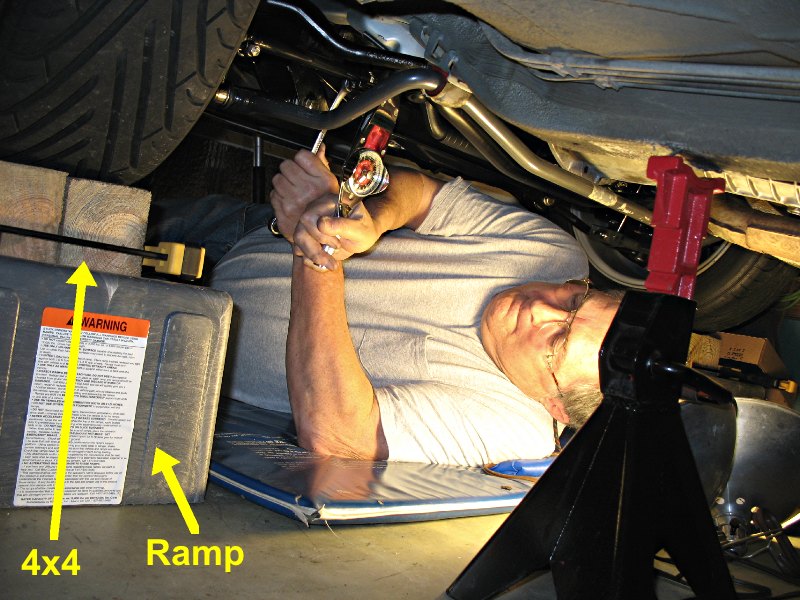
Wear gloves to protect your hands from dirt and injuries. Use safety glasses to shield eyes from dust and debris. Steel-toed boots help protect your feet from heavy objects. Always use jack stands to support the vehicle after lifting it. Never rely only on the floor jack to hold the car.
Preparing The Vehicle
Preparing the vehicle is the first step to preload suspension with a floor jack. This step ensures safety and accuracy in the process. Taking time to prepare the car well can prevent accidents and damage. It also helps you work with the suspension parts more easily.
Securing The Car
Park the car on a flat, hard surface. Apply the parking brake firmly. Place wheel chocks behind the wheels that remain on the ground. This stops the car from rolling during the work. Double-check the car is stable before lifting it with the jack.
Locating Suspension Components
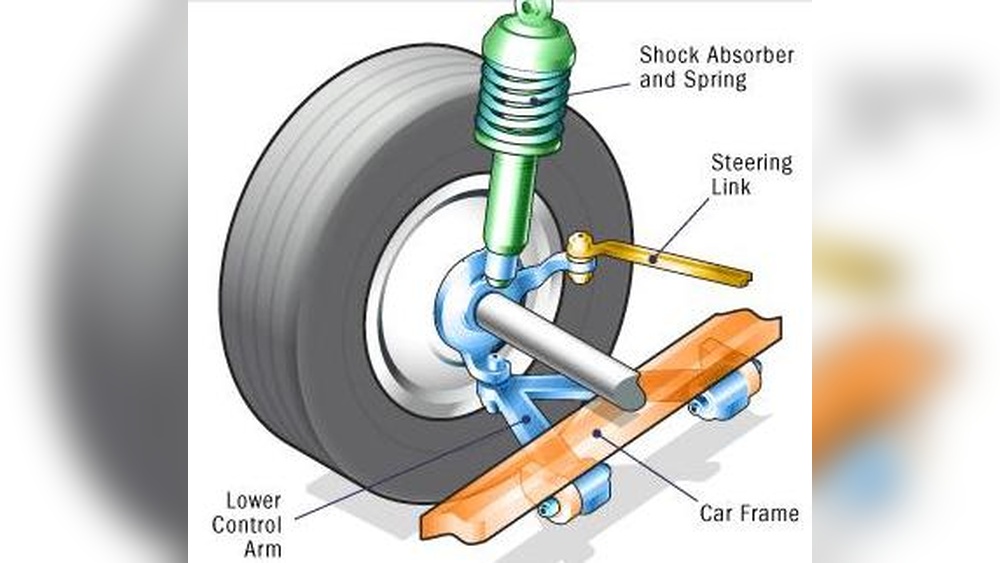
Identify the suspension parts you need to preload. Common parts include springs, shocks, and control arms. Use a flashlight if the area is dark. Clean off dirt or debris for a clear view. Knowing the exact parts saves time and avoids mistakes.
Setting Up The Floor Jack
Setting up the floor jack is the first step to preload suspension safely. It needs a stable base to work correctly. The jack must sit firmly under the right spot of your vehicle. This setup helps avoid slipping or damage during the preload process.
Positioning The Jack
Place the floor jack under the suspension point carefully. Check your vehicle’s manual for the exact location. This spot usually supports the suspension arm or spring. Align the jack pad with the suspension point. Make sure the jack is centered and stable before lifting.
Adjusting Height And Angle
Raise the jack slowly to touch the suspension part. Adjust the height so the suspension is just off the ground. Keep the jack level to avoid tilting the vehicle. Small angle changes can affect preload accuracy. Stop lifting once you feel resistance from the suspension.
Credit: forums.mye28.com
Applying Suspension Preload
Applying suspension preload is an important step in adjusting your vehicle’s suspension. It changes how the springs compress under weight. This affects ride comfort and handling. Doing it right helps balance performance and safety.
Lifting The Suspension
Start by placing a floor jack under the suspension arm. Lift slowly and watch the spring. Raise the suspension just enough to take the weight off the spring. Avoid lifting too high to prevent damage. Keep the vehicle stable during this process.
Measuring Preload Amount
Use a ruler or preload gauge to check the spring’s compression. Measure the distance between the spring seats or coils. Compare this with the recommended preload settings for your vehicle. Adjust the preload by turning the spring collar or adjuster. Small changes make a big difference in ride quality.
Checking Suspension Alignment
Checking suspension alignment is a key step after preloading suspension with a floor jack. It helps ensure the vehicle drives smoothly and safely. Proper alignment prevents uneven tire wear and improves handling on the road.
Start by examining the suspension height and balance. Small differences in height can affect how the vehicle behaves. Evenness across all sides keeps the suspension working correctly.
Verifying Height
Use a measuring tape or ruler to check the distance between the wheel and the fender. Measure each side carefully. Compare the numbers to the vehicle’s specifications or to each other. Make sure the suspension is not too high or too low on any side. This step helps confirm the preload is set correctly.
Adjusting For Evenness
Look for differences in height between the left and right sides. Adjust the preload or spring tension as needed. Use the floor jack or adjustment tools to make small changes. Check the measurements again after each adjustment. Keep adjusting until both sides are as even as possible. Balanced suspension improves ride comfort and control.

Credit: www.reddit.com
Lowering And Final Checks
Lowering the vehicle and performing final checks are crucial steps after preloading suspension with a floor jack. These steps ensure the suspension sits correctly and functions safely. Careful attention at this stage prevents damage and keeps your ride smooth.
Slowly Releasing The Jack
Lower the floor jack slowly and steadily. Avoid sudden drops that may harm the suspension or your vehicle. Watch the suspension components as you lower the jack. Make sure the springs and shocks settle into place correctly. Stop if you notice any unusual resistance or noise. Gradual lowering helps the suspension preload evenly.
Inspecting For Issues
Once the vehicle rests on its wheels, inspect the suspension carefully. Check for leaks, cracks, or loose bolts. Look for uneven gaps in springs or mounts. Press down on the car to test the rebound. The suspension should respond smoothly without noise. Fix any problems before driving. This final check guarantees safe and proper suspension preload.
Common Mistakes To Avoid
Preloading suspension with a floor jack needs care. Mistakes can cause damage or affect performance. Avoid common errors to keep your suspension safe and working well. Read these tips to help you do it right.
Overloading The Jack
Do not push the jack beyond its weight limit. Overloading can damage the jack and cause accidents. Always check the jack’s rated capacity before use. Use a jack that suits the weight of your vehicle. Overloading reduces safety and can harm the suspension parts.
Incorrect Preload Settings
Setting the preload too high or too low harms your suspension. Too much preload can make the ride stiff and uncomfortable. Too little preload causes poor handling and instability. Follow the manufacturer’s preload instructions carefully. Adjust settings step-by-step and test the ride each time.

Credit: www.youtube.com
Frequently Asked Questions
What Is Suspension Preload And Why Preload It?
Suspension preload compresses the spring to set ride height and firmness. Preloading improves handling and stability by adjusting suspension sag and responsiveness.
How Do I Safely Use A Floor Jack For Preload?
Position the floor jack under the suspension arm carefully. Lift slowly and steadily to avoid sudden movements or damage to components.
When Should I Preload Suspension With A Floor Jack?
Preload suspension during installation or adjustment to set correct sag. It’s essential when upgrading springs or tuning ride comfort and performance.
Can I Preload Suspension Without Special Tools?
A floor jack is often sufficient for preload tasks. However, spring compressors or strut tools may be needed for full suspension work.
Conclusion
Preloading suspension with a floor jack helps improve vehicle handling. It keeps the suspension stable and reduces unwanted movement. Always follow safety steps to avoid accidents. Take your time and check all parts carefully. This simple method saves money and extends suspension life.
Practice makes the process easier and safer. Now, you can confidently preload suspension using a floor jack.