Have you ever stuck an adhesive hook on your wall, only to worry about the damage when it’s time to take it down? You’re not alone.
Removing these hooks can feel tricky—you want them gone without leaving marks or peeling paint. The good news is, with the right steps, you can safely remove adhesive hooks without ruining your walls. Keep reading, and you’ll learn simple, effective tricks to get the job done quickly and cleanly.
Your walls will thank you!
Types Of Adhesive Hooks
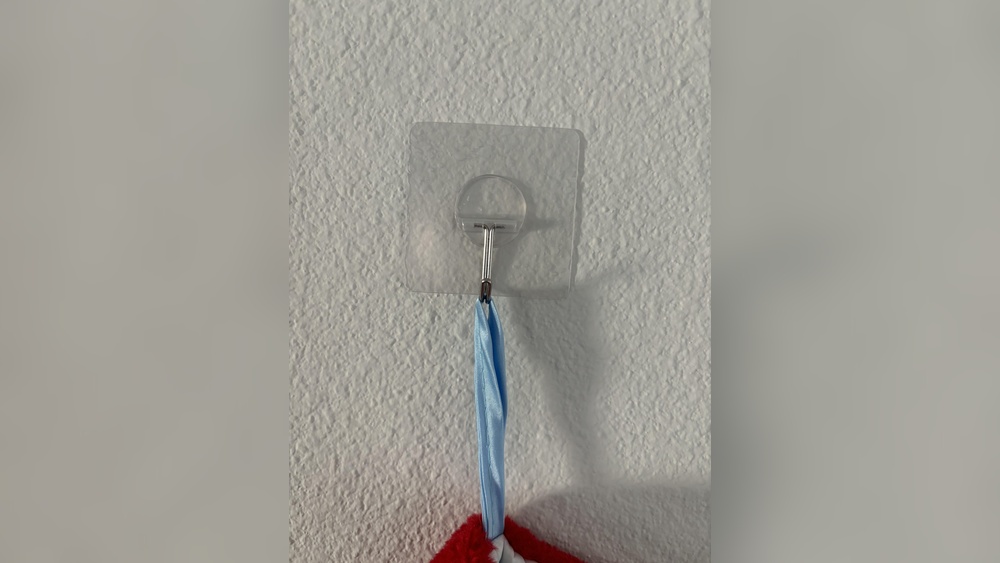
Adhesive hooks come in many types. Each type suits different walls and weights. Knowing these types helps remove hooks safely without damage. This section explains the main types of adhesive hooks and their features.
Common Materials Used
Adhesive hooks often use plastic or metal for the hook part. Plastic hooks are lightweight and good for small items. Metal hooks are stronger and hold heavier things.
The adhesive pad is usually made from foam or gel. Foam pads stick well on rough surfaces. Gel pads work better on smooth walls.
Strength And Durability Variations
Hooks vary in strength. Some hold only a few pounds. Others can support heavy objects like coats or bags.
Durability depends on the adhesive quality. Some hooks lose stickiness after a short time. Others stay firm for months or years.
Choose hooks with the right strength for your needs. Stronger hooks need careful removal to avoid wall damage.

Credit: www.youtube.com
Risks Of Improper Removal
Removing adhesive hooks without care can cause several problems. Many people rush this task and face unexpected issues. Knowing the risks helps prevent damage and extra work later.
Wall Surface Damage
Pulling adhesive hooks too hard can peel paint or wallpaper. It may leave small holes or dents on the wall. Some surfaces like drywall or plaster are very delicate. Rough removal can ruin the smooth finish. Repairing these damages takes time and money. Gentle removal protects your walls and saves effort.
Residue And Staining Issues
Adhesive hooks often leave sticky glue behind. This residue attracts dust and dirt easily. It can discolor the wall or create stains. Some adhesives react with paint, causing marks that are hard to clean. Using wrong tools or chemicals may worsen the stains. Proper removal methods prevent sticky mess and keep walls clean.
Preparation Before Removal
Before removing adhesive hooks from your wall, proper preparation is key. It helps protect your wall’s surface and makes the removal process easier. Taking time to prepare can prevent damage and save effort later.
Gathering Necessary Tools
Collect all tools you might need before starting. A hairdryer can soften the adhesive. A plastic card or a thin spatula helps to lift the hook gently. Have a clean cloth ready for wiping. Use rubbing alcohol or adhesive remover to clean leftover glue.
Cleaning The Area
Clean the wall around the hook carefully. Dust and dirt can affect the removal process. Use a mild soap and water solution. Wipe the area with a soft cloth. Let the wall dry completely before you begin removing the hook.
Step-by-step Removal Techniques
Removing adhesive hooks from walls can be tricky. Doing it wrong might damage your paint or wall surface. Follow these simple steps to remove hooks safely. Each method helps loosen the adhesive without harm.
Using Heat To Soften Adhesive
Apply gentle heat to the adhesive area. Use a hairdryer on low or medium heat. Warm the adhesive for about 30 seconds. The heat softens the glue, making removal easier. Avoid overheating to protect your wall paint.
Once warm, try to peel the hook slowly. Pull it off at a low angle. The softened adhesive should release without damage.
Stretching The Adhesive Strip
Find the adhesive strip behind the hook. Hold the hook firmly and pull the strip straight down. Stretch the strip slowly and steadily. This action breaks the adhesive bond cleanly.
Keep pulling until the strip releases from the wall. Avoid pulling the hook away quickly. Slow stretching reduces the risk of wall damage.
Applying Solvents Safely
Use a mild adhesive remover or rubbing alcohol. Test the solvent on a small wall area first. Apply the solvent with a cotton ball or cloth. Let it sit for a minute to soften the glue.
Gently rub the adhesive to loosen it. Wipe away any leftover residue carefully. Always ensure good ventilation when using solvents.
Tips For Different Wall Surfaces
Removing adhesive hooks can be tricky depending on your wall type. Different surfaces need special care to avoid damage. Knowing how to handle each surface helps keep your walls safe.
Drywall And Painted Walls
Start by gently pulling the hook’s tab straight down. Pull slowly to avoid peeling paint or leaving marks. If the hook resists, warm the adhesive with a hairdryer. Heat softens the glue, making removal easier. Avoid sharp tools that can damage drywall or paint.
Tile And Glass Surfaces
Tiles and glass can handle more pressure but require caution. Use a plastic scraper to lift the hook’s edge. Slowly pull the adhesive strip down, not outward. Warm the area with a hairdryer for easier removal. Clean leftover residue with rubbing alcohol and a soft cloth.
Wood And Wallpaper
Wood and wallpaper are delicate and need gentle removal. Pull the adhesive strip slowly, following its direction. Avoid using heat as it may harm wallpaper or wood finish. If resistance is strong, try using a little warm water on wallpaper edges. Wipe excess moisture to prevent damage.

Credit: www.reddit.com
Removing Residue After Hook Removal
After removing adhesive hooks, some sticky residue may remain on the wall. This leftover glue can attract dust and dirt, making the wall look messy. Removing the residue carefully protects the wall’s paint and finish. Use gentle methods to clean the surface without damage. Here are two effective ways to remove adhesive residue safely.
Natural Cleaning Solutions
Natural cleaning solutions use common household items. Warm soapy water is a simple option. Soak a cloth in the solution, then rub the residue gently. This softens the glue and helps it peel away.
White vinegar is another natural choice. Dampen a cloth with vinegar and place it on the residue for a few minutes. The vinegar breaks down the adhesive, making removal easier. Use a soft cloth to wipe the area clean afterward.
Baking soda mixed with a little water also works well. Make a paste and apply it to the residue. Let it sit for a few minutes, then scrub gently. This method cleans without harsh chemicals.
Commercial Adhesive Removers
Commercial adhesive removers are designed to dissolve sticky residues quickly. Choose a remover labeled safe for painted walls. Follow the instructions carefully to avoid damage.
Apply a small amount of remover on a cloth or sponge. Rub the residue gently until it loosens. Wipe the area clean with a damp cloth after treatment. Test the remover on a hidden spot before full use.
These products work fast and reduce scrubbing effort. Use them sparingly to protect your wall’s surface. Proper removal keeps walls clean and ready for new decorations.
Preventing Damage In Future Hook Use
Preventing damage to walls during hook use starts with smart choices and careful steps. Many hooks can hold well without ruining paint or drywall. The right selection and setup keep walls safe and hooks strong. Small efforts lead to big results in wall care.
Choosing The Right Hooks
Select hooks that match your wall type. Some hooks work best on smooth surfaces. Others suit textured or painted walls. Check the weight the hook can hold. Use hooks with gentle adhesives to avoid peeling paint. Test a small spot first to see how it sticks and removes.
Proper Installation Techniques
Clean the wall surface before placing hooks. Dirt or grease weakens the adhesive. Press the hook firmly for several seconds. Let the adhesive set for an hour before hanging items. Avoid placing hooks on wet or humid walls. Follow the manufacturer’s instructions carefully. Remove hooks slowly to prevent wall damage.

Credit: www.reddit.com
Frequently Asked Questions
How Do I Remove Adhesive Hooks Without Damaging Walls?
To remove adhesive hooks safely, gently pull the tab straight down. Avoid yanking or peeling. This prevents wall paint or drywall damage.
Can Heat Help Remove Adhesive Hooks Effectively?
Yes, applying heat with a hairdryer softens the adhesive. Warm the area for 30 seconds, then slowly pull the tab down to remove the hook.
What If The Adhesive Hook Leaves Residue On The Wall?
Use rubbing alcohol or adhesive remover on a cloth. Gently rub the residue until it dissolves. Avoid harsh scrubbing to protect the wall surface.
Are Adhesive Hooks Reusable After Removal?
Most adhesive hooks lose stickiness after removal. Clean the hook and wall surface before reuse. For best results, use new adhesive strips.
Conclusion
Removing adhesive hooks from walls can be simple and safe. Use gentle heat or slow pulling to avoid damage. Take your time and work carefully for best results. Clean any sticky residue with mild soap and water. This keeps your walls looking fresh and smooth.
Follow these steps to protect your paint and surface. You can remove hooks without stress or mess. A careful approach saves both your wall and effort.