Are you looking to hook up a wall plug safely and quickly? Whether you’re setting up a new appliance or fixing an old socket, knowing how to connect a wall plug correctly is essential.
If you get it wrong, it can lead to electrical hazards or damage to your devices. But don’t worry—this guide will walk you through every step in simple terms, so you feel confident and secure. Keep reading, and you’ll learn the exact way to handle your wall plug like a pro.
Tools And Materials Needed
Before starting to hook up a wall plug, gather all necessary tools and materials. Having the right items makes the job easier and safer. This section lists everything needed for a smooth installation.
Essential Tools
- Screwdriver: A flathead and a Phillips screwdriver are both needed.
- Wire Stripper: Removes the insulation from electrical wires cleanly.
- Voltage Tester: Checks if the power is off before working.
- Needle-Nose Pliers: Helps to bend and hold wires securely.
- Electrical Tape: Used to cover wire connections safely.
- Utility Knife: Useful for cutting cables and stripping wires.
Required Materials
- Wall Plug: The socket to be installed or replaced.
- Electrical Cable: Suitable for your wall plug and power needs.
- Wire Connectors: Secure wire ends together inside the plug.
- Mounting Screws: To fix the plug into the wall box.
- Faceplate: Covers the plug for a neat finish.
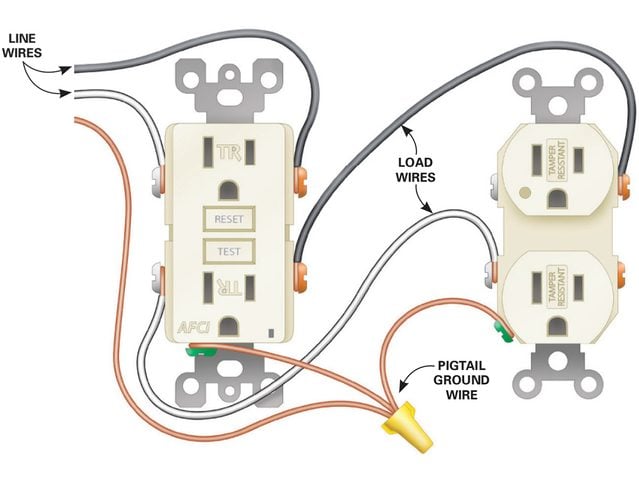
Credit: www.familyhandyman.com
Safety Precautions
Safety is the first step before hooking up a wall plug. Electricity can be dangerous. Taking the right precautions keeps you safe and avoids accidents. Follow these simple but important safety rules.
Power Off Procedures
Always switch off the main power before starting. Check the circuit breaker or fuse box. Confirm the power is off by testing the outlet with a voltage tester. This stops any electric current from flowing. Never work on a live circuit. It can cause shocks or worse.
Personal Protective Equipment
Wear safety gear to protect yourself. Use insulated gloves to avoid electric shocks. Safety goggles protect your eyes from sparks or debris. Non-slip shoes help prevent falls. Dress in clothes that cover your arms and legs. These simple tools reduce injury risks while working.
Preparing The Wall Plug
Preparing the wall plug is the first step for a safe and strong connection. It ensures the plug works properly and lasts longer. Proper preparation avoids electrical issues and keeps everyone safe. Follow simple steps to get ready.
Inspecting The Plug
Start by checking the wall plug carefully. Look for cracks, dirt, or damage. A damaged plug can cause poor connection or electric shocks. Make sure the plug is clean and dry. Replace the plug if you find any faults. Safety comes first.
Stripping The Wires
Next, strip the wires inside the plug. Use a wire stripper or a sharp knife. Remove about half an inch of the outer insulation. Be careful not to cut the wires inside. Expose the copper wire without damage. This step helps the wires connect tightly. It improves electrical flow and prevents sparks.

Credit: www.youtube.com
Connecting The Wires
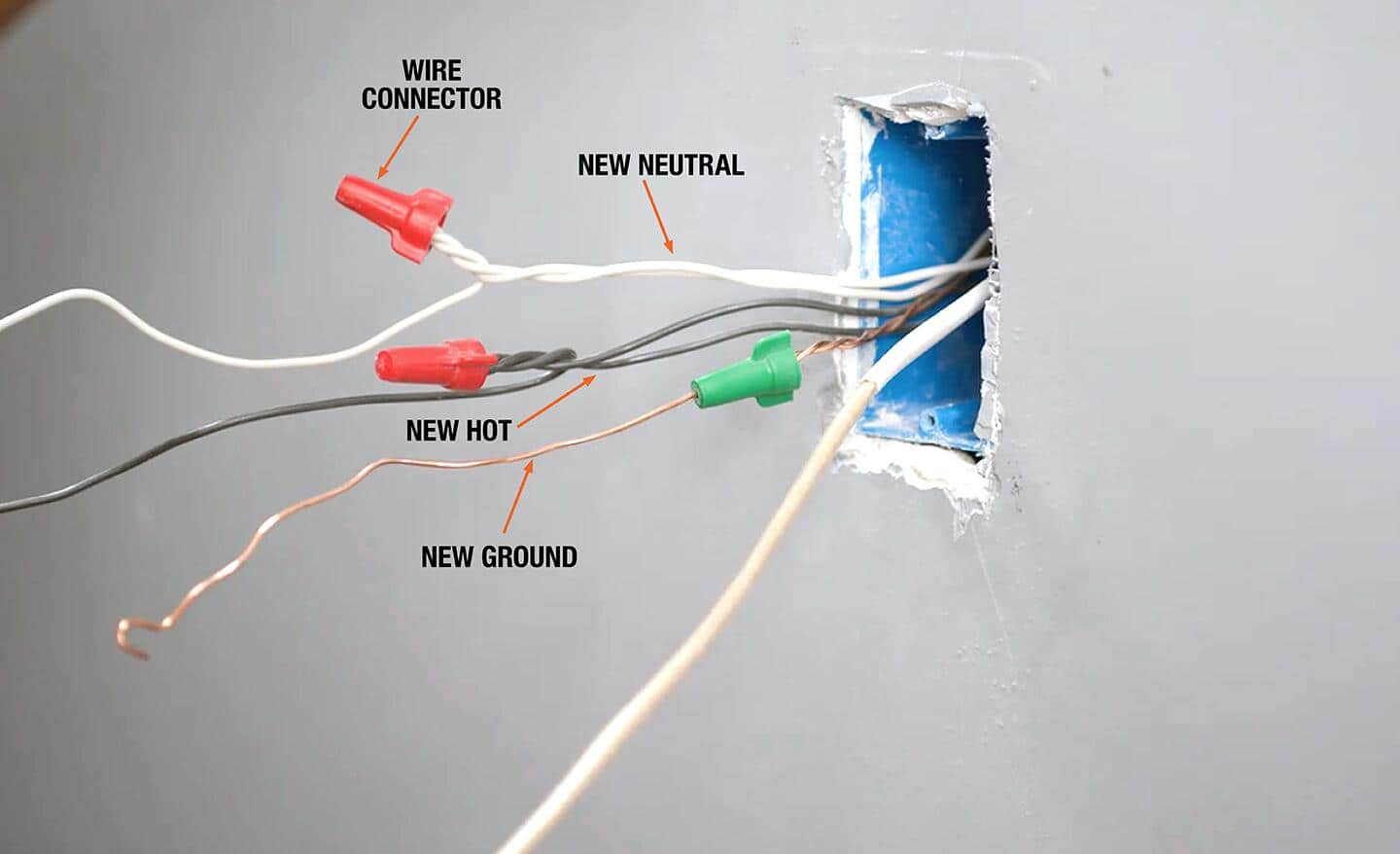
Connecting the wires is a key step in hooking up a wall plug. This step ensures the plug works safely and properly. It needs careful attention and the right tools. Understanding the wire colors and attaching them correctly prevents electrical problems and hazards.
Identifying Wire Colors
Most wall plugs have three wires. Each wire has a specific color. The live wire is usually brown or red. The neutral wire is blue or black. The earth wire is green or green with a yellow stripe. These colors help you connect the wires to the correct terminals. Always double-check the colors before starting. This step is important for safety.
Attaching Wires To Terminals
Start by loosening the screws on the plug terminals. Insert the live wire into the live terminal marked “L”. The neutral wire goes into the terminal marked “N”. The earth wire connects to the terminal marked with an earth symbol or “E”. Make sure the wires are secure and not loose. Tighten the screws firmly to hold the wires. Loose wires can cause sparks or failure.
Securing The Wall Plug
Securing the wall plug is a key step in making sure your electrical connection is safe. A loose plug can cause sparks or stop working. Take your time to mount the plug box firmly. Then fix the faceplate with care. These steps keep everything steady and protected.
Mounting The Plug Box
Start by placing the plug box into the wall opening. Make sure it fits tightly without gaps. Use screws to hold the box in place. Screw them into the wall studs or anchors. Check that the box does not move. A firm mount prevents future problems.
Fixing The Faceplate
After the box is secure, put the faceplate on. Align it carefully with the plug and box. Use the screws provided to attach the faceplate. Tighten the screws just enough to hold it steady. Avoid overtightening, which can crack the plate. A well-fixed faceplate protects the plug and looks neat.
Credit: www.homedepot.com
Testing The Installation
Testing the installation is a key step after hooking up a wall plug. It ensures everything works safely and correctly. Skipping this step can cause problems or hazards later. Take your time to check all parts before using the outlet.
Restoring Power
Start by turning the power back on at the circuit breaker. Flip the switch to restore electricity to the outlet. Avoid touching wires or terminals while the power is on. Use a voltage tester to confirm the outlet has power. This step shows if the wiring is complete.
Checking For Proper Function
Plug in a small device like a lamp or phone charger. It should turn on without flickering or losing power. Test the outlet with a socket tester for correct wiring. Look for signs of loose wires or sparks. Proper function means the wall plug is ready for daily use.
Frequently Asked Questions
What Tools Do I Need To Hook Up A Wall Plug?
You need a screwdriver, wire stripper, voltage tester, and a wall plug. These tools ensure safety and proper installation. Always turn off power before starting work.
How Do I Connect Wires To A Wall Plug?
Strip the wires, then connect live, neutral, and earth wires to correct terminals. Tighten screws securely to avoid loose connections.
Can I Install A Wall Plug Without Professional Help?
Yes, if you follow safety guidelines and use proper tools. Ensure power is off and check local electrical codes before starting.
What Safety Precautions Are Essential When Hooking Up A Wall Plug?
Always turn off the power supply. Use insulated tools, test wires for voltage, and avoid working in wet conditions.
Conclusion
Hooking up a wall plug is a simple task with careful steps. Always turn off the power before starting work. Connect wires to the correct terminals to avoid hazards. Use a screwdriver to secure the connections firmly. Test the plug after wiring to ensure safety.
Taking time and following instructions prevents accidents. Now, you can handle basic electrical tasks with confidence. Remember, safety comes first in every step you take.