Have you ever tried to hang something heavy on your wall, only to worry it might fall down? That’s where wall anchors come in.
They give your screws extra grip and keep your items safe and secure. But how exactly is a wall anchor used? If you want to make sure your shelves, pictures, or mirrors stay put without damaging your walls, this article is for you.
Keep reading, and you’ll learn simple steps to use wall anchors like a pro—even if you’ve never done it before.
Credit: www.youtube.com
Types Of Wall Anchors
Wall anchors help hang items securely on walls. Different types suit different wall materials and weights. Choosing the right anchor keeps your items safe and stable. Learn about common types of wall anchors below.
Plastic Expansion Anchors
Plastic expansion anchors fit into drilled holes in drywall or masonry. When you insert a screw, the anchor expands. This expansion grips the wall tightly. They work well for light to medium loads like picture frames.
Toggle Bolts
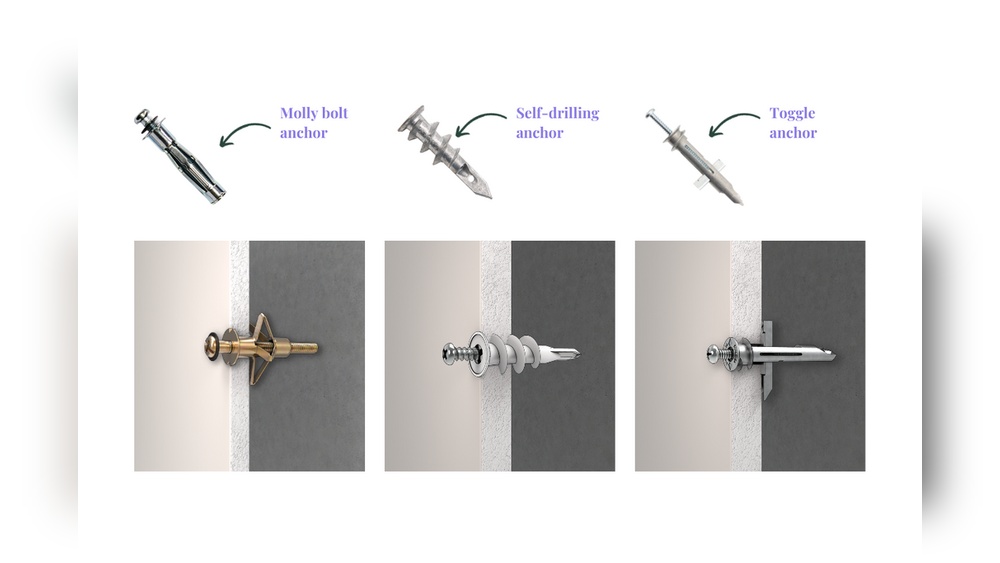
Toggle bolts have wings that open behind the wall. Inserted through a drilled hole, the wings spread wide inside the wall cavity. This creates strong support for heavy objects. Ideal for hanging shelves or mirrors on hollow walls.
Molly Bolts
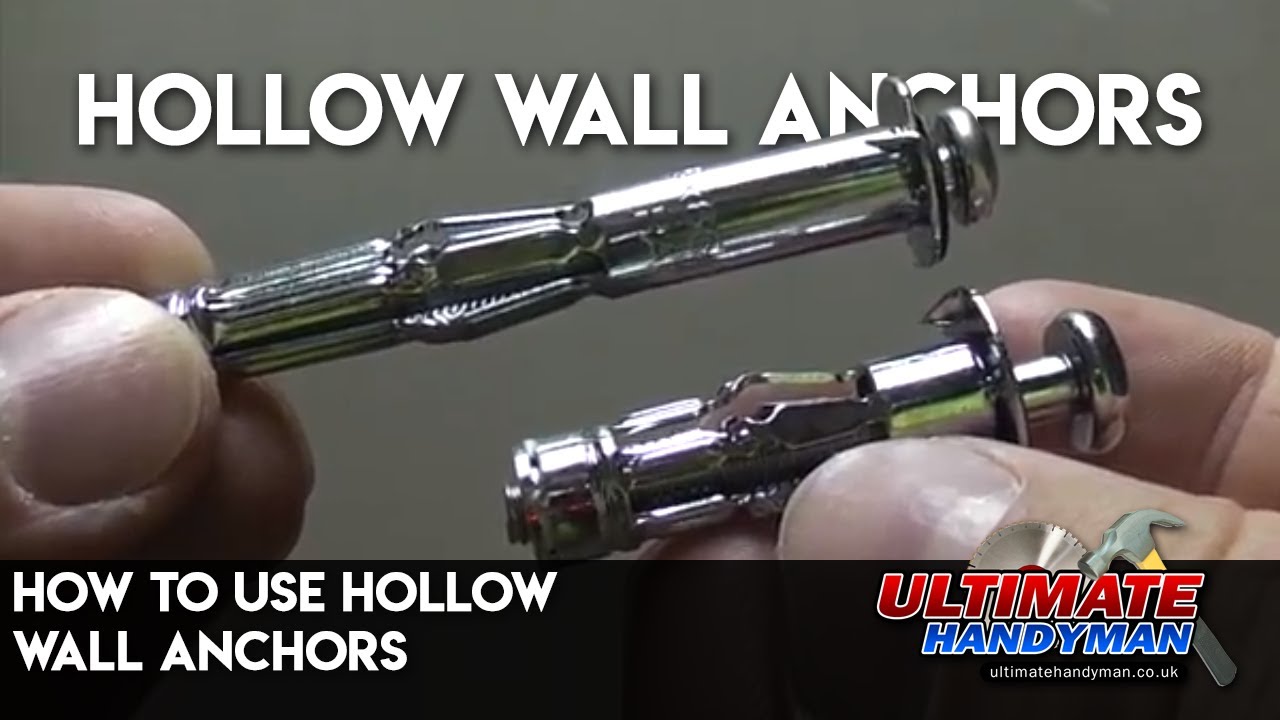
Molly bolts are metal anchors that expand behind the wall. When tightened, their legs spread to hold firmly. They are reusable and offer good strength for medium-heavy loads. Often used for cabinets or towel racks.
Threaded Drywall Anchors
Threaded drywall anchors screw directly into drywall without pre-drilling. Their sharp threads cut into the wall for a secure hold. Best for medium-weight items like curtain rods or small shelves. Easy to install with just a screwdriver.
Choosing The Right Anchor
Choosing the right wall anchor is key for a secure hold. Different walls need different anchors. Picking the wrong one can cause damage or unsafe mounting. Understand the basics to make the best choice.
Matching Anchor To Wall Material
Each wall type needs a specific anchor. Drywall anchors work best with drywall. Masonry anchors suit brick or concrete walls. Wood screws are good for wooden walls. Using the correct anchor ensures strong support.
Weight Capacity Considerations
Know the weight of the item before selecting an anchor. Anchors have weight limits. Choose one that can hold more than your item’s weight. This avoids the risk of the anchor failing.
Anchor Size And Length
Anchor size matters for strength and fit. Longer anchors give more grip inside the wall. Thicker anchors hold heavier items. Use the right size to prevent wall damage and secure your load.
Tools Needed For Installation
Installing a wall anchor needs some basic tools. These tools help make the job easier and safer. Using the right tools also keeps the anchor strong and stable. Below are the key tools required for a smooth installation process.
Drill And Drill Bits
A drill is essential to make holes in the wall. Choose the right drill bit size for the anchor. The bit must match the anchor’s diameter. This ensures a tight fit for the anchor. Use a power drill for faster, cleaner holes.
Screwdrivers
Screwdrivers help to fix screws into anchors. Use a screwdriver that fits the screw head well. Both flathead and Phillips screwdrivers might be needed. A proper fit avoids damaging the screw or wall.
Measuring Tools
Measuring tools ensure the anchor is placed in the right spot. A tape measure or ruler works well. Measure distances carefully to avoid mistakes. Accurate placement keeps items level and secure on the wall.
Level
A level makes sure the anchor is perfectly horizontal or vertical. This tool prevents crooked installations. Hold the level against the wall to check alignment. Use it after marking spots and before drilling holes.

Credit: www.amazon.com
Step-by-step Installation Guide
Installing a wall anchor correctly is key to holding items securely on your wall. Follow each step carefully for the best results. This guide breaks down the process into four simple parts. You will learn how to mark, drill, insert, and secure a wall anchor properly.
Marking The Spot
First, decide where you want to place your item. Use a pencil to mark the exact spot on the wall. Check the height and position twice before moving on. A clear mark helps guide your drilling.
Drilling The Hole
Choose a drill bit that matches the size of your anchor. Drill straight into the marked spot. Drill only as deep as the anchor length. Keep the drill steady to avoid a crooked hole.
Inserting The Anchor
Push the wall anchor into the hole. Use your fingers to start it in. Tap gently with a hammer if needed. Make sure the anchor sits flush with the wall surface.
Securing The Screw
Place the screw into the anchor’s center. Turn it slowly with a screwdriver. Tighten until the screw feels firm. Do not over-tighten or strip the anchor.
Common Mistakes To Avoid
Using wall anchors seems simple, but many people make mistakes that cause problems. These errors can make your anchor weak or cause damage to the wall. Avoiding common mistakes helps your anchor hold better and last longer. Knowing what to watch for improves your DIY projects.
Using The Wrong Anchor Type
Not all anchors work for every wall or weight. Plastic anchors are good for light items but fail with heavy loads. Metal anchors hold more weight and suit drywall or masonry. Choose the right type for the wall and object weight.
Overtightening Screws
Turning screws too tight can break the anchor or damage the wall. Tighten screws until firm, but stop before you feel resistance. Overdoing it makes the anchor lose grip and fall out later.
Ignoring Wall Material
Different walls need different anchors. Drywall, plaster, brick, and concrete all react differently. Using the wrong anchor for the wall type causes poor support or damage. Check the wall material before buying anchors.
Incorrect Hole Size
Drilling a hole too big or too small hurts anchor performance. A big hole makes the anchor loose and weak. A small hole can break the anchor when inserted. Use the right drill bit size for your anchor.
Maintenance And Safety Tips
Proper care of wall anchors keeps your fixtures safe and secure. Regular maintenance prevents accidents and damage. Follow simple steps to maintain and use wall anchors safely.
Regularly Checking Fixings
Check wall anchors often for signs of wear or looseness. Tighten screws if they feel loose. Look for cracks or movement around the anchor. Early detection avoids bigger problems later.
Replacing Damaged Anchors
Replace anchors that show damage or no longer hold firmly. Remove old anchors carefully to avoid wall damage. Use the correct size and type of anchor for replacement. This ensures strong and lasting support.
Safety Precautions During Installation
Wear safety glasses to protect your eyes from dust and debris. Use the right tools for drilling and fixing anchors. Follow product instructions closely for secure installation. Avoid over-tightening screws to prevent anchor failure.
Credit: blog.hubbell.com
Frequently Asked Questions
What Is The Purpose Of A Wall Anchor?
A wall anchor provides extra support for heavy items on drywall or hollow walls. It prevents screws from pulling out, ensuring stability and safety. Wall anchors distribute weight evenly, making them essential for mounting shelves, mirrors, or TVs securely on various wall types.
How Do You Install A Wall Anchor Correctly?
To install a wall anchor, first drill a hole matching the anchor size. Insert the anchor firmly into the hole. Then, screw in the fastener, which expands the anchor inside the wall. This process ensures a tight grip and strong hold for heavy objects.
Can Wall Anchors Be Used On All Wall Types?
Wall anchors work best on drywall, plaster, and hollow walls. Some anchors are designed specifically for concrete or brick. Always choose the right anchor type for your wall material to ensure maximum strength and avoid damage during installation.
What Weight Can A Wall Anchor Support?
Weight capacity varies by anchor type and size. Plastic anchors typically hold up to 10-25 pounds. Metal or toggle anchors can support 50 pounds or more. Always check manufacturer guidelines to match the anchor with your load requirements for safe mounting.
Conclusion
Wall anchors help secure items to walls safely and firmly. They work by spreading the load inside the wall. Choosing the right anchor type matters for strong support. Use the correct size drill bit for a good fit. Always follow instructions for best results and safety.
With proper use, wall anchors prevent damage and keep things stable. Now, hanging shelves or pictures feels easier and safer. Simple steps lead to lasting wall support.