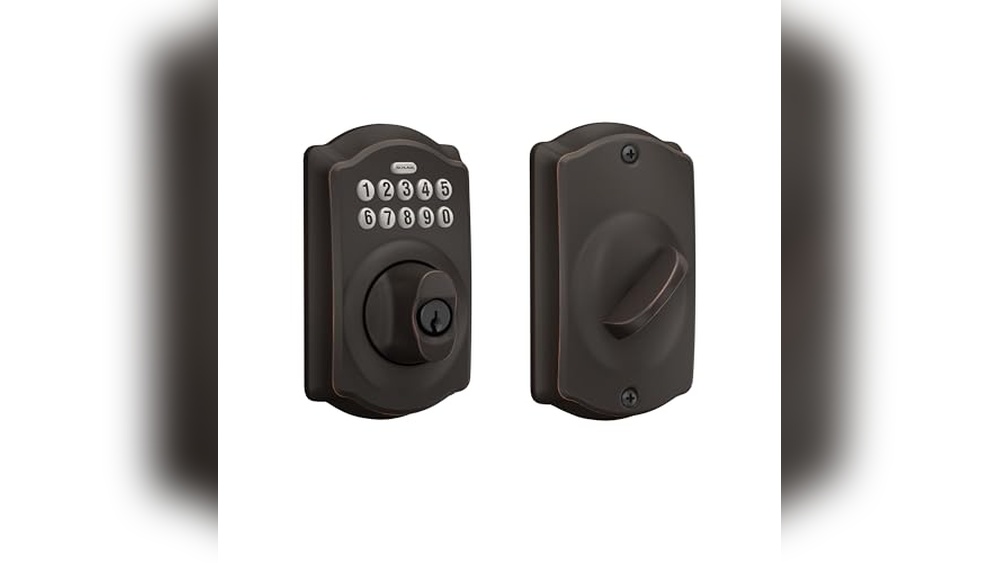
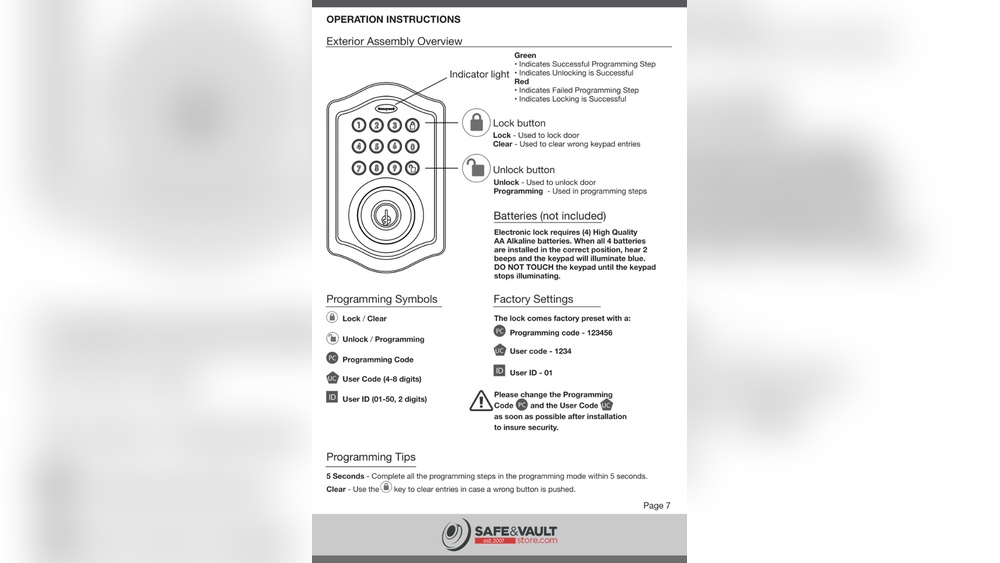
Adding a deadbolt to your wood door is one of the smartest ways to boost your home’s security. You want to feel safe and in control, and a sturdy deadbolt can give you just that peace of mind.
But if you’ve never done it before, the idea of drilling holes and fitting locks might seem tricky. Don’t worry—you’re about to learn a simple, step-by-step method that anyone can follow. By the end of this guide, you’ll have a strong, reliable deadbolt protecting your door, making your home safer for you and your loved ones.
Ready to get started? Let’s dive in!

Credit: www.reddit.com
Choosing The Right Deadbolt
Choosing the right deadbolt is key to improving your door’s security. The deadbolt must fit your door type and offer strong protection. This choice affects how well your door resists break-ins and how easy the lock is to use.
Picking a suitable deadbolt helps avoid installation problems. It also ensures your door looks neat and functions well. Knowing the types of deadbolts and what works best for wood doors makes the process easier.
Types Of Deadbolts
Deadbolts come in three main types: single-cylinder, double-cylinder, and lockable thumbturn. Single-cylinder deadbolts use a key outside and a thumbturn inside. Double-cylinder deadbolts need a key on both sides. Lockable thumbturn deadbolts allow locking and unlocking from inside with a key.
Single-cylinder deadbolts suit most wood doors. Double-cylinder deadbolts add security but can be risky in emergencies. Lockable thumbturns offer flexibility for some situations.
Selecting Compatible Deadbolts For Wood Doors
Wood doors vary in thickness and design. Choose a deadbolt that fits the door thickness, usually 1 3/4 inches. Check if the deadbolt kit includes the right screws and strike plate for wood. A deadbolt with a sturdy bolt and solid metal parts works best.
Make sure the deadbolt matches the door’s style and finish. Proper fit avoids damage and keeps your door strong. Compatibility keeps the lock secure and easy to operate.
Tools And Materials Needed
Prepare these tools: a drill, drill bits, screwdriver, measuring tape, pencil, chisel, and hammer. For materials, get the deadbolt kit, wood screws, and wood filler for clean finishing. Having the right tools helps make neat holes and proper fitting.
Measuring and marking carefully reduces mistakes. Using sharp drill bits avoids splitting the wood. These steps make installation smoother and the deadbolt last longer.
Preparing The Door
Preparing the door is a crucial step before installing a deadbolt. This process ensures the lock fits perfectly and works smoothly. Taking time to prepare the door saves effort later and improves security.
Measuring And Marking The Door
Start by measuring the height for the deadbolt. Typically, this is about 6 to 12 inches above the door handle. Use a tape measure and mark the spot clearly with a pencil. Double-check the measurements on both sides of the door. Mark the hole for the bolt on the edge of the door too. Accurate marks guide the drilling and prevent mistakes.
Drilling Holes For Deadbolt Installation
Choose a drill bit that matches the deadbolt size. Drill the large hole through the face of the door at the marked spot. Keep the drill steady and straight. Next, drill the smaller hole on the door edge for the bolt. Clean out any wood dust inside the holes. This step prepares the door for easy fitting of the lock parts.
Ensuring Proper Alignment
Check that the holes line up correctly. The bolt should slide in and out smoothly. Place the deadbolt parts into the holes to test fit. Adjust marks and holes slightly if needed. Proper alignment avoids sticking and makes the lock secure. This step is key for a deadbolt that works well every time.
Installing The Deadbolt
Installing the deadbolt is a key step to secure your wood door. It takes care and precision to fit the parts correctly. Follow each step carefully to ensure a strong lock.
Fitting The Deadbolt Mechanism
Start by placing the deadbolt mechanism into the hole on the edge of the door. Make sure it fits snugly and the bolt slides smoothly. The faceplate should lie flat against the door edge. Use a chisel to adjust the space if needed.
Securing The Deadbolt With Screws
Next, attach the deadbolt mechanism using screws. Tighten the screws firmly but avoid over-tightening to prevent damage. Check the bolt moves freely after securing. This step keeps the lock stable and functional.
Installing The Strike Plate
Mark the spot on the door frame where the bolt will enter. Chisel out a recess for the strike plate so it sits flush with the frame. Screw the strike plate tightly in place. Test the deadbolt by turning the key and ensure it locks smoothly.
Testing And Adjusting
Testing and adjusting your new deadbolt is a key step after installation. This ensures the lock works smoothly and keeps your door secure. Take your time to check every part carefully. Small tweaks can make a big difference in how well the deadbolt functions.
Checking Lock Functionality
Start by turning the key in the deadbolt. Notice if it moves easily without sticking. Try locking and unlocking from both sides of the door. Make sure the bolt slides fully into the door frame. Test the door’s closing to confirm it does not block the bolt.
Making Necessary Adjustments
If the bolt does not move freely, tighten or loosen the screws. Adjust the strike plate on the door frame if the bolt does not fit well. Sometimes, you may need to chisel the door frame slightly. Recheck the lock after each adjustment to find the perfect fit.
Enhancing Security With Additional Hardware
Consider adding a reinforcing plate around the deadbolt. This helps prevent forced entry. Use longer screws in the strike plate for extra strength. Installing a door jamb reinforcement kit can boost overall door security. These steps add layers of protection to your deadbolt.
Maintenance Tips
Maintaining your deadbolt ensures it works smoothly and keeps your home secure. Simple care steps can extend its life and prevent problems. Check your deadbolt regularly for any signs of trouble.
Lubricating The Deadbolt
Apply a small amount of lubricant to the bolt and keyhole. Use graphite powder or a silicone-based spray for best results. Avoid oil-based lubricants as they attract dust and dirt. Lubricate the deadbolt twice a year to keep it moving smoothly.
Inspecting For Wear And Tear
Look closely at the deadbolt parts for rust, cracks, or loose screws. Test the lock by turning the key and handle. Notice any stiffness or unusual sounds. Early detection of wear helps prevent lock failure and costly repairs.
When To Replace The Deadbolt
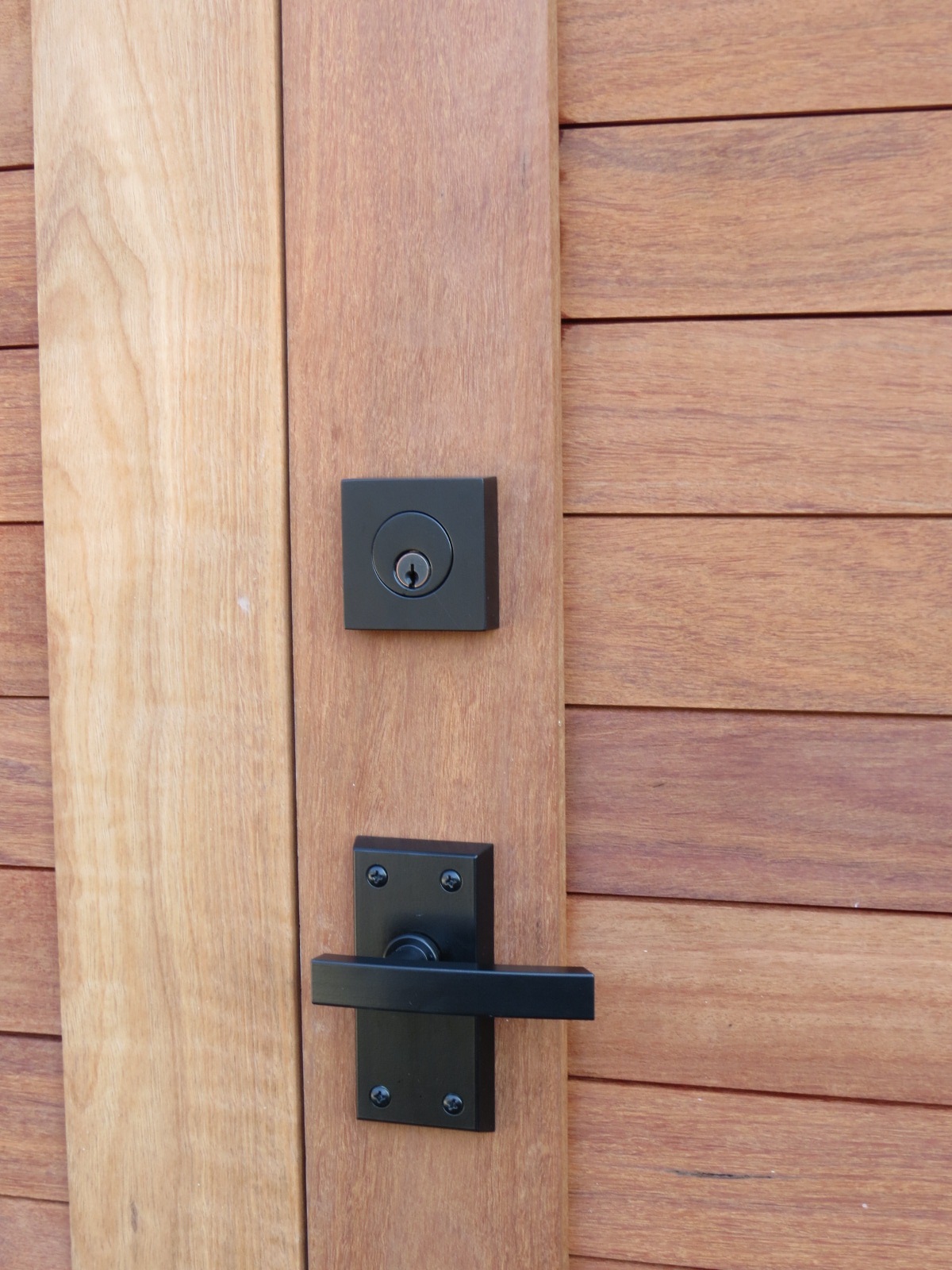
Replace the deadbolt if it jams frequently or the key won’t turn easily. Change it after a break-in or if the lock shows heavy rust or damage. A new deadbolt improves security and peace of mind for your home.
Credit: 360yardware.com
Credit: www.reddit.com
Frequently Asked Questions
How Do I Choose The Right Deadbolt For A Wood Door?
Choose a deadbolt that fits your door’s thickness and security needs. Single-cylinder deadbolts are common and easy to install. Consider a deadbolt with a reinforced strike plate for added strength and durability.
What Tools Are Needed To Install A Deadbolt On Wood?
You will need a drill, hole saw, screwdriver, measuring tape, pencil, chisel, and a template. These tools help create precise holes and secure the deadbolt properly on the wood door.
Can I Install A Deadbolt Without Professional Help?
Yes, with basic DIY skills, you can install a deadbolt yourself. Follow instructions carefully, measure accurately, and use the right tools. It saves money and enhances your home security efficiently.
How Do I Prepare The Wood Door For Deadbolt Installation?
Mark the correct hole positions using the template provided with the deadbolt. Drill holes carefully and chisel out any excess wood for a flush fit. Ensure the door edge is clean and smooth for the lock.
Conclusion
Adding a deadbolt to a wood door improves your home’s security. The process is simple with the right tools and steps. Take your time to measure and drill carefully. Secure the lock tightly for best results. A strong deadbolt helps keep your home safe.
Now, your door is harder to open without a key. Protect your family and belongings with this easy upgrade. Try it yourself and enjoy peace of mind.