Have you ever wished you could control one light from two different switches? Maybe you want to turn off the hallway light without walking back to the first switch.
Connecting a light switch to another light switch can make your home more convenient and efficient. You’ll discover simple, clear steps to set up two switches for the same light. No confusing jargon or complicated tools—just easy instructions you can follow right now.
Ready to take control of your lighting? Let’s get started!
Tools And Materials Needed
Before starting to connect one light switch to another, gathering the right tools and materials is essential. Having everything ready makes the work safer and faster. It also helps avoid mistakes and saves time.
This list includes basic tools found in most homes and a few special items needed for electrical work. Knowing each tool’s purpose improves confidence during the project.
Electrical Tester
An electrical tester checks if wires have power. It keeps you safe by confirming the circuit is off before touching wires. A simple non-contact tester works well for this task.
Screwdrivers
You will need both flathead and Phillips screwdrivers. These tools remove the switch cover and secure wires to terminals. Choose screwdrivers with comfortable handles for better control.
Wire Strippers
Wire strippers remove insulation from electrical wires without damaging the metal inside. Proper stripping ensures a good connection and prevents shorts. Use a stripper sized for your wire thickness.
Electrical Tape
Electrical tape insulates exposed wire ends and secures wire nuts. It prevents accidental contact with live wires. Use high-quality tape designed for electrical use.
Wire Nuts
Wire nuts connect and protect wire ends safely. They twist wires together and prevent loose connections. Choose the right size for the number and gauge of wires.
Light Switches
Use compatible light switches for your setup. Single-pole or three-way switches work depending on your wiring plan. Check the switch ratings to match your circuit.
Electrical Wire
Use electrical wire that meets local codes and matches your current wiring. Typically, 14 or 12-gauge wire is used for lighting circuits. Make sure the wire length is enough to reach both switches.

Credit: www.youtube.com
Safety Precautions
Safety is the top priority before connecting a light switch to another. Electricity can be dangerous and cause serious injury. Taking proper safety steps prevents accidents and ensures a smooth project.
Always prepare your workspace and tools carefully. A safe setup helps avoid risks and keeps you protected while working.
Turn Off Power At The Circuit Breaker
Switch off the power to the circuit you will work on. Use the main breaker to cut electricity. Never rely on just the switch to stop power.
Test the wires with a voltage tester. Confirm no electricity flows before touching any wire. This step stops electric shocks.
Use Insulated Tools
Pick tools with insulated handles. They protect your hands from electric current. Avoid using metal tools without insulation.
Keep tools in good condition. Damaged tools may not protect you well.
Wear Protective Gear
Wear rubber-soled shoes to reduce shock risk. Use safety goggles to protect your eyes. Gloves made for electrical work add extra safety.
Check Local Electrical Codes
Follow local rules for electrical installations. These codes ensure safety and proper wiring. Use the right materials and methods as required.
Work In A Dry Area
Make sure your work area is dry. Water increases the risk of electric shock. Avoid working in wet or damp places.
Label Wires Clearly
Mark wires before disconnecting them. Clear labels help you reconnect correctly. Avoid confusion and mistakes during wiring.
Types Of Switches For Two-way Control
Two-way control allows you to turn a light on or off from two different switches. This setup is common in hallways, staircases, or large rooms. Understanding the types of switches helps to connect them correctly. Choose the right switch for your wiring and control needs.
Two main types of switches work for two-way control: single-pole and three-way switches. Each has a specific function and wiring setup. Knowing these helps you install a safe and effective system.
Single-pole Switch
A single-pole switch controls a light from one location. It has two terminals and a simple on/off function. This switch works well for basic lighting needs. It is not suitable for two-way control on its own. Use it only when control from one place is enough.
Three-way Switch
A three-way switch lets you control a light from two locations. It has three terminals: one common and two travelers. Wiring two three-way switches allows on/off from either switch. This setup is perfect for stairs, long hallways, or big rooms. It provides convenience and better light control.

Credit: diy.stackexchange.com
Wiring Basics For Two Switches
Connecting two light switches is a common task in home wiring. Understanding the basics of wiring helps you do it safely and correctly. This section explains the key points about wiring two switches. It breaks down the process into simple steps anyone can follow.
Knowing how circuits work and identifying the wires are the first steps. These basics build the foundation for a successful connection. Keep reading to learn the essential details.
Understanding The Circuit
A light switch circuit controls the flow of electricity to a light. It acts like a gate that opens or closes the path. When the switch is ON, electricity flows to the light. When OFF, the flow stops.
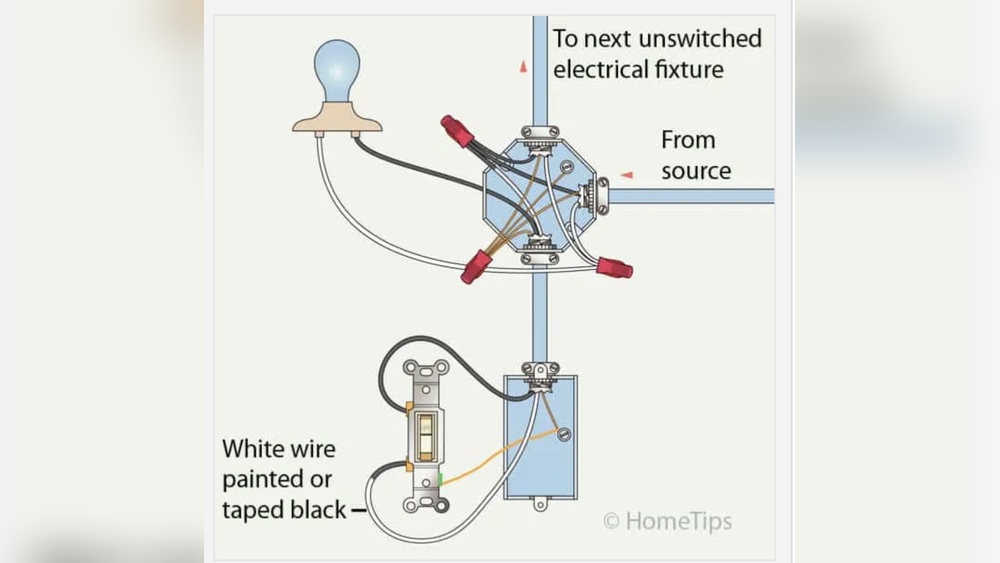
Two switches controlling one light need a special setup called a “three-way” circuit. This setup uses extra wires to allow either switch to turn the light on or off. It keeps the circuit working no matter which switch you use.
Identifying Wires
Knowing each wire’s role is very important. Common wires include the hot wire, neutral wire, and traveler wires. The hot wire carries power from the source. The neutral wire completes the circuit back to the power source.
Traveler wires connect the two switches in a three-way circuit. They allow the switches to communicate and control the light together. Use a voltage tester to find out which wire is which before you start wiring.
Step-by-step Wiring Process
Connecting a light switch to another switch allows you to control one light from two places. This setup is common in hallways or large rooms. Follow these steps carefully to wire the switches correctly and safely.
Turn Off Power
Safety first. Find your home’s circuit breaker panel. Switch off the power to the area where you will work. Use a voltage tester to confirm no electricity flows to the switches. Never skip this step.
Connect First Switch
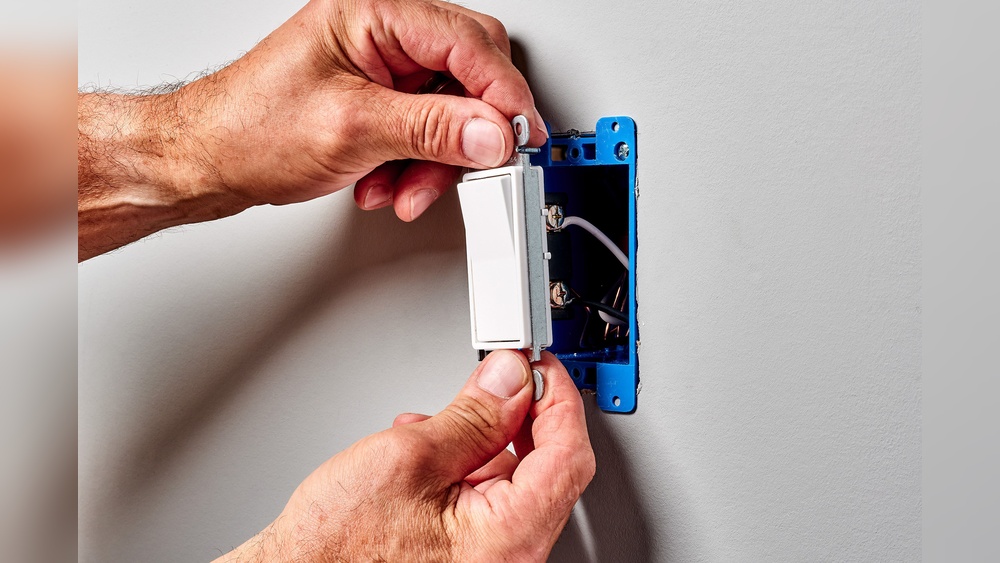
Remove the switch cover and unscrew the first switch. Identify the common terminal and traveler terminals. Connect the incoming power wire to the common terminal. Attach two traveler wires to the traveler terminals. Tighten all screws firmly.
Connect Second Switch
Open the second switch box. Attach the traveler wires from the first switch to the traveler terminals here. Connect the wire going to the light fixture to the common terminal. Make sure all connections are tight and secure.
Test The Setup
Turn the power back on at the breaker. Test both switches by flipping them on and off. The light should turn on or off from either switch. If it doesn’t, turn off power and check your wiring again.

Credit: www.youtube.com
Common Mistakes To Avoid
Connecting one light switch to another sounds simple. Many people try it but make avoidable errors. These mistakes can cause the switches to fail or create safety hazards. Understanding common pitfalls helps save time and keeps your home safe.
Incorrect Wiring Connections
Wrong wire connections cause the switches to malfunction. Mixing up the live, neutral, or ground wires is a frequent error. Always identify wires before connecting. Label wires if needed. Use a voltage tester to check wires.
Ignoring Power Shutoff
Not turning off power leads to electric shock risks. Always switch off the circuit breaker before working. Double-check power is off with a tester. Safety must be your top priority.
Using Incompatible Switch Types
Not all switches work together. Using two single-pole switches instead of two three-way switches is a common mistake. Choose the right type of switch for the setup. This ensures proper control of the lights.
Failing To Secure Wire Connections
Loose connections cause flickering or no light. Tighten wire nuts and screws firmly. Check for exposed wire strands. Proper connections ensure reliable switch operation.
Not Following Local Electrical Codes
Ignoring local rules risks fines and unsafe wiring. Check electrical codes before starting. Use approved materials and methods. Following codes keeps the installation safe and legal.
Troubleshooting Tips
Troubleshooting a light switch connection can be simple with clear steps. Problems may arise from wiring errors, loose connections, or faulty switches. Checking each part carefully helps find the issue fast. Follow the tips below to fix common problems and get your switches working correctly.
Check The Power Supply
Make sure the power is off before working on the switches. Use a voltage tester to confirm no electricity flows. If the power is on, the switches may not work or could cause shocks. Always double-check for safety.
Inspect The Wiring Connections
Look closely at all wires connected to both switches. Loose or wrong connections stop the switches from working together. Tighten loose wires and match colors correctly. Black wires usually carry power, white wires are neutral, and green or bare wires are ground.
Test The Switches Individually
Remove each switch and test it alone. Use a multimeter to check if the switch works when toggled. Replace any switch that does not show continuity. Faulty switches cause the lights to fail or flicker.
Verify The Traveler Wires
Traveler wires link the two switches in a three-way setup. Make sure these wires connect to the correct terminals. Swap them if the switches do not control the light properly. Wrong traveler wire placement breaks the connection.
Look For Damaged Wires
Damaged or frayed wires cause shorts or open circuits. Inspect the wire insulation carefully. Replace any wire that looks broken or worn out. Safe wiring ensures your switches work without danger.
When To Call A Professional
Connecting one light switch to another can seem simple. Yet, some tasks need expert help. Knowing when to call a professional keeps you safe. It avoids damage and ensures the job is right.
Complex Wiring Or Unknown Circuits
Wiring can be tricky and dangerous. Circuits that are old or unclear need a pro. They know how to handle wires safely. Mistakes can cause shocks or fires.
Handling Multiple Switches Or 3-way Switches
Switches that control one light from two places need skill. A professional understands how to connect 3-way switches. This stops flickering and wrong light control.
When Local Codes And Permits Are Required
Some areas need permits for electrical work. A licensed electrician follows these rules. This avoids fines and makes sure your home is safe.
Experiencing Electrical Issues Or Flickering Lights
Flickering lights or tripping breakers show bigger problems. A professional can find and fix these issues. They protect your home and family.
Using Specialized Tools And Equipment
Certain jobs need special tools electricians own. Professionals use them to test and secure connections. This ensures the switches work correctly and last longer.
Frequently Asked Questions
How Do I Wire Two Light Switches Together?
To wire two switches, use a three-way switch setup. Connect traveler wires between switches and a common wire to the light fixture. This allows control of one light from two locations safely and efficiently.
What Tools Are Needed To Connect Two Light Switches?
You need a screwdriver, wire stripper, voltage tester, electrical tape, and wire nuts. These tools help ensure safe, secure, and proper connections between the switches and wiring.
Can I Connect A Light Switch To Another Switch Without Electrician Help?
Yes, if you understand electrical wiring and safety rules. Turn off power before starting. Follow wiring diagrams carefully. When unsure, consult a professional to avoid hazards.
What Type Of Wires Connect Two Light Switches?
Typically, use 14/3 or 12/3 electrical cables. These contain two traveler wires and a neutral wire for three-way switch connections, enabling proper control of the light from both switches.
Conclusion
Connecting one light switch to another is easier than it seems. Follow each step carefully and take safety first. Double-check your wiring and use the right tools. This setup lets you control lights from two places. It adds convenience and saves time in your home.
Always turn off power before working on switches. With patience and care, you can finish this task well. Enjoy better lighting control and a smarter home. Simple steps, clear results.