Have you ever wanted to hang something on your wall but didn’t know where to start? Whether it’s a picture frame, a shelf, or a decorative piece, getting it right can make all the difference.
You might worry about damaging your wall or having your item fall down. Don’t worry—this guide will show you simple, clear steps to hook something securely and safely. By the end, you’ll feel confident to tackle any wall-hanging project yourself.
Ready to learn how to make your walls work for you? Let’s dive in!
Choose The Right Wall Hook
Choosing the right wall hook is important for a secure hold. The right hook keeps your items safe and your wall damage-free. Different hooks serve different purposes. Picking the right one helps your project succeed.
Types Of Wall Hooks
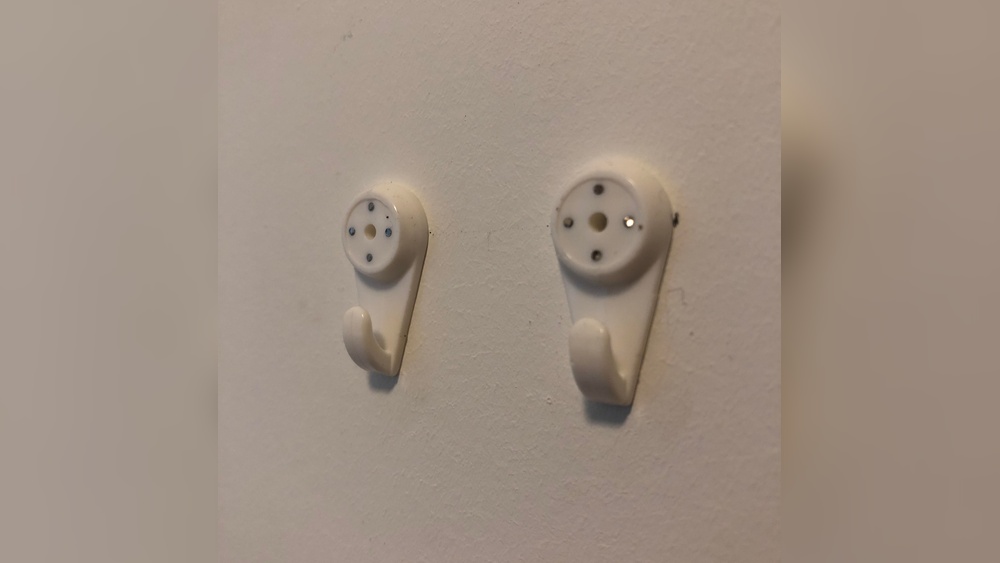
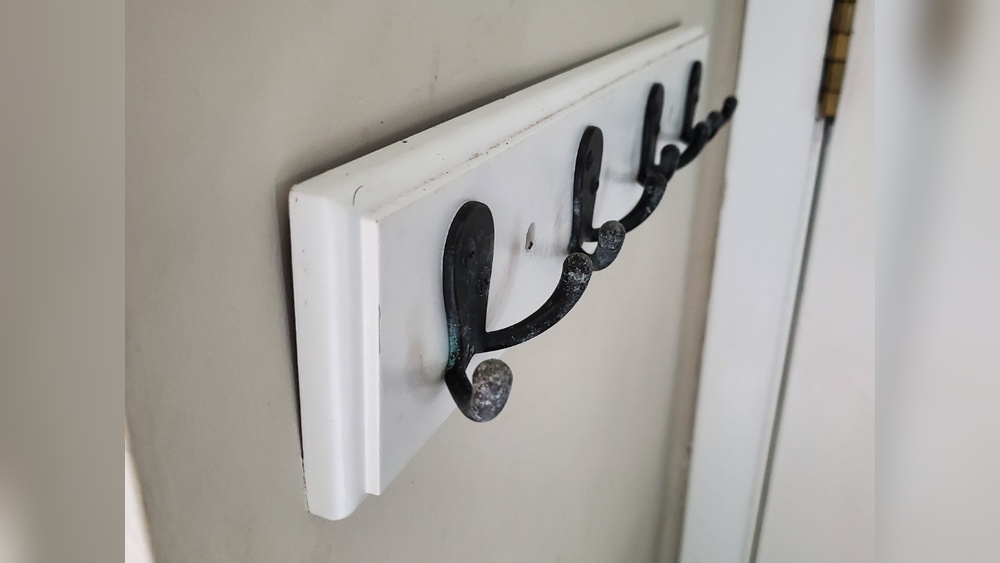
Wall hooks come in many shapes and sizes. Some hooks stick with adhesive. Others need nails or screws. There are metal hooks, plastic hooks, and wooden hooks. Each type fits a different need. Choose a hook that fits the item you want to hang.
Weight Capacity Considerations
Every hook has a weight limit. Using a hook that holds too little weight can cause accidents. Check the weight of the item before picking a hook. Heavy items need stronger hooks with higher weight limits. Light items can use smaller hooks.
Materials And Finishes
Hooks come in many materials like steel, plastic, and wood. Steel hooks are strong and long-lasting. Plastic hooks are light and easy to install. Wood hooks look natural and stylish. Finishes can protect hooks from rust or damage. Choose a finish that matches your wall and style.
Gather Necessary Tools
Gathering the right tools is the first step to hook something to a wall safely and securely. The right tools make the job easier and faster. You will avoid mistakes and save time. Prepare your workspace and gather the necessary items before starting.
Basic Tools List
- Hammer – for driving nails or hooks into the wall.
- Screwdriver – to tighten or loosen screws.
- Drill – useful for making holes in hard walls.
- Wall anchors – provide extra support for heavy items.
- Measuring tape – to measure and mark the right spot.
- Level – ensures your hook is straight and even.
- Pencil – to mark spots on the wall.
Optional Helpful Gadgets
- Stud finder – locates studs behind drywall for secure hanging.
- Laser level – projects a straight line for precise alignment.
- Wire cutters – useful if you work with wire hooks.
- Safety goggles – protect your eyes from dust or debris.
- Gloves – protect your hands during drilling or hammering.
Prepare The Wall Surface
Preparing the wall surface is the first step to hang anything safely. A clean, marked, and sturdy wall helps the hook hold well. Taking time here saves effort later. It keeps your wall safe from damage.
Cleaning And Marking
Start by wiping the wall with a damp cloth. Remove dust, dirt, and grease. A clean surface helps the hook stick or fit better. Next, decide where to place your hook. Use a pencil to mark the spot clearly. Check the mark twice before drilling or nailing. Precise marks guide your work and keep things straight.
Checking For Studs
Studs are the wooden beams behind drywall. Hooks hold stronger when attached to studs. Use a stud finder to locate them easily. Move the device slowly across the wall. Mark the edges of the stud to find its center. If no stud is available, use wall anchors for support. Knowing stud locations prevents holes in weak spots.

Credit: www.reddit.com
Mark The Hanging Spot
Marking the hanging spot is a key step before putting anything on the wall. This step helps you place your item straight and secure. A wrong mark can cause your picture or shelf to hang unevenly. Take time to mark carefully for the best results.
Use simple tools to get the mark right. A pencil is best because it is easy to erase. Mark lightly on the wall where the hook or nail will go. This small step saves a lot of trouble later.
Measuring For Accuracy
Measure the spot carefully to avoid mistakes. Use a tape measure to find the right height. Check the distance from the floor or ceiling. Measure twice to be sure. Accurate measuring keeps your hanging item balanced and neat.
Using A Level
A level tool helps you mark straight spots. Place the level on the wall where you want to hang. Adjust until the bubble is centered. This shows your mark is even. Using a level stops your item from leaning to one side.
Install The Hook
Installing a hook on a wall is a simple task that anyone can do. It helps hang pictures, keys, or decorations neatly. The right method depends on the wall type and the hook’s weight. Follow clear steps to ensure the hook stays secure and holds well.
Below are easy methods to install hooks using nails, screws, and special drywall techniques.
Using Nails
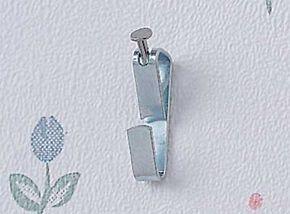
Choose a nail that fits your hook size and weight needs. Hold the hook against the wall. Tap the nail gently through the hook’s hole into the wall. Stop when the nail feels firm and the hook does not move. Nails work best for light items on wooden walls.
Using Screws And Anchors
Pick a screw and anchor suitable for your wall type and hook weight. Drill a small pilot hole first to avoid wall damage. Insert the anchor into the hole until flush with the wall surface. Screw in the screw, leaving some space for the hook. Hang your item carefully. This method is strong and good for heavier hooks.
Special Techniques For Drywall
Drywall needs extra care because it is soft. Use plastic anchors or toggle bolts for better hold. Drill a hole matching the anchor size. Push or screw the anchor into the hole. Attach the hook to the screw or bolt. Tighten gently to avoid cracking the drywall. This technique keeps hooks stable on fragile walls.
Credit: home.howstuffworks.com
Test The Hook Stability
Testing the stability of a hook is very important. It helps ensure your item stays safe on the wall. A loose hook can cause damage or accidents. Taking a few moments to check the hook’s strength saves trouble later. Follow these steps to make sure your hook holds well and is secure.
Weight Testing Tips
Start by hanging a light object on the hook. Gradually add more weight to test its strength. Use items similar in weight to what you plan to hang. Pull gently on the item to check if the hook moves. A stable hook will not shift or loosen under pressure. Always test hooks on the same type of wall surface.
Troubleshooting Common Issues
If the hook feels loose, remove it and check the wall hole. The hole might be too big or damaged. Try using a larger anchor or a different type of hook. Make sure the screw is tight but not over-tightened. Over-tightening can strip the wall or hook. Repeat the weight test after fixing the issue to confirm stability.
Hang Your Item
Hanging your item on the wall is the final step in this process. It requires care to make sure the item stays safe and looks good. This part is about placing the item correctly and making small changes for the best fit. Pay attention to balance and position for a strong hold.
Positioning For Balance
Start by placing your item gently on the hook or nail. Check if it leans to one side or hangs straight. Balance is key to avoid falling or damage. Move the item slightly left or right to find the perfect spot. Make sure it feels steady and does not tilt.
Final Adjustments
Look closely at the item from different angles. Small shifts can improve how it looks on the wall. Adjust the height if needed to match eye level. Tighten any hooks or nails if the item moves too much. These final touches make the hanging secure and neat.

Credit: www.reddit.com
Frequently Asked Questions
What Tools Do I Need To Hook Something To A Wall?
You need a drill, screwdriver, wall anchors, screws, a level, and a pencil. These tools ensure secure and accurate installation.
How Do I Choose The Right Wall Anchor?
Select anchors based on wall type and item weight. Use plastic anchors for light items and metal ones for heavy loads.
Can I Hook Items On Drywall Without Studs?
Yes, use drywall anchors or toggle bolts for secure hanging when studs are unavailable. Avoid heavy items without anchors.
How Do I Find A Stud In The Wall?
Use a stud finder device or tap and listen for a solid sound. Studs provide the strongest support for hooks.
Conclusion
Hanging something on a wall can be simple and quick. Choose the right hook for your wall type. Measure carefully to place the hook where you want it. Use the proper tools to avoid damage. Always check the hook’s weight limit before hanging.
With these steps, your item will stay secure and look good. Practice makes this task easier each time. Enjoy your newly hung decorations or items with confidence.