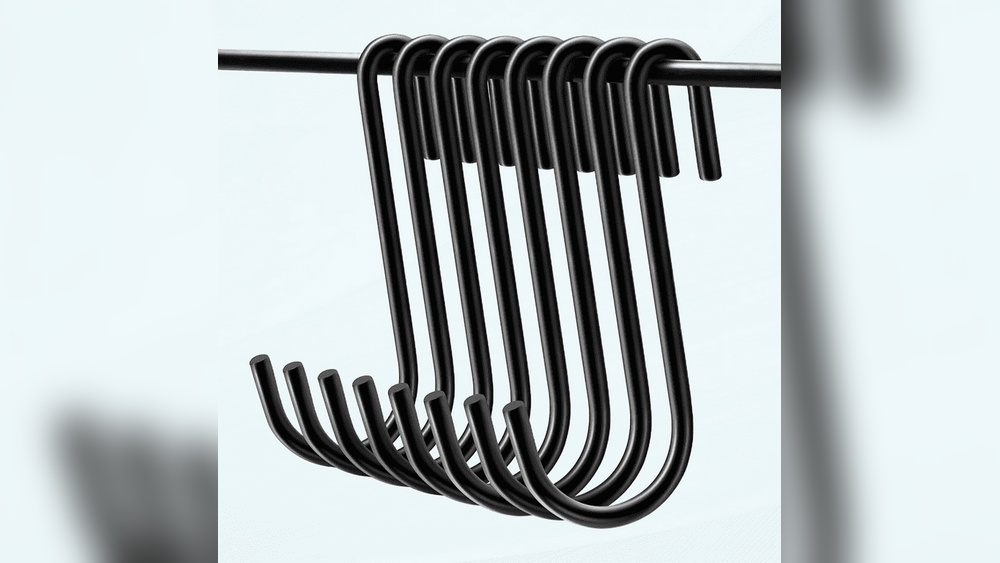
Are you looking for a simple way to add extra storage or hang decorations without drilling complicated holes? Installing S hooks to your ceiling or wall might be the perfect solution for you.
It’s quick, affordable, and doesn’t require special tools. Imagine turning unused space into a practical area for plants, kitchen utensils, or even lights—all by yourself. Keep reading, and you’ll discover easy step-by-step instructions to get the job done right. Your space will feel more organized and stylish in no time!
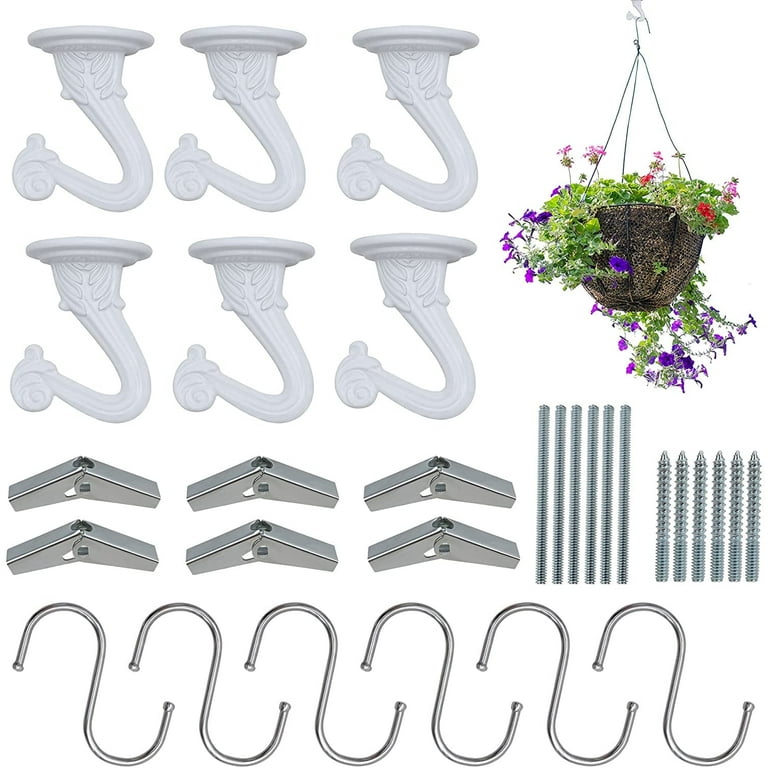
Tools And Materials Needed
Preparing the ceiling or wall is the first step to install S hooks safely. This ensures hooks hold well and support weight. Careful preparation prevents damage and keeps everything secure. Follow simple steps to prepare the surface properly before drilling or installing hooks.
Locating Studs And Beams
Find studs or beams in the ceiling or wall. These wooden supports hold the most weight. Use a stud finder tool to detect their exact location. Tap lightly on the surface to hear a solid sound. Mark these spots to know where to place hooks.
Measuring And Marking Hook Positions
Measure the distance between hooks carefully. Use a tape measure for accurate spacing. Mark each spot with a pencil on the ceiling or wall. Check marks twice to avoid mistakes. Proper spacing helps distribute weight evenly across the hooks.
Credit: www.walmart.com
Preparing The Ceiling Or Wall
Installing anchors is a key step for a strong hold. Anchors keep your S hooks steady on the ceiling or wall. They help support weight and prevent damage to the surface. Properly placed anchors ensure safety and durability. Follow the steps carefully to install anchors the right way.
Choosing The Correct Anchor Type
Pick anchors based on the ceiling or wall material. Drywall needs different anchors than wood or concrete. Plastic anchors work for light loads on drywall. Metal anchors hold better for heavy items. Use toggle bolts for hollow walls. Match the anchor size to the S hook and weight.
Drilling Pilot Holes
Mark the spot where you want the anchor. Use a drill bit smaller than the anchor size. Drill a straight hole to avoid cracks or damage. Clear dust from the hole before inserting the anchor. Proper pilot holes make the anchor fit tight and secure.
Inserting Anchors Properly
Push or tap the anchor gently into the hole. It should fit snugly without wobbling. For metal anchors, screw them until tight but avoid over-tightening. Plastic anchors may need a slight push with a hammer. Check that anchors sit flush with the surface for best hold.
Installing Anchors For Stability
Attaching S hooks securely to the ceiling or wall is essential for safety and durability. A loose hook can cause damage or injury. The right method depends on the weight of the items you want to hang and the surface material. This section explains two common ways to attach S hooks firmly and safely.
Screw-in Method
The screw-in method works well for light to medium loads. Start by choosing a screw hook that matches the hook size. Use a drill or screwdriver to make a small pilot hole in the ceiling or wall. This helps the screw go in smoothly and prevents cracking.
Turn the screw hook clockwise until it is tight. Make sure the hook is fully embedded in the surface. The hook should feel solid and not wiggle. This method works best for wooden surfaces or studs behind drywall. Avoid using it on weak surfaces like plaster without extra support.
Using Toggle Bolts For Heavy Loads
Toggle bolts provide strong support for heavy items. They work well in drywall or hollow ceilings where screw hooks alone are not strong enough. First, drill a hole that fits the toggle bolt size.
Insert the toggle bolt with its wings folded. Push it through the hole until the wings open inside the ceiling or wall. Pull the bolt gently to make sure the wings hold tight. Screw the hook or eye bolt onto the toggle bolt until secure.
This method spreads the load over a larger area. It reduces the risk of the hook pulling out. Toggle bolts are ideal for hanging heavy plants, lights, or tools.
Credit: www.amazon.com
Attaching S Hooks Securely
Testing and adjusting the placement of S hooks is important for safety and function. Proper testing ensures the hooks hold the weight securely. Adjusting placement helps avoid damage to the ceiling or wall. This section guides you through these steps for best results.
Weight Testing Tips
Begin by hanging a light object on each S hook. Check if the hook stays firmly in place. Increase the weight gradually to match the intended load. Watch for any signs of bending or slipping. Use a level to confirm hooks hang straight. Test all hooks one by one for consistent strength.
Adjusting Hook Position If Needed
If hooks shift or bend, reposition them slightly. Move hooks closer to ceiling joists or wall studs. Ensure hooks face the right direction for better support. Tighten any loose screws or anchors. Repeat weight testing after each adjustment. Small changes can improve stability greatly.
Testing And Adjusting Hook Placement
Maintaining S hooks installed on ceiling walls ensures safety and longevity. Regular care prevents accidents and keeps hooks strong. Simple steps help you avoid damage and wear. Stay proactive to protect your space and items.
Regular Inspection
Check S hooks often for signs of damage. Look for bends, cracks, or loose fittings. Tighten hooks if they feel unstable. Replace any hooks showing wear or weakening. Regular checks stop accidents before they happen.
Preventing Rust And Wear
Rust weakens metal and can cause hooks to fail. Keep hooks dry and clean to prevent rust. Use a soft cloth to wipe hooks regularly. Apply a light coat of oil for extra protection. Choose stainless steel hooks for humid areas.

Credit: shayganpharma.com
Frequently Asked Questions
How Do I Install S Hooks On A Ceiling Wall?
To install S hooks, locate a ceiling joist first. Drill a pilot hole and insert a screw hook. Then, hang the S hook securely onto the screw hook. Ensure the hook supports the weight of the item you plan to hang.
What Tools Are Needed To Install S Hooks?
You will need a drill with a drill bit, a screwdriver, and a pencil for marking. A stud finder helps locate ceiling joists. Optionally, use a ladder for safe access. These tools make installation easy and secure.
Can S Hooks Support Heavy Items On Ceilings?
Yes, S hooks can hold heavy items if properly installed into ceiling joists. Always check the hook’s weight rating. Use strong screw hooks and ensure the ceiling material is sturdy enough to bear the load.
Are S Hooks Safe For Hanging Plants Indoors?
S hooks are safe for hanging indoor plants when installed correctly. Secure the hooks into ceiling joists to prevent falling. Choose rust-resistant hooks for durability, especially in humid areas. This ensures your plants hang safely and attractively.
Conclusion
Installing S hooks on the ceiling wall is simple and useful. Follow the steps carefully to ensure they hold well. Choose the right hooks for the items you want to hang. Check that the ceiling can support the weight safely.
Use tools to make the job easier and safer. Soon, you will have extra space and neat storage. Enjoy a tidy room and easy access to your things. Small effort, big difference. Give it a try today!