Are you tired of wall anchors that just won’t hold? One simple mistake could be the size of the hole you drilled.
If the hole is too big, the anchor won’t grip properly. Too small, and you risk cracking the wall or breaking the anchor. Getting the right size hole is the key to a strong, secure hold every time. You’ll discover easy steps to drill the perfect hole for your wall anchor—no guesswork, no frustration.
Keep reading, and make your next project a success from start to finish.
Choosing The Right Wall Anchor
Choosing the right wall anchor is key for a strong, secure hold. The correct anchor fits the wall type and the object’s weight. Using the wrong anchor can cause damage or failure. Understanding the different anchors helps you pick the best one for your project.
Types Of Wall Anchors
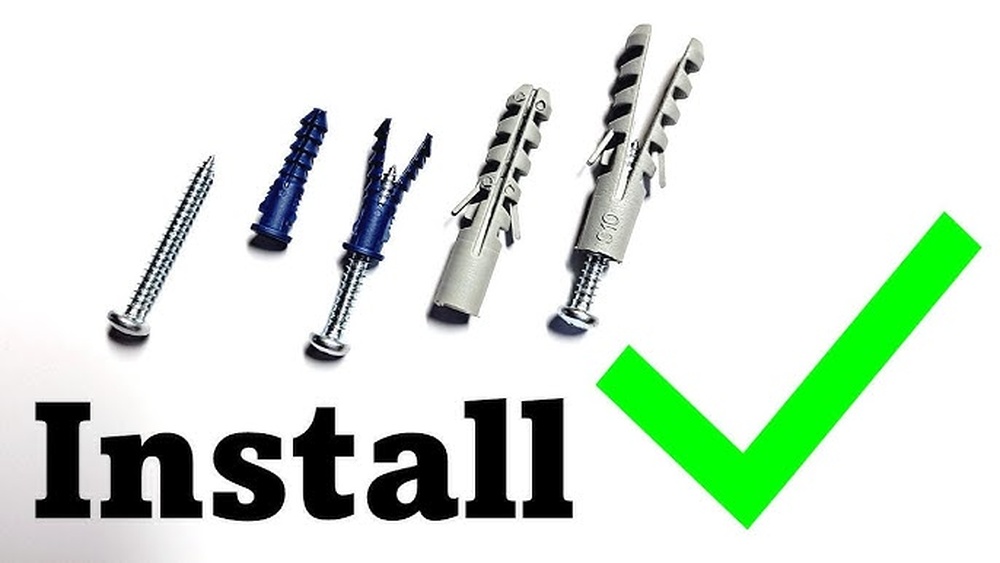
There are several common wall anchors. Plastic expansion anchors work well for light loads in drywall. Metal anchors provide stronger support and hold heavier items. Toggle bolts spread load inside hollow walls for extra strength. Molly bolts expand behind the wall for a firm grip. Each type suits different tasks and walls.
Matching Anchors To Wall Material
Wall material affects anchor choice. Drywall needs lightweight anchors like plastic or toggle bolts. Concrete or brick require heavy-duty anchors such as sleeve or wedge anchors. Wood studs hold screws directly without anchors. Always match the anchor to the wall for the best hold and safety.
Weight Capacity Considerations
Every anchor has a weight limit. Check the package or product details for this number. Choose an anchor that supports more than your item’s weight. Overloading anchors can cause holes to crack or items to fall. Safety and durability depend on choosing an anchor with the right capacity.

Credit: www.reddit.com
Selecting The Correct Drill Bit
Selecting the correct drill bit is key to installing wall anchors safely. The right bit size ensures the anchor fits well and holds strong. Choosing the wrong bit can cause loose anchors or damage to the wall. Understanding drill bit materials, sizes, and how to match them to anchor diameter helps achieve a perfect fit. Wall types also affect the drill bit choice. Learn how to pick the right bit for your project below.
Drill Bit Materials And Sizes
Drill bits come in many materials like steel, carbide, and diamond-tipped. Steel bits work well for soft walls like drywall. Carbide bits handle harder materials like concrete or brick. Sizes range from very small to large diameters. Always check the bit size marked on the shank. Use a bit that matches the anchor size for a snug hole.
Measuring Anchor Diameter
Measure the anchor’s diameter with a ruler or caliper. The drill bit should be the same size as the anchor’s body. Avoid bits that are too large. A big hole makes the anchor loose. A bit too small will not allow the anchor to fit. Accurate measurement ensures the anchor grips the wall tightly.
Adjusting For Different Wall Types
Wall types affect the drill bit choice and hole size. Drywall needs a bit size that fits the anchor exactly. Concrete or brick requires a slightly smaller bit for a tight grip. Soft materials may need a larger hole for easy anchor insertion. Match bit size to wall hardness for secure and stable anchors.
Preparing The Drill Spot
Preparing the drill spot is the first step to ensuring a secure and accurate hole for your wall anchor. Taking time here prevents mistakes that can weaken your installation. Follow these simple steps to get the best results and avoid damage to your wall.
Marking The Hole Location
Start by deciding exactly where you want the hole. Use a pencil to make a small, clear mark on the wall. Check the mark twice. Accuracy here saves time and effort later.
Using A Center Punch
A center punch makes a small dent on the mark. This dent guides the drill bit and stops it from slipping. Lightly tap the punch with a hammer to create the dent.
Ensuring Level And Alignment
Use a level tool to check your mark’s alignment. The hole should be straight and level, especially for shelves or fixtures. Adjust the mark if it looks off before drilling.
Drilling Techniques For Accuracy
Drilling a hole with the right size is key for a strong wall anchor. Accurate drilling helps the anchor fit well and hold weight safely. Using proper techniques makes the task easier and avoids mistakes. Focus on control, speed, and depth for the best results.
Drill Speed And Pressure
Keep the drill speed steady and moderate. Too fast can damage the wall or drill bit. Too slow wastes time and causes uneven holes. Apply firm but gentle pressure. Pressing too hard may crack the wall. Light pressure lets the drill bit cut smoothly.
Maintaining Drill Stability
Hold the drill firmly with both hands. Keep the drill straight and steady. Wobbly movement makes the hole bigger or uneven. Use a guide or level if needed. Stability ensures the hole matches the anchor size exactly.
Drilling Depth Control
Measure the anchor length before drilling. Mark the drill bit with tape at the right depth. Stop drilling once the mark reaches the wall surface. Drilling too deep weakens the anchor hold. Too shallow means the anchor won’t fit fully.
Testing And Inserting The Anchor
Testing and inserting the wall anchor is a key step for a strong hold. This step ensures the anchor fits well and stays secure in the wall. Proper testing prevents damage and makes sure the anchor supports weight safely.
Checking Hole Fit
First, check if the hole matches the anchor size. The anchor should slide in without too much force. If it’s too tight, the hole is too small. If it’s loose, the hole is too big. A good fit means the anchor will hold firmly.
Cleaning The Hole
Remove dust and debris from the hole. Use a small brush or blow air into it. Cleaning helps the anchor grip the wall better. Dust can cause the anchor to slip or not hold properly.
Proper Anchor Installation
Insert the anchor carefully into the hole. Tap gently with a hammer if needed. Avoid pushing too hard to prevent wall damage. The anchor should sit flush with the wall surface. This ensures a strong, stable fixing for your item.

Credit: simpleweld.com
Common Mistakes To Avoid
Drilling the right size hole for a wall anchor is important. Many people make simple mistakes that cause problems. These errors can weaken the hold or damage the wall. Avoid these common mistakes to get the best result every time.
Oversized Or Undersized Holes
Drilling a hole too big makes the anchor loose. It will not hold weight well. A hole too small makes inserting the anchor hard. It can break the anchor or wall. Always match the drill bit size to the anchor size. Measure carefully before drilling.
Ignoring Wall Material
Different walls need different drill bits. Concrete, drywall, and brick are not the same. Using the wrong bit can damage the wall. It can also make the hole too big or small. Check the wall type first. Choose the right drill bit for it.
Forgetting Safety Precautions
Drilling can be dangerous without safety steps. Wear safety glasses to protect your eyes. Clear the area to avoid accidents. Check for wires or pipes inside the wall. Use a stud finder or similar tool. Safety keeps the job smooth and damage-free.
Tools And Accessories For Best Results
Choosing the right tools and accessories makes drilling holes for wall anchors easier. Using proper equipment helps you create the perfect hole size. This ensures the wall anchor fits tightly and holds strong. The right tools also prevent damage to walls and increase safety.
Recommended Drill Types
Use a drill with adjustable speed settings. Cordless drills are great for easy handling and mobility. A hammer drill works best for masonry or concrete walls. Choose a drill that matches the wall material. Use drill bits designed for the right anchor size. Sharp bits create clean holes and reduce effort.
Additional Measuring Tools
A tape measure helps mark the exact spot to drill. Use a pencil or marker to make small, clear marks. A drill bit gauge measures the bit diameter before drilling. This tool avoids mistakes with hole size. A level ensures your marks are straight. Accurate measurements improve anchor fit and wall strength.
Safety Gear Essentials
Wear safety glasses to protect your eyes from dust and debris. Use ear protection if the drill noise is loud. Gloves protect your hands from sharp edges and vibrations. A dust mask keeps you safe from inhaling fine particles. Proper safety gear reduces risk and keeps you comfortable during work.

Credit: www.picturehangsolutions.com
Frequently Asked Questions
How Do I Choose The Right Drill Bit Size For Wall Anchors?
Select a drill bit matching the wall anchor’s diameter. Check the anchor packaging or measure it. Using the correct size ensures a secure fit and prevents wall damage.
What Happens If The Hole Is Too Big For The Anchor?
A hole that’s too large causes the anchor to loosen. This reduces holding strength and may lead to the anchor falling out. Always drill the right size hole for stability.
Can I Reuse Wall Anchors After Removing Screws?
Reusing wall anchors is not recommended. Removing screws can damage the anchor or hole. For a secure hold, use new anchors when reinstalling.
How Deep Should I Drill For A Wall Anchor?
Drill to the anchor’s full length plus a little extra. This ensures the anchor fits completely without resistance. Proper depth improves anchor stability.
Conclusion
Drilling the right size hole for a wall anchor is simple with these tips. Measure the anchor carefully before you start. Use the correct drill bit to match the anchor size. Drill slowly and keep the hole clean. This helps the anchor fit tightly and hold strong.
Taking these steps prevents damage and keeps your wall safe. Practice a little, and you will get better every time. Now, you can hang items with confidence and ease.