Are you tired of juggling cords and power strips because your room lacks enough outlets? Adding an outlet to an existing light switch might be the simple solution you need.
Imagine plugging in your devices exactly where you want, without the clutter or hassle. In this guide, you’ll discover easy, step-by-step instructions that anyone can follow—even if you’re not an expert. Keep reading to unlock a practical skill that will make your space more convenient and save you money on electricians.
Your home deserves this small upgrade!
Credit: www.reddit.com
Tools And Materials Needed
Adding an outlet to an existing light switch needs specific tools and materials. Having the right items makes the job safer and easier. This section lists everything required before starting the work.
Essential Tools
You need a few basic tools to complete the installation. A screwdriver helps to remove switch covers and secure outlets. Wire strippers prepare wires for connection. A voltage tester checks if wires carry current. A drill may be needed to make new holes. Pliers help to bend and hold wires. Electrical tape secures wire connections.
Materials Required
Choose the correct outlet type for your project. A standard duplex outlet works in most cases. Electrical wire is necessary to connect the outlet to the switch. Use wire that matches the existing wiring size. Wire connectors safely join wires together. An electrical box holds the new outlet and fits inside the wall.
Safety Equipment
Safety gear protects you during installation. Wear insulated gloves to avoid shocks. Use safety glasses to protect your eyes. Turn off power from the circuit breaker before starting. Double-check with a voltage tester to confirm power is off.
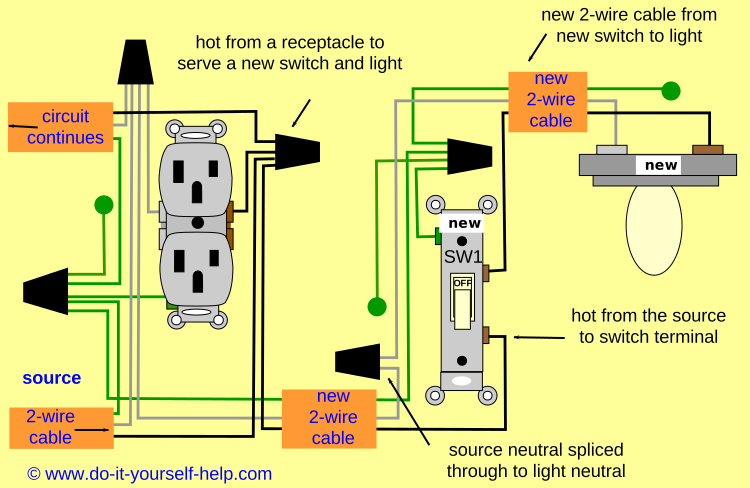
Credit: www.do-it-yourself-help.com
Safety First
Safety must be the top priority before starting any electrical work. Working with electricity can be dangerous without proper care. Taking the right safety steps prevents accidents and injuries.
Always turn off the power at the circuit breaker. This stops electricity from flowing to the switch and outlet. Use a voltage tester to confirm the power is off before touching any wires.
Wear Protective Gear
Wear rubber-soled shoes and insulated gloves to reduce electric shock risk. Safety glasses protect your eyes from sparks or debris. Use tools with insulated handles designed for electrical work.
Understand Your Wiring
Know the wiring colors and what they mean. Black or red wires carry current; white wires are neutral. Ground wires are green or bare copper. Correct identification helps avoid wiring mistakes.
Use Proper Tools
Use a voltage tester, wire stripper, and screwdriver made for electrical tasks. Avoid using damaged or worn tools. Proper tools help you work safely and efficiently.
Follow Local Electrical Codes
Check local rules before adding an outlet. Codes ensure safe and reliable electrical installations. Meeting these standards protects your home and family.
Locate The Existing Switch Box
Start by turning off the power to the switch at the breaker box. Then, remove the switch cover and locate the existing switch box inside the wall. This box holds the wires needed for adding a new outlet.
Understanding The Location Of Your Switch Box
Finding the existing switch box is the first step to adding an outlet. The switch box holds the light switch that controls the current fixture. It is usually mounted on the wall near the door or entrance of a room. Look for a small rectangular or square cover plate on the wall. This cover hides the switch box and wiring inside.
Most switch boxes sit about 48 inches above the floor. This height makes the switch easy to reach. The box is often attached to a wall stud behind the drywall. Identifying this box helps you know where to connect the new outlet.
Turning Off Power Safely
Before opening the switch box, turn off power at the circuit breaker. This step prevents electric shock and injury. Test the switch to ensure no power flows through it. Use a voltage tester or a simple device like a lamp. Safety first. Always double-check before touching wires.
Removing The Switch Plate
Unscrew the switch plate cover carefully. Use a screwdriver that fits the screws properly. Place screws somewhere safe to avoid losing them. Gently pull the plate away from the wall. This reveals the switch box and wiring inside. Take care not to damage the drywall or wires.
Inspecting The Switch Box Contents
Look inside the box to see how wires connect to the switch. You may find black, white, and bare copper wires. Black wires carry power. White wires are neutral. Bare copper or green wires ground the circuit. Take note of how wires are arranged. This helps when adding the outlet wiring later.
Turn Off Power
Turning off the power is the first and most important step before working on any electrical project. It keeps you safe from electric shocks and prevents damage to your home’s wiring. Never skip this step, even if you think the switch is off.
Always treat wires as if they are live. Double-check to be sure the power is completely off before touching anything.
Locate The Circuit Breaker
Find your home’s electrical panel. It is usually in the basement, garage, or utility room. Look for the breaker labeled for the room or area where you will work.
Switch Off The Correct Breaker
Flip the breaker switch to the off position. This stops electricity from flowing to the switch and outlet. Make sure the correct breaker is off to avoid surprises.
Use A Voltage Tester
Test the wires at the light switch with a voltage tester. This tool shows if electricity is still present. No light or beep means power is off and safe to work on.
Remove The Switch Cover And Switch
Removing the switch cover and switch is the first step to add an outlet.
This step lets you access the wiring behind the switch.
Handle this part carefully to avoid electrical shocks.
Turn Off The Power
Switch off the power at the circuit breaker. Test the switch to ensure no electricity flows. Safety first.
Unscrew The Switch Cover Plate
Use a screwdriver to remove screws holding the cover plate. Keep the screws safe for later.
Remove The Switch From The Wall Box
Unscrew the switch from the electrical box. Pull it gently to expose the wires behind.
Inspect The Wiring
Look at how wires connect to the switch. Note their positions or take a photo for reference.
Identify Wiring Setup
Before adding an outlet to an existing light switch, identify the wiring setup. This step helps ensure safety and proper function. Understanding how the wires connect makes the project easier.
Wiring setups can vary. Some switches control power to the light only. Others may have constant power available. Knowing this difference guides the installation process.
Turn Off Power And Remove Switch Cover
First, turn off the power at the circuit breaker. This stops electricity flow and prevents shock. Next, remove the switch cover with a screwdriver. This exposes the wiring inside the box.
Inspect The Wires Inside The Switch Box
Look for black, white, and ground wires. Black wires carry power. White wires are neutral. Green or bare wires are ground. Check how these wires connect to the switch terminals.
Identify Line And Load Wires
The line wire brings power from the breaker. The load wire goes to the light fixture. Use a voltage tester to find the live wire. Mark the line and load wires for reference.
Check For Neutral Wire Availability
Some older switch boxes lack a neutral wire. Neutral is needed to add an outlet. If no neutral wire is present, consider other wiring options or consult an electrician.
Choose The Right Outlet
Choosing the right outlet is an important step when adding an outlet to a light switch. The outlet must fit the space and meet your needs. Picking the correct type helps keep your home safe and functional.
Different outlets serve different purposes. Some outlets have special features for safety or convenience. Understanding these options makes the process easier and clearer.
Standard Vs. Gfci Outlets
Standard outlets work for most rooms without extra moisture. GFCI outlets protect against electric shock. Use GFCI outlets in kitchens, bathrooms, or outside areas. They have a test and reset button for safety.
Choosing Outlet Amperage
Outlets come in different amperages, usually 15 or 20 amps. Match the outlet amperage to the circuit breaker. Using the wrong amperage can cause problems or hazards.
Single Vs. Duplex Outlets
Single outlets have one plug slot. Duplex outlets have two slots for two plugs. Duplex outlets are more common and useful for everyday needs.
Consider Outlet Style And Color
Outlets come in various styles and colors. Choose one that matches your room’s decor. This small detail improves the look of your space.
Specialty Outlets For Extra Features
Some outlets include USB ports or smart technology. These offer extra convenience for charging devices. Decide if these features are helpful for your needs.
Install An Outlet Box
Start by turning off the power to the switch. Then, cut a hole and install the outlet box near the switch. Connect the wires carefully to add the new outlet.
Choose The Right Outlet Box
Select a box that fits the wall type and space available. Use a plastic box for drywall or a metal box for masonry walls. The box should be deep enough to hold wires and the outlet safely.
Turn Off The Power
Switch off the circuit breaker linked to the light switch. Use a voltage tester to confirm the power is off. Safety first. Avoid electric shock.
Mark The Outlet Location
Pick a spot near the light switch. Use a pencil to mark the wall where the box will go. Make sure it is level and at a convenient height.
Cut The Wall Opening
Use a drywall saw or utility knife to cut along the marked lines. Cut carefully to avoid damage behind the wall. Remove the drywall piece cleanly.
Install The Outlet Box
Insert the box into the opening. Secure it with the built-in clamps or screws. Check that it sits flush with the wall surface. The box should not move.
Run Electrical Cable
Running electrical cable is a key step when adding an outlet to a light switch. It connects power from the switch box to the new outlet. Proper cable installation ensures safety and functionality. Take care to follow all electrical codes and guidelines.
Plan the cable route before starting. Avoid sharp bends and keep the cable away from heat sources. Use the right cable type for your home wiring.
Choose The Right Cable
Select a cable that matches your home’s wiring system. Usually, a 14/2 or 12/2 NM cable works well. The cable has two insulated wires and one ground wire.
Switch off the breaker for the circuit you will work on. Use a voltage tester to confirm no power is present. Safety first.
Measure And Cut Cable
Measure the distance from the switch box to the outlet location. Add extra length for connections and slack. Cut the cable with wire cutters.
Run Cable Through Walls
Feed the cable through wall studs or drilling holes if needed. Use fish tape to pull the cable through tight spots. Avoid damaging the cable jacket.
Secure Cable Properly
Staple the cable to framing every 4-6 feet. Keep staples loose enough to avoid crushing the cable. Proper securing prevents movement and wear.
Wire The Outlet And Switch
Wiring the outlet and switch is a key step in this project. It connects power safely and allows the outlet to work alongside the switch. Follow the steps carefully to avoid mistakes.
Turn Off Power And Prepare Wires
Start by switching off power at the circuit breaker. Use a tester to confirm no electricity flows. Strip the insulation from the wire ends. Leave about half an inch of bare wire.
Connect The Outlet Wires
Attach the black (hot) wire to the brass terminal on the outlet. Connect the white (neutral) wire to the silver terminal. Secure the green or bare copper wire to the ground screw. Tighten all screws firmly.
Wire The Switch
Connect the black wire to the switch’s common terminal. Attach the other black wire to the switch’s traveler terminal. Connect the ground wire to the switch’s ground screw. Ensure all connections are tight and secure.
Check And Secure Wiring
Double-check all wire connections for tightness. Push wires neatly into the electrical box. Avoid pinching or bending wires sharply. Attach the outlet and switch to the box with screws.
Secure The Outlet And Switch
Securing the outlet and switch is an important step in your electrical project. Proper attachment ensures safety and lasting performance. Loose connections can cause sparks or shorts. This part guarantees everything stays in place and works well.
Attach The Outlet To The Electrical Box
Place the outlet inside the electrical box carefully. Align the screw holes on the outlet with those on the box. Use a screwdriver to tighten the screws. Do not overtighten to avoid cracking the outlet. Make sure the outlet sits flush and steady.
Secure The Switch In Place
Insert the switch into its electrical box. Hold it firmly while you tighten the mounting screws. The switch should not wiggle or move. Check that the toggle moves freely without resistance. A steady switch means safer use and better function.
Install The Cover Plate
Put the cover plate over the outlet and switch. Align the holes with the mounting screws. Screw the plate in gently. The cover protects wires and gives a clean look. Avoid cracking the plate by tightening screws evenly.

Credit: www.youtube.com
Restore Power And Test
Restoring power and testing are the final steps after adding an outlet to a light switch. These steps ensure your work is safe and functional. Take your time to check everything carefully.
Turn On The Circuit Breaker
Locate the circuit breaker panel in your home. Flip the switch back to the ON position for the circuit you worked on. This will restore power to the outlet and switch. Be sure to stand clear as you do this.
Test The Outlet With A Voltage Tester
Use a voltage tester to check if the outlet has power. Insert the tester probes into the outlet slots. If it lights up or beeps, power is flowing correctly. No signal means a wiring issue needs fixing.
Check The Light Switch Operation
Turn the light switch on and off several times. Confirm the light connected to the switch works properly. If the light flickers or does not turn on, double-check your wiring connections.
Plug In A Device To Confirm Outlet Function
Plug a small device like a lamp or phone charger into the outlet. Make sure it powers on without issues. This final test confirms the outlet is ready for regular use.
Troubleshooting Common Issues
Adding an outlet to an existing light switch can seem simple. But some common problems may stop the outlet from working properly. Knowing how to fix these issues helps save time and effort. This section covers typical troubleshooting tips for common problems during installation.
Check The Power Supply
First, confirm the power is off before starting any work. Use a voltage tester to check the wires. If the outlet does not get power, the breaker might be off. Reset the breaker and test the outlet again. Sometimes, the wiring may not connect to the power source correctly.
Verify Wiring Connections
Loose or wrong wiring causes many problems. Make sure all wires are connected tightly. Confirm the hot, neutral, and ground wires go to the right terminals. Crossed wires can stop the outlet from working or cause shocks. Follow your wiring diagram carefully.
Test The Outlet For Faults
Use an outlet tester to check for wiring errors. The tester shows if wires are reversed or missing. Replace the outlet if it is damaged or old. Faulty outlets often cause flickering or no power. A new outlet ensures safe and reliable use.
Inspect The Switch Functionality
The switch might control the outlet incorrectly. Test the switch by turning it on and off. If the outlet only works when the switch is on, this is normal for switched outlets. For constant power, adjust wiring to bypass the switch. Replace a faulty switch if needed.
Look For Tripped Gfci Or Afci Breakers
GFCI or AFCI breakers protect your home from electrical faults. These breakers may trip during installation. Reset any tripped breakers in your panel. Test the outlet again to see if power returns. If breakers trip often, call a professional.
When To Call A Professional
Adding an outlet to an existing light switch can be a simple task for some. Yet, certain situations need a professional’s help. Safety is the top priority when working with electricity. Knowing when to call a professional can save time, money, and avoid accidents.
Complex Wiring Or Old Electrical Systems
Older homes may have outdated wiring. Complex wiring can confuse even experienced DIYers. A professional understands these systems and can work safely. Mistakes with old wiring can cause shorts or fires.
Missing Or Damaged Electrical Boxes
Electrical boxes hold outlets and switches securely. If a box is missing or damaged, a professional should handle repairs. They ensure the box meets safety codes and holds the outlet firmly.
No Electrical Knowledge Or Experience
Electricity is dangerous without proper knowledge. Professionals have training to work safely with electrical circuits. Avoid risks by calling an expert if unsure about the work.
Local Building Codes And Permits
Some areas require permits for electrical work. Professionals know local codes and help get permits. This keeps your home safe and legal. DIY work without permits can cause problems later.
Power Outages Or Tripped Breakers
Unexpected power loss after installation indicates an issue. A professional can diagnose and fix these problems quickly. They prevent damage to your electrical system and appliances.
Frequently Asked Questions
How Do I Safely Add An Outlet To A Light Switch?
Turn off the power at the circuit breaker before starting. Use a voltage tester to confirm no power is present. Follow electrical codes and use proper wiring techniques. If unsure, consult a licensed electrician to ensure safety and compliance.
What Tools Are Needed To Install An Outlet By A Switch?
You need a voltage tester, wire stripper, screwdriver, outlet box, electrical wire, and a new outlet. A drill may be required for mounting. Using the right tools ensures a safe and efficient installation process.
Can I Use Existing Switch Wiring For A New Outlet?
Yes, if the circuit can handle the additional load. Use the correct gauge wire and connect to the switch’s power source. Ensure the circuit breaker is rated appropriately for the combined devices on the circuit.
How Do I Connect The Outlet To The Switch Wiring?
Identify the hot, neutral, and ground wires in the switch box. Connect the outlet’s hot wire to the switch’s power line. Attach neutral and ground wires to their respective terminals. Secure all connections and install the outlet properly.
Conclusion
Adding an outlet to a light switch can make your space more useful. It saves you from running long extension cords. You only need basic tools and a little patience. Always turn off the power before starting any work. Follow safety steps carefully to avoid accidents.
This small project can be done in one afternoon. It helps you get power where you need it most. Try this simple upgrade to improve your home’s convenience and function.


