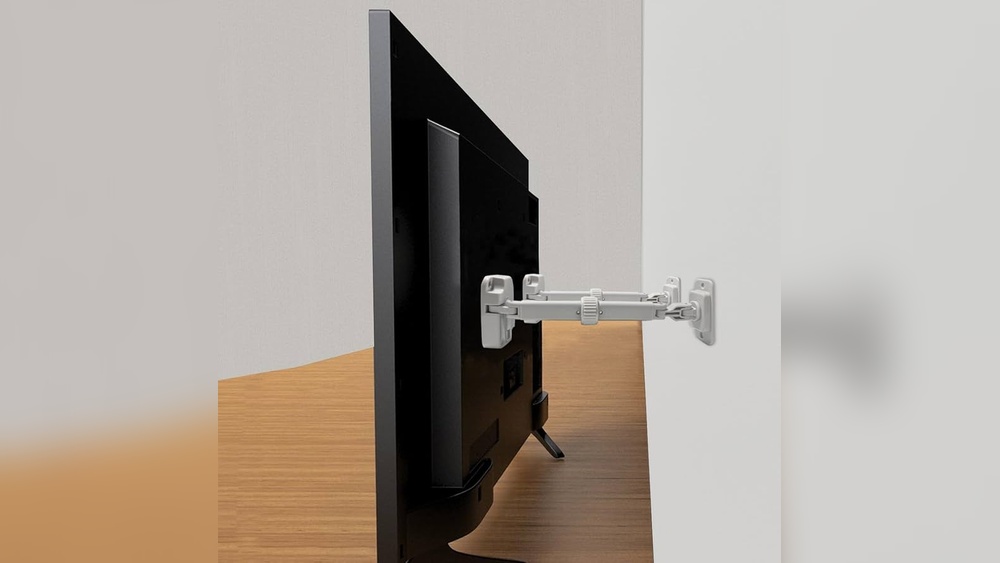
Are you worried your closet might tip over and cause damage or injury? Anchoring your closet to the wall is the simple step that can make a huge difference in safety and stability.
Whether you have kids, pets, or just want peace of mind, securing your closet properly protects your home and everything inside. In this guide, you’ll discover easy, clear steps to anchor your closet firmly to the wall—no special skills needed.
Keep reading to learn how to make your space safer and more secure right now.
Choosing The Right Closet
Choosing the right closet is the first step to a safe and organized space. The right closet fits your needs and the room layout. It also makes anchoring easier and more secure.
Consider the size, style, and how much stuff you want to store. A well-chosen closet will last longer and stay stable after anchoring.
Types Of Closets
Closets come in many styles. Freestanding closets are movable and easy to place. Built-in closets fit into your wall space and feel permanent.
Walk-in closets offer lots of storage but need more space. Wardrobes are smaller and good for tight rooms. Choose a type that suits your room size and use.
Materials And Weight Considerations
Closets are made from wood, metal, or plastic. Wood closets are strong but heavy. Metal closets are durable and often lighter.
Plastic closets are light but less sturdy. Think about the closet’s weight before anchoring. Heavier closets need stronger wall anchors for safety.

Credit: www.amazon.com
Tools And Materials Needed
Anchoring a closet to the wall is important for safety and stability. The right tools and materials make the job easier. Prepare everything before you start. This saves time and avoids frustration.
Essential Tools
You need a drill to make holes in the wall. A screwdriver helps tighten screws securely. Use a stud finder to locate wall studs. A level keeps the closet straight. A tape measure ensures accurate placement. Pencil marks help guide your work. Safety glasses protect your eyes from dust.
Anchoring Hardware Options
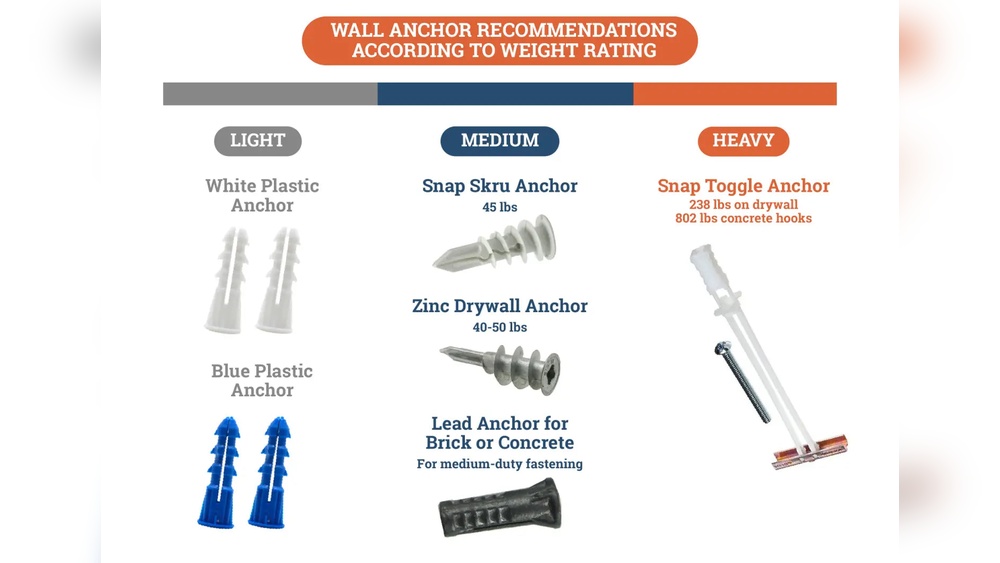
Choose anchors based on your wall type. For drywall, use toggle bolts or molly bolts. These hold weight well in hollow walls. For concrete or brick walls, use masonry anchors. Wood screws work best if you find a stud. Pick the right size for strong support. Match anchors to the closet’s weight and size.
Locating Wall Studs
Locating wall studs is the first step to anchor closets safely. Studs provide strong support for heavy closet frames and prevent damage. Finding the exact spot of studs helps secure the closet firmly to the wall. This section shows easy ways to find wall studs for your project.
Using A Stud Finder
A stud finder is a small tool designed to detect wood or metal behind walls. Turn it on and slowly move it across the wall surface. The device beeps or lights up when it finds a stud. Mark the spot with a pencil for accurate placement. Stud finders work best on drywall and make finding studs quick and simple.
Choose a good quality stud finder for better accuracy. Some models detect wiring and pipes too, which adds safety. Use the tool on different parts of the wall to confirm stud locations. This reduces mistakes and ensures secure closet anchoring.
Alternative Methods
No stud finder? No problem. Use common wall clues to find studs. Look for electrical outlets or light switches. Studs usually sit next to these fixtures.
Tapping on the wall helps. A hollow sound means no stud, a solid sound indicates one. Use a small nail or drill bit to test. Insert it gently to check if you hit wood. Measure 16 or 24 inches from a corner. Studs often follow this spacing pattern.
These methods take patience but work well. Combine them for best results. Mark stud spots clearly before anchoring your closet.

Credit: mplshouse.wordpress.com
Preparing The Closet And Wall
Preparing the closet and wall is an important step before anchoring. This step ensures the closet stays secure and safe. Taking time to prepare helps avoid damage to your wall or closet. It also makes the anchoring process easier and faster.
Clearing The Area
Start by moving the closet away from the wall. Remove all items inside and around the closet. Clear the floor space to work comfortably. Make sure no furniture blocks your access to the wall. This prevents accidents and gives you enough room to work.
Marking Anchor Points
Use a pencil to mark where you will place the anchors. Look inside the closet for sturdy parts to attach to the wall. Find wall studs with a stud finder for strong support. Mark the spots on the wall that line up with the closet studs. Double-check measurements to keep the closet straight and balanced.
Anchoring The Closet
Anchoring a closet to the wall keeps it stable and safe. It prevents the closet from tipping over. This step is important for homes with children or pets. A properly anchored closet holds heavy clothes and items without moving.
Follow clear steps to anchor your closet firmly. Use the right tools and materials for a strong hold. Take your time drilling and installing anchors for best results.
Drilling Pilot Holes
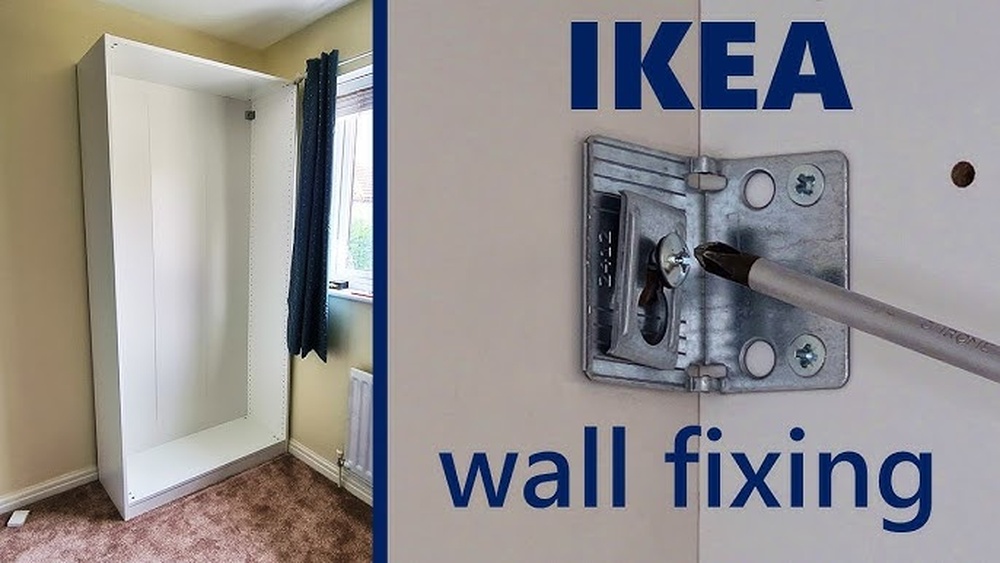
Start by marking the spots on the wall. Match these marks with the closet’s mounting brackets. Use a pencil for clear, visible marks. Select a drill bit smaller than your anchor size. Drill slowly and carefully to avoid wall damage. Keep the drill straight for clean holes.
Installing Anchors And Screws
Insert wall anchors into the drilled holes. Tap gently with a hammer until flush with the wall. Choose anchors suitable for your wall type—drywall or masonry. Align the closet bracket holes with the anchors. Use screws that fit the anchors tightly. Tighten screws securely but avoid over-tightening. Check if the closet feels firmly attached to the wall.
Securing And Testing Stability
Securing your closet to the wall is key for safety and durability. This step makes sure the closet stays in place and does not tip over. Testing stability after installation helps prevent accidents and damage.
Focus on making the fasteners tight and double-checking the whole setup. This process gives you confidence that your closet is safe to use and stable.
Tightening Fasteners
Start by tightening all screws and bolts firmly. Use a screwdriver or drill to ensure they are snug. Avoid over-tightening to prevent damaging the wall or hardware.
Check each fastener twice. Loose screws can cause the closet to wobble or fall.
Safety Checks
After tightening, gently shake the closet side to side. It should not move or feel loose. If it does, find the weak points and tighten again.
Look for gaps between the closet and wall. These gaps can reduce stability. Press the closet against the wall to close any spaces.
Test weight support by placing a few items inside. Make sure the closet does not shift or lean under load.
Troubleshooting Common Issues
Troubleshooting common issues during closet anchoring saves time and effort. Problems often arise from loose anchors or wall material challenges. These issues make the closet unstable and unsafe. Understanding how to fix them helps secure your closet firmly.
Loose Anchors
Loose anchors cause the closet to wobble or pull away from the wall. This happens when the anchor is too small or not inserted deeply enough. Use a larger anchor or longer screws for a tighter hold. Make sure the anchor fits the wall type. Tighten screws slowly to avoid stripping the anchor.
Wall Material Challenges
Different walls need different anchors. Drywall may need toggle bolts or molly bolts for extra support. Concrete or brick walls require masonry anchors and a hammer drill. Wood walls allow direct screwing without anchors. Identify your wall material before choosing anchors. Using the wrong type weakens the hold and risks damage.

Credit: diy.stackexchange.com
Frequently Asked Questions
How Do I Securely Anchor Closets To Walls?
To anchor closets securely, locate wall studs using a stud finder. Use long screws through the closet back into studs for strong support. Avoid drywall anchors as they may fail under weight. This method ensures stability and prevents tipping hazards effectively.
What Tools Are Needed To Anchor Closets To Walls?
Essential tools include a stud finder, drill, level, screwdriver, and long wood screws. A measuring tape and pencil help mark stud positions. These tools ensure precise installation and a safe, stable closet anchoring to the wall.
Can I Anchor Closets On Drywall Only?
Anchoring closets on drywall alone is not recommended. Drywall lacks strength to hold heavy loads safely. Always anchor into wall studs for maximum support. Use drywall anchors only for lightweight items, not large closets, to avoid accidents or damage.
How High Should I Anchor A Closet To The Wall?
Anchor closets near the top back panel, about 6 to 12 inches from the top edge. This height provides optimal leverage and stability. Securing multiple points along the closet back enhances safety and prevents tipping risks effectively.
Conclusion
Anchoring closets to the wall keeps them safe and steady. It stops tipping and protects your family and belongings. Use the right tools and follow steps carefully. Check the wall type before you start. Secure closets add peace of mind in any home.
Small effort, big safety. Now, your closet stands firm and strong every day.