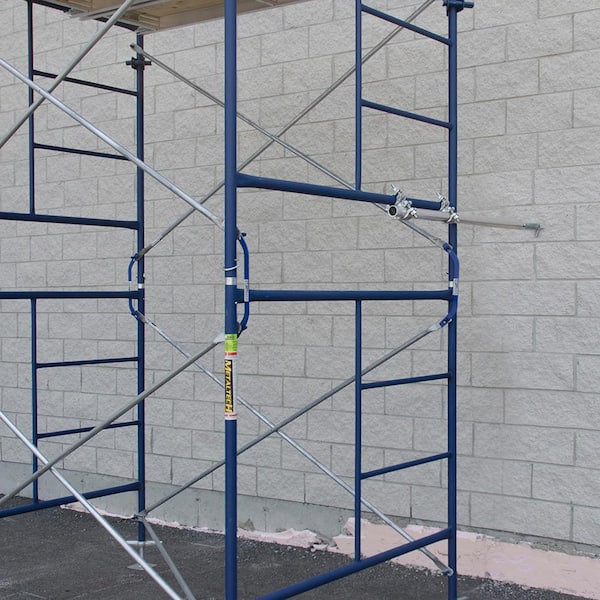
If you’re setting up scaffolding against a brick wall, securing it properly is crucial for your safety and the stability of your project. Knowing how to anchor scaffolding to a brick wall can save you from costly mistakes and dangerous accidents.
In this guide, you’ll discover simple, clear steps to make sure your scaffolding stays firmly in place. Whether you’re a DIY enthusiast or a professional, understanding this process will give you confidence and peace of mind every time you work at height.
Keep reading to learn exactly what you need to do to anchor your scaffolding safely and effectively.
Choosing The Right Anchors
Choosing the right anchors is key to secure scaffolding on a brick wall. The anchor must hold strong to ensure safety. Picking the wrong type can cause accidents or damage. Understanding different anchors helps you make the best choice. Let’s explore the types of anchors and factors to consider.
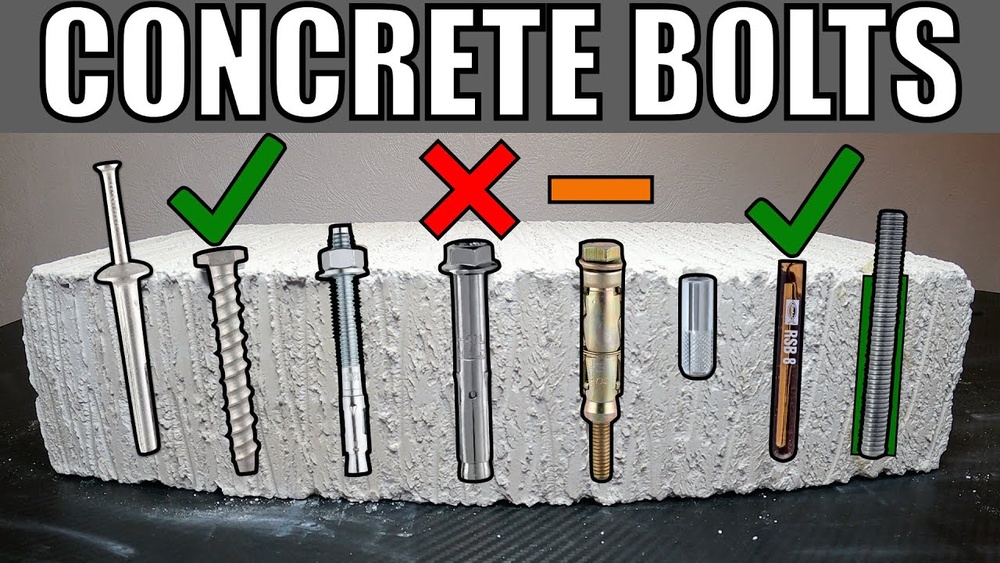
Types Of Anchors For Brick Walls
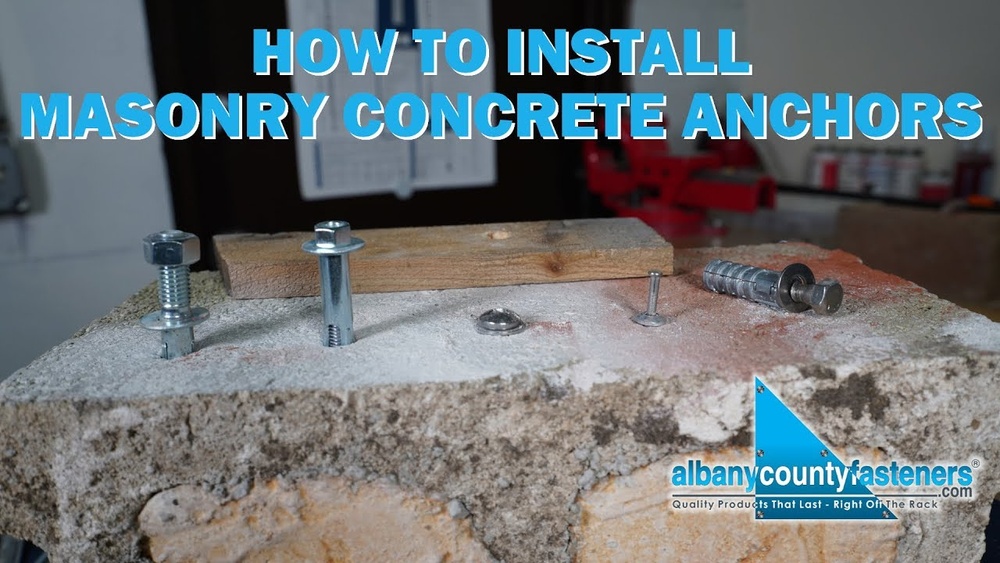
Expansion anchors fit tightly in drilled holes. They expand inside the brick for a strong grip.
Sleeve anchors work well in solid bricks. They use a sleeve that widens to hold firmly.
Through bolts pass all the way through the wall. They use a nut on the other side to hold tight.
Epoxy anchors use glue to fix bolts into holes. They provide extra strength for heavy loads.
Each anchor suits different wall types and load needs.
Factors Affecting Anchor Selection
Brick type matters. Solid bricks hold anchors better than hollow ones.
Wall thickness affects the length of the anchor needed.
Load weight is crucial. Heavier scaffolding needs stronger anchors.
Weather conditions impact anchor durability over time.
Ease of installation may guide your choice too.
Consider these factors to pick anchors that keep scaffolding safe and steady.
Credit: www.homedepot.com
Preparing The Brick Wall
Preparing the brick wall is a key step before anchoring scaffolding. A solid wall ensures safety and stability. This preparation helps the scaffolding stay secure during work. Proper checks and cleaning make a big difference in the anchoring process.
Inspecting Wall Condition
Start by checking the brick wall for cracks or damage. Look for loose or missing bricks that might weaken support. Pay attention to mortar joints; they should be firm and intact. Avoid anchoring on walls with significant wear or decay. A strong wall holds the scaffolding safely in place.
Cleaning The Surface
Remove dirt, dust, and debris from the wall surface. Use a stiff brush to clear away loose particles. Clean walls allow anchors to grip better and hold tight. Avoid using water on old or fragile bricks to prevent damage. Clean surfaces improve the strength of the scaffolding anchor.
Measuring And Marking Anchor Points
Measuring and marking anchor points is a key step in securing scaffolding to a brick wall. Accurate measurements ensure the scaffolding stays stable and safe. Poorly marked points can cause weak spots and risks during work.
This process begins with careful planning. You need to know where each anchor will go before drilling or fixing. Taking your time here saves effort later and improves overall safety.
Determining Anchor Spacing
Anchor spacing depends on the scaffold type and wall strength. Check scaffolding guidelines for recommended distances. Usually, anchors go every 6 to 10 feet horizontally.
Vertically, spacing can vary between 4 and 8 feet. Keep spacing consistent for even load distribution. Avoid placing anchors too close or too far apart.
Consider brick condition too. Old or damaged bricks need wider spacing or different anchor methods. Always inspect the wall before measuring.
Marking Accurate Locations
Use a tape measure and level to mark points clearly. Start from a fixed reference point like the ground or building corner.
Mark each anchor spot with a pencil or chalk. Double-check measurements before drilling. Small errors can cause scaffolding misalignment.
Mark points at eye level for easy access. Use a laser level if available for precision. Clear, visible marks help workers install anchors quickly and safely.
Drilling Into Brick Walls
Drilling into brick walls is a crucial step in anchoring scaffolding safely and securely. It requires care and the right tools to avoid cracks or damage. Proper drilling ensures strong support for the scaffolding structure. Mistakes can weaken the wall or cause injury. Understanding the best drill and techniques helps create stable and safe anchors.
Choosing The Right Drill And Bits
Use a hammer drill for brick walls. It combines rotation and hammering for easier drilling. Regular drills may struggle or overheat. Select masonry drill bits with carbide tips. These bits are tough and designed for brick and mortar. Match the bit size to the anchor you will use. Too large or small bits reduce anchor strength.
Drilling Techniques To Avoid Damage
Mark the drilling spot clearly before starting. Drill slowly at first to make a guide hole. Increase speed only after the bit penetrates the surface. Avoid pushing hard on the drill. Let the tool do the work. Clear dust from the hole often with a brush or air blower. This prevents bit jamming and keeps the hole clean. Stop drilling when you reach the desired depth.
Installing Scaffold Anchors
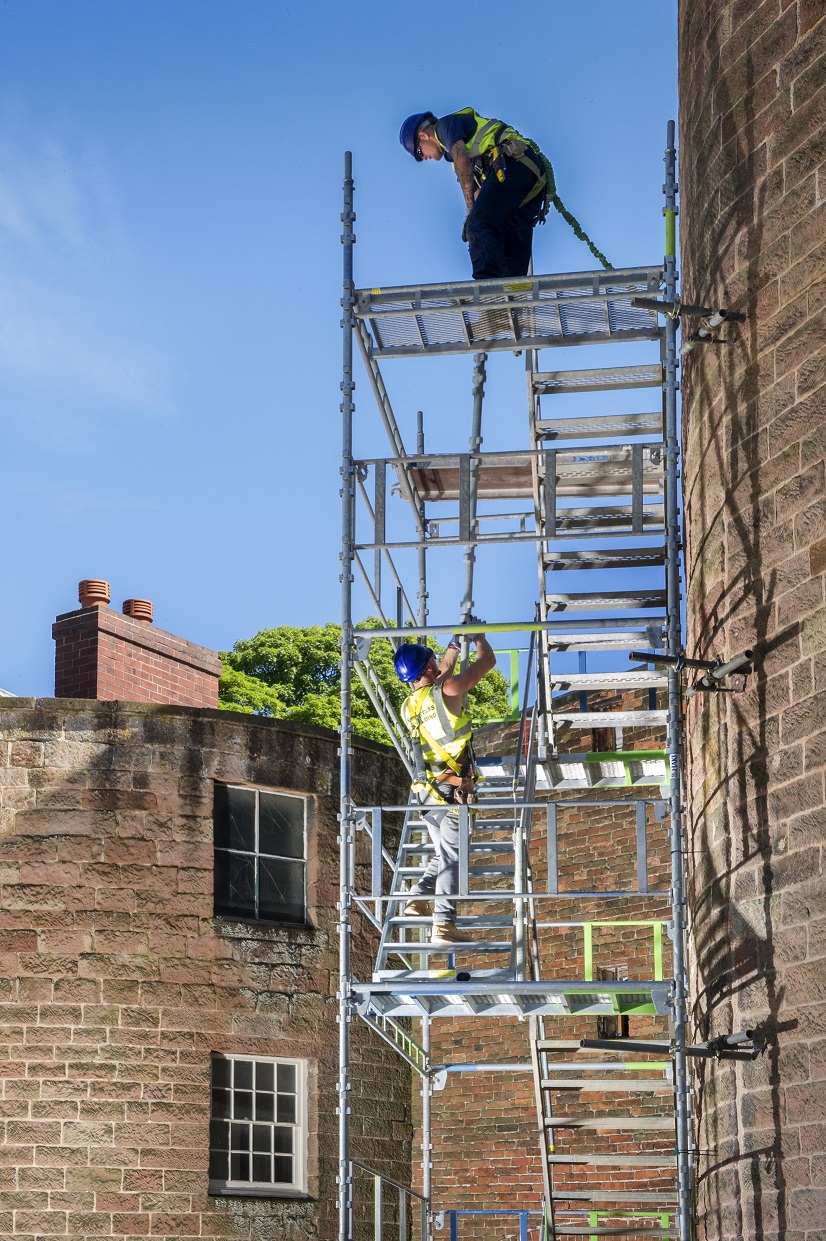
Installing scaffold anchors is a key step in securing scaffolding to a brick wall. Proper installation ensures the structure stays stable and safe during work. Each anchor must be placed with care and precision. This process involves selecting the right spot on the wall, drilling holes, and fixing the anchors tightly. Safety depends on how well these anchors hold the scaffolding in place.
Securing Anchors Firmly
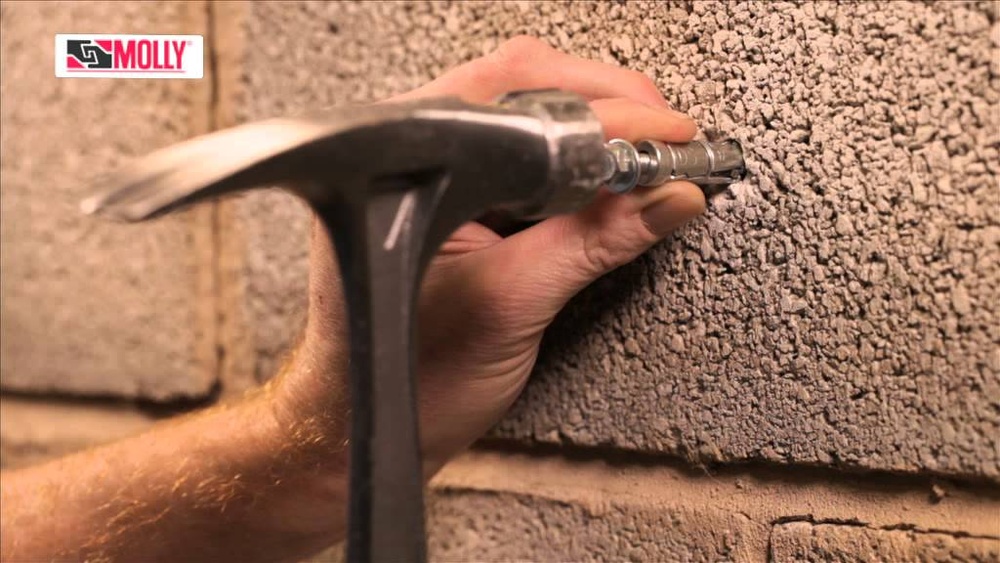
Start by marking the exact spots for anchors on the brick wall. Use a level to keep marks straight. Drill holes using a hammer drill with the right bit size for the anchors. Insert anchors fully into the holes. Tighten each anchor with a wrench. Check for any movement by gently pulling the scaffold. Firm anchors prevent wobbling and keep the structure steady.
Using Proper Tools And Hardware
Choose hardware designed for brick walls. Expansion anchors and sleeve anchors work well. Use a hammer drill for clean, precise holes. A wrench or socket set helps tighten the anchors securely. Avoid using weak or rusty hardware. Strong tools and good quality anchors ensure long-lasting support. Proper tools reduce installation time and improve safety.
Credit: www.buildingconservation.com
Attaching Scaffolding To Anchors
Attaching scaffolding to anchors is a critical step in securing the structure to a brick wall. It ensures the scaffolding stays firm and safe during work. Proper attachment prevents accidents and supports worker stability.
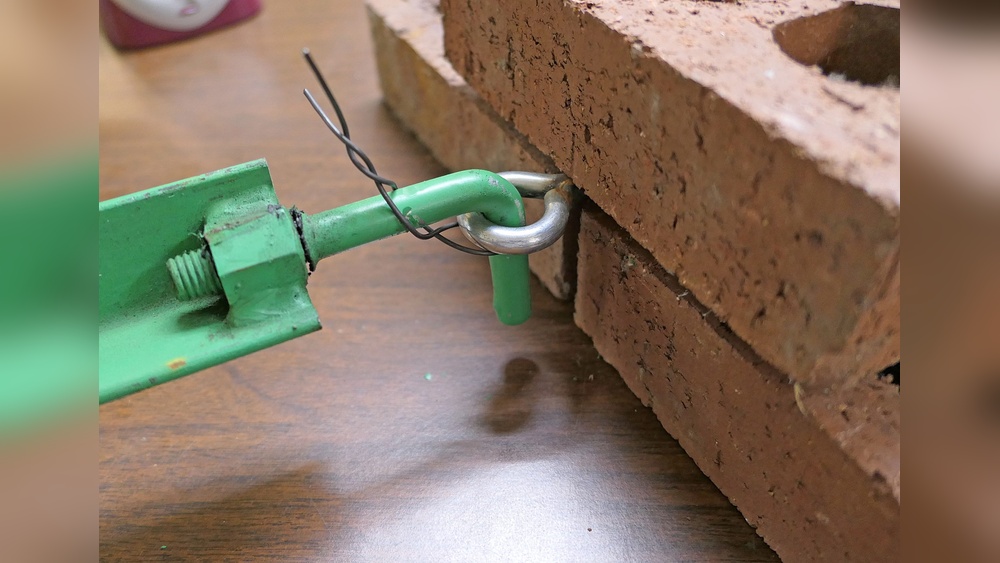
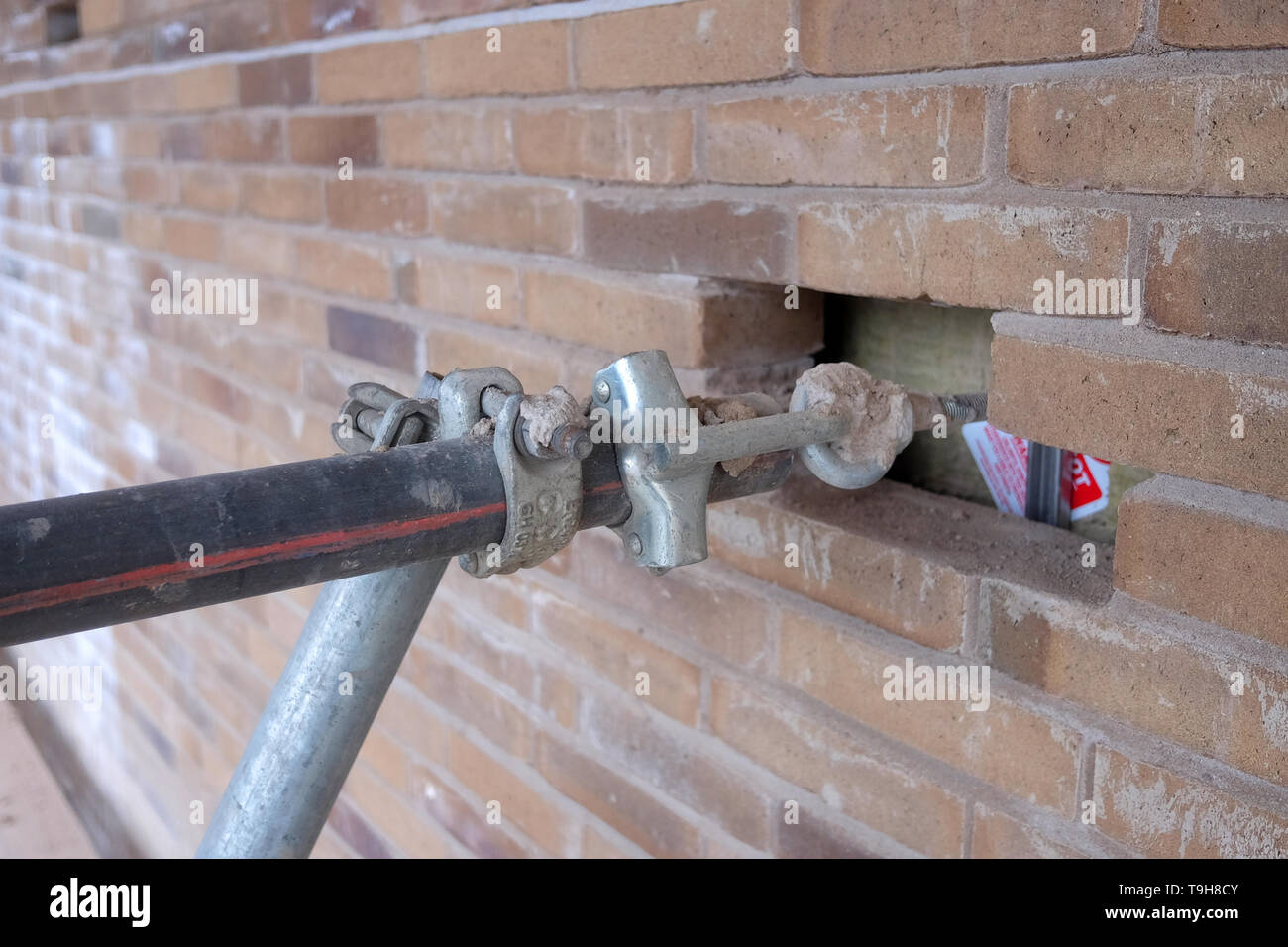
Start by aligning the scaffolding frame with the installed anchors on the wall. The connection points must match precisely. Use bolts or clamps designed for scaffolding to connect the frame to the anchors. Tighten these fasteners carefully to avoid any movement.
Ensuring Stable Connections
Check that all connection points fit tightly around the anchors. Loose connections can cause wobbling or collapse. Use a level to make sure the scaffolding is straight and stable. Inspect the anchors and scaffolding parts for any damage before attaching. Replace any worn or broken pieces immediately.
Double-checking Tightness
After attaching, test each fastener by hand to confirm it is secure. Use a wrench to tighten bolts firmly but avoid over-tightening, which can damage the brick or anchor. Inspect the entire attachment system again before climbing the scaffolding. Regularly recheck tightness during use to maintain safety.
Safety Checks And Maintenance
Safety checks and maintenance keep scaffolding secure and stable. They prevent accidents and ensure long-term use. Regular care protects workers and the building structure.
Regular Inspections
Inspect scaffolding before every use. Check anchors, bolts, and joints for tightness. Look for loose parts or missing components. Confirm the brick wall is solid and free of cracks. Use a checklist to ensure no step is missed.
Signs Of Wear And Damage
Spot rust, bends, or cracks on metal parts quickly. Watch for worn or loose anchor points on the wall. Check wooden planks for splits or rot. Damaged pieces weaken the whole scaffold. Replace faulty parts immediately to stay safe.
Credit: www.alamy.com
Common Mistakes To Avoid
Anchoring scaffolding to a brick wall requires care and precision. Mistakes can cause accidents or damage the wall. Avoiding common errors ensures safety and durability. Learn about common mistakes to avoid for better results.
Incorrect Anchor Placement
Placing anchors too close to wall edges weakens the hold. Anchors should be spaced evenly and far from cracks. Avoid placing anchors near loose bricks or mortar. Wrong placement can cause the scaffolding to shift or fall. Measure carefully before drilling holes in the wall.
Using Inappropriate Materials
Using the wrong anchors can damage the brick or fail to support weight. Avoid cheap or low-quality anchors that do not fit the wall type. Choose anchors made for brick walls and heavy loads. Using rust-prone materials leads to quick deterioration. Always select strong, durable anchors for safety.
Frequently Asked Questions
How Do You Safely Anchor Scaffolding To Brick Walls?
Use appropriate wall ties or anchors rated for masonry. Drill holes carefully and insert anchors firmly. Always follow manufacturer guidelines for weight limits and spacing to ensure stability and safety.
What Tools Are Needed To Anchor Scaffolding To Bricks?
You need a hammer drill, masonry bit, wall anchors, wrench, and level. Safety gear like gloves and goggles is essential. Proper tools help secure anchors accurately and prevent damage to bricks.
Can All Brick Walls Support Scaffolding Anchoring?
No, only solid, structurally sound brick walls can support scaffolding. Avoid weak or damaged bricks. Inspect the wall thoroughly before installation to ensure it can bear the scaffold load safely.
How Far Apart Should Scaffold Anchors Be Placed?
Anchors should typically be spaced 6 to 8 feet apart vertically and horizontally. Follow scaffold manufacturer recommendations and local safety codes to maintain proper support and balance.
Conclusion
Anchoring scaffolding to a brick wall keeps the structure safe and steady. Use the right tools and materials for strong support. Check each anchor point carefully before starting work. Keep the wall and scaffolding clean and dry to avoid slipping.
Regularly inspect the anchors during your project to catch any issues early. Following these simple steps ensures a secure setup and helps prevent accidents. Safety always comes first on any job site.