
Have you ever tried to hang something heavy on your wall, only to worry it might fall and cause damage? Whether it’s a large mirror, a heavy shelf, or a big piece of artwork, anchoring heavy items safely can feel tricky.
But don’t worry—you can learn simple, effective ways to secure your heavy belongings so they stay put without damaging your walls. You’ll discover easy steps and smart tips that make anchoring heavy items safe and stress-free. Keep reading, and take the guesswork out of hanging heavy objects for good.

Credit: www.amazon.com
Choose The Right Anchor
Choosing the right anchor is key to safely securing heavy objects to your wall. The anchor must fit the wall type, support the weight, and hold the item firmly in place. Using the wrong anchor risks damage to the wall and the item. This guide helps you pick the perfect anchor for your project.
Types Of Wall Anchors
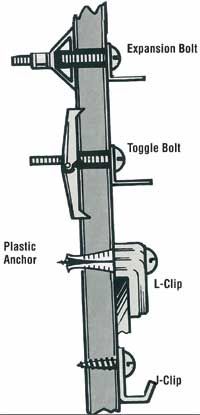
Wall anchors come in many forms. Plastic expansion anchors work well for light loads on drywall. Metal anchors, like molly bolts, expand behind the wall for stronger hold. Toggle bolts use spring-loaded wings for heavy items on hollow walls. Each anchor suits different wall types and weights.
Material Compatibility
Different walls need different anchors. Drywall requires anchors that spread the load without breaking the paper. Concrete or brick walls need anchors that can drill into hard surfaces. Wood walls can hold screws directly but anchors help with extra strength. Match the anchor material to the wall for best results.
Weight Capacity Considerations
Check the anchor’s weight rating before use. Overloading an anchor can cause it to fail. Calculate the total weight of the object plus any force it may face. Select an anchor rated higher than this number. This ensures safety and prevents damage to the wall and object.
Credit: home.howstuffworks.com
Prepare The Wall Surface
Preparing the wall surface is a key step before anchoring heavy items. This ensures safety and holds the weight well. Proper preparation helps avoid damage to your wall and keeps your item secure. Follow these simple steps to get ready.
Locate Studs
Studs are the wooden beams behind the wall. They provide strong support for heavy objects. Use a stud finder to locate them. Move the finder slowly across the wall. Mark the edges of each stud with a pencil. Anchoring into studs is safer than just drywall.
Mark Anchor Points
Once you find the studs, mark where you want to place anchors. Measure the distance between anchor points carefully. Use a level to keep marks straight. Clear marks make drilling easier and more precise. Accurate points help distribute the weight evenly.
Check For Obstacles
Look for pipes, wires, or electrical cables inside the wall. Avoid drilling near these to prevent damage or injury. A wire detector or small inspection hole can help. Knowing what lies beneath stops costly mistakes. Safe preparation protects both you and your home.
Drill Pilot Holes
Drilling pilot holes is an important step when anchoring heavy objects to the wall. These small holes guide the screws and prevent the wall or material from cracking. Proper pilot holes ensure a secure hold and make the installation process easier. Take time to drill the right size and use the right technique for best results.
Select Drill Bit Size
Choose a drill bit slightly smaller than the screw diameter. This allows the screw to grip the wall firmly. Check the screw package for recommended drill bit size. Using a bit too large can weaken the hold. Too small, and the screw may split the material.
Drilling Techniques
Mark the spot where you want to drill. Hold the drill steady and perpendicular to the wall. Start drilling slowly to avoid slipping. Increase speed once the bit grips the surface. Drill to the correct depth for the anchor or screw length. Clean out dust from the hole before inserting the anchor.
Safety Tips
Wear safety glasses to protect your eyes from dust. Use ear protection if the drill is loud. Keep fingers away from the drill bit. Work in a well-lit area. Ensure the drill bit is sharp and in good condition. Unplug the drill when changing bits or not in use.
Install Anchors Securely
Installing anchors securely is key to holding heavy items safely on your wall. Proper installation prevents damage and keeps your items stable. Follow these simple steps for different anchor types to ensure a strong hold.
Insert Plastic Anchors
Plastic anchors work well for light to medium loads. Start by drilling a hole that matches the anchor size. Gently push the anchor into the hole until it is flush with the wall. Use a screwdriver to drive the screw into the anchor. The plastic expands inside the wall, creating a tight grip.
Use Toggle Bolts
Toggle bolts support heavier weights in hollow walls. Drill a hole large enough for the folded toggle. Thread the bolt through the item’s mounting hole and attach the toggle. Push the toggle through the hole until it opens inside the wall. Tighten the bolt carefully to secure the anchor against the wall.
Mount Molly Bolts
Molly bolts are great for medium to heavy items on drywall. Drill a hole just big enough for the molly bolt sleeve. Insert the bolt and tap it lightly until it fits flush. Tighten the screw to expand the sleeve behind the wall. This expansion locks the anchor firmly in place.
Attach Heavy Objects
Attaching heavy objects to a wall takes careful steps. Doing it right keeps your items safe and your walls intact. Follow clear methods to ensure strong support.
Start by picking the right hardware. Then, place your object carefully. Finally, check if it holds well before leaving it alone.
Choose Appropriate Screws
Select screws that match the weight and wall type. Use heavy-duty screws for drywall or masonry anchors for brick walls. Avoid thin or short screws that may fail.
Check the screw length. It should go deep into the wall stud or anchor. This gives the best hold and prevents damage.
Align And Secure
Hold the object against the wall at the desired spot. Mark where screws will go. Use a level to keep it straight.
Drill pilot holes if needed. Insert the screws slowly, tightening them firmly. Stop before over-tightening to avoid cracking the wall or item.
Test Stability
Gently shake or pull the object after fixing. It should stay firm without wobbling or shifting. Loose attachments need re-tightening or stronger anchors.
Check the wall for cracks or signs of stress. Fix problems early to avoid accidents later.

Credit: m.youtube.com
Troubleshoot Common Issues
Anchoring heavy items to the wall can bring some challenges. Some common problems may arise during or after installation. Troubleshooting these issues helps keep your walls safe and your items secure.
Loose Anchors
Loose anchors happen when the anchor does not hold tightly in the wall. This can cause the item to wobble or fall. Check if the anchor fits the wall type correctly. Use anchors designed for heavy loads. Tighten screws slowly to avoid stripping the hole. Replace any anchors that feel weak or loose.
Wall Damage Repair
Wall damage can occur if anchors are forced into the wall. Small holes or cracks can weaken the hold. Patch holes with wall filler or spackle. Sand the surface smooth after drying. Paint over the repair to match the wall color. Fixing damage improves the strength of the anchor.
Reinforcement Techniques
Reinforce the wall for extra support. Use a backing board behind drywall for better grip. Insert toggle bolts for hollow walls. Studs offer the strongest hold, so locate them first. Adding more anchors spreads the weight evenly. These steps prevent future problems with heavy items.
Frequently Asked Questions
What Tools Are Needed To Anchor Heavy Items To Walls?
You need a drill, wall anchors, screws, a stud finder, and a level. These tools ensure secure and precise installation. Using the right tools prevents damage and supports the weight safely.
How Do I Find Studs To Anchor Heavy Objects?
Use a stud finder to locate wooden studs behind drywall. Studs provide the strongest support for heavy items. Mark the stud locations before drilling for accurate anchoring.
What Types Of Wall Anchors Work Best For Heavy Loads?
Toggle bolts and heavy-duty expansion anchors are ideal for heavy loads. They distribute weight evenly and grip firmly inside the wall. Choose anchors rated for your item’s weight for safety.
Can I Anchor Heavy Items On Drywall Without Studs?
Yes, but only with strong anchors like toggle bolts. Drywall alone is weak and can fail under heavy weight. Always check the anchor’s weight rating before installation.
Conclusion
Anchoring heavy items to the wall keeps your space safe and organized. Choose the right anchor for your wall type. Always measure and mark spots carefully before drilling. Use proper tools to ensure a strong hold. Taking your time helps avoid mistakes and damage.
With these steps, you can hang heavy objects securely. Enjoy a clutter-free and safe home with confidence.


