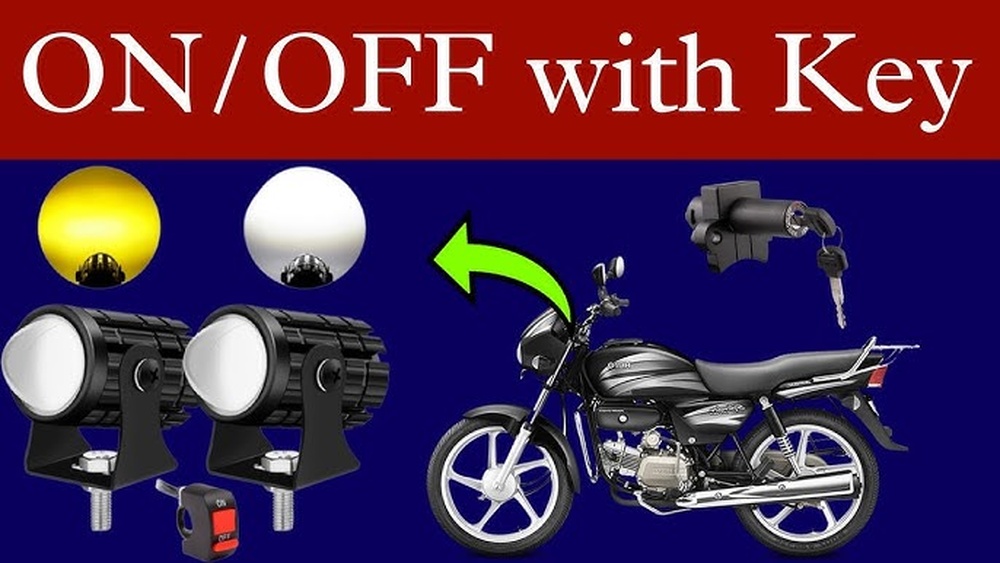
Are you looking to add fog lights to your vehicle and want them to turn on only when your ignition is on? Connecting your fog lights to the ignition switch is a smart way to do this.
It ensures your fog lights won’t drain your battery when the car is off, and they’ll work exactly when you need them. In this guide, you’ll learn simple, step-by-step instructions to safely and correctly connect your fog lights to your ignition switch.
Keep reading, and you’ll have your fog lights set up in no time—giving you better visibility and safer drives in foggy conditions.

Credit: www.cjponyparts.com
Tools And Materials Needed
Connecting fog lights to the ignition switch needs the right tools and materials. Having these ready makes the job safer and faster. This section lists all items required for a smooth installation.
Basic Hand Tools
Prepare a screwdriver set with both flathead and Phillips heads. Use wire cutters to trim and strip wires. A wrench set helps tighten bolts and nuts. Needle-nose pliers assist in gripping small parts.
Electrical Components
Get a relay to control the fog light power safely. Use a fuse holder with the correct fuse rating. Have electrical tape to cover wire connections. Use connectors or crimp terminals for secure joins.
Wiring Materials
Choose proper gauge wire for fog light current. Use insulated wires to prevent short circuits. Keep extra wire length for easy routing. Color-coded wires help identify connections later.
Testing Tools
A multimeter checks voltage and continuity in wires. Use a test light to find power at the ignition switch. Ensure these tools are reliable for accurate results.
Credit: motomantra.com
Locate The Ignition Switch
Locating the ignition switch is the first step to connect your fog lights properly. This switch controls power to many parts of your car, including the fog lights. Knowing its exact place helps you connect wires safely and correctly.
The ignition switch usually sits on the steering column or dashboard. Sometimes, it is hidden behind panels or covers. Careful searching is important to avoid damage to your vehicle.
Check Near The Steering Column
Most cars have the ignition switch near the steering wheel. Look under the steering column for a small box or connector. This is often where the switch wiring starts.
Inspect The Dashboard Area
Some vehicles place the ignition switch behind the dashboard. Remove any plastic covers carefully to see inside. Look for a component with several wires connected to it.
Use Your Car Manual
The car manual gives clear information about the ignition switch location. It may include pictures or diagrams to help. Follow the guide to find it fast and safe.
Identify Wires Connected To The Switch
Once found, look for wires linked to the ignition switch. These wires carry power when the key turns. Mark them to connect your fog lights without error.
Identify Fog Light Wiring
Knowing the fog light wiring is the first step in connecting it to the ignition switch. This helps ensure a safe and proper connection. It also prevents damage to the vehicle’s electrical system.
Fog light wiring usually includes power, ground, and switch wires. Each wire has a different role in the circuit. Identifying these wires correctly is important for proper installation.
Locate The Fog Light Harness
Start by finding the fog light harness under the vehicle’s front bumper. The harness is a bundle of wires that connect the fog lights to the car. It often has a plastic connector with several pins.
Look for wires that lead directly to the fog light bulbs. These wires carry power and signals to the lights.
Check Wire Colors And Labels
Fog light wires usually have specific colors to identify their function. Common colors include black for ground and red or yellow for power. Look for labels or markings on the wires.
Use a wiring diagram for your car model if available. This can help you match wire colors to their roles with more certainty.
Test Wires With A Multimeter
A multimeter can check if the wires carry power or ground. Set it to measure voltage or continuity. Test each wire by connecting the multimeter probes carefully.
This step confirms which wire connects to the fog light power and which one is ground. It also helps avoid mistakes during installation.
Identify The Switch Wire
The switch wire controls when the fog light turns on and off. It usually runs from the ignition switch or the fog light switch. This wire often has a different color than power and ground wires.
Tracing this wire may require checking the dashboard wiring behind the steering wheel. Identifying this wire ensures the fog light only works when the ignition is on.

Credit: www.ktmforums.com
Prepare The Wiring Connections
Preparing the wiring connections is a key step to connect your fog light to the ignition switch. Clean and secure connections ensure the fog light works safely and properly. Take your time to prepare each wire before joining them. Good preparation avoids future problems like shorts or loose wires.
Start by making sure the wires are ready for connection. Properly prepared wires make the next steps easier and safer. Pay attention to the wire ends. This small task helps the electrical flow and keeps the connection stable.
Strip The Wires
Use a wire stripper to remove about half an inch of insulation from each wire end. Avoid cutting the copper strands inside. Only expose the bare wire needed for the connection. Clean, stripped wires help make a strong electrical link.
Work carefully so the wires do not get damaged. Twisting the wire strands gently after stripping helps keep them together. Keep the wires neat to avoid crossing or shorting with other wires.
Use Connectors Or Solder
Choose between wire connectors or soldering to join the wires. Connectors are easy and quick. They hold wires tightly and can be reused. Slide the stripped wire ends into the connector and crimp firmly.
Soldering makes a permanent, strong bond. Heat the wire ends and apply solder to join them. Let the solder cool without moving the wires. Cover the joint with heat shrink tubing or electrical tape for insulation.
Both methods create good connections. Pick the one you find easier and safer. Secure connections keep your fog light working without interruptions.
Connect Fog Light To Ignition Switch
Connecting your fog light to the ignition switch helps control it easily. The fog light will turn on only when the ignition is on. This method saves battery power and prevents accidental use.
Follow simple steps to make a secure and reliable connection. Proper wiring ensures safety and proper function of your fog lights.
Find The Correct Terminal
Locate the ignition switch terminals under the dashboard. Use a wiring diagram or manual for your vehicle. Identify the terminal that provides power when ignition is on. Test the terminal with a multimeter for accuracy.
Attach The Wire Securely
Use a good quality wire for the connection. Strip the wire end and attach it to the ignition terminal. Secure the connection with a terminal connector or solder. Wrap the joint with electrical tape or heat shrink tubing. Ensure the wire is tight and not loose to avoid shorts.
Test The Fog Lights
Testing the fog lights after connecting them to the ignition switch is very important. It checks if the wiring and connections work properly. This step saves time and avoids future problems on the road.
Testing also ensures the fog lights turn on only with the ignition. This prevents battery drain when the car is off. Careful testing guarantees safety and correct installation.
Turn On The Ignition
Start by turning the car key to the ignition position. Do not start the engine yet. This step powers the electrical system and prepares the fog lights to work.
Switch On The Fog Lights
Next, use the fog light switch inside the car. Flip it to the “on” position. Check if the fog lights light up. They should glow only now if connected correctly.
Check Both Fog Lights
Look carefully at both fog lights. Confirm they are both bright and steady. Flickering or dim lights show a wiring issue. Fix any problems before driving.
Test The Lights With Engine Off
Turn off the ignition and try the fog light switch again. The fog lights should not turn on. If they do, the wiring needs correction to avoid battery drain.
Secure And Protect The Wiring
Securing and protecting the wiring is a key step in connecting fog lights to the ignition switch. Proper protection prevents shorts and damage from heat or moving parts. It also keeps the connection stable for long-term use. Taking time to shield and organize wires reduces electrical problems and improves safety.
Use Electrical Tape Or Heat Shrink
Wrap exposed wire joints with electrical tape to insulate them. This stops moisture and dirt from entering the wires. For a stronger seal, use heat shrink tubing. Slide it over the connection, then apply heat to shrink it tight. Heat shrink offers better protection and lasts longer than tape alone.
Tidy Up With Zip Ties
Gather loose wires and bundle them with zip ties. This keeps wires from dangling and getting caught in moving parts. Tighten zip ties just enough to hold wires firmly without damaging them. Regularly spaced ties create a neat, organized look. Neat wiring is easier to check and maintain.
Troubleshooting Common Issues
Troubleshooting common issues helps keep your fog lights working well. Simple checks save time and money. Knowing what to test stops bigger problems later.
Fog lights connect to the ignition switch for easy control. Sometimes, they do not work as expected. Understanding common problems makes fixing easier.
Fog Lights Don’t Turn On
First, check the fuse for the fog lights. A blown fuse stops power flow. Replace it if needed. Next, test the wiring from the ignition switch. Loose or broken wires block current. Tighten or repair connections carefully.
Also, inspect the fog light bulbs. Burned-out bulbs cause no light. Swap them with new ones to confirm. Finally, ensure the ignition switch itself works. Faulty switches may not send power to fog lights.
Flickering Or Intermittent Operation
Flickering lights often mean loose wiring or bad ground. Check all wire connections for firmness. Clean any rust or dirt on ground points. Weak grounds cause unstable light flow.
Another cause is a weak battery or alternator. Low voltage can make lights flicker. Test the battery and charging system for proper voltage. Replace or repair parts as needed.
Sometimes, the fog light switch wears out. A broken switch may cause flicker. Test the switch with a multimeter. Replace it if the test shows faults.
Frequently Asked Questions
How Do I Connect Fog Lights To The Ignition Switch?
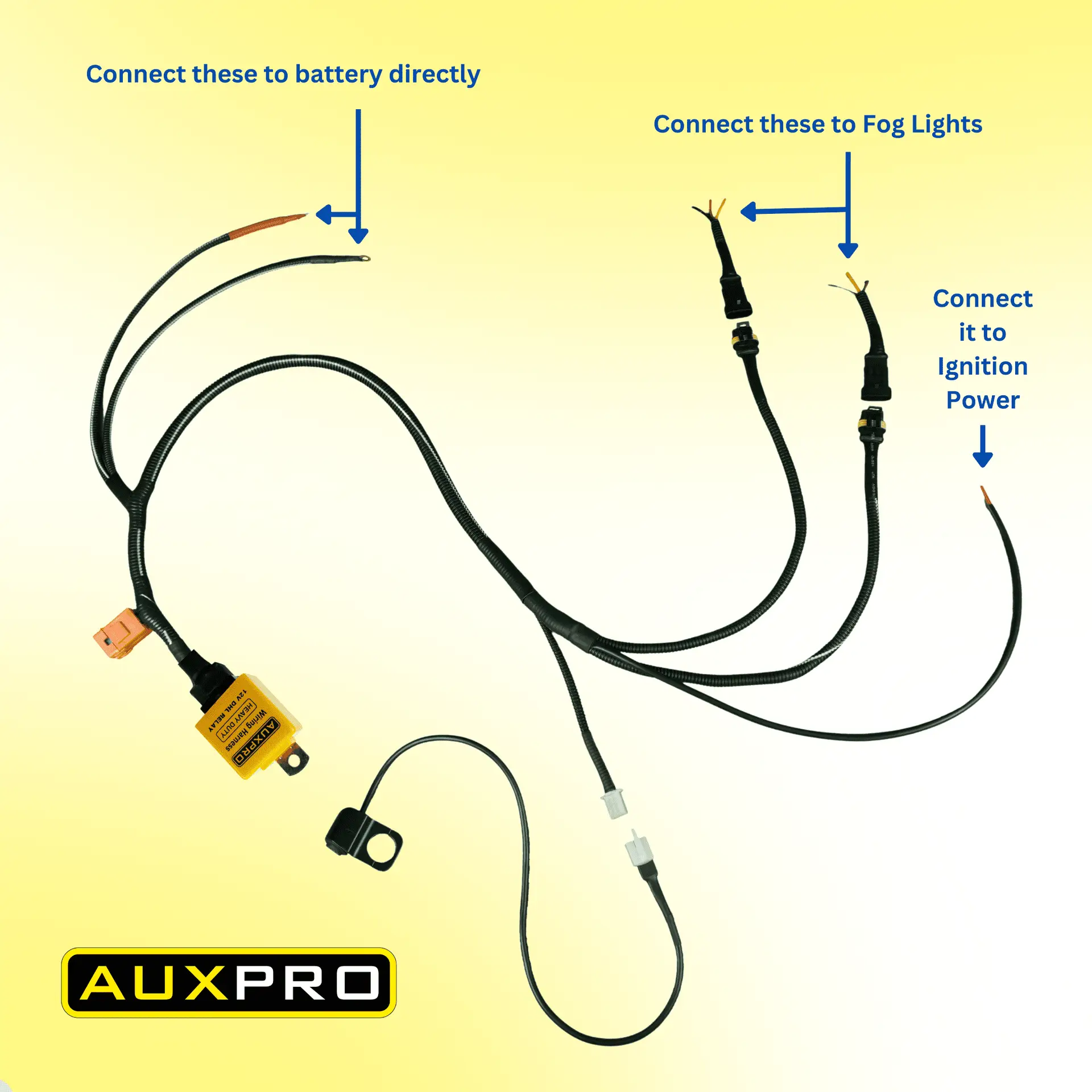
To connect fog lights to the ignition switch, run a wire from the ignition power source to the fog light relay. This setup ensures the fog lights only operate when the ignition is on, preventing battery drain when the vehicle is off.
What Tools Are Needed For Fog Light Wiring?
You need wire strippers, crimp connectors, a relay, a fuse, electrical tape, and a multimeter. These tools help create a safe, secure connection between the fog lights and the ignition switch.
Can I Use The Ignition Switch For Fog Light Power?
Yes, using the ignition switch ensures fog lights only turn on when the vehicle runs. This prevents accidental battery drain and keeps your fog lights functional during driving.
Is It Necessary To Install A Relay For Fog Lights?
Yes, a relay protects your ignition switch from high current. It safely controls the fog lights using a low-current ignition signal, improving system reliability.
Conclusion
Connecting fog lights to the ignition switch is simple with clear steps. This setup helps control the fog lights safely and easily. Always check your vehicle’s wiring diagram before starting. Use proper tools and take safety measures. Test the lights after installation to ensure they work well.
Following these tips makes your drive safer in foggy conditions. Keep your vehicle’s lighting system in good shape for better visibility. Now, you can enjoy better road safety with your fog lights.