Have you ever faced the challenge of removing a deadbolt secured with rivets? It can feel frustrating when traditional screws aren’t holding it in place, and you’re left wondering how to get it off without damaging your door.
Whether you’re upgrading your locks or fixing a stubborn deadbolt, knowing the right steps can save you time and stress. In this guide, you’ll discover simple, effective methods to remove a deadbolt with rivets safely and quickly. Keep reading—you’ll be unlocking solutions before you know it.

Credit: www.reddit.com
Tools Needed
Removing a deadbolt with rivets requires specific tools. These tools help you work safely and efficiently. Choosing the right tools can save time and effort. Some tools are basic and easy to find. Others use power to speed up the job. Safety gear protects you from injury during the process.
Basic Hand Tools
A hammer and punch are essential for driving out rivets. A flathead screwdriver helps pry parts apart carefully. Needle-nose pliers grab small pieces or hold rivets. A utility knife can score or cut sealants around the lock. These tools are simple but effective for most deadbolt removals.
Power Tools Options
An electric drill with metal drill bits can remove rivets fast. An angle grinder cuts through stubborn rivets and metal parts. A rotary tool with a cutting wheel handles tight spots and fine work. Power tools reduce manual effort and speed up the removal process.
Safety Gear
Safety glasses protect your eyes from metal shards and debris. Work gloves prevent cuts and bruises on your hands. Ear protection shields your hearing from loud power tools. Wearing proper gear keeps you safe during every step of the job.

Credit: www.ebay.com
Identify The Deadbolt Type
Identifying the type of deadbolt is the first step in removing it safely. Different deadbolts have different ways of attaching to the door. Knowing the exact type helps you choose the right tools and method. Riveted deadbolts are a bit tricky because the rivets hold the lock tightly. Spotting these rivets early can save time and effort. It also prevents damage to your door or lock.
Spotting Riveted Deadbolts
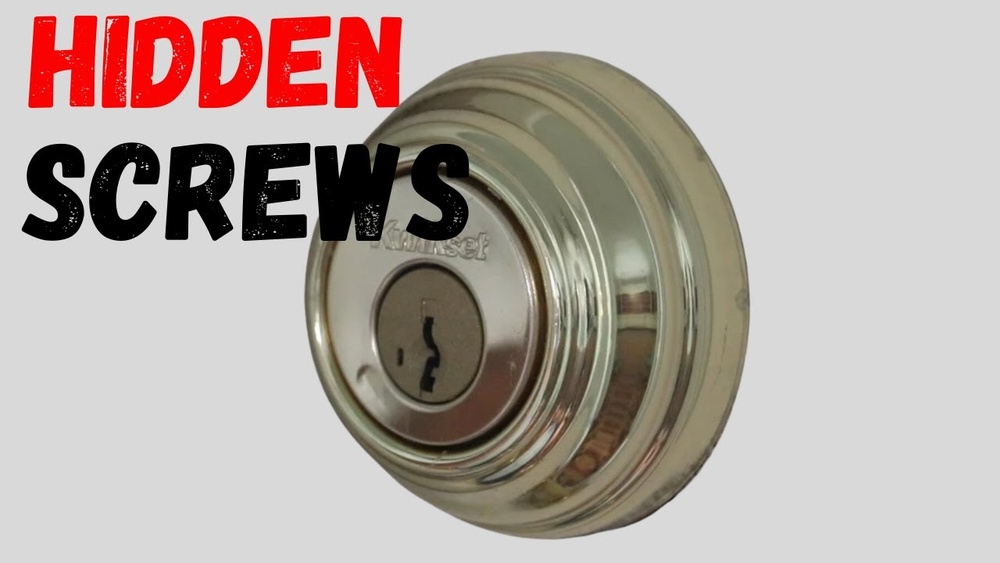
Riveted deadbolts often have small metal pins on their surface. These pins do not turn or move like screws. They are pressed or hammered into place. Look closely around the lock’s edges. If you see smooth, round pins instead of screws, that means rivets hold the lock. These rivets are harder to remove than screws. Regular screwdrivers will not work on them. Identifying rivets helps you prepare for drilling or grinding.
Common Rivet Locations
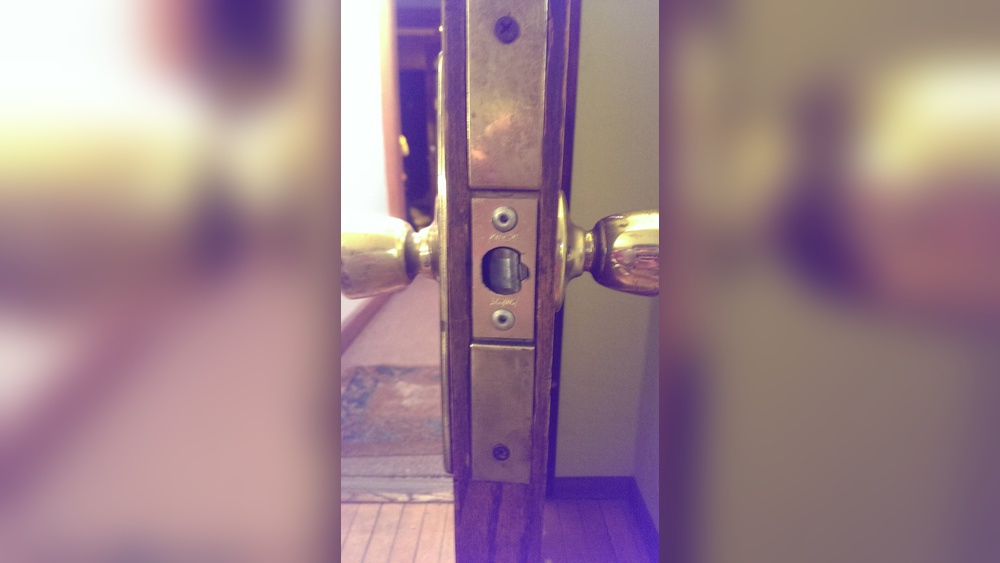
Rivets usually appear around the lock’s faceplate. Check the area where the deadbolt meets the door. Also, look at the inside part of the lock. Rivets can secure the lock cylinder or the mounting plate. Some rivets hold the strike plate on the door frame. The rivets are mostly near the screws or screw holes. Spotting these spots helps you know where to focus your work. Knowing rivet locations guides you in choosing the right removal tools.
Prepare The Work Area
Preparing the work area is the first step to remove a deadbolt with rivets. A clean and safe space helps you work faster and avoid damage. Take time to set up before starting the removal process.
Clear The Door Surroundings
Remove objects near the door to create enough space. Move furniture, rugs, and decorations away. This gives you room to work without interruptions.
Clear the floor around the door as well. This prevents tripping and keeps tools close at hand. A tidy area reduces stress and makes the job easier.
Protect The Door Surface
Cover the door surface with painter’s tape or a soft cloth. This protects the finish from scratches or dents during removal. Use thin padding around the lock area for extra safety.
Keep tools and metal parts from touching the door directly. Protecting the surface keeps your door looking good after the deadbolt is out.

Credit: www.reddit.com
Drill Out The Rivets
Drilling out the rivets is a key step to remove a deadbolt secured with rivets. This method requires precision and the right tools. You need to focus on accuracy to avoid damaging the door or lock. The process involves selecting a suitable drill bit and using proper drilling techniques to safely remove the rivets.
Choosing The Right Drill Bit
Select a drill bit made for metal. High-speed steel (HSS) bits work well for rivets. Choose a bit slightly smaller than the rivet head. This helps to drill through the rivet without harming the surrounding metal. Avoid using a bit that is too large, as it can damage the door frame.
Drilling Techniques For Rivets
Start drilling at a slow speed. Keep the drill steady and straight. Apply gentle pressure to avoid slipping. Drill through the center of the rivet head carefully. Stop once the rivet head is removed. Use a punch to push out the remaining rivet body. Clean the hole before installing a new lock or fastener.
Remove Deadbolt Components
Removing deadbolt components is a key step in taking out a deadbolt with rivets. It requires patience and the right tools. You need to carefully separate each part to avoid damage. This process helps you access the internal parts of the lock. Knowing how to remove these components makes the task easier and safer.
Focus on the exterior and interior plates first. These plates hold the deadbolt in place. After removing them, you can extract the bolt mechanism. Each step brings you closer to fully removing the deadbolt.
Separating The Exterior And Interior Plates
Start by locating the rivets on the deadbolt plates. Use a drill or a rivet removal tool to drill out the rivets carefully. Be gentle to avoid harming the door surface. Once the rivets are removed, the exterior plate will come loose. Pull the plate away slowly to prevent scratches.
Next, remove the interior plate. It may be held by more rivets or screws. Use the same method to remove these fasteners. After both plates are free, you will see the bolt mechanism inside the door.
Extracting The Bolt Mechanism
With the plates removed, the bolt mechanism is accessible. Slide or pull the bolt straight out from the door edge. Some bolts may be tight, so wiggle gently to loosen them. Avoid forcing the bolt to prevent damage.
Check inside the door for any remaining parts or fasteners. Remove these pieces to free the bolt completely. Now, the deadbolt removal is almost complete. Clean the area before installing a new lock.
Handle Stubborn Rivets
Removing a deadbolt with rivets can be tricky, especially when the rivets do not budge. Stubborn rivets need careful handling to avoid damaging the door or lock. Using the right tools and methods makes the job easier and safer.
Using A Punch Tool
A punch tool helps push out stubborn rivets from the door. Place the punch on the center of the rivet head. Tap the punch gently with a hammer to loosen the rivet. Keep tapping until the rivet moves or falls out. This method works best for rivets that are stuck tight.
Always wear safety glasses to protect your eyes from metal shards. Work slowly to avoid bending or breaking the punch tool. If the rivet does not move, try a larger punch or a different tool.
Alternative Removal Methods
Sometimes a punch tool does not work on very tough rivets. Using a drill with a metal bit can help. Drill into the center of the rivet carefully. This weakens the rivet and allows it to be removed.
Another method is to grind the rivet head off with a rotary tool. Once the head is gone, use pliers to pull out the rest of the rivet. Be cautious not to damage the door around the rivet.
Choose the method that fits your tools and skills. Patience and care will help remove stubborn rivets safely.
Install Replacement Hardware
Installing replacement hardware after removing a deadbolt with rivets is key to securing your door properly. The new lock must fit well and work smoothly. Taking time to choose the right deadbolt and fitting it correctly ensures safety and ease of use.
Selecting Compatible Deadbolts
Choose a deadbolt that matches your door’s thickness and hole size. Check the backset measurement, the distance from the edge of the door to the center of the hole. Most doors need a 2-3/8 inch or 2-3/4 inch backset. Pick a lock with the right finish to match your door’s style. Verify the lock type fits the door material, such as wood or metal.
Mounting And Securing New Locks
Place the deadbolt in the hole and align it correctly. Use screws provided to secure the lock tightly to the door. Tighten screws evenly to avoid misalignment. Attach the strike plate to the door frame. Ensure the bolt slides easily into the strike plate. Test the lock to check smooth operation before finishing. Proper mounting prevents lock failure and keeps your door secure.
Tips For A Smooth Process
Removing a deadbolt with rivets can be tricky. Following some simple tips makes the process easier and safer. These tips help protect your door and tools. They also save time and reduce frustration. Use these guidelines for a smooth removal experience.
Start with care and patience. Small steps lead to better results.
Avoiding Door Damage
Use the right tools to avoid scratches or dents. A protective tape on the door surface helps prevent marks. Work slowly and gently around the rivets. Avoid applying too much force at once. Check your progress often to catch any damage early.
Maintaining Tool Efficiency
Keep your tools clean and sharp for better performance. Dull tools make the job harder and risk door damage. Wipe tools after use to remove metal bits and dust. Store tools in a dry place to avoid rust. Regular maintenance saves time on future projects.
Frequently Asked Questions
How Do You Safely Remove A Deadbolt With Rivets?
To safely remove a deadbolt with rivets, drill out the rivets carefully. Use a drill bit slightly smaller than the rivet head. Apply steady pressure and remove the lock once rivets are drilled through. Wear safety goggles to protect your eyes from metal shavings.
What Tools Are Needed To Remove Riveted Deadbolts?
You need a drill, drill bits, safety goggles, and a screwdriver. A center punch helps prevent drill bit slipping. Optionally, use pliers to remove rivet remnants. Having the right tools ensures quick and safe deadbolt removal.
Can I Replace A Deadbolt After Removing Rivets?
Yes, you can replace a deadbolt after rivet removal. Drill out the rivets and remove the old lock. Install a new deadbolt using screws instead of rivets for easier future removal. Ensure the new lock matches your door’s specifications.
How Long Does It Take To Remove A Riveted Deadbolt?
Removing a riveted deadbolt typically takes 10 to 20 minutes. Time depends on your skill level and tool quality. Drilling out rivets carefully ensures no door damage. Preparation and safety precautions can speed up the process.
Conclusion
Removing a deadbolt with rivets takes patience and the right tools. Start by drilling carefully to avoid damage. Keep your workspace clean and safe. Take your time to follow each step clearly. With practice, the process becomes easier and quicker.
This guide helps you handle the task confidently. Now, you can remove those stubborn deadbolts without stress.