Are you planning to hang a wall on a drop ceiling but unsure how to make it secure? Anchoring a wall to a drop ceiling can seem tricky, but with the right approach, you can do it safely and effectively.
Imagine your wall standing firm without any wobbling or damage to your ceiling. In this guide, you’ll discover simple, step-by-step tips that make the process clear and manageable. Keep reading to learn exactly what tools you need and how to anchor your wall with confidence.
Your project’s success starts here.

Credit: www.wikihow.com
Types Of Drop Ceilings
Choosing the right anchors is key to secure a wall to a drop ceiling. The ceiling type and wall weight affect which anchors work best. Picking the wrong anchor can lead to damage or failure. Understanding weight limits and anchor types helps make a safe, strong connection.
Weight Considerations
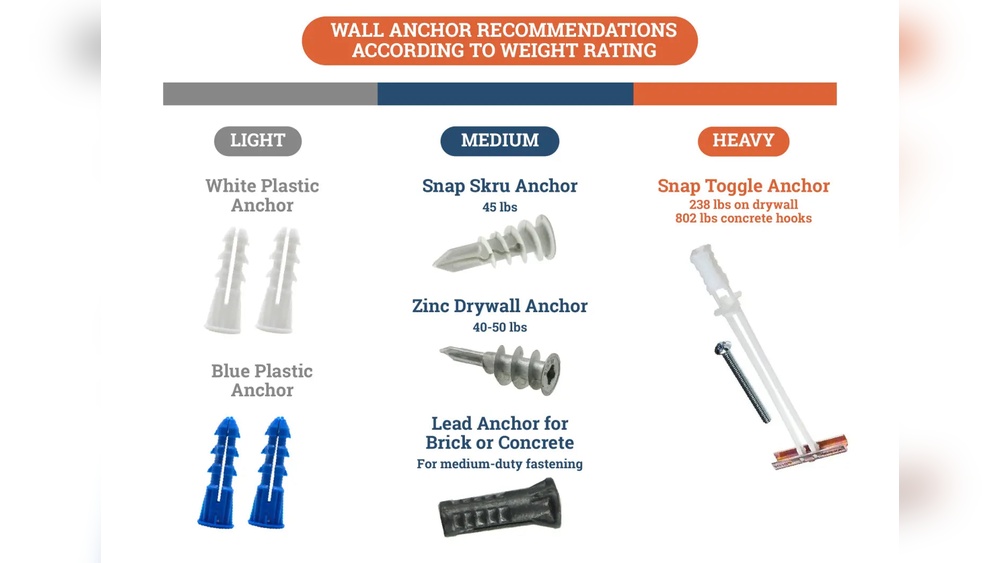
Know the wall’s weight before selecting anchors. Light items need small anchors. Heavy walls require stronger, load-bearing anchors. Drop ceilings have limited support, so choose anchors that hold enough weight. Always check the anchor’s weight rating to avoid accidents.
Anchor Types For Drop Ceilings
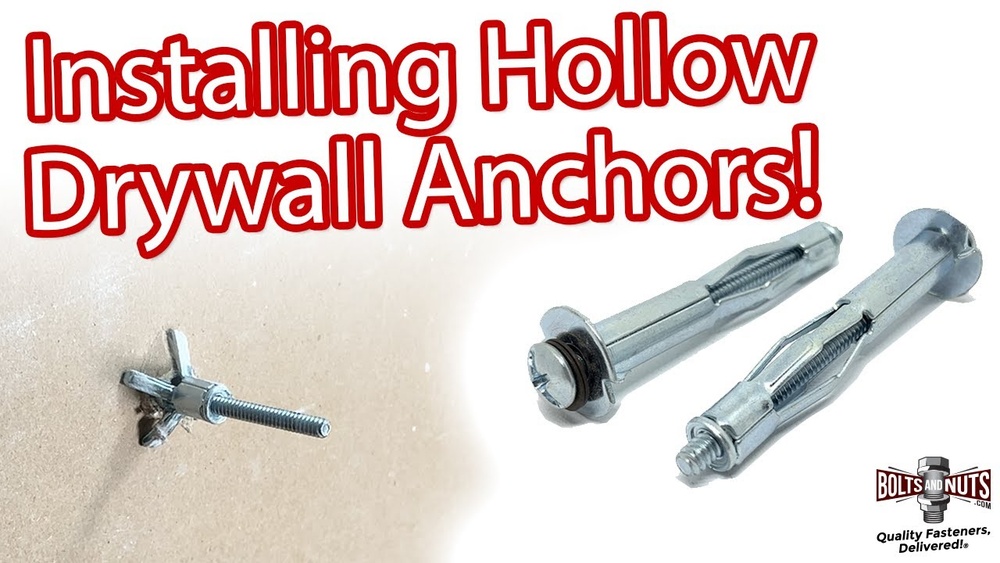
Toggle bolts work well for drop ceilings. They spread weight over a larger area. Molly bolts offer good grip in ceiling tiles. Plastic anchors suit lightweight objects but not heavy walls. Metal anchors provide better strength and durability. Match anchor type to ceiling material and wall weight for best results.

Credit: bernardibuildingsupply.com
Choosing The Right Anchors
Anchoring a wall to a drop ceiling requires the right tools. Using proper tools makes the task safer and easier. Prepare all tools before starting your project. Here is a list of essential tools you will need.
Measuring Tools
Accurate measurements are key to a secure anchor. Use a tape measure to check distances and heights. A level ensures the wall is straight and even. Mark your points clearly with a pencil for precise drilling.
Drilling Equipment
A power drill helps create holes in ceiling tiles and support structures. Choose drill bits that fit the size of your anchors. A screwdriver or drill with a screwdriver bit is needed to fasten screws tightly.
Safety Gear
Protect your eyes with safety goggles during drilling. Wear gloves to avoid cuts and scrapes on sharp edges. Use a dust mask to prevent inhaling dust from ceiling materials. Safety gear keeps you safe throughout the job.
Tools Needed
Preparing the wall and ceiling is the first step to securely anchor a wall to a drop ceiling. This process ensures that the wall will hold strong and stay in place. Proper preparation helps avoid damage to the ceiling tiles and structure.
Start by understanding the layout of the ceiling and the wall. This knowledge helps identify the best spots to place anchors. It also makes the installation safer and more stable.
Locating Ceiling Joists
Ceiling joists are the wooden or metal beams that support the ceiling. Anchors must attach to these joists for strength. Use a stud finder to locate the joists above the drop ceiling tiles. Move the finder slowly to find the edges of each joist. Mark these edges with a pencil for clear visibility. Avoid placing anchors in the gaps between joists. Anchors set in joists hold better and support more weight.
Marking Anchor Points
After finding joists, mark the points where anchors will go. Measure the height and width of the wall section to plan anchor spacing. Use a pencil to mark spots on the wall and ceiling. Ensure marks line up with the joists above. Keep marks visible and precise. These marks guide drilling and help avoid mistakes. Correct anchor placement prevents damage and increases stability.

Credit: www.americantinceilings.com
Preparing The Wall And Ceiling
Anchoring a wall to a drop ceiling requires careful steps. The goal is to secure the wall without damaging the ceiling tiles or framework. Different methods fit different wall weights and ceiling types. Below are clear, easy steps for three common anchoring methods.
Using Toggle Bolts
Toggle bolts are strong and hold well in hollow spaces. Start by marking where the wall will attach. Drill a hole slightly larger than the toggle bolt wings. Insert the toggle bolt folded and push it through the hole. Once inside the ceiling cavity, the wings open wide. Pull back gently to lock the bolt in place. Tighten the bolt while holding the wall steady. This method holds heavy loads securely.
Installing Molly Bolts
Molly bolts expand behind the ceiling panel for a firm grip. Mark the spot for the anchor. Drill a hole matching the molly bolt size. Push the molly bolt into the hole until flush with the surface. Use a screwdriver to turn the bolt head, expanding the anchor inside. Tighten the bolt until it feels secure. Attach the wall bracket to the bolt. Molly bolts work well for medium-weight walls.
Applying Adhesive Anchors
Adhesive anchors bond the wall to the ceiling without drilling. Clean the ceiling surface thoroughly first. Apply a strong construction adhesive to the wall bracket or back of the wall. Press the wall firmly against the ceiling grid or tile. Hold it in place with temporary supports. Allow the adhesive to cure fully, following product instructions. This method suits lightweight walls or temporary setups.
Step-by-step Anchoring Methods
Securing heavy loads on a drop ceiling requires careful planning. Drop ceilings are not designed to hold much weight. Heavy objects can cause damage or even fall. Proper anchoring and support are essential for safety and durability.
Reinforcing With Additional Supports
Adding extra supports helps share the weight load. Use wooden or metal braces between the ceiling and the wall. Attach these supports firmly to the building structure. This reduces stress on the drop ceiling grid. It creates a strong base for the wall anchor.
Use heavy-duty screws or bolts for the supports. Check that the supports align with the wall anchor points. Reinforcing the area prevents sagging and potential collapse. Always double-check the strength before placing heavy items.
Using Ceiling Grids
Ceiling grids alone cannot carry heavy loads safely. They need reinforcement to support weight properly. Secure the wall anchor to the metal grid with special clips or brackets. These parts distribute the load evenly across the grid.
Make sure the grid is firmly connected to the building structure. Avoid putting too much pressure on one grid tile. Place anchors near the main grid beams for better stability. Regularly inspect the ceiling grid for signs of wear or damage.
Securing Heavy Loads
Anchoring a wall to a drop ceiling requires care. Avoiding common mistakes saves time and keeps the ceiling safe. Many errors can cause damage or weak support. Learning these mistakes helps you do the job right the first time.
Overloading Anchors
Using too much weight on anchors is a common error. Drop ceilings are not made for heavy loads. Anchors can pull out or break under pressure. Choose anchors that match the weight of the wall. Do not hang heavy items without proper support.
Ignoring Ceiling Material Limits
Each drop ceiling has limits on what it can hold. Ignoring these limits leads to damage or collapse. Know the type of ceiling material you have. Different materials need different anchors and techniques. Always check the ceiling’s load capacity before starting.
Frequently Asked Questions
How Do You Anchor A Wall To A Drop Ceiling Safely?
To anchor a wall to a drop ceiling safely, use sturdy brackets and secure them to the ceiling grid. Ensure the ceiling can support the weight. Use anchors designed for ceiling tiles or grid systems to prevent damage and maintain stability.
What Tools Are Needed For Anchoring Walls To Drop Ceilings?
You need a drill, screws, toggle bolts, metal brackets, and a stud finder. A level and measuring tape help ensure precise placement. Safety gear like goggles and gloves is also essential for secure installation.
Can Drop Ceilings Support Heavy Wall Anchors?
Drop ceilings typically cannot support heavy anchors directly. Use additional support like ceiling joists or reinforced brackets attached to structural elements above the drop ceiling for stability and safety.
How To Avoid Damage When Anchoring Walls To Drop Ceilings?
Avoid damage by using lightweight anchors and distributing weight evenly. Attach anchors to ceiling grid runners or joists. Avoid over-tightening screws to prevent bending or breaking tiles or grid components.
Conclusion
Anchoring a wall to a drop ceiling is easier than it seems. Start by choosing the right anchors and tools. Measure carefully and follow safety steps. Take your time to avoid mistakes and keep the ceiling stable. With patience, your wall will hold strong and look great.
Small steps lead to a big difference in your project. Keep these tips in mind for a secure and lasting result.