Have you ever faced the frustration of trying to remove a deadbolt faceplate and not knowing where to start? Whether you’re fixing a stubborn lock or upgrading your door hardware, removing the faceplate is the first crucial step.
But if you don’t do it right, you could damage your door or the lock itself. In this guide, you’ll discover simple, clear steps to remove your deadbolt faceplate safely and quickly. Keep reading, and you’ll learn how to handle this task like a pro—even if you’ve never done it before.
Tools Needed
Removing a deadbolt faceplate is a simple task with the right tools. Having these tools ready makes the job faster and safer. Below are the essential tools needed to remove a deadbolt faceplate smoothly.
Flathead Screwdriver
A flathead screwdriver helps to pry off the faceplate carefully. It fits into small gaps and lifts the plate without damage. Choose a screwdriver size that matches the screws.
Phillips Screwdriver
Most deadbolt faceplates use Phillips screws. A Phillips screwdriver fits into the cross-shaped screw heads. It helps to unscrew them easily and without slipping.
Utility Knife
Use a utility knife to cut any paint or sealant around the faceplate edges. This step prevents tearing or chipping when removing the plate. Handle the knife carefully to avoid injury.
Pliers
Pliers can grip and pull out stubborn screws or nails. They provide extra strength if screws are stuck or rusty. Use pliers gently to avoid scratching the door.
Flashlight
A flashlight helps to see screws and hidden parts clearly. Good lighting ensures no screws are missed. It also helps to work safely in dim areas.

Credit: www.reddit.com
Locate The Deadbolt Faceplate
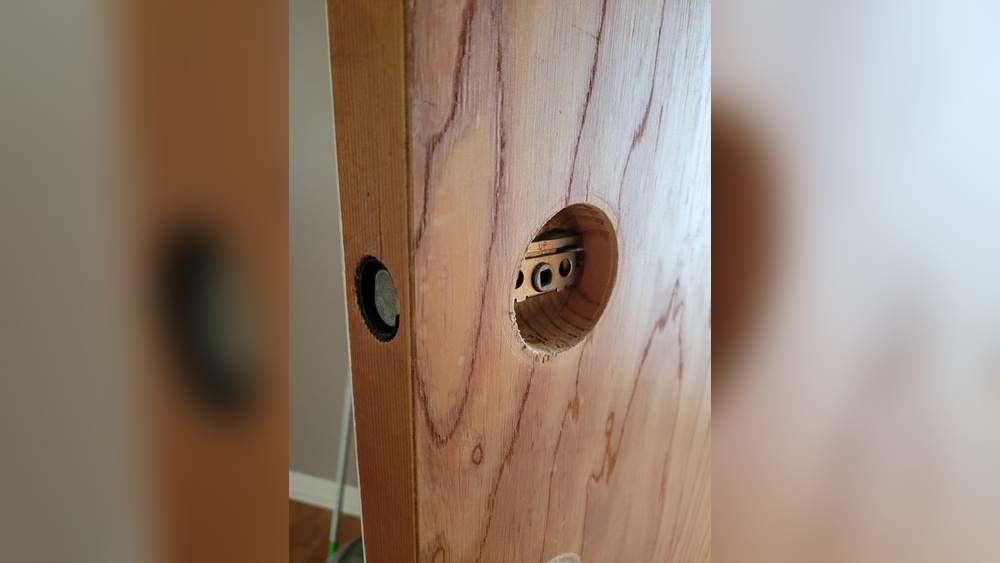
Locating the deadbolt faceplate is the first step in removing it. The faceplate covers the bolt on the edge of your door. It keeps the bolt in place and helps it slide smoothly. Knowing where to find it makes the removal process easier.
Look carefully at the side edge of your door. The faceplate is a small metal piece around the bolt hole. It is usually rectangular and fits flush with the door’s edge. The faceplate may have screws holding it in place.
Check The Door Edge
Stand by the door and look at the edge. The faceplate sits around the bolt hole. It is often shiny metal or painted to match the door. You can see it clearly without opening the door.
Identify The Screws
Look for small screws on the faceplate. These screws hold the faceplate tightly. They are usually located at the top and bottom of the faceplate. Use a flashlight if the screws are hard to see.
Notice The Shape And Size
The faceplate is rectangular with rounded or straight edges. Its size varies by lock type but stays small enough to fit on the door edge. Recognizing its shape helps you avoid confusion with other door parts.
Remove The Screws
Removing the screws is the first step to take off a deadbolt faceplate. This process requires care and the right tools. Screws hold the faceplate firmly in place. Removing them carefully prevents damage to the door and lock.
Start by checking the screws. Some may be hidden under a cover or paint. Make sure you can see all screws clearly before proceeding. Use a steady hand to avoid stripping the screws.
Identify Screw Types
Deadbolt screws come in different types. Common ones include Phillips, flathead, and sometimes Torx. Look closely at the screw head to see its shape. This helps you choose the right screwdriver.
Using the wrong tool can damage screws. Damaged screws are hard to remove and may ruin the lock. Take your time to identify the screw type correctly.
Use Proper Screwdriver
Choose a screwdriver that fits the screw perfectly. A snug fit reduces slipping and stripping. Hold the screwdriver firmly and turn it slowly.
Use steady pressure while turning. If a screw feels stuck, try applying some lubricant. This can make removal easier. Once all screws are out, gently pull the faceplate away from the door.
Detach The Faceplate
Detaching the deadbolt faceplate is the next step after removing screws. This part covers the bolt mechanism on the door edge. Removing it carefully helps avoid damage to the door. Use simple tools and a gentle touch for best results.
Take your time. The faceplate can be tight or stuck due to paint or rust. Patience is key to prevent scratches or bending.
Gently Pry The Faceplate
Use a flathead screwdriver or a putty knife. Slide it under the edge of the faceplate. Apply light pressure to lift it slowly. Avoid forcing the tool too hard. Work around the edges if it feels stuck. Small movements help loosen it without damage.
Handle With Care
Hold the faceplate firmly but gently as you remove it. Keep it flat to avoid bending. Place it on a soft surface to prevent scratches. If the faceplate is old, handle it carefully to avoid breaking. Keep the screws safe for later use.
Inspect The Deadbolt Mechanism
Inspecting the deadbolt mechanism is an important step before removing the faceplate. It helps to identify any problems inside the lock. This inspection ensures the deadbolt works smoothly after reinstallation or replacement.
Take your time to look closely at the parts inside the door. Check how the deadbolt moves when you turn the key or knob. This process helps you spot issues that could cause trouble later.
Check For Damage
Look carefully for cracks, rust, or worn parts in the deadbolt. Damaged components can stop the lock from working properly. Check the bolt itself and the metal around it. Any signs of damage mean the lock might need repair or replacement.
Clean The Area
Remove dust, dirt, and old grease from the deadbolt area. Use a soft cloth or brush to clean the surfaces gently. Cleaning helps the lock parts move without sticking. A clean mechanism lasts longer and works better.

Credit: support.shopyalehome.com
Replace Or Reinstall Faceplate
Replacing or reinstalling a deadbolt faceplate is a key step after removing it. This part covers the hole where the lock fits into the door. Proper placement keeps the lock secure and working well. Follow simple steps to align and secure the faceplate.
Align The Faceplate
Place the faceplate over the deadbolt opening. Make sure it fits flat against the door. The edges should line up with the door edge. Check that the bolt hole matches the lock’s bolt. Adjust the faceplate until it sits evenly. Proper alignment helps the deadbolt operate smoothly.
Secure With Screws
Insert screws into the faceplate holes. Use a screwdriver to tighten them firmly. Avoid overtightening to prevent damage to the door or faceplate. The screws hold the faceplate in place. Double-check that the faceplate does not move. Tight screws ensure the deadbolt stays secure and functional.
Test The Deadbolt Function
Testing the deadbolt function is an important step before removing the faceplate. It helps you understand how the lock works and reveals any problems. This makes the removal process easier and safer.
Check if the deadbolt moves smoothly. A stuck deadbolt can damage the lock or door. Testing also shows if the screws or parts are loose. This information guides you on what tools to use and how careful you must be.
Check The Deadbolt Movement
Turn the key or thumb turn to move the deadbolt. It should slide in and out without force. If it sticks or jams, note where it stops. This might mean the lock is old or parts are worn out.
Listen For Unusual Sounds
Pay attention to clicks or grinding noises. These sounds suggest internal issues. A smooth, quiet operation means the lock works well. Noises may mean the lock needs repair before removal.
Test Both Sides Of The Lock
Operate the deadbolt from inside and outside. Both sides should work easily. Problems on one side may mean the lock is misaligned. This can affect how you remove the faceplate.
Note The Lock’s Position
Observe how the deadbolt sits when locked and unlocked. The bolt should be flush with the strike plate. If it sticks out too far or not enough, adjustments may be needed.

Credit: www.reddit.com
Frequently Asked Questions
How Do You Remove A Deadbolt Faceplate Safely?
To remove a deadbolt faceplate safely, first unscrew the mounting screws using a screwdriver. Gently pry the faceplate off with a flat tool, avoiding damage to the door surface. Always work slowly to prevent stripping screws or harming the door.
What Tools Are Needed To Remove A Deadbolt Faceplate?
You need a Phillips or flathead screwdriver, depending on the screw type. A flat pry tool or putty knife helps lift the faceplate carefully. Having a flashlight can improve visibility during removal, especially in low-light conditions.
Can I Remove A Deadbolt Faceplate Without Damaging The Door?
Yes, use the correct screwdriver and a flat pry tool to avoid damage. Remove screws fully before prying gently to prevent chipping or scratching. Work slowly and avoid forcing the faceplate off to keep the door intact.
Why Is The Deadbolt Faceplate Hard To Remove?
Deadbolt faceplates may stick due to paint, rust, or tight screws. Screws can be stripped or painted over, making removal difficult. Applying lubricant or using penetrating oil can loosen tight screws for easier removal.
Conclusion
Removing a deadbolt faceplate is easier than it seems. Use basic tools and take your time. Keep screws and parts safe during the process. A steady hand helps avoid damage to the door. Practice patience, and you will succeed. This simple task saves money and effort on repairs.
Now, you know how to remove a deadbolt faceplate with confidence. Try it yourself next time your lock needs work.