Have you ever stood in front of your door, key in hand, only to find your deadbolt won’t budge? It’s frustrating, stressful, and can make you feel stuck.
But don’t worry—unlocking a deadbolt lock with a key isn’t as tricky as it seems. In this guide, you’ll discover simple, clear steps to get your lock open quickly and safely. Whether you’re dealing with a stubborn lock or just want to be prepared for the future, this article will give you the confidence and know-how you need.
Keep reading, and you’ll never feel locked out again.

Credit: rapidlocksmith.ca
Tools Needed
To open a deadbolt lock with a key, having the right tools is important. These tools make the process simple and safe. Using the correct tools prevents damage to the lock or door. Below are the essential items you need.
Key
A key that fits the deadbolt lock is the main tool. It must match the lock’s shape and grooves. Without the right key, the lock will not turn.
Lubricant
A small amount of lubricant helps the key move smoothly. It reduces friction inside the lock. Use a spray or liquid designed for locks.
Flashlight
A flashlight helps you see the keyhole clearly. Good lighting makes it easier to insert the key correctly. It also helps spot any dirt or damage.
Cloth
Use a soft cloth to clean the key and lock. Dirt or dust can block the key from turning. Wipe off any residue gently before inserting the key.
Identify The Deadbolt Type
Start by checking the deadbolt’s shape and style. Different types need different keys and methods. Knowing the type helps use the right key easily.
Knowing your deadbolt type helps you use the right key and method. Deadbolts come in several styles. Each style works a little differently. Identifying the type saves time and prevents damage.
Look closely at the lock on your door. Notice the shape and size of the keyhole. Check if the lock has a thumb turn or just a key slot. These details tell you the deadbolt type.
Single Cylinder Deadbolt
This deadbolt has a keyhole on the outside only. Inside, it usually has a thumb turn. It is the most common deadbolt type for home doors. You need a key to open it from outside.
Double Cylinder Deadbolt
This type has keyholes on both sides of the door. You must use a key to open it from inside and outside. It offers extra security but can be tricky in emergencies.
Lockable Thumbturn Deadbolt
This deadbolt has a thumb turn inside that can lock. It also uses a key on the outside. The thumb turn can be locked to prevent turning from inside.
Keyless Deadbolt
Some deadbolts do not use keys at all. They open with a code or fingerprint. These are not part of key-based unlocking but good to know.
Insert The Key Properly
Inserting the key properly is the first step to open a deadbolt lock easily. A correct insertion helps the key fit smoothly into the lock. This prevents any damage to the key or the lock itself.
Understanding how to place the key right can save time and avoid frustration. It ensures the lock mechanism moves freely without sticking.
Check The Key Orientation
Look at the key carefully before inserting it. The teeth of the key should face the correct way. Usually, the key’s grooves face up or to the side. Insert the key gently to avoid bending it.
Align The Key With The Lock
Hold the key straight and line it up with the keyhole. Do not force the key at an angle. A straight alignment helps the key slide smoothly inside the lock cylinder.
Insert The Key Fully
Push the key all the way into the lock. Partial insertion can block the lock pins. Make sure the key stops at the end of the keyhole. This allows the pins inside the lock to move correctly.
Turn The Key With Care
Turning the key in a deadbolt lock needs a gentle touch. Forcing the key can damage both the key and the lock. It is important to move the key slowly and feel the lock’s resistance.
By turning the key carefully, the lock mechanism aligns smoothly. This helps the bolt slide back easily. Patience is key during this step to avoid any trouble.
Insert The Key Fully
Push the key all the way into the lock. A partial insertion may cause the key to get stuck. It also reduces the control you have when turning the key.
Apply Gentle Pressure
Use light pressure when turning the key. Heavy force can bend or break the key inside the lock. Feel for resistance and stop if it feels too tight.
Turn Slowly And Steadily
Rotate the key in a slow, steady motion. Quick or jerky movements can damage the lock pins. Steady turning allows the pins to line up correctly.
Stop If The Key Won’t Turn
Do not force the key if it won’t turn. Forcing may cause permanent damage. Check if the key is the correct one or if the lock needs cleaning.
Troubleshoot Common Issues
Troubleshooting common issues with deadbolt locks can save time and reduce frustration. Simple problems often cause the lock to malfunction. Understanding these issues helps you fix them quickly and easily.
Key Won’t Turn
Sometimes the key won’t turn in the lock. Dirt or debris inside the lock may cause this. Try spraying a small amount of lubricant into the keyhole. Insert and gently turn the key back and forth. Avoid forcing the key to prevent damage.
Key Stuck In Lock
A key stuck in the lock is frustrating. Check if the key is bent or damaged. Gently wiggle the key while pulling it out. If it remains stuck, spray lubricant into the lock. Let it sit for a few minutes before trying again.
Lock Is Jammed
A jammed lock stops the deadbolt from moving. Dust and rust can cause jamming. Spray lubricant around the lock mechanism. Move the key slowly to work the lubricant inside. If it still jams, the lock may need professional help.

Credit: www.lexusofmelbourne.com
Tips For Maintaining Your Deadbolt
Maintaining your deadbolt lock helps keep it working smoothly. Regular care prevents jams and extends the lock’s life. Small efforts can avoid big problems.
Lubrication
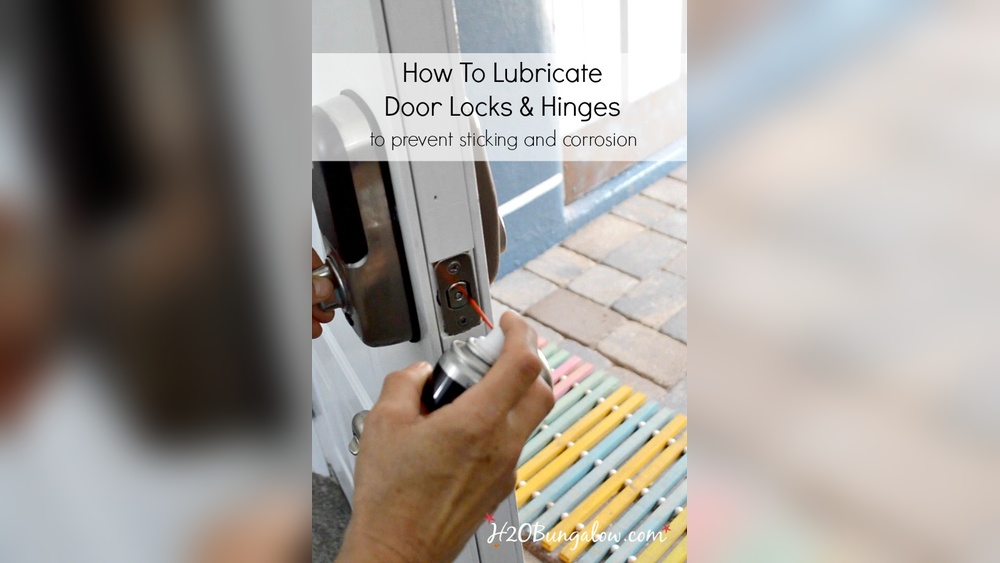
Use a graphite or silicone spray lubricant. Avoid oil-based products; they attract dirt. Spray a small amount into the keyhole and bolt mechanism. Insert and turn the key a few times. This spreads the lubricant evenly. Repeat every six months for best results.
Regular Inspection
Check your deadbolt regularly for signs of wear. Look for rust, dirt, or loose screws. Tighten any loose parts with a screwdriver. Clean the surface with a soft cloth. Replace any damaged components quickly to avoid lock failure.

Credit: www.art-of-lockpicking.com
Frequently Asked Questions
How Do I Unlock A Deadbolt With A Key?
Insert the correct key fully into the deadbolt. Turn the key gently clockwise until the lock clicks open. Avoid forcing the key to prevent damage.
What If The Deadbolt Key Won’t Turn?
Check for debris or rust in the lock. Apply graphite lubricant to the keyhole. Gently wiggle the key while turning to ease movement.
Can I Unlock A Deadbolt Without A Key?
Yes, but only if you have lock-picking skills or tools. Otherwise, call a locksmith to avoid damaging the lock or door.
How Do I Maintain My Deadbolt Lock?
Regularly clean the keyhole and apply graphite lubricant. Avoid using oil-based lubricants as they attract dust and grime, causing jams.
Conclusion
Knowing how to open a deadbolt with a key helps in many situations. Follow the steps carefully and stay calm. Avoid forcing the key to prevent damage. Practice makes the process easier and quicker. Keep your key in a safe, easy-to-find place.
This simple skill can save time and stress. Always handle locks gently for longer use. Stay prepared and confident when you face locked doors.