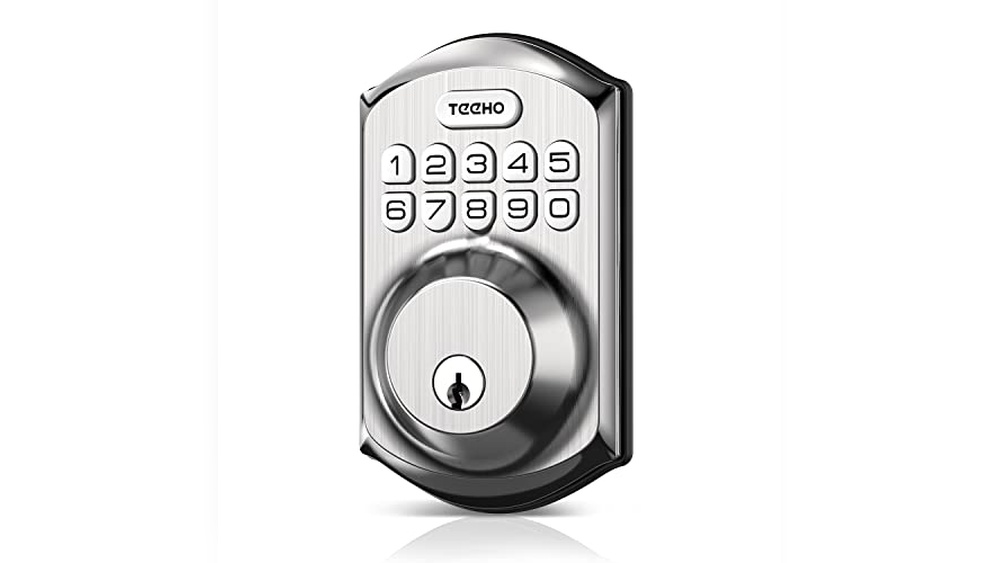
Is your deadbolt stuck and refusing to turn? A frozen lock can be frustrating, especially when you’re in a hurry or coming home late.
You might feel stuck, unsure of what to do next. But don’t worry—fixing a frozen deadbolt is easier than you think. In this guide, you’ll discover simple, effective steps to get your lock moving smoothly again. Keep reading, and you’ll be back inside your home in no time.
Credit: www.reddit.com
Causes Of A Frozen Deadbolt
A frozen deadbolt can stop you from entering your home. Understanding what causes it helps prevent the problem. Several factors contribute to a deadbolt freezing. Knowing these causes makes it easier to fix or avoid a frozen lock.
Weather And Temperature Effects
Cold weather makes metal parts contract. This tightens the lock mechanism. The deadbolt can become stiff and hard to turn. Sudden temperature drops increase the chance of freezing. Wind and frost add to the problem. Outdoor locks face the most weather stress.
Moisture And Ice Build-up
Moisture enters the lock from rain, snow, or humidity. Water inside the lock freezes in cold weather. Ice forms and blocks the moving parts. This stops the deadbolt from turning. Even small amounts of ice cause issues. Moisture is the main cause of frozen locks.
Lock Mechanism Wear
Old or worn locks are more likely to freeze. Dirt and rust build up inside the mechanism. This causes friction and stiffness. Worn parts do not move smoothly. The deadbolt can get stuck or jammed. Regular maintenance reduces wear and freezing risk.
Tools And Materials Needed
Fixing a frozen deadbolt requires some basic tools and materials. Having the right items ready makes the job easier and faster. This section lists what you need to unfreeze your lock safely and effectively.
Lubricants And Deicers
Graphite powder is great for lubricating frozen locks. It does not attract dirt. Silicone spray also works well and protects the lock from moisture. WD-40 can help but is less effective in cold weather. Deicers specifically made for locks melt ice quickly. Avoid using water or oil-based products that can freeze again.
Basic Hand Tools
A small screwdriver helps to remove the lock cover if needed. Pliers can gently pull stuck parts without breaking them. A hairdryer or heat gun warms the lock to melt ice. Use gloves to protect your hands from cold and sharp edges. Keep a flashlight handy for better visibility in low light.
Household Items
Rubbing alcohol is an easy and effective deicer found at home. It evaporates quickly and melts ice fast. Warm water poured carefully can help but use it sparingly. A cotton swab or cloth helps apply lubricants or alcohol evenly. Avoid using salt or chemicals that can damage the lock.
Step-by-step Fixes
Frozen deadbolts can be a real hassle during cold weather. This guide gives clear steps to fix the problem fast. Follow these methods to get your lock working again safely and easily. No special tools needed, just simple actions.
Using Heat To Thaw The Lock
Warm the lock gently to melt any ice inside. Use a hairdryer on low heat. Keep it moving to avoid damage. Avoid open flames or high heat sources. Heat the key before inserting it to help thaw the lock. This method works well on mild freezes.
Applying Lubricant Properly
Choose a graphite-based or silicone lubricant for frozen locks. Spray a small amount directly into the keyhole. Avoid oil-based lubricants that attract dirt. Insert and remove the key a few times to spread the lubricant. This reduces friction and helps the lock move smoothly.
Manual Lock Manipulation Techniques
Gently wiggle the key while trying to turn it. Avoid forcing the key to prevent breakage. Tap the lock lightly with a small tool to loosen ice. Use slow, steady pressure to ease the bolt. Patience helps avoid damage and frees the lock safely.
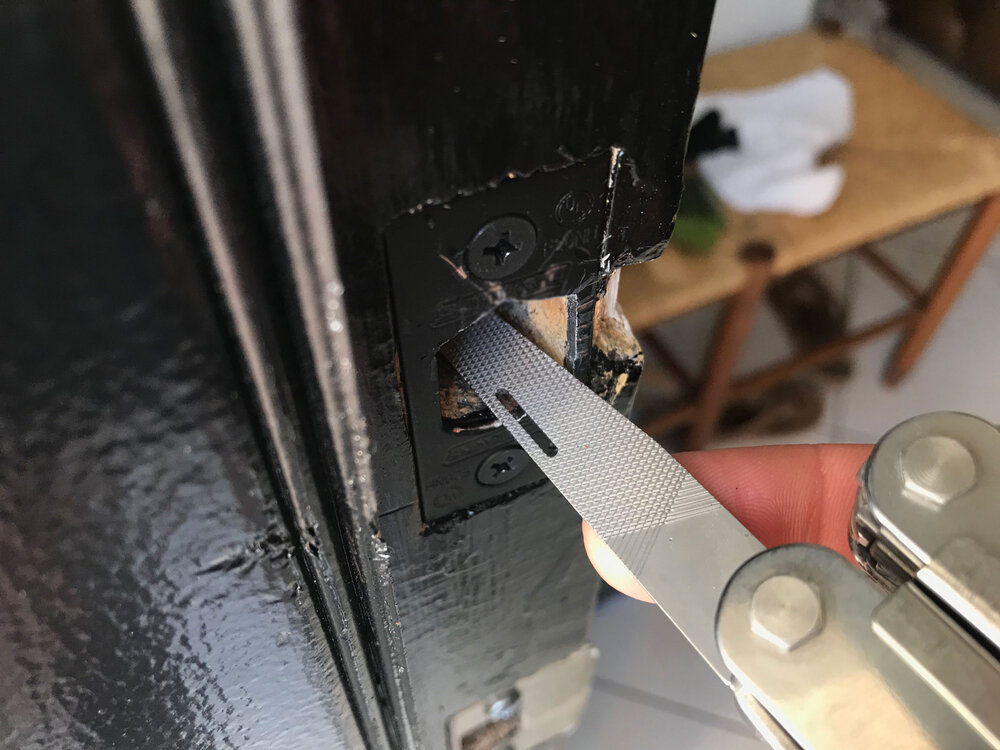
Credit: www.theprolock.com
Preventing Deadbolt Freezing
Frozen deadbolts cause frustration and delay. Preventing this problem saves time and stress. Simple steps keep your lock working well through cold months. Focus on regular care, weatherproofing, and seasonal habits. These help stop ice from forming inside your deadbolt.
Regular Maintenance Tips
Clean your deadbolt every month. Dirt and dust can trap moisture. Use a soft brush or cloth to remove debris. Apply a silicone-based lubricant to the keyhole and bolt. Avoid oil-based products that attract dirt. Check for rust or damage and fix it fast. Well-maintained locks resist freezing better.
Weatherproofing Solutions
Install a door sweep to block cold air. Seal gaps around the door frame with weatherstripping. Use a lock cover to protect the deadbolt from rain and snow. These barriers reduce moisture contact with the lock. Keep your entryway dry to prevent ice buildup. Simple weatherproofing extends the life of your deadbolt.
Seasonal Care Advice
Before winter, test your deadbolt for smooth operation. Lubricate and clean as needed. Remove snow and ice from the door area daily. Avoid slamming the door, which can misalign the lock. During cold snaps, warm the key gently before use. Small actions protect your lock from freezing each season.
When To Call A Professional
A frozen deadbolt can be frustrating. Sometimes, home fixes work well. Other times, problems go beyond simple solutions. Knowing when to call a professional saves time and stress. It also protects your lock and home security.
Experts have tools and skills to handle tough lock issues. They can fix damage and prevent further problems. Recognizing signs of serious damage helps decide when to get help. Choosing the right locksmith ensures the job is done right.
Signs Of Serious Lock Damage
Some problems need expert attention. If the key won’t turn at all, the lock might be broken inside. A lock that is stuck even after warming could have frozen parts or rust. Bent or broken keys inside the lock show clear damage. If the deadbolt feels loose or wobbly, internal parts may be damaged. Strange noises, like grinding, signal serious issues. These signs mean a simple DIY fix won’t work well.
Choosing A Reliable Locksmith
Pick a locksmith with good reviews and local reputation. Check for proper licenses and insurance. Experienced locksmiths provide quick, safe service. Ask about pricing before work begins to avoid surprises. A reliable locksmith respects your property and explains the process. Avoid companies that pressure you or offer very low prices. Trustworthy professionals use quality tools and parts. This choice keeps your home safe and saves money over time.
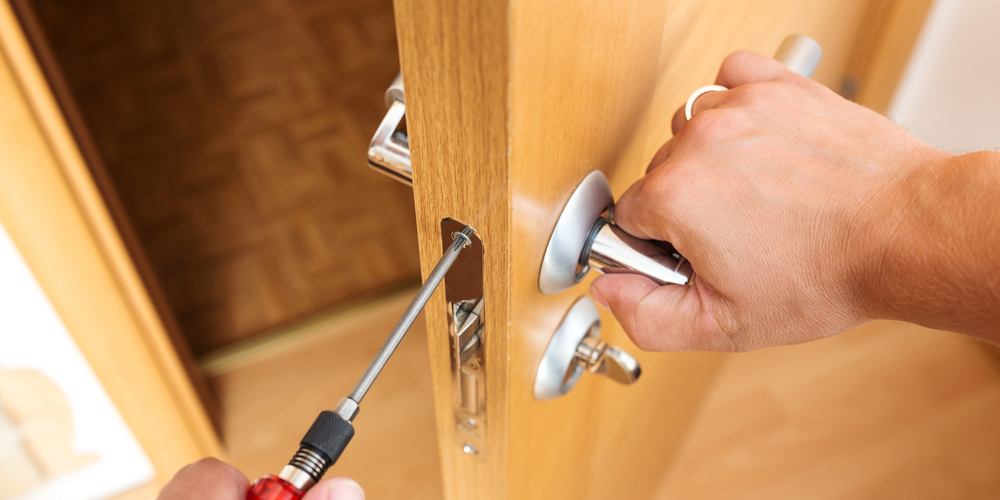
Credit: unitedlocksmith.net
Frequently Asked Questions
How Do You Thaw A Frozen Deadbolt Safely?
Use a hairdryer or warm water to gently thaw the lock. Avoid using excessive force or sharp tools that can damage the lock.
What Causes A Deadbolt To Freeze In Winter?
Moisture enters the lock and freezes due to cold temperatures. This causes the deadbolt mechanism to stick or jam.
Can Wd-40 Fix A Frozen Deadbolt?
Yes, WD-40 can help by displacing moisture and lubricating the lock. Spray it into the keyhole and work the key gently.
How Can I Prevent My Deadbolt From Freezing?
Apply graphite or silicone-based lubricant regularly. Also, cover the lock during harsh weather and ensure no water accumulates near it.
Conclusion
Frozen deadbolts cause big problems in cold weather. Quick action can stop damage and keep your door working. Use simple tools like de-icer or warm water to fix it fast. Regular care helps avoid future freezing issues. Stay calm and follow easy steps to solve the problem.
Keep your home safe and doors ready for winter. Small efforts make a big difference in cold times. Don’t let a frozen lock slow you down.