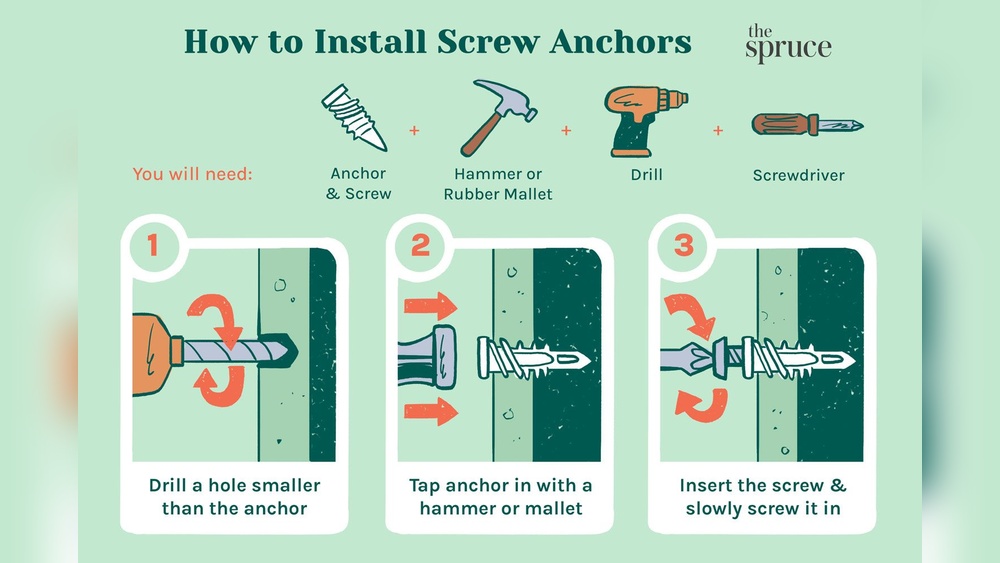
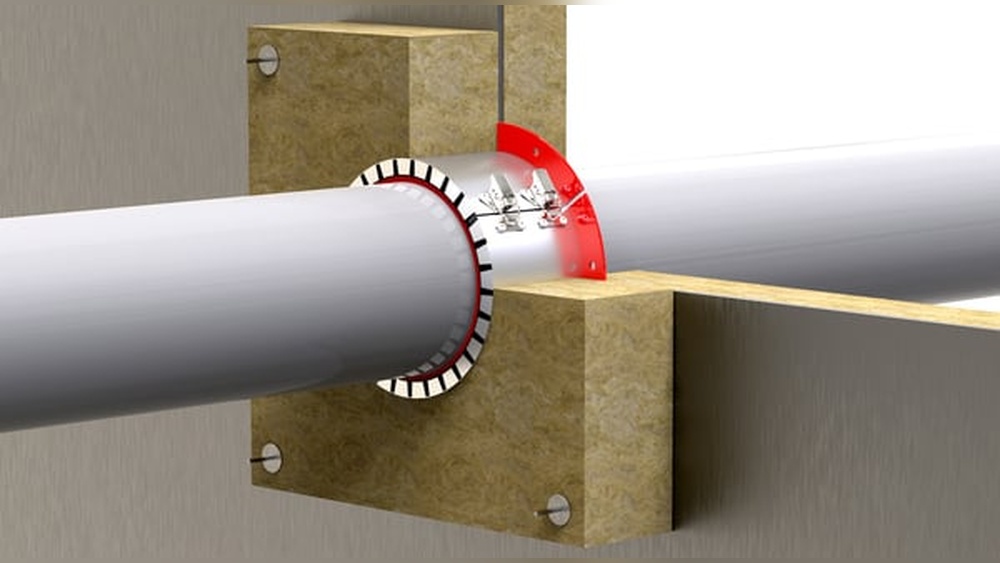
If you’ve already poured your concrete and it’s fully cured, you might be wondering how to securely anchor a wall to it. This step is crucial to make sure your wall stands strong and lasts for years.
But what’s the best way to do it without damaging the concrete or compromising stability? In this guide, you’ll discover simple, effective methods to anchor your wall safely and firmly. Keep reading, and you’ll learn exactly what tools and techniques you need to get the job done right the first time.
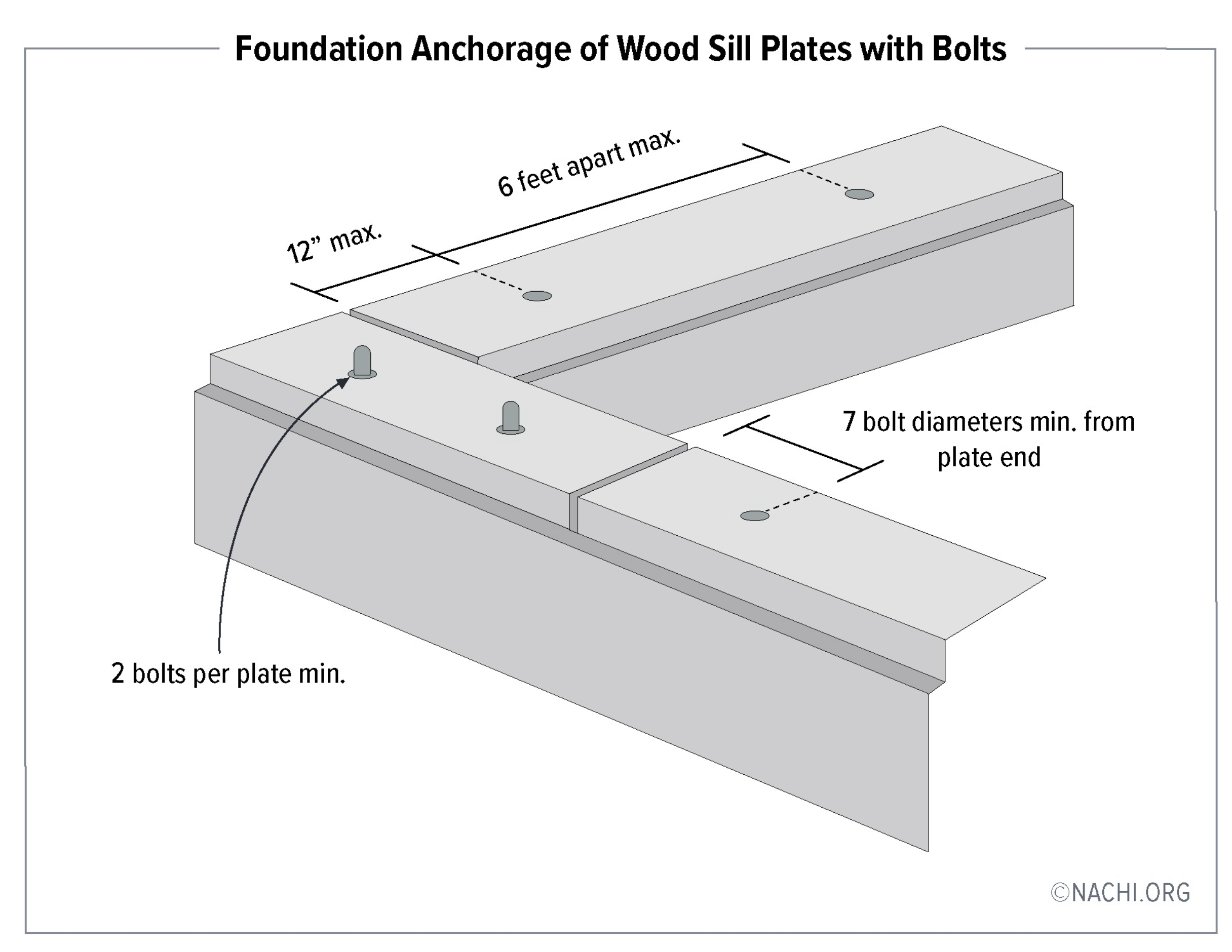
Credit: www.nachi.org
Choosing The Right Anchors
Choosing the right anchors is key to securing a wall to concrete after it has cured. The anchor must hold the wall firmly and safely. Picking the correct type and material ensures strength and durability. It also helps the wall stay stable over time. Understanding different anchor types and their features will guide you in making a good choice. Consider the load the anchor must bear to avoid mistakes.
Types Of Concrete Anchors
Concrete anchors come in many types. Wedge anchors expand as you tighten them, gripping the concrete tightly. Sleeve anchors work well for light to medium loads. Drop-in anchors sit flush inside the hole, good for flush mounting. Epoxy anchors use strong glue for a permanent hold. Choose the type based on wall weight and application.
Anchor Material Options
Anchors are made from steel, stainless steel, or zinc-plated metal. Steel anchors are strong but may rust over time. Stainless steel resists rust and works well outdoors. Zinc-plated anchors have some rust protection but less than stainless steel. Pick material based on environment and how long the anchor must last.
Load Capacity Considerations
Each anchor has a load capacity limit. This means how much weight it can safely hold. Check the wall’s weight and any extra forces. Choose an anchor with a capacity above this total weight. Overloading anchors can cause failure and damage. Always follow manufacturer guidelines for safe load limits.
Preparing The Wall And Concrete
Preparing the wall and concrete is the first step to anchor a wall securely. This preparation ensures strong bonding and long-lasting support. Proper preparation helps avoid problems later.
Cleaning The Surface
Start by cleaning both the wall and concrete surfaces. Remove dirt, dust, grease, and loose debris. Use a wire brush or broom to scrub the surfaces well. A clean surface lets the anchor grip firmly. Avoid using water if it leaves the surface wet. Dry surfaces hold anchors better.
Marking Anchor Points
Next, mark where to place the T anchors. Use a pencil or chalk for clear marks. Check the wall’s measurements carefully. Space the anchors evenly to spread the load. Accurate marks make drilling easier and precise. This step saves time and effort during installation.
Checking For Structural Integrity
Inspect the wall and concrete for cracks or damage. Look for weak spots that may fail under pressure. Small cracks can grow and weaken the hold. Fix any visible damage before anchoring. Solid materials provide the best support for anchors. Safety depends on strong, stable surfaces.
Drilling Into Cured Concrete
Drilling into cured concrete is a key step in anchoring walls securely. The concrete hardens and becomes very tough. You need the right tools and careful methods to drill clean holes without damaging the surface. This section explains how to drill safely and effectively for wall anchoring.
Selecting The Drill Bit
Use a masonry drill bit designed for concrete. Carbide-tipped bits work best. They stay sharp and cut through hard surfaces easily. Choose a bit size that matches the anchor diameter. Avoid using wood or metal bits, as they wear out quickly on concrete.
Drilling Techniques
Start with a slow speed to create a guide hole. Increase speed once the bit is steady. Keep the drill perpendicular to the wall for a straight hole. Use steady pressure but do not force the drill. Pull the bit out occasionally to clear dust and debris. This prevents overheating and bit damage.
Safety Precautions
Wear safety goggles to protect your eyes from dust and chips. Use ear protection as drills can be loud. Work in a well-ventilated area to avoid dust buildup. Keep hands clear of the drill bit. Secure the wall or materials before drilling to prevent movement.
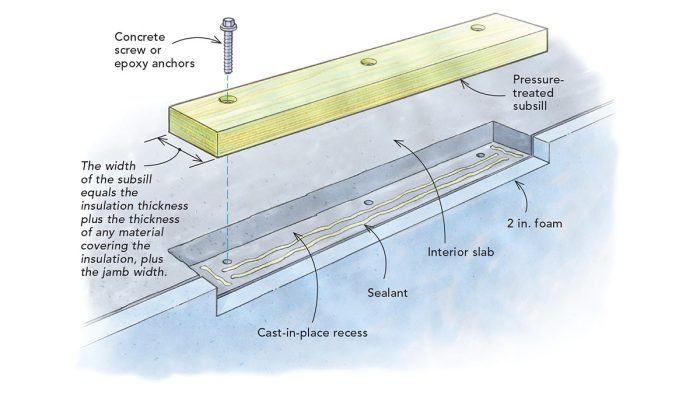
Credit: www.finehomebuilding.com
Installing Different Anchor Types
Installing anchors into cured concrete walls requires choosing the right type for your project. Each anchor works differently and suits specific tasks. Understanding these options helps create a strong, lasting hold.
Expansion Anchors
Expansion anchors use pressure to hold firmly in concrete. Drill a hole, insert the anchor, and tighten the bolt. This action causes the anchor to expand and grip the concrete tightly. They are great for medium loads and easy to install.
Sleeve Anchors
Sleeve anchors consist of a metal sleeve around a threaded bolt. When tightened, the sleeve expands against the hole walls. This creates a strong bond in the concrete. These anchors work well for heavy loads and uneven surfaces.
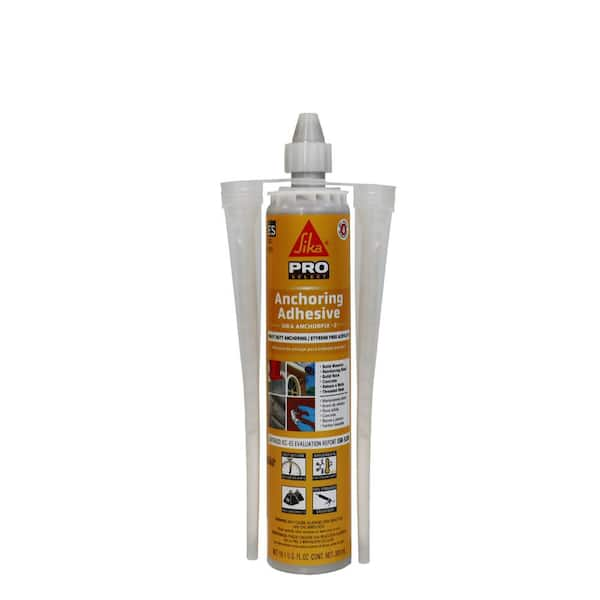
Epoxy Anchors
Epoxy anchors use adhesive to bond bolts inside drilled holes. First, clean the hole to remove dust. Then inject epoxy and insert the bolt. The epoxy hardens and creates a very strong hold. Ideal for heavy-duty applications and irregular holes.
Securing The Wall To Anchors
Securing a wall to concrete anchors is a key step after the concrete has cured. This process ensures the wall stays firmly in place and can handle daily stress. Proper attachment helps the wall resist movement and keeps the structure safe.
Using the right methods and tools is important. The right fastening provides a strong connection between the wall and the concrete. It also helps the wall last longer without damage.
Proper Fastening Methods
Start by choosing the correct fasteners for your wall type and anchors. Use heavy-duty bolts or screws made for concrete. Drill holes carefully to match the anchor size. Tighten fasteners securely but avoid over-tightening.
Use washers to spread pressure evenly. This prevents cracks around the anchor. Check that each fastener sits flush with the wall surface for a neat finish.
Ensuring Stability
Check the wall’s alignment before tightening all fasteners. Adjust as needed to keep the wall level and plumb. Tighten fasteners in a pattern that balances pressure across the wall.
Test the wall gently to confirm it does not move. Add extra anchors if the wall feels loose. Stability means safety for your whole structure.
Avoiding Common Mistakes
Do not skip cleaning the hole before inserting anchors. Dust or debris reduce anchor grip. Avoid using the wrong size fasteners. Too small or too large fasteners weaken the hold.
Do not overtighten fasteners; this can crack the concrete or damage anchors. Avoid missing any anchor points as this reduces the wall’s strength. Follow instructions carefully for the best results.
Credit: www.homedepot.com
Post-installation Checks
After anchoring a wall to concrete, checking the installation is vital. Post-installation checks ensure safety and long-lasting stability. These checks help spot problems early and keep the structure strong over time.
Testing Anchor Strength
Test the anchor’s strength to confirm it holds firm. Use a pull test tool or similar device. Apply steady force to see if the anchor stays secure. Weak anchors can cause wall failure and need fixing immediately.
Inspecting For Damage
Look closely at the anchor and surrounding concrete. Check for cracks, rust, or loose parts. Damage can weaken the connection and risk safety. Early detection allows quick repairs before issues grow worse.
Maintenance Tips
Keep the anchor and wall area clean and dry. Remove dirt and debris regularly to avoid corrosion. Check the anchor every few months for signs of wear. Tighten any loose bolts and replace damaged parts as needed.
Frequently Asked Questions
What Is A T Anchor For Wall To Concrete?
A T anchor is a metal fastener shaped like a “T. ” It secures walls firmly to cured concrete. This prevents shifting and provides structural stability.
When Should I Anchor A Wall To Cured Concrete?
Anchor walls after the concrete has fully cured, usually 28 days. This ensures maximum strength and proper holding capacity of the anchor.
How Do I Install A T Anchor On Cured Concrete?
Drill holes into concrete, insert the T anchor, then tighten bolts. Use a hammer drill and proper anchor size for best results.
Can I Use A T Anchor On All Concrete Types?
T anchors work best on solid, cured concrete surfaces. Avoid using on weak or cracked concrete to ensure safe wall anchoring.
Conclusion
Anchoring a wall to cured concrete is simple with the right steps. Choose the correct anchor type for your project. Drill holes carefully and insert anchors securely. Tighten bolts to hold the wall firmly in place. This method ensures strong support and lasting stability.
Following these tips helps avoid common mistakes. Now, you can confidently attach walls to concrete surfaces. Safety and strength come from proper installation. Keep tools handy and work patiently. Your wall will stay solid for years to come.