If you want to keep your gym safe and your equipment steady, anchoring your gym gear to the wall is a smart move. You might wonder how to do it right without damaging your walls or risking injury.
This guide will walk you through simple, clear steps to securely fix your gym equipment. By the end, you’ll feel confident that your setup is stable and safe, so you can focus on your workouts without worry. Ready to learn how to anchor your gym equipment like a pro?
Let’s get started.
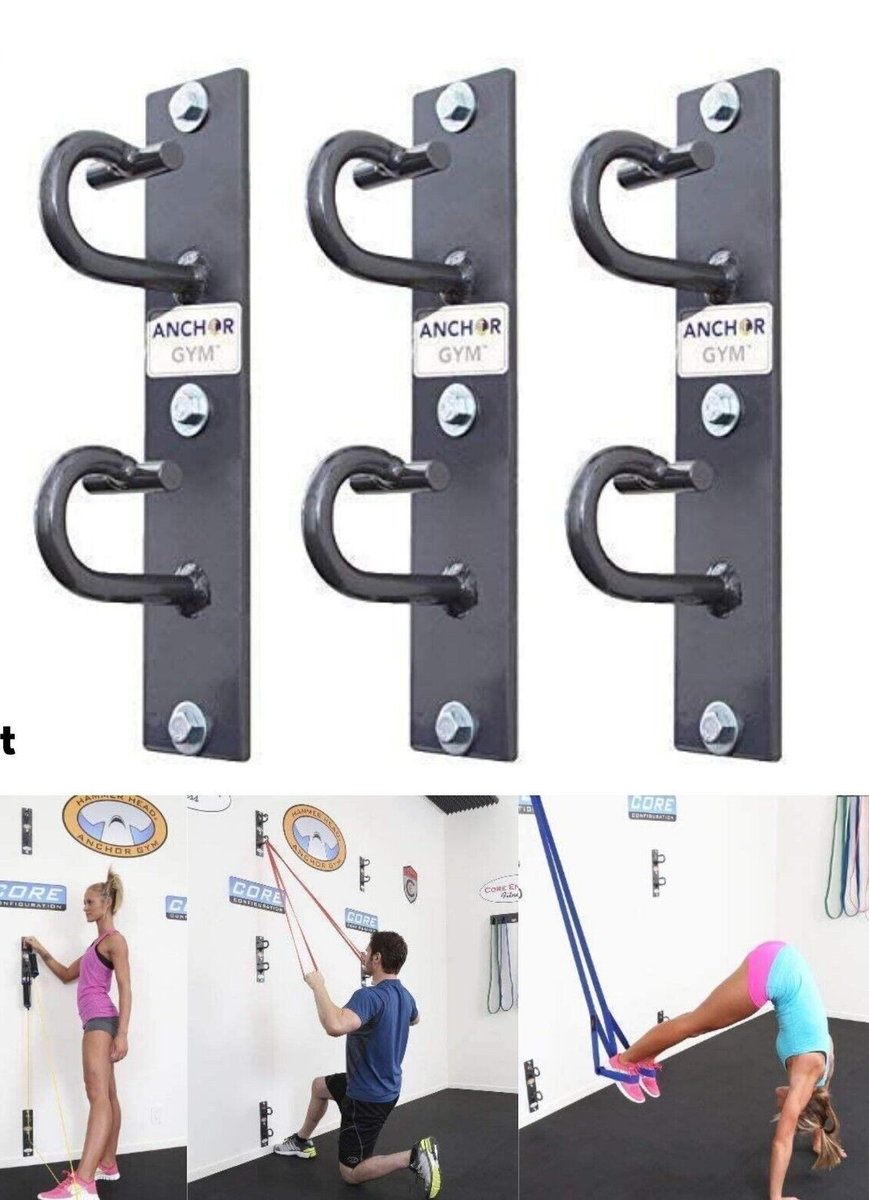
Credit: www.liftingitalia.com
Choosing The Right Wall
Choosing the right wall is key for safely anchoring gym equipment. The wall must hold the weight and stress of your gear. A weak wall can cause damage or accidents. Understanding wall types helps you pick the best spot for mounting your equipment. Focus on strong support areas to keep your gym safe and stable.
Studs Vs. Drywall
Studs are wooden or metal frames behind the wall surface. They provide solid support for heavy objects. Drywall alone cannot hold much weight. Anchoring gym equipment directly into drywall can cause it to fail. Always find studs to secure your mounts. This ensures your equipment stays fixed and safe during use.
Material Strength
Different walls have different strengths. Concrete and brick walls hold weight better than drywall. Wooden walls depend on the quality of the wood and studs. Check the wall material before drilling. Use anchors and screws that match the wall type. Proper materials prevent damage and provide strong support for gym equipment.
Locating Support Beams
Support beams are the best places to anchor gym gear. Use a stud finder to locate them inside walls. Tap the wall and listen for solid sounds to help find beams. Mark the spots clearly before drilling. Anchoring into support beams ensures your equipment stays firm and safe during workouts.

Credit: www.amazon.com
Selecting Proper Anchors
Selecting the proper anchors is key to safely mounting gym equipment to a wall. The right anchor holds the equipment firmly and prevents accidents. Choosing anchors depends on the wall type and the weight of the equipment. Understanding different anchors helps you pick the best fit for your gym gear.
Types Of Wall Anchors
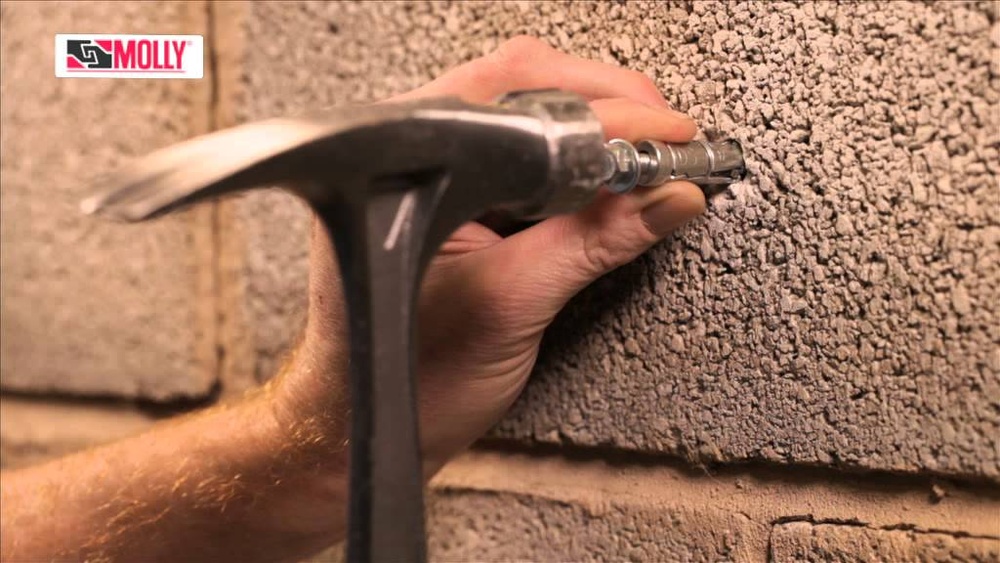
Wall anchors come in many types. Plastic expansion anchors are common for light loads. Metal anchors work better for medium weights. Toggle bolts offer strong support for heavy items. Molly bolts expand behind the wall for a secure hold. Choose the anchor type based on your wall material and load needs.
Weight Capacity Ratings
Every anchor has a weight capacity rating. This rating shows the maximum load the anchor can hold safely. Check this number before buying anchors. Use anchors rated higher than your equipment’s weight. This adds a safety margin and avoids wall damage.
Best Anchors For Gym Gear
Heavy gym equipment needs strong anchors. Toggle bolts are great for drywall and heavy gear. Lag bolts work well on wood studs. For concrete or brick walls, use sleeve or wedge anchors. Always match anchors to wall type and weight. Secure anchors keep your gym safe and stable.
Tools Needed For Installation
Anchoring gym equipment to the wall needs the right tools. These tools make the job easier and safer. Using proper tools also helps keep your equipment secure and stable. Below are the main tools needed for installation.
Drills And Bits
A power drill is essential for making holes in the wall. Choose the drill bits based on the wall material. Masonry bits work well for brick or concrete walls. Wood bits suit wooden walls. Use the right size bit for the anchors you will use. This step ensures a tight fit and strong hold.
Measuring Tools
Accurate measurements are key to proper installation. A tape measure helps find the right height and spacing. A level ensures the equipment stays straight and balanced. Marking tools, like a pencil or chalk, guide your drill spots. Precise measuring prevents mistakes and keeps your equipment stable.
Safety Equipment
Safety gear protects you during installation. Wear safety goggles to shield your eyes from dust and debris. Gloves protect your hands from sharp edges and tools. A dust mask helps avoid breathing in particles from drilling. Safety equipment keeps the process risk-free and comfortable.
Step-by-step Installation Guide
Securing gym equipment to a wall is essential for safety and stability. Follow this simple guide to anchor your equipment correctly. Each step is clear and easy to follow, even for beginners. Take your time to ensure a strong and safe installation.
Marking Anchor Points
Start by holding the gym equipment against the wall. Use a pencil to mark where the anchors will go. Double-check that the marks match the mounting holes on the equipment. Make sure the marks are level and spaced evenly. This step ensures your equipment will sit flat and secure.
Drilling Pilot Holes
Choose a drill bit that matches the size of your wall anchors. Drill holes on the marked points carefully. Drill straight and to the right depth. Avoid drilling too deep or too shallow. Clean out dust from the holes to help anchors fit better.
Securing Anchors
Insert the anchors into the drilled holes. Tap them gently with a hammer until flush with the wall. Check that anchors are tight and do not move. Properly secured anchors provide a strong base for your equipment.
Mounting Equipment
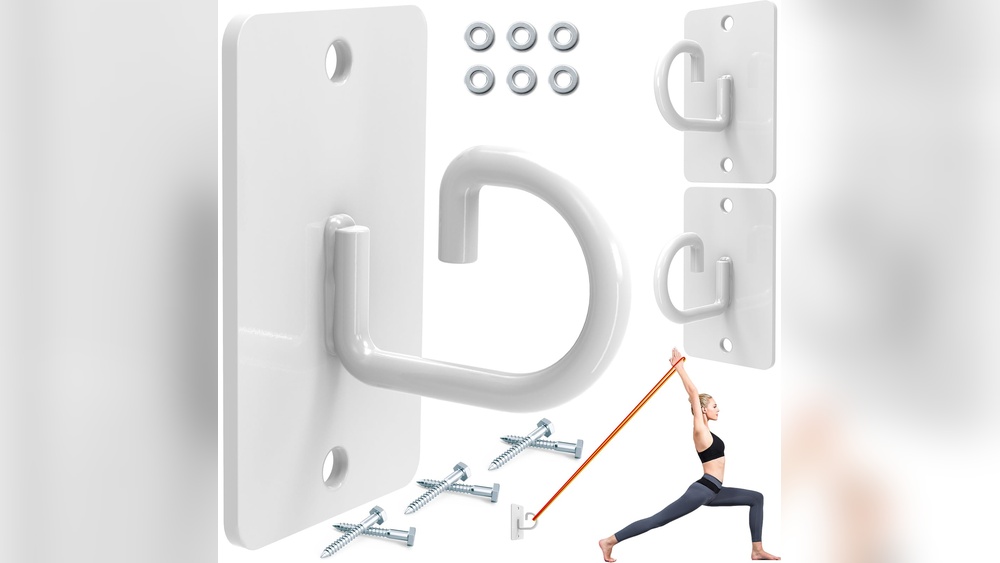
Line up the equipment with the secured anchors. Insert screws through the equipment’s mounting holes. Tighten screws evenly using a screwdriver or drill. Avoid over-tightening to prevent damage. Test the equipment for stability before use.
Safety Checks And Maintenance
Safety checks and maintenance keep gym equipment secure and reliable. Proper care prevents accidents and extends equipment life. Regular attention ensures the wall anchors stay strong and steady.
Testing Stability
Push and pull the equipment gently to check its hold. It should not move or wobble. Test all anchored points to confirm they remain tight. Stability tests help spot problems early before use.
Regular Inspections
Set a schedule to inspect the anchors and wall. Look for signs of rust, cracks, or loose bolts. Clean dust and dirt around the anchors to prevent damage. Frequent checks keep the equipment safe and ready.
Addressing Wear And Tear
Replace any worn or damaged parts immediately. Tighten bolts and screws as needed to maintain strength. Use rust-resistant materials to avoid corrosion on metal parts. Fixing issues quickly avoids bigger safety risks.
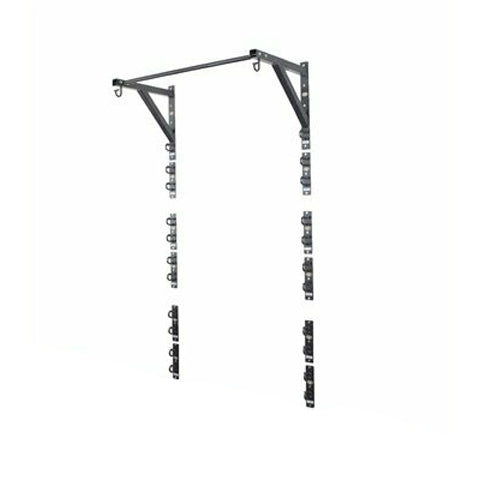
Credit: axtionfitness.com
Common Installation Mistakes
Anchoring gym equipment to a wall is important for safety and stability. Many people make simple mistakes during installation. These errors can cause damage or accidents. Knowing common mistakes helps avoid problems and ensures a secure setup.
Improper Anchor Selection
Choosing the wrong anchor weakens the hold. Use anchors designed for heavy loads. Plastic anchors often fail under gym equipment weight. Metal anchors or toggle bolts work better for heavy gear. Check the anchor’s weight rating before buying.
Ignoring Wall Type
Different walls need different anchors. Drywall cannot hold heavy equipment alone. Stud walls require anchors that go into the studs. Concrete or brick walls need masonry anchors. Identify your wall type first. This step ensures the right anchor choice.
Overloading Equipment
Each anchor has a weight limit. Overloading causes anchors to pull out. Know the total weight of your equipment. Include any extra forces during use. Stay below the anchor’s recommended weight to keep things safe.
Frequently Asked Questions
How Do I Anchor Gym Equipment To A Wall Safely?
Use heavy-duty anchors suited for your wall type. Locate studs or use masonry anchors for concrete walls. Securely fasten equipment with bolts and washers. Always follow manufacturer guidelines for weight limits and installation instructions to ensure safety and stability.
What Tools Are Needed To Anchor Gym Equipment?
You will need a drill, appropriate drill bits, a stud finder, a level, wrench or socket set, and heavy-duty wall anchors or bolts. These tools help ensure precise and secure installation of your gym equipment on the wall.
Can I Anchor Gym Equipment On Drywall Alone?
No, drywall alone is not strong enough. Always anchor gym equipment into wall studs or solid masonry. Using only drywall anchors risks equipment falling and causing injury or damage. Reinforce the wall if necessary before installation.
How Do I Find The Best Wall Anchors For Gym Gear?
Choose anchors based on wall material and equipment weight. For drywall, use toggle or molly bolts. For concrete or brick, use sleeve or wedge anchors. Always verify anchor load ratings to ensure they support your gym equipment safely.
Conclusion
Anchoring gym equipment to the wall keeps your space safe and organized. It stops heavy machines from tipping or moving during workouts. Using the right tools and anchors makes the job easier and stronger. Always check the wall type before starting to drill.
A secure setup helps protect both you and your equipment. Take time to follow each step carefully. This small effort makes a big difference in your gym’s safety and function. Stay safe and enjoy your workouts with confidence.