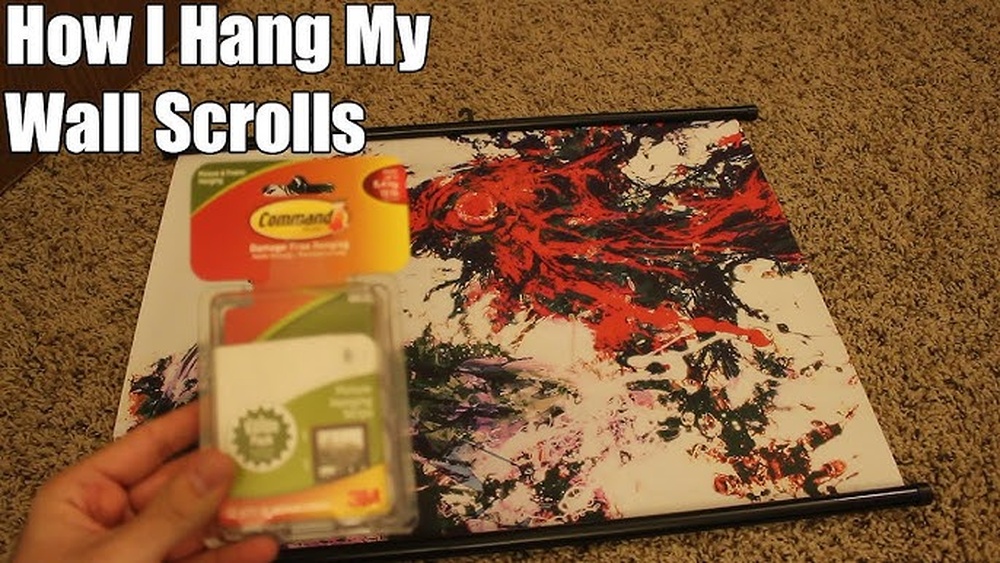
You’ve probably used 3M Command Hooks to hang pictures, keys, or decorations without damaging your walls. But now, when it’s time to remove them, you might be worried about leaving sticky residue or ruining your paint.
What if you could take them off quickly and cleanly, without any hassle? You’ll discover simple, step-by-step tips to get those hooks off your wall safely and effortlessly. Keep reading—you’ll be surprised how easy it can be!

Credit: www.reddit.com
Tools You’ll Need
Removing 3M Command Hooks from walls needs some simple tools. Having the right tools makes the job easier and protects your wall from damage. Gather these items before starting to ensure a smooth process.
Basic Supplies
- Plastic card or old credit card – to gently lift edges
- Hairdryer – to warm the adhesive and soften it
- Stretching tool or floss – to pull the adhesive strip down slowly
- Clean cloth – to wipe off residue after removal
- Rubbing alcohol – to clean sticky spots
Optional Helpers
- Thin plastic scraper – to loosen stuck edges carefully
- Rubber gloves – for better grip and protection
- Patience – to avoid rushing and damaging the wall
Preparing The Hook For Removal
Preparing the hook for removal is the first step in taking down 3M Command Hooks without damaging your wall. This process helps make the removal smooth and safe. It reduces the risk of peeling paint or leaving sticky residue behind. Follow these simple steps to get ready.
Clear The Area
Remove any items hanging on the hook. Clear the wall space around the hook. This gives you enough room to work safely. Avoid pulling or tugging on the hook with objects attached. A clear area ensures no damage happens during removal.
Hold The Hook Properly
Grip the hook firmly but gently. Hold it close to the wall surface. Avoid pressing too hard on the hook’s front. This helps prevent bending or breaking the hook. Proper hold gives better control while pulling the adhesive strip.
Step-by-step Removal Process
Removing 3M Command Hooks from your wall is easy when done right. Follow a simple step-by-step process to avoid damage. This method works well on most wall surfaces. It helps keep your walls clean and smooth. Take your time and be gentle for best results.
Start by locating the adhesive strip behind the hook. This strip holds the hook firmly in place. Knowing how to handle it carefully is key. The right technique prevents paint peeling or wall marks. Let’s break down the steps to remove the hook safely.
Stretch The Adhesive Strip
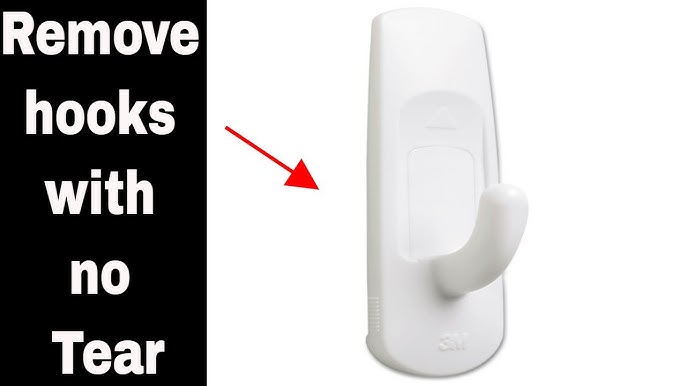
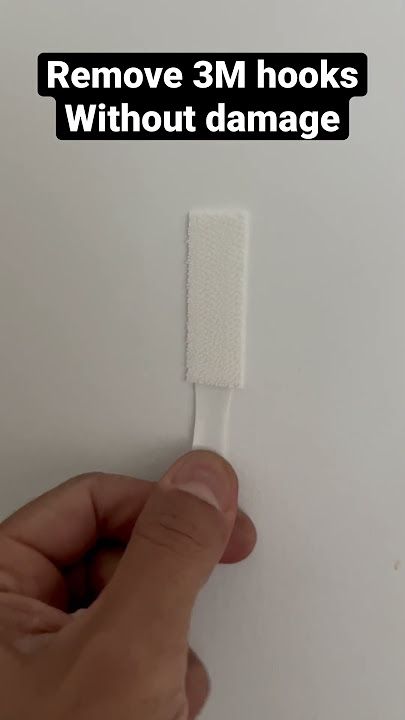
Hold the hook with one hand to keep it steady. With your other hand, grab the adhesive strip’s end. Pull the strip slowly straight down, along the wall. Stretching the strip weakens the glue’s hold. Keep pulling until the strip releases from the wall. Do not pull the strip outward or up. This could damage the wall surface.
Peel Slowly And Steadily
Pull the strip at a slow, steady pace. Avoid quick or jerky movements. A slow peel helps the strip stretch evenly. This reduces the chance of wall damage. If the strip feels stuck, stop and try again. Use your fingers to support the wall near the strip. This adds extra care during removal.
Credit: www.youtube.com
Alternative Removal Methods
Removing 3M Command Hooks can be tricky sometimes. The usual pull method may not work well on all surfaces. Alternative removal methods help make the process easier and safer. These methods reduce wall damage and keep surfaces clean. Two effective techniques are using heat and applying rubbing alcohol.
Using Heat
Heat softens the adhesive behind the hook. Use a hairdryer on low or medium heat. Hold it close to the hook for about 30 seconds. The warmth loosens the sticky glue. Slowly pull the hook away from the wall. Heat helps prevent paint or wallpaper from peeling off.
Applying Rubbing Alcohol
Rubbing alcohol breaks down the adhesive gently. Soak a cotton ball or cloth with the alcohol. Dab it around the edges of the hook’s base. Let it sit for a few minutes. The glue softens, making it easier to remove the hook. Clean the wall afterward with a damp cloth to remove residue.
Tips To Avoid Wall Damage
Removing 3M Command Hooks without hurting the wall takes care and the right method. Using the right steps protects paint and drywall. It keeps your wall looking clean and fresh.
Follow these tips to avoid wall damage and make removal easy.
Avoid Pulling Upwards
Do not pull the hook straight up from the wall. This can peel paint or damage drywall. Instead, pull the tab slowly straight down along the wall. This stretches the adhesive gently. It releases the hook without pulling the wall surface.
Work Gently And Patiently
Take your time with the removal process. Rushing can cause damage to the wall. Gently stretch the adhesive strip little by little. Keep pulling down slowly until the hook comes off. Patience helps keep the wall safe and smooth.
Cleaning Residue From Walls
Removing 3M Command hooks often leaves sticky residue on walls. This residue can be stubborn and unattractive. Cleaning it properly protects your wall’s paint and finish. Use gentle methods to avoid damage. The goal is to clear residue without harsh scrubbing.
Mild Cleaning Solutions
Start with mild cleaning solutions to soften residue. Mix warm water with a little dish soap. Use a soft cloth soaked in this solution. Gently dab the sticky spots to loosen glue. Avoid strong chemicals that can peel paint. Vinegar diluted with water also works well. Apply with a cloth and wait a few minutes. This helps dissolve sticky residue safely.
Safe Scrubbing Techniques
Use soft sponges or microfiber cloths for scrubbing. Avoid rough scrubbers that can scratch walls. Rub gently in small circular motions. Do not press too hard to protect paint. Test any cleaning method on a hidden wall spot first. Repeat scrubbing and rinsing until residue fades. Dry the area with a clean towel after cleaning. This keeps your wall smooth and residue-free.
Preventing Damage In Future Use
Preventing damage to your walls is key when using 3M Command Hooks. These hooks are designed to hold items without leaving marks. Taking simple steps can keep your walls clean and smooth. Careful use helps you avoid peeling paint or holes. Follow easy tips to protect your walls during both application and removal.
Choosing The Right Hook Size
Select a hook that matches your item’s weight. Too small a hook can pull off paint or drywall. Too large a hook may waste space and resources. Check the package for weight limits before buying. Using the correct size keeps your walls safe and your items secure.
Proper Application And Removal
Clean the wall surface with rubbing alcohol before applying. Avoid using soap or water, which can reduce stickiness. Press the hook firmly for 30 seconds to set it well. When removing, pull the tab slowly straight down. This stretches the adhesive and stops wall damage.
Credit: www.youtube.com
Frequently Asked Questions
How Do I Remove 3m Command Hooks Without Damaging Walls?
Gently pull the adhesive strip straight down, not outward. This stretches the strip and releases the bond. Avoid peeling it off to prevent wall damage.
Can I Reuse 3m Command Hooks After Removal?
No, 3M Command Hooks are designed for one-time use. Removing the adhesive strip breaks its bond. For best results, use a new strip for reapplication.
What If The Command Hook Leaves Residue On The Wall?
Use a mild adhesive remover or rubbing alcohol. Apply gently with a soft cloth to avoid wall damage. Clean until all residue is gone.
How Long Should I Wait Before Removing Command Hooks?
Wait at least one hour after applying. This ensures the adhesive fully bonds to the wall. Removing too soon may cause damage or poor removal.
Conclusion
Removing 3M Command Hooks from your wall is simple and safe. Pull the tab slowly and straight down to avoid damage. Use heat from a hairdryer if the adhesive is stubborn. Clean the area with rubbing alcohol after removal. This method keeps your walls clean and ready for new hooks.
Follow these easy steps for a smooth removal every time. You can keep your space neat without leaving marks or holes.