Looking to boost your home’s security quickly and easily? Installing a Schlage deadbolt on your door is one of the smartest moves you can make.
You don’t need to be a pro or have special tools to get it done right. In this guide, you’ll discover simple, step-by-step instructions that anyone can follow. By the end, you’ll have a strong, reliable lock protecting your home—and the peace of mind that comes with it.
Ready to get started? Let’s dive in.
Tools And Materials Needed
Before starting the installation of a Schlage deadbolt, gather all the necessary tools and materials. Having everything ready saves time and avoids interruptions.
Each tool has a specific role in making the installation smooth and safe. Use the right materials to ensure the deadbolt works well and lasts long.
Tools Required For Installing A Schlage Deadbolt
- Phillips screwdriver – to tighten screws securely
- Power drill with drill bits – to create holes in the door
- Hole saw – to cut the main hole for the deadbolt
- Tape measure – to check correct placement
- Pencil – to mark drill points on the door
- Chisel – to create space for the lock plate
- Hammer – to assist with chiseling
- Level – to ensure the deadbolt is straight
Materials Needed For Deadbolt Installation
- Schlage deadbolt lock set – includes the lock, keys, and strike plate
- Wood screws – to secure the lock and strike plate
- Wood filler or putty – to fix any mistakes or gaps
- Sandpaper – to smooth rough edges after drilling or chiseling

Credit: www.youtube.com
Choose The Right Deadbolt
Choosing the right deadbolt is the first step to secure your door properly. A good deadbolt offers safety and fits your door well. It also matches the style of your home. Picking the right one makes installation easier and more effective.
Types Of Schlage Deadbolts
Schlage offers several deadbolt types. Single-cylinder deadbolts use a key outside and a thumb turn inside. Double-cylinder deadbolts need a key on both sides. This adds extra security but requires careful use. There are also electronic deadbolts with keypads for keyless entry.
Consider Door Thickness
Check your door’s thickness before buying. Most Schlage deadbolts fit doors 1-3/8 to 1-3/4 inches thick. If your door is thicker, look for a model that fits. Proper fit ensures the deadbolt works smoothly and locks securely.
Security Grades
Deadbolts come in different security grades. Grade 1 is the strongest, best for high security. Grade 2 offers good security for most homes. Grade 3 is basic and meets minimum standards. Choose a grade based on your security needs and budget.
Finish And Style
Deadbolts come in various finishes like satin nickel, bronze, and polished brass. Pick a finish that matches your door hardware. Style matters for appearance and can blend with your home’s look. A matching deadbolt adds to your door’s appeal.
Prepare The Door
Preparing the door is the first step to install a Schlage deadbolt. This stage ensures the lock fits well and works smoothly. Precise preparation saves time and avoids mistakes later.
Start by checking the door’s thickness and existing holes. Make sure the door is solid and clean. Proper preparation makes installation easier and the lock more secure.
Measure And Mark
Measure the height for the deadbolt hole on the door edge. Typically, it is 6 to 12 inches above the door handle. Use a tape measure for accuracy.
Mark the center point on the door face. This mark guides the main hole drilling. Use a pencil to make clear, visible marks.
Measure the backset distance, usually 2 3/8 or 2 3/4 inches. Mark the spot on the door edge for the latch hole. Double-check all measurements to avoid errors.
Drill Holes
Start drilling the main hole on the door face using a hole saw bit. Choose the size recommended in the Schlage instructions, usually 2 1/8 inches.
Drill slowly and steadily to avoid splintering the wood. Stop when you reach the other side of the door.
Next, drill the latch hole on the door edge with a spade bit. Use the size specified by the lock kit, often 1 inch. Make the hole deep enough for the latch to fit fully.
Finally, drill holes for the screws on the door edge. These small holes help secure the latch plate. Countersink them slightly for a flush fit.
Install The Deadbolt Mechanism
Installing the deadbolt mechanism is a key step in securing your door. This part holds the lock in place and allows the deadbolt to slide smoothly. Proper installation ensures the lock works well and keeps your home safe.
Follow each step carefully. Small mistakes can cause the lock to jam or not close properly. Take your time and use the right tools for the best results.
Attach The Latch
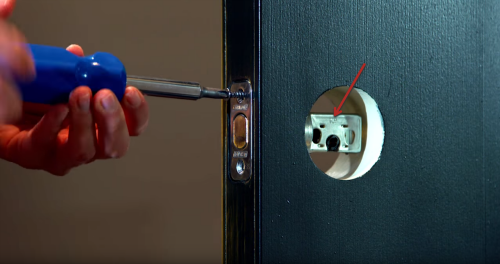
Start by placing the latch into the hole on the door edge. Make sure the angled side faces the door frame. This helps the bolt slide easily when locking.
Press the latch flush against the door. Use screws to secure it tightly. Loose screws can cause the latch to move and fail over time.
Secure The Deadbolt
Next, line up the deadbolt mechanism with the latch inside the door. Insert the tailpiece through the latch. It connects the lock cylinder to the bolt.
Hold the exterior and interior parts of the lock in place. Use screws to fasten them securely. Check that the deadbolt moves freely before tightening all screws.
Install The Exterior And Interior Plates
Installing the exterior and interior plates is a key step in setting up your Schlage deadbolt. These plates hold the lock components firmly in place. Proper installation ensures smooth operation and security.
Take your time with this part. A well-aligned exterior plate makes the lock easy to use. The interior plate must fit tightly to keep the lock stable.
Align Exterior Plate
Start by placing the exterior plate on the door’s outside. Align it so the keyhole lines up with the hole in the door. Check that the tailpiece of the lock fits through the hole. Hold the plate steady and avoid shifting it. This alignment helps the lock work smoothly.
Attach Interior Plate
Next, position the interior plate on the door’s inside. Make sure it matches the exterior plate’s holes. Insert the screws through the interior plate into the exterior plate. Tighten the screws evenly. Do not over-tighten, or the plates might warp. A secure fit keeps the deadbolt stable for daily use.

Credit: www.youtube.com
Test The Deadbolt
Testing the deadbolt is a key step after installation. It ensures the lock works smoothly and keeps your door secure. You want to make sure the deadbolt moves easily and fits well in the strike plate. This step saves time and trouble later.
Check Lock Operation
Turn the key or thumb turn to extend the deadbolt. It should slide in and out without sticking. Try locking and unlocking several times. Listen for any unusual sounds or resistance. The bolt should fully enter the strike plate hole. If it does not, the lock may not secure the door properly.
Adjust If Necessary
If the deadbolt is hard to turn or does not align, make small adjustments. Loosen screws on the strike plate and move it slightly. Tighten screws again and test the lock. Repeat until the deadbolt moves smoothly. Check door alignment and hinges if problems continue.
Tips For Maintenance And Security
Keeping your Schlage deadbolt in good shape helps protect your home. Proper care makes the lock last longer. It also keeps your door secure against unwanted entry. Follow simple steps to maintain and secure your deadbolt.
Regular Cleaning Of The Deadbolt
Clean the lock surface with a soft cloth. Avoid harsh chemicals that can damage the finish. Use mild soap and water if needed. Dry the lock well after cleaning. This prevents rust and keeps the lock smooth.
Lubricate The Lock Mechanism
Apply a small amount of graphite or silicone spray inside the keyhole. Do this twice a year for smooth operation. Avoid oil-based lubricants that attract dirt. Proper lubrication stops the lock from sticking or jamming.
Check For Loose Screws
Inspect the screws on the lock and door regularly. Tighten any loose screws to keep the lock stable. A loose lock can be easy to force open. Secure screws improve the strength of the deadbolt.
Test The Deadbolt Function
Turn the key and thumb turn often to check smoothness. Ensure the bolt fully extends and retracts. Fix any stiffness or resistance quickly. A well-functioning deadbolt locks and unlocks without trouble.
Upgrade Your Security Features
Consider adding a strike plate with longer screws. This strengthens the door frame against force. Change the lock’s keys if lost or stolen. Use smart locks or alarms for extra protection. Small upgrades can increase your home’s safety.
Credit: www.schlage.com
Frequently Asked Questions
How Do I Prepare My Door For Schlage Deadbolt Installation?
Start by measuring the door thickness and backset accurately. Mark the holes for the latch and lock cylinder using the template. Drill holes carefully, ensuring they align perfectly to fit the deadbolt components snugly.
What Tools Are Needed To Install A Schlage Deadbolt?
You will need a drill, Phillips screwdriver, tape measure, pencil, and a hole saw. A chisel may be required to mortise the latch plate. Having these tools ready ensures a smooth installation process.
How Do I Align The Deadbolt With The Strike Plate?
Align the strike plate with the door frame’s edge where the bolt extends. Mark the correct position and chisel out the area for a flush fit. Secure the plate with screws for proper deadbolt function and security.
Can I Install A Schlage Deadbolt On Any Door Type?
Most standard wooden and metal doors can accommodate a Schlage deadbolt. Ensure the door thickness matches the lock specifications, usually between 1-3/8” and 1-3/4”. Check compatibility before purchase for optimal fit and security.
Conclusion
Installing a Schlage deadbolt on your door is simple and secure. Follow each step carefully for the best fit. Take your time to align parts correctly. Test the lock to make sure it works smoothly. A good deadbolt adds safety and peace of mind.
Now, your door has stronger protection against unwanted entry. Enjoy the confidence that comes with a well-installed lock. Keep tools handy for future adjustments or maintenance. This small task makes a big difference in home security.