
Are you struggling to hang something heavy on your wall without worrying it will fall? Knowing how to install a plastic toggle wall anchor can make that task much easier and safer for you.
These anchors provide strong support where regular screws just won’t hold. In this guide, you’ll get clear, simple steps to help you install plastic toggle wall anchors like a pro. By the end, you’ll feel confident tackling your next wall-hanging project with ease and security.
Keep reading to learn exactly what you need to do!
Types Of Plastic Toggle Anchors
Plastic toggle wall anchors come in different types for various uses. Each type fits a specific need and wall type. Choosing the right one helps secure your items safely.
Standard Toggle Anchors
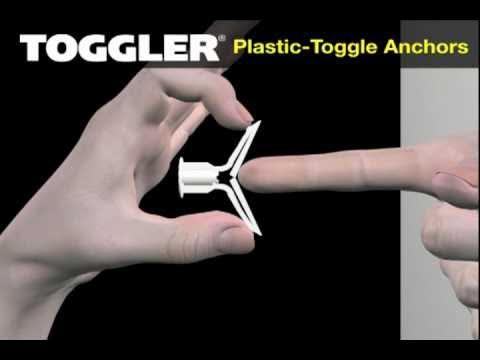
Standard toggle anchors are common for light to medium loads. They have wings that open behind the wall. This spreads the load over a wider area. These anchors work well with drywall and hollow walls.
Heavy-duty Variants
Heavy-duty plastic toggle anchors hold more weight. They are bigger and stronger than standard ones. These anchors suit heavier objects like shelves or mirrors. They offer extra support for thicker walls.
Specialty Anchors
Specialty anchors serve unique purposes. Some fit into narrow spaces or uneven surfaces. Others resist moisture or temperature changes. These anchors help in areas like bathrooms or kitchens.
Tools And Materials Needed
To install a plastic toggle wall anchor properly, gather the right tools and materials first. This helps ensure a smooth and safe installation process. Having everything ready saves time and avoids mistakes.
Drill And Drill Bits
A drill is essential for making holes in the wall. Use drill bits sized to match the anchor’s diameter. This creates a perfect hole for the anchor to fit tightly. Without the correct drill bit, the anchor may not hold well.
Screwdriver Options
Choose a screwdriver that fits the screws you plan to use. Both flathead and Phillips head screwdrivers work depending on the screw type. A good fit prevents stripping the screw head and makes installation easier.
Measuring Tools
Measuring tools help mark the exact spot for the anchor. A tape measure or ruler works well for this. Marking precise points keeps anchors aligned and sturdy after installation.
Preparing The Wall
Preparing the wall is the first step to install a plastic toggle wall anchor correctly. It ensures the anchor holds firmly and supports the weight safely. Proper preparation avoids damage and keeps the wall strong.
Locating The Right Spot
Choose a spot on the wall that can hold the anchor securely. Avoid places with pipes or wires behind. Use a stud finder to check for safe areas. The anchor works best in drywall without studs.
Marking And Measuring
Measure the area carefully before drilling. Use a pencil to mark the exact point where the anchor will go. Check the height and distance from other fixtures. Accurate marks help prevent mistakes and save time.
Drilling The Hole
Pick a drill bit that fits the anchor size. Drill slowly to avoid cracking the wall. Keep the drill straight and steady. Clean out any dust from the hole before inserting the anchor.

Credit: toggler.com
Installing The Toggle Anchor
Installing a plastic toggle wall anchor is simple and effective for hanging heavy items. The process involves three key steps. Each step ensures the anchor holds firmly inside the wall. Follow these steps carefully for the best results.
Inserting The Anchor
Begin by drilling a hole in the wall. The hole must match the anchor size. Push the toggle anchor through the hole. The wings of the toggle must be folded flat. Gently push the anchor until the wings clear the inside wall.
Engaging The Toggle
Once inside, the wings will open wide. This spreads the load across a larger area. Pull the anchor slightly back toward you. This action locks the toggle in place behind the wall. Make sure the toggle sits flat against the wall’s interior.
Securing The Anchor
Insert the screw through your item and into the anchor. Tighten the screw slowly. The toggle will pull tight and hold the anchor firmly. Avoid over-tightening to prevent damage. Your anchor is now ready to support heavy loads safely.
Tips For A Secure Fit
Getting a secure fit with plastic toggle wall anchors is key for strong support. This section shares simple tips to help your anchors hold tight. Follow these steps to avoid common errors and ensure your anchors stay stable. Small adjustments make a big difference in the final result.
Avoiding Common Mistakes
Drill the right hole size for the anchor. Too big or too small will cause problems. Push the anchor gently into the hole. Forcing it may damage the wall or anchor. Do not skip cleaning out dust from the hole. Dust stops the anchor from gripping the wall well.
Checking Anchor Stability
After inserting the toggle anchor, pull gently on it. It should feel firm and not wiggle. If the anchor moves, remove it and try again. Check that the toggle fully opens behind the wall. A loose toggle means less holding power and risk of damage.
Adjusting For Wall Thickness
Use anchors made for your wall’s thickness. Thick walls need longer toggles to open fully inside. Thin walls need shorter anchors to avoid breaking the wall surface. Measure your wall before buying anchors. Proper length ensures the best hold without damage.
Credit: www.youtube.com
Troubleshooting Installation Issues
Troubleshooting installation issues with plastic toggle wall anchors helps ensure a secure hold. Problems often occur during or after installation. Identifying common issues can save time and effort. Below are solutions to frequent problems and tips for prevention.
Anchor Not Holding
An anchor that does not hold may be loose or improperly set. Check if the toggle inside the wall fully opened. If not, remove the anchor and try again carefully. Avoid over-tightening the screw, which can damage the anchor. Use the correct size anchor for the weight you want to support. Reinstall with a new anchor if needed.
Hole Too Large Or Small
A hole that is too large causes the anchor to slip or fall out. Use a drill bit matching the anchor’s size for a perfect fit. A hole too small prevents the anchor from fitting fully inside the wall. Enlarge the hole carefully without making it too big. Measure twice before drilling to avoid this issue.
Wall Damage Prevention
Prevent wall damage by drilling slowly and steadily. Avoid forcing anchors into the wall. Use plastic anchors designed for your wall type. If the wall feels weak, choose anchors for drywall or plaster. Filling damaged holes with spackle before reinstalling helps maintain wall strength.
Applications And Best Uses
Plastic toggle wall anchors work well for many projects around the house. They provide strong support in places where screws alone might fail. Knowing the best uses helps you get the most from these anchors. Use them where extra strength and secure holds are needed.
Hanging Heavy Items
These anchors hold heavy items like shelves, mirrors, and TVs. They spread the weight over a wider area inside the wall. This stops the wall from breaking or the item from falling. Use them for items that need a strong, safe mount.
Use In Drywall Vs. Plaster
Plastic toggle anchors work best in drywall because it is soft. They expand behind the drywall to hold tight. In plaster walls, they might not grip as well because plaster is harder. Test the wall first or choose another anchor type for plaster.
Outdoor Vs. Indoor Usage
These anchors are mostly for indoor use. Plastic can weaken with sun and rain exposure. For outdoor projects, use anchors made for weather resistance. Indoors, they last longer and keep your items secure.

Credit: www.youtube.com
Frequently Asked Questions
What Tools Are Needed To Install Plastic Toggle Wall Anchors?
You need a drill, screwdriver, plastic toggle anchors, and a pencil. A drill bit matching the anchor size is essential for proper fitting. Having a tape measure helps ensure accurate placement. These basic tools simplify the installation process effectively.
How Do Plastic Toggle Wall Anchors Work?
Plastic toggle anchors expand behind the wall when inserted. This expansion creates a strong grip in drywall or hollow walls. They support heavier items by distributing weight evenly. This mechanism prevents anchors from pulling out easily.
Can Plastic Toggle Anchors Support Heavy Wall Items?
Yes, plastic toggle anchors can support medium to heavy items. They are ideal for hanging shelves, mirrors, and cabinets. Always check the anchor’s weight rating before use. Proper installation ensures maximum load-bearing capacity.
How To Avoid Damage When Installing Toggle Anchors?
Use the correct drill bit size to avoid oversized holes. Drill slowly and carefully to prevent wall damage. Insert anchors gently without forcing them. Following instructions reduces risks of wall cracks or anchor failure.
Conclusion
Installing plastic toggle wall anchors is simple with these clear steps. Measure and mark the spot carefully. Drill the right hole size for a secure fit. Insert the toggle anchor gently until it opens behind the wall. Tighten the screw slowly to hold your item firmly.
This method keeps your walls strong and prevents damage. Practice makes it easier and quicker next time. Try it out and see how sturdy your fixtures become.


