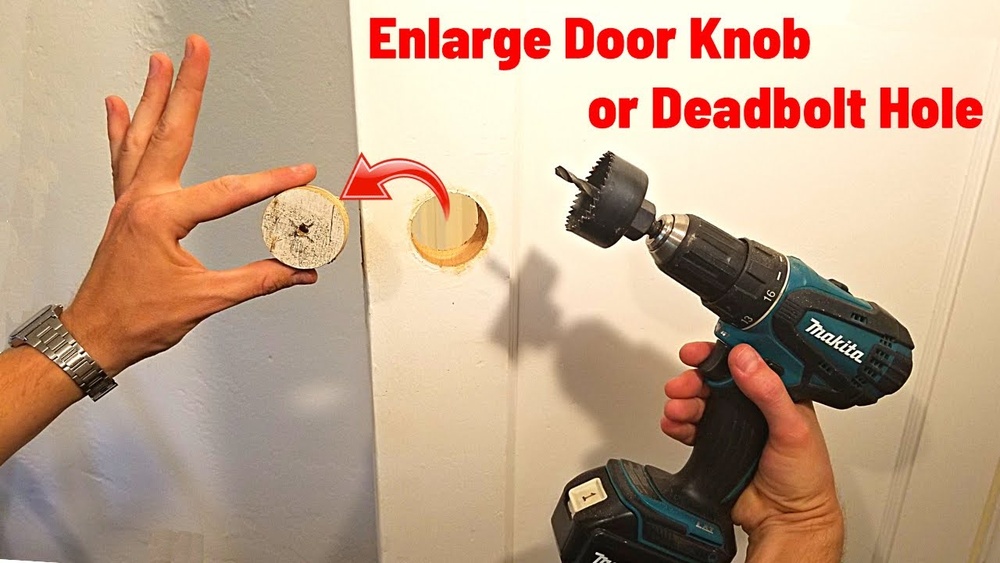
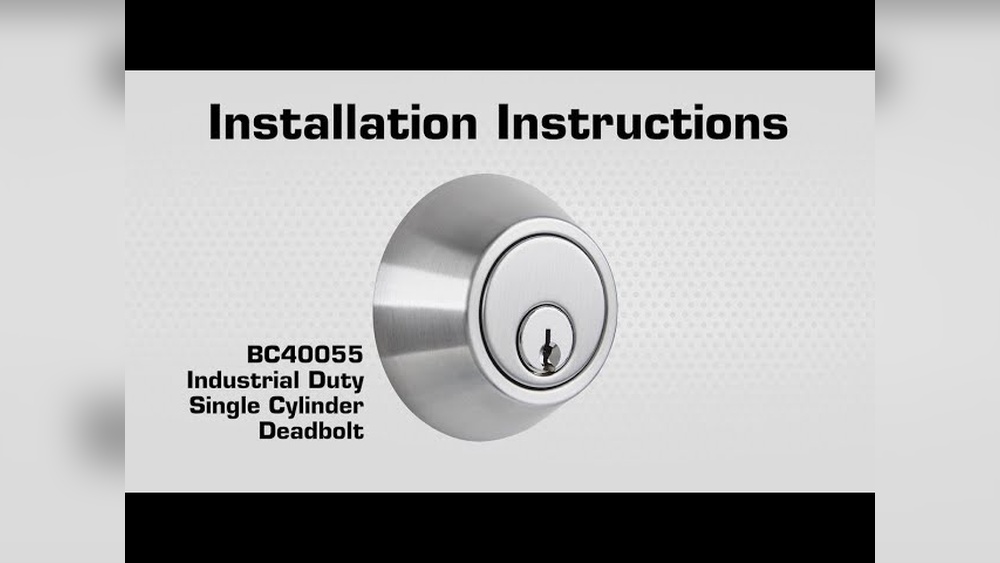
Have you ever found yourself locked out or wishing you could add an extra layer of security to your home? Knowing how to key a deadbolt lock can save you time, money, and stress.
Imagine having the confidence to customize your locks yourself, without needing a locksmith every time. In this guide, you’ll discover simple, step-by-step instructions that anyone can follow. By the end, you’ll have the skills to key your deadbolt lock with ease and keep your home safer than ever.
Ready to take control of your security? Let’s get started.
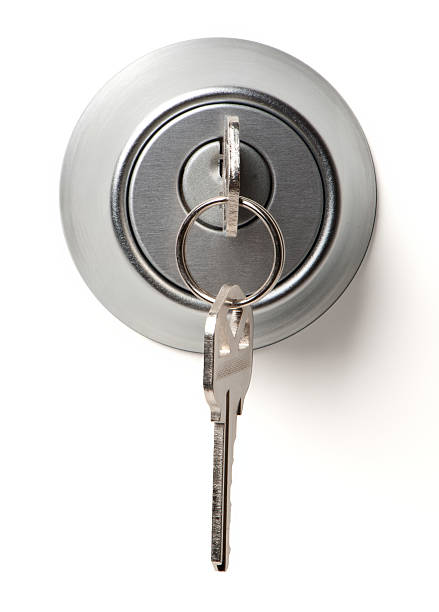
Credit: www.istockphoto.com
Tools Needed
To key a deadbolt lock, you need the right tools. Using proper tools makes the task easier and safer. It also helps you avoid damage to the lock or door.
This section lists essential tools for keying a deadbolt lock. Each tool has a specific role in the process. Knowing these tools helps you prepare well.
Lock Pinning Kit
A lock pinning kit contains different sizes of pins and springs. These pins match the key cuts to control the lock’s operation. The kit helps you customize the lock to a new key.
Key Gauge
A key gauge measures the depth of cuts on a key. It ensures the pins match the key’s shape perfectly. This tool helps create accurate keys for the lock.
Plug Follower
A plug follower helps remove the plug from the lock cylinder. It keeps the pins and springs in place during rekeying. This tool avoids losing small parts inside the lock.
Pick And Tension Wrench
These tools help open the lock if the key is lost. They allow access to the lock’s pins and plug. Picking tools are useful in emergency situations.
Flathead Screwdriver
A flathead screwdriver helps remove screws on the lock. It allows access to the lock’s internal parts. This simple tool is essential for disassembly.
New Keys
New keys are necessary to match the rekeyed lock. They must fit the new pin configuration. Having the keys ready speeds up the process.
Types Of Deadbolt Locks
Deadbolt locks come in different types. Each type offers unique features and security levels. Knowing these types helps you choose the right deadbolt for your home or office.
Single Cylinder
Single cylinder deadbolts have a keyhole on the outside. Inside, they use a thumb turn to lock or unlock. These are common for homes because they are easy to use. They offer good security but can be risky if there is glass near the door.
Double Cylinder
Double cylinder deadbolts require a key on both sides. This design adds extra security for doors with glass panels. It stops intruders from breaking the glass and reaching inside. Use this type carefully to avoid locking yourself out during emergencies.
Keyless Deadbolts
Keyless deadbolts use a code or fingerprint to unlock. They do not need a traditional key. These locks offer convenience and quick access. They are good for families or businesses with many users. Some models include alarms for added safety.
Preparing The Lock
Preparing a deadbolt lock is the first step to key it correctly. This step helps avoid problems later.
Take time to prepare the lock. It makes the process smoother and safer.
Removing The Old Key
Start by removing the old key from the lock. If it is stuck, do not force it.
Use a lubricant spray to loosen the lock if needed. Gently wiggle the key while pulling it out.
Removing the old key clears the way to work on the lock pins and cylinder.
Inspecting The Lock Mechanism
Open the lock to check its parts. Look for dirt, rust, or damage inside.
Clean the lock mechanism with a cloth or brush. Avoid using water or harsh chemicals.
Check if all parts move freely. Fix or replace broken parts before keying the lock.
Step-by-step Keying Process
Keying a deadbolt lock requires careful attention to detail. Following the right steps ensures the lock works smoothly with your new key. This section guides you through the keying process step-by-step.
Aligning The Key Pins
Start by removing the lock cylinder from the deadbolt. Inside, you will see a series of pins. These pins must match the cuts on your new key. Use a pinning kit to adjust each pin’s length. Align the pins so they sit flush with the cylinder’s edge. Proper alignment is crucial for the lock to turn easily.
Inserting The New Key
Carefully insert the new key into the lock cylinder. It should slide in smoothly without force. The key cuts must fit perfectly against the pins. If the key does not fit, recheck the pin lengths. Correct pinning allows the key to move inside the cylinder freely.
Testing The Lock Function
After inserting the key, test the lock’s function by turning the key. The cylinder should rotate without sticking or jamming. Lock and unlock the deadbolt several times to confirm smooth operation. Adjust pins if the lock feels tight or does not turn fully.
Troubleshooting Common Issues
Troubleshooting common issues helps fix deadbolt lock problems fast. It saves time and avoids frustration. Understanding typical problems makes keying easier. Below are common issues and how to handle them.
Key Won’t Turn
Keys may not turn due to dirt or rust inside the lock. Try spraying a small amount of lubricant. Move the key gently to loosen the pins. Avoid forcing the key to prevent breaking it. Sometimes, the wrong key causes this issue. Check if you use the correct key for the lock.
Lock Jamming
Lock jamming happens when parts inside get stuck. Dust and debris often cause this problem. Clean the keyhole using compressed air or a soft brush. Lubricate the lock to improve movement. If the lock jams often, check for broken parts inside. Replacing worn parts may be needed for smooth operation.
Misaligned Pins
Misaligned pins block the key from turning properly. This happens if pins do not line up with the key cuts. Try inserting and removing the key several times. This may realign the pins inside. Using the wrong key can cause misalignment. Ensure the key matches the lock pins perfectly.
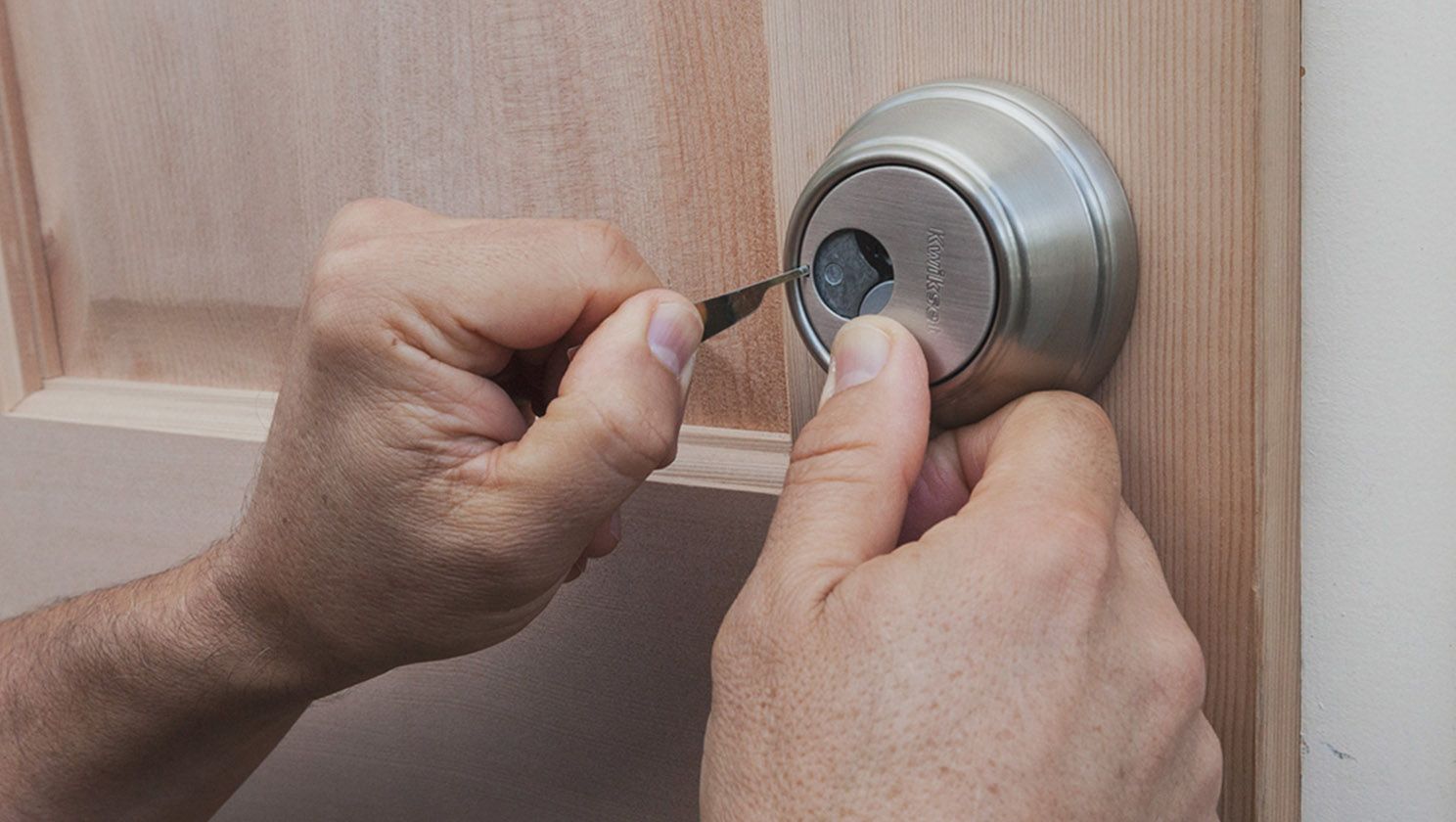
Credit: www.kwikset.com
Maintaining Your Deadbolt
Maintaining your deadbolt is key to keeping your home safe. A well-maintained lock works smoothly and lasts longer. It also helps prevent costly repairs or replacements.
Simple steps like cleaning and checking the lock can avoid many problems. Regular care keeps the mechanism strong and reliable. Let’s explore easy ways to maintain your deadbolt.
Regular Lubrication
Lubricate your deadbolt every six months. Use a graphite powder or a silicone-based spray. Avoid oil-based lubricants; they attract dust and dirt.
Apply lubricant directly into the keyhole and moving parts. This reduces friction and helps the lock turn easily. It also prevents the lock from sticking or jamming.
Wipe off any excess lubricant to avoid buildup. Proper lubrication keeps your deadbolt smooth and quiet.
Periodic Inspections
Check your deadbolt regularly for signs of wear or damage. Look for loose screws, rust, or misalignment. Tighten screws if needed to keep the lock secure.
Test the key and lock operation each month. Make sure the key turns without force. If you notice difficulty turning the key, fix it quickly.
Inspect the strike plate on the door frame too. Ensure it is properly aligned with the bolt. Misalignment can cause the lock to fail or wear out faster.
When To Call A Locksmith
Knowing when to call a locksmith is important for your safety and convenience. Some lock problems need a professional touch. Trying to fix them yourself can cause more damage.
Recognizing the right time to get help saves time and money. It also keeps your home secure. A locksmith has the tools and skills to handle tough lock issues.
Locked Out Without A Spare Key
Getting locked out happens to many people. If no spare key is available, a locksmith can help you enter safely. They open the lock without breaking it.
Broken Or Damaged Deadbolt
A deadbolt that won’t turn or is stuck might be broken inside. A locksmith can repair or replace it quickly. This avoids leaving your home vulnerable.
Lost Or Stolen Keys
Losing your keys or having them stolen is risky. Call a locksmith to change the lock or rekey it. This keeps strangers from entering your home.
Need For Lock Upgrade Or Rekey
After moving to a new house or for added security, rekeying is smart. A locksmith can change the lock’s internal pins to fit new keys. This is cheaper than a full replacement.
Credit: www.expressdoorsdirect.co.uk
Frequently Asked Questions
How Do I Key A Deadbolt Lock Correctly?
To key a deadbolt lock, align the pins inside the cylinder with the key cuts. Use a key gauge or pick tools carefully. Turn the plug gently to avoid damage. Practice patience and precision for successful keying.
What Tools Are Needed To Key A Deadbolt Lock?
You need a key gauge, tension wrench, plug follower, and pick set. These tools help manipulate the pins and remove the cylinder safely. Proper tools ensure accuracy and prevent lock damage during keying.
Can I Key A Deadbolt Lock Myself At Home?
Yes, you can key a deadbolt at home with the right tools and instructions. It requires patience and attention to detail. Beginners should follow tutorials or seek professional advice to avoid lock damage.
How Long Does It Take To Key A Deadbolt Lock?
Keying a deadbolt lock usually takes 10 to 30 minutes. Time depends on your skill level and lock complexity. Practice and proper tools can reduce the time needed to complete the process.
Conclusion
Keying a deadbolt lock is simple with the right steps. Practice patience and work carefully. Always check your work to ensure the lock turns smoothly. This skill helps you control who can enter your home. Keep your tools organized and follow safety tips.
With time, you will feel more confident. Try this process on different locks to improve. Stay safe and protect your property easily.