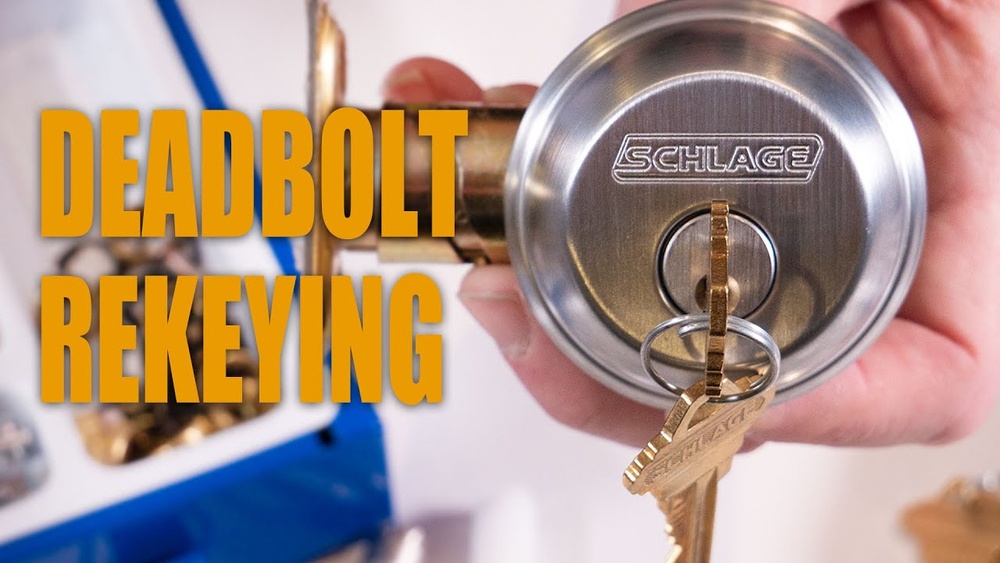
Want to take control of your home security without calling a locksmith? Learning how to key a Schlage deadbolt yourself can save you time and money.
Imagine being able to customize your locks exactly how you want, quickly and easily. In this guide, you’ll discover simple steps to rekey your Schlage deadbolt safely and effectively. By the end, you’ll feel confident handling your lock like a pro—and keep your home secure on your terms.
Keep reading to unlock the secrets!
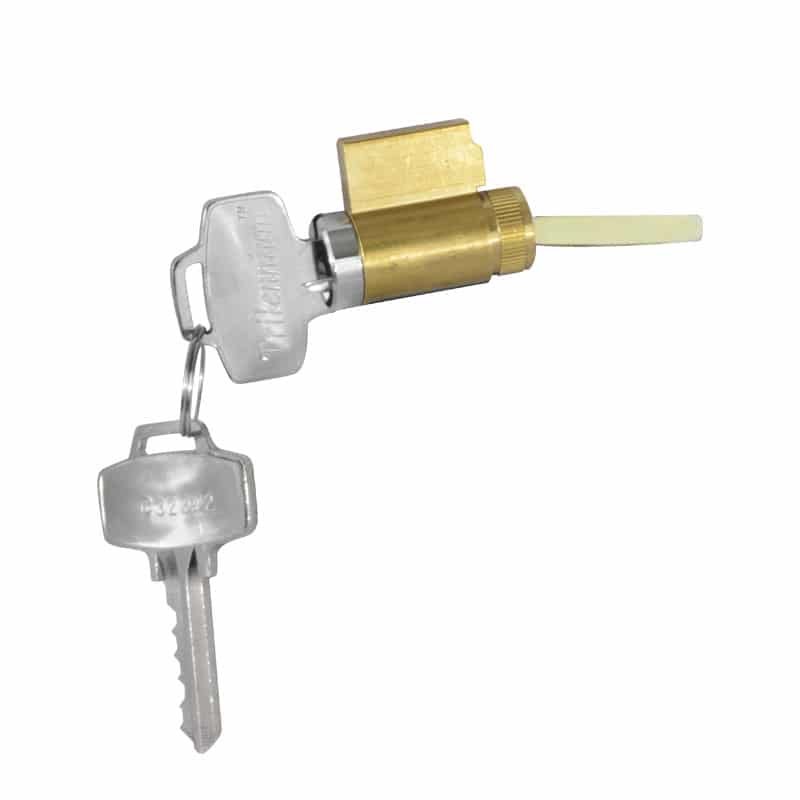
Credit: www.betterdoor.com
Tools Needed
Keying a Schlage deadbolt requires the right tools for best results. Having these tools ready helps you work smoothly and safely. The process becomes easier when you use the proper equipment. Below are the main tools you need to get started.
Essential Keying Tools
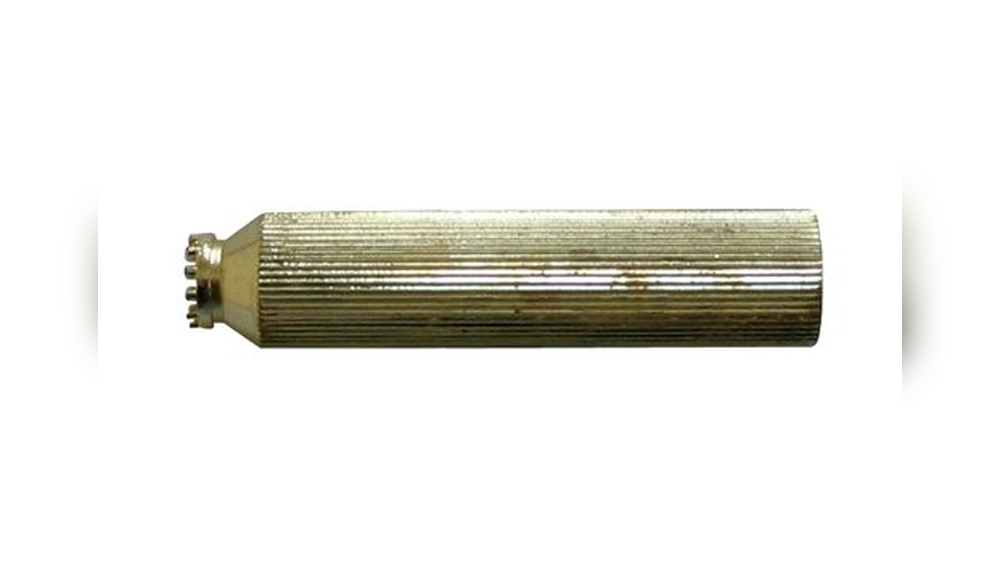
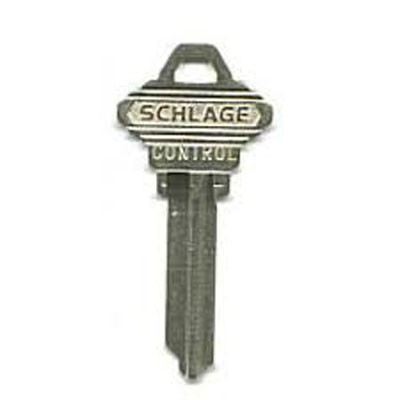
Start with a Schlage key blank, which matches your lock model. A pinning kit is vital; it contains pins of various sizes. You need a plug follower to remove and insert the lock cylinder smoothly. A pinning tweezers help handle tiny pins without dropping them. A key gauge lets you measure cuts on the key precisely. Use a small screwdriver to open the lock and access the pins. These tools ensure accurate keying and prevent damage.
Safety Equipment
Wear safety glasses to protect your eyes from flying debris or metal shavings. Use gloves to avoid pinching your fingers or getting cuts. Work in a well-lit area to see small parts clearly. Keep your workspace clean to avoid losing tiny components. Safety helps you focus and finish your task without injury or frustration.
Credit: www.craftmasterhardware.com
Types Of Schlage Deadbolts
Schlage deadbolts come in several types to fit different security needs. Each type offers unique features for home protection. Knowing these types helps you choose the right lock for your door.
Single Cylinder Models
Single cylinder deadbolts have a key hole on the outside. Inside, there is a thumb turn for easy locking and unlocking. These are common on most residential doors. They provide quick access from inside without a key.
Double Cylinder Models
Double cylinder deadbolts have key holes on both sides of the door. This design adds extra security by requiring a key to unlock from inside or outside. They are often used on doors with glass near the lock. This prevents someone from breaking the glass and unlocking the door.
Electronic Deadbolts
Electronic deadbolts use keypads or smart technology instead of traditional keys. Users enter a code or use a smartphone app to unlock. These locks offer convenience and can track who enters and exits. Batteries power electronic models, so regular checks are important.
Preparing The Lock
Preparing the lock is the first step to key a Schlage deadbolt properly. A clean and ready lock helps the key work smoothly. Taking time to prepare prevents problems later.
This section explains how to remove the cylinder and clean the parts. These steps make sure the lock stays in good shape.
Removing The Cylinder
Start by taking off the lock’s faceplate. Use a screwdriver to remove the screws holding it. Gently pull the cylinder out of the lock body. Keep the screws safe to reuse. This step gives access to the inner parts for keying.
Cleaning The Components
Use a soft cloth to wipe dirt and dust from the cylinder. Avoid harsh chemicals that can damage the metal. Apply a small amount of lubricant inside the cylinder. This helps pins move freely when inserting the key. Clean parts work better and last longer.
Keying Process
The keying process for a Schlage deadbolt involves precise steps. Each step ensures the lock works smoothly with the key. Understanding these steps helps in correctly setting up your deadbolt.
Aligning The Pins
Inside the lock, pins must line up perfectly. Each pin matches a cut on the key. When pins align, the lock cylinder can turn. Use the correct key blanks to start. Adjust the pins carefully to match the key’s shape. This step is critical for smooth operation.
Inserting The Key
Insert the key gently into the lock. Make sure it slides in without force. The key should fit snugly but not stick. This confirms the pins are aligned properly. If the key does not enter fully, check pin placement. Proper insertion is vital for testing the lock.
Testing The Mechanism
After inserting the key, turn it slowly. The lock should rotate without resistance. If it does not turn easily, adjust the pins again. Test several times to ensure consistent function. Proper testing guarantees the deadbolt secures your door well.
Reassembling The Deadbolt
Reassembling the Schlage deadbolt is a crucial step after keying it. This part ensures the lock works smoothly and fits securely. A careful approach helps avoid damage and keeps your lock reliable. Follow each step closely for the best results.
Securing The Cylinder
Place the cylinder back into the lock body gently. Align it carefully with the internal components. Make sure the key turns freely without resistance. Use the screws provided to fix the cylinder in place. Tighten screws evenly to avoid misalignment. Check that the cylinder does not wobble.
Final Adjustments
Test the deadbolt by turning the key several times. Confirm the bolt slides smoothly into the door frame. Adjust the screws if the bolt feels stiff or loose. Ensure the faceplate sits flush against the door. Close the door and test the lock from both sides. Make small tweaks until the lock operates perfectly.
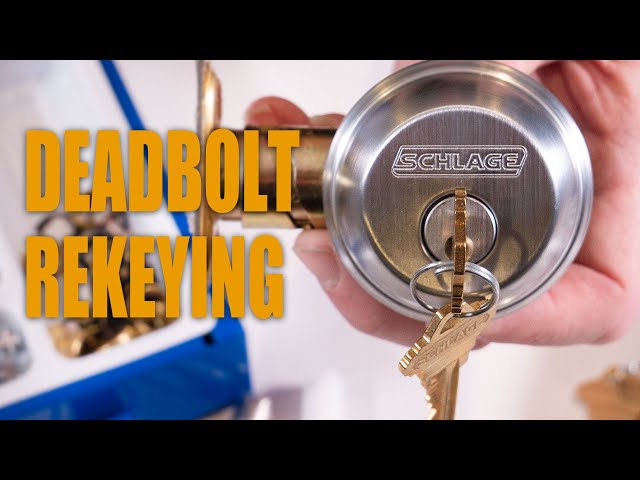
Credit: www.youtube.com
Troubleshooting Common Issues
Troubleshooting common issues can help you fix your Schlage deadbolt quickly. Knowing what causes problems saves time and effort. Here are some typical problems and simple fixes.
Key Not Turning Smoothly
A key that does not turn smoothly often means dirt or debris inside the lock. Use a graphite-based lubricant to clean the keyhole. Avoid oil-based lubricants as they attract dust. Try turning the key gently after applying lubricant. If the problem continues, check the key for damage or wear.
Lock Jamming
Lock jamming happens when parts inside the deadbolt do not move freely. Cold weather can cause metal to contract and jam the lock. Warm the lock gently with a hairdryer to fix this. If the lock still jams, inspect the bolt and strike plate for obstruction. Tighten any loose screws that might block movement.
Misaligned Pins
Misaligned pins inside the lock cylinder can prevent the key from working. This often happens after rekeying or using the wrong key. Try reinserting the key slowly and fully. If misalignment continues, remove the lock cylinder and check the pins. Adjust them carefully or seek professional help if unsure.
Maintenance Tips
Proper maintenance keeps your Schlage deadbolt working smoothly. It prevents jams and wear. Simple care extends the lock’s life and keeps your home secure.
Lubrication
Lubricate the deadbolt twice a year. Use a graphite-based lubricant or a silicone spray. Avoid oil-based products as they attract dust. Apply the lubricant inside the keyhole and on moving parts. This helps the lock turn easily without sticking.
Regular Inspections
Check the deadbolt regularly for signs of damage or wear. Look for loose screws or parts. Test the key and bolt to ensure smooth movement. Fix or replace any worn parts immediately. Regular checks prevent bigger problems later.
Frequently Asked Questions
How Do I Rekey A Schlage Deadbolt Lock?
To rekey a Schlage deadbolt, remove the lock from the door first. Use a Schlage rekey kit to change the pins inside the cylinder. Follow the kit’s instructions carefully for proper pin placement. This process matches the lock to your new key.
What Tools Are Needed To Key A Schlage Deadbolt?
You need a Schlage rekey kit, a screwdriver, and needle-nose pliers. The kit includes new pins and a key gauge. These tools help you disassemble the lock and replace the pins efficiently and safely.
Can I Rekey A Schlage Deadbolt Without Removing It?
No, you must remove the deadbolt from the door. Removing the lock lets you access the cylinder and pins easily. Trying to rekey it while installed can damage the lock or cause incorrect pin placement.
How Long Does It Take To Rekey A Schlage Deadbolt?
Rekeying a Schlage deadbolt typically takes 15 to 30 minutes. The time depends on your experience and the tools available. Following the rekey kit instructions step-by-step ensures a smooth, quick process.
Conclusion
Keying a Schlage deadbolt takes patience and careful steps. Follow the guide slowly to avoid mistakes. Always double-check your work before finishing. This helps keep your home safe and secure. Practice makes the process easier over time. With the right tools and focus, you can do it yourself.
Save money and feel proud of your work. Keep your keys in a safe place to prevent loss. Trust the process and enjoy the result.