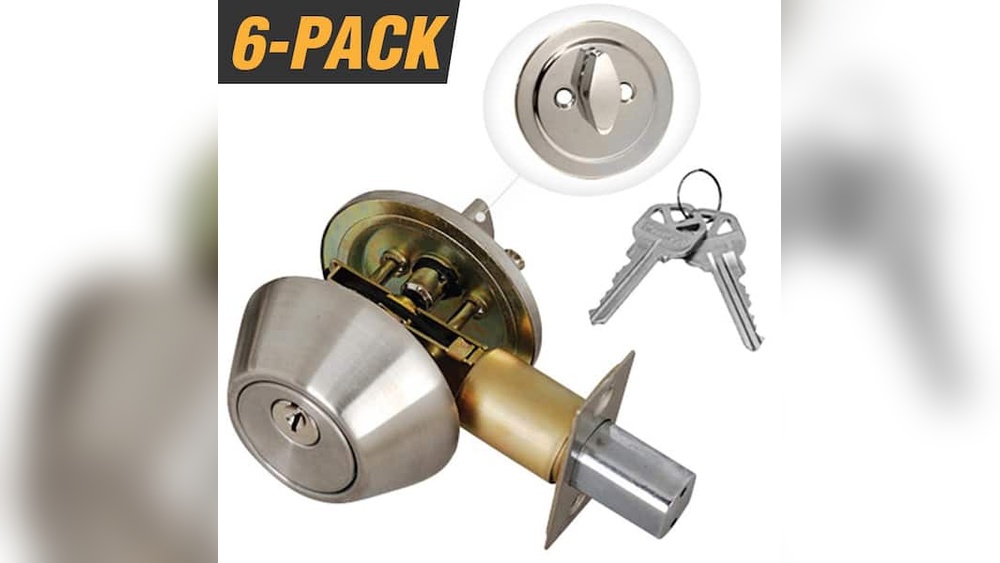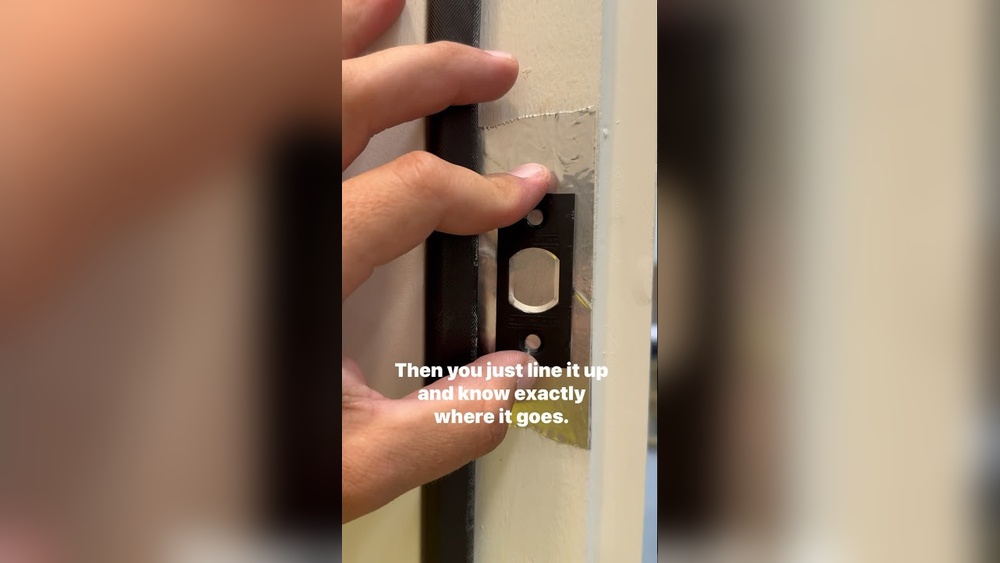
Are you struggling to get your deadbolt to lock smoothly? One common issue might be the strike plate alignment.
When the strike plate isn’t lined up correctly, your deadbolt can stick, jam, or even fail to secure your door properly. But don’t worry—fixing this is simpler than you think. In this guide, you’ll learn how to line up your deadbolt strike plate step-by-step, so your lock works perfectly every time.
Keep reading, and you’ll have a secure, hassle-free door in no time.
Choosing The Right Strike Plate
Choosing the right strike plate is key for a secure deadbolt lock. The strike plate holds the bolt in place when locked. A good fit prevents the door from rattling or being forced open. Select a strike plate that matches your door and lock type. This ensures smooth locking and better protection.
Types Of Strike Plates
Strike plates come in several types. Standard strike plates fit most interior doors. Reinforced strike plates add extra metal around the bolt hole. These are best for exterior doors that need more security. Some strike plates have a longer lip for thicker doors. Choose the type based on your door’s needs and location.
Material And Durability
Strike plates are made from different materials. Steel strike plates offer high strength and resist wear. Brass strike plates resist corrosion and look nice on wooden doors. Zinc strike plates are budget-friendly but less durable. Pick a material that lasts and fits your environment, like metal for outside doors.
Compatibility With Deadbolt
Strike plates must match your deadbolt size and style. A mismatch can cause the bolt to miss the hole or bind. Measure your deadbolt’s bolt length and width before choosing a plate. Some deadbolts require special strike plates for smooth operation. Check product details to ensure a perfect fit for your lock.

Credit: www.reddit.com
Tools Needed For Installation
Installing a deadbolt strike plate requires the right tools to ensure a secure fit. Using proper tools helps align the strike plate accurately. This avoids future problems with locking and unlocking your door.
Below are the essential tools needed for a smooth installation process.
Measuring Tools
Measuring tools ensure the strike plate fits perfectly. A tape measure helps check the door frame size. A ruler or a combination square measures the exact position for the plate. Accurate measurements prevent mistakes and save time.
Marking Tools
Marking tools help mark the spots to drill holes. A pencil or a fine-tip marker works best for clear marks. Marking guides the drilling and keeps the strike plate in the right place. Correct marks make installation easier and more precise.
Screwdrivers And Drills
Screwdrivers secure the strike plate with screws. A Phillips or flathead screwdriver fits most screws. A power drill speeds up the process and creates pilot holes. Pilot holes prevent wood from splitting and ensure tight screws.
Preparing The Door Frame
Preparing the door frame is a key step to line up a deadbolt strike plate correctly. This step ensures the deadbolt fits smoothly and locks securely. A well-prepared frame prevents issues like sticking or misalignment. Take time to do this right.
Removing Old Strike Plate
Start by unscrewing the old strike plate from the door frame. Keep the screws in a safe place in case you need them later. Remove any nails or staples holding the plate. Take off the plate carefully to avoid damaging the wood.
Cleaning The Surface
Clear away dirt, dust, and paint from the door frame. Use a brush or a damp cloth to clean the area. Make sure the surface is smooth and dry before moving on. A clean frame helps the new strike plate fit tightly and evenly.
Marking The New Position
Close the door and extend the deadbolt fully. Note where the bolt touches the frame. Use a pencil to mark this spot clearly. Check if the new strike plate lines up with this mark. Accurate marking is vital for proper deadbolt function.

Credit: www.reddit.com
Aligning The Strike Plate
Aligning the strike plate is a key step in installing a deadbolt. It ensures the bolt slides smoothly into the door frame. Proper alignment stops the door from sticking or not locking properly. This process requires careful measuring and positioning. Follow these steps to align your strike plate perfectly.
Measuring The Deadbolt Throw
Start by measuring the deadbolt throw. This is the distance the bolt extends into the door frame. Use a ruler or tape measure for accuracy. Measure from the edge of the door to the bolt tip when fully extended. Record this length carefully. It helps position the strike plate correctly.
Positioning The Plate
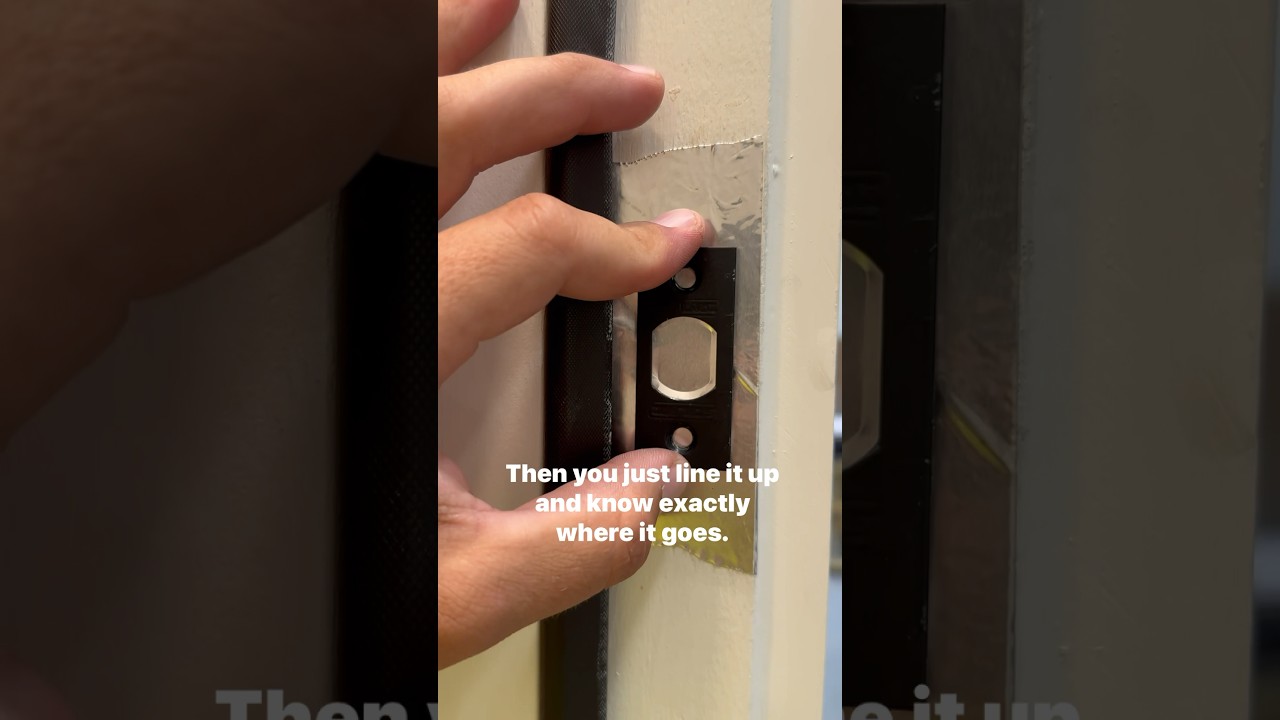
Next, position the strike plate on the door frame. Mark the spot where the bolt hits the frame. Align the plate so the bolt will enter the hole smoothly. Hold the plate in place and mark the screw holes. Make sure the plate sits flush with the frame surface. This prevents gaps that can weaken the lock.
Checking The Alignment
Check the alignment before attaching the plate permanently. Close the door slowly and watch the bolt enter the strike plate. The bolt should fit easily without force. If it doesn’t, adjust the plate slightly up or down. Test again until the bolt slides in smoothly every time.
Installing The Strike Plate
Testing the deadbolt function is key after installing the strike plate. It ensures your lock works well and keeps your door secure. This step helps catch any problems early. It saves time and effort later.
Locking And Unlocking Smoothly
Check if the deadbolt moves easily. Turn the key or thumb turn slowly. The bolt should slide in and out without force. Listen for any unusual sounds. Sticking or grinding means adjustment is needed. A smooth action means the strike plate is aligned well.
Adjusting If Necessary
If the deadbolt sticks, adjust the strike plate position. Loosen screws slightly. Move the plate up, down, left, or right a little. Tighten screws and test the lock again. Repeat until the bolt locks and unlocks smoothly. Small changes make a big difference.
Testing The Deadbolt Function
Securing a deadbolt strike plate properly is key for strong door security. Simple steps can make your door harder to break into. Focus on fixing the strike plate firmly to stop forced entry. Small changes help your lock last longer and work better.
Using Longer Screws
Replace short screws with longer ones. Use screws at least 3 inches long. They reach deep into the door frame. This holds the strike plate tight against the frame. Stronger hold means better resistance to kick-ins.
Adding A Reinforcement Plate
Install a reinforcement plate over the strike plate area. It spreads force over a larger space. This prevents the door frame from cracking. Steel plates are best for extra strength. Reinforcement plates improve overall door security.
Regular Maintenance
Check the strike plate and screws often. Tighten loose screws quickly. Replace worn or damaged parts at once. Clean around the strike plate to avoid dirt build-up. Regular care keeps your lock working well and secure.
Credit: www.youtube.com
Frequently Asked Questions
How Do I Align A Deadbolt Strike Plate Correctly?
Align the strike plate by marking the bolt’s position on the door frame. Use a chisel to create a recess. Ensure the plate fits flush. Test the deadbolt to confirm smooth locking and unlocking before securing screws tightly.
What Tools Are Needed To Line Up A Deadbolt Strike Plate?
You need a screwdriver, chisel, pencil, drill, and measuring tape. These tools help mark, carve, and secure the strike plate accurately. Using the right tools ensures precise alignment and a secure deadbolt installation for better door security.
Why Is Strike Plate Alignment Important For Deadbolts?
Proper alignment ensures the deadbolt fully extends into the door frame. This prevents jamming and enhances door security. Misalignment can cause difficulty locking or unlocking and may weaken the door’s resistance to forced entry.
How Can I Fix A Misaligned Deadbolt Strike Plate?
Loosen the screws, adjust the plate to match the bolt’s path, and re-tighten. If needed, enlarge or move the recess with a chisel. Test the deadbolt’s operation after each adjustment to ensure smooth function.
Conclusion
Properly lining up the deadbolt strike plate improves your door’s security. It helps the lock close smoothly and stay strong. Take your time to measure and adjust carefully. Simple tools and clear steps make the job easy. A well-installed strike plate keeps your home safer and your lock working well.
Practice patience and check your work twice. Small fixes can make a big difference in security. Keep your door strong for peace of mind every day.