Have you ever stuck a Command Hook on your wall, only to wonder how to remove it without damaging your paint or leaving a sticky mess? You’re not alone.
Taking these hooks off can feel tricky, but with the right approach, you can do it quickly and safely. You’ll discover simple, step-by-step tips that make removing Command Hooks easy—so your walls stay clean and your space looks great. Keep reading to learn exactly how to get those hooks off without any hassle.
Types Of Command Hooks
Command hooks come in different types for various uses. Each type has a unique shape and material. Knowing these helps to remove them carefully without wall damage.
Plastic Hooks
Plastic command hooks are light and simple. They usually hold small items like keys or cables. Their smooth surface makes them easy to peel off. These hooks often have a white or clear finish.
Metal Hooks
Metal command hooks are stronger and hold heavier things. They often have a shiny or matte look. These hooks work well for coats or bags. Removing them needs more care to avoid marks.
Decorative Hooks
Decorative command hooks add style to walls. They come in many shapes and colors. These hooks hold light to medium weight items. Their design blends with home decor nicely.
:max_bytes(150000):strip_icc()/how-to-remove-command-strips-5089679-08-f1a503a270af4f05a47e576b957c8f6b.jpg)
Credit: www.thespruce.com
Tools Needed For Removal
Removing Command Hooks from the wall can be easy with the right tools. These tools help protect your wall from damage. They also make the removal process smooth and quick. Keep these items nearby before you start pulling off the hooks.
Hair Dryer
A hair dryer helps soften the adhesive behind the hook. Warm air loosens the sticky glue. This makes the hook easier to pull off without tearing the paint. Hold the dryer a few inches from the hook. Heat the area for about 30 seconds before pulling.
Fishing Line
Fishing line works like a saw to cut through the adhesive. Slide the line behind the hook gently. Move it back and forth in a sawing motion. This action separates the hook from the wall without damage. Use a thin, strong line for best results.
Rubbing Alcohol
Rubbing alcohol helps remove leftover sticky residue. Dab some on a cloth or cotton ball. Rub the sticky spots until they disappear. It cleans the wall and prepares it for new hooks or paint. Test on a small area first to avoid damage.
Step-by-step Removal Process
Removing Command Hooks is easy with the right steps. Follow this simple guide to take them off without damaging your walls. The process is quick and safe. Just be patient and careful.
Prepare The Area
Clear the space around the hook. Remove any items hanging on it. Make sure the wall is dry and clean. This helps the adhesive strip come off smoothly. Avoid pulling or twisting the hook at this stage.
Stretch The Adhesive Strip
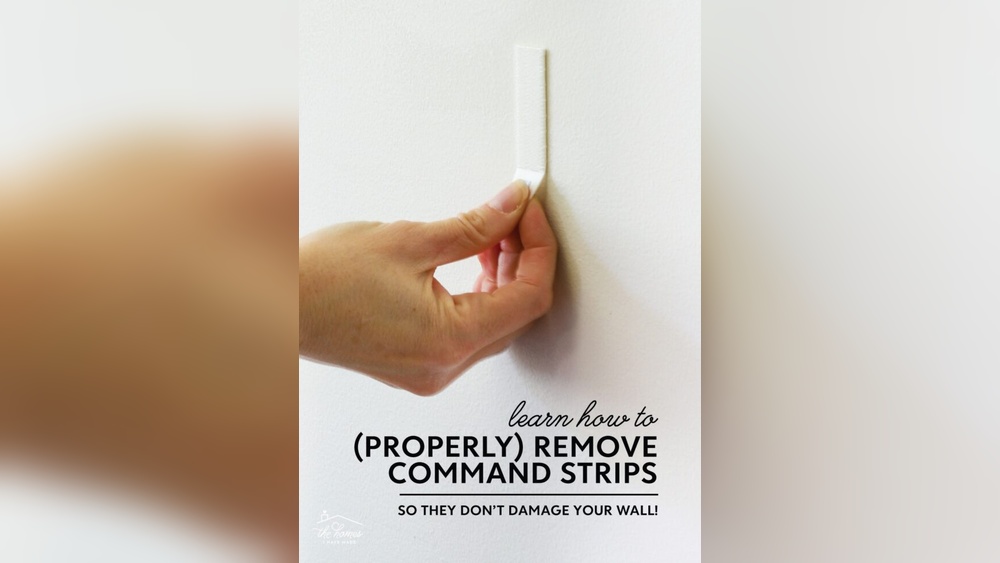
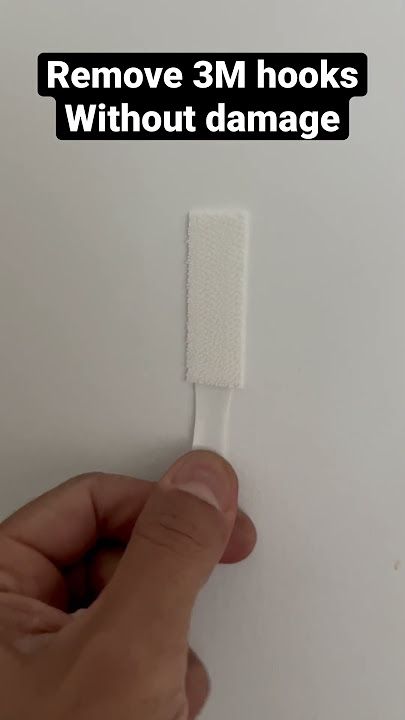
Grab the tab at the bottom of the adhesive strip. Pull it slowly straight down, not outwards. Keep pulling gently until the strip releases from the wall. Stretching the strip reduces damage to the paint or surface.
Use Heat For Stubborn Adhesives
Some strips stick tightly. Use a hairdryer to warm the adhesive for 30 seconds. Heat softens the glue, making removal easier. After heating, try stretching the strip again. Repeat if needed, but do not rush.
Credit: www.youtube.com
Tips To Avoid Wall Damage
Removing Command Hooks without hurting the wall is important. Careful steps help keep your walls clean and smooth. These tips make the process safe and easy. Follow them to avoid peeling paint or leaving marks.
Remove Slowly And Gently
Take your time when pulling off the hook. Pulling too fast can tear paint or damage drywall. Gently stretch the adhesive strip instead of yanking it. Slow and steady removal protects the wall surface.
Avoid Pulling At An Angle
Pull the strip straight down, not sideways. Pulling at an angle may cause the adhesive to stick harder. This can pull off paint or leave sticky residue. Keep your pull steady and vertical for best results.
Clean Residue Properly
Some residue may stay on the wall after removal. Use warm water and mild soap to clean it. Avoid harsh chemicals that can damage paint or wallpaper. A soft cloth and gentle cleaning keep walls safe and neat.
Troubleshooting Common Issues
Removing Command Hooks can sometimes cause issues. These problems might make the process tricky or damage your wall. Knowing how to fix these common problems helps you save time and keep your walls looking good.
Adhesive Stuck On Wall
Sometimes the sticky strip stays on the wall after the hook is gone. To remove it, gently rub the adhesive with your fingers. Use a little warm water to soften the glue. Avoid sharp tools that can scratch the paint. Take your time and peel slowly to protect the wall surface.
Paint Peeling
Paint may come off with the hook or adhesive. This happens if the paint is old or weak. To reduce peeling, pull the tab straight down, not out. If paint peels, apply a small amount of spackle to fix the spot. Let it dry, then touch up with paint. Be gentle when removing hooks next time.
Hook Breaking During Removal
Hooks can break if pulled too hard or the adhesive is very strong. If the hook breaks, leave the adhesive strip on the wall. Press the adhesive strip’s tab and pull slowly downward. Do not yank or twist the strip. This method lowers the risk of wall damage and helps remove the strip safely.

Credit: www.reddit.com
Alternative Removal Methods
Removing Command Hooks can be tricky sometimes. The adhesive is strong and may damage the wall if pulled harshly. Alternative removal methods help to take off the hooks safely. These methods also reduce the risk of leaving sticky residue behind. Each technique uses simple household items to loosen the adhesive gently.
Using Dental Floss Or Fishing Line
Start by sliding a piece of dental floss or fishing line behind the hook. Use a gentle sawing motion to cut through the adhesive strip. This method works well on flat surfaces. It avoids pulling the hook directly, which can peel paint or wallpaper.
Applying Rubbing Alcohol
Soak a cotton ball with rubbing alcohol. Dab it on the adhesive area around the hook. Wait a few minutes to let the alcohol weaken the glue. Slowly peel the hook off the wall. This technique helps to dissolve sticky residue easily.
Warm Soapy Water Technique
Mix warm water with a small amount of dish soap. Dip a cloth in the solution and place it on the adhesive. Let it sit for 5 to 10 minutes. The warm water softens the glue, making it easier to remove. Gently lift the hook off without damaging the wall.
Frequently Asked Questions
How Do You Safely Remove Command Hooks From Walls?
To safely remove Command hooks, pull the adhesive strip straight down slowly. Avoid pulling it outward or at an angle. This prevents damage to the wall surface and ensures a clean removal.
Can Command Hooks Damage Painted Walls?
Command hooks are designed to minimize wall damage. When removed correctly, they leave no residue or paint damage. However, improper removal can peel paint or leave marks.
What Is The Best Way To Remove Sticky Residue?
Use rubbing alcohol or adhesive remover on a cloth to gently wipe residue. Avoid harsh scrubbing to protect the wall finish. This helps clean the surface without damage.
How Long Can Command Hooks Stay On Walls?
Command hooks can stay on walls for up to 2 years. Beyond this time, the adhesive may weaken, making removal harder and less clean.
Conclusion
Removing Command hooks from the wall can be easy and safe. Pull the tab slowly, following the product instructions. This helps keep your wall paint and surface intact. Avoid rushing or pulling sideways to prevent damage. With patience, you can remove hooks without leaving marks.
These tips help maintain your wall’s look and save time. Now, you can change or move hooks whenever you need. Simple steps make a big difference in wall care. Try these methods for clean, damage-free removal every time.