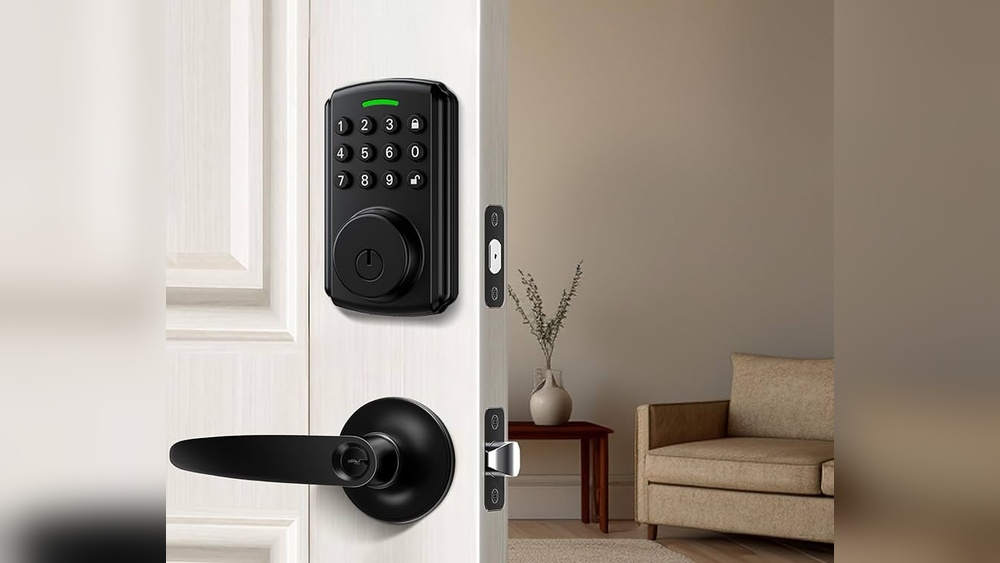
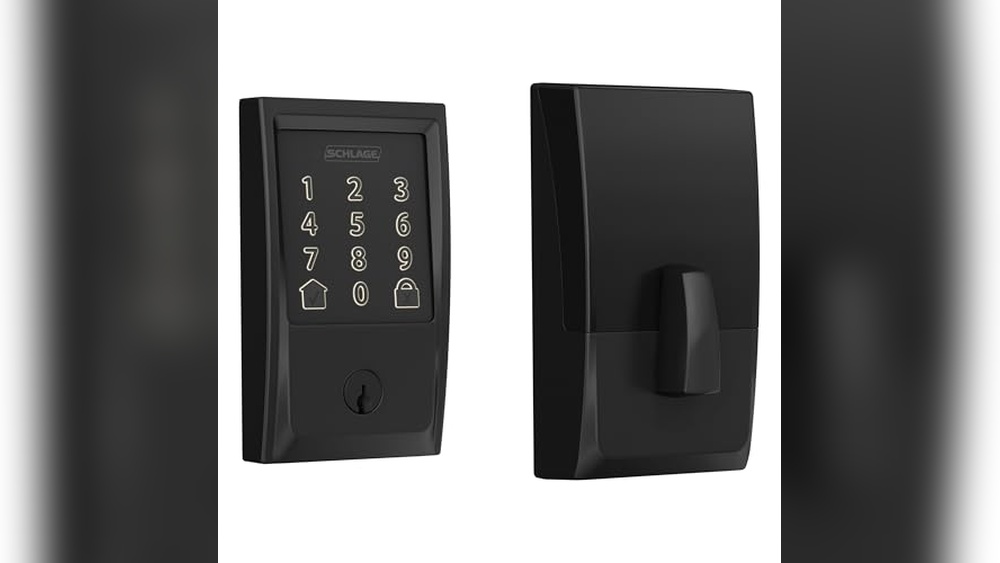
Have you ever found yourself stuck with a deadbolt that just won’t budge? Whether it’s broken, jammed, or you’ve lost the key, knowing how to get a deadbolt off can save you time, money, and a lot of frustration.
In this guide, you’ll discover simple, effective steps to remove a deadbolt safely and quickly. By the end, you’ll feel confident handling this common problem on your own—no locksmith needed. Ready to unlock the solution? Keep reading.

Credit: www.youtube.com
Tools Needed
Removing a deadbolt requires a few simple tools. Having the right tools makes the job easier and faster. The list below covers what you need for most deadbolt removals.
Phillips Head Screwdriver
Most deadbolts use Phillips head screws. This screwdriver fits the cross-shaped screw heads. It helps to remove screws holding the lock in place.
Flathead Screwdriver
A flathead screwdriver works well for prying and turning. It can help remove the trim or faceplate. This tool also helps to lift parts gently without damage.
Allen Wrench
Some deadbolts use hex screws. An Allen wrench fits these screws perfectly. It is important to check your deadbolt type before starting.
Pliers
Pliers help grip and pull small parts. They are useful for handling stubborn pieces. They also provide extra force when needed.
Utility Knife
A utility knife cuts through paint or caulk around the lock. This step makes it easier to remove the lock cleanly. Use it carefully to avoid damage.
Identify Your Deadbolt Type
Removing the interior knob or thumb turn is the first step to take off a deadbolt. This part controls the lock from inside the door. Taking it off gives access to the screws holding the lock in place. It makes the removal process easier and safer.
Most deadbolts have a simple design. The knob or thumb turn usually hides small screws or clips. These keep it attached firmly. You need to find these fasteners to remove the part properly.
Locate The Screws Or Clips
Look closely at the interior knob or thumb turn. Screws are often on the side or under a small cover. Clips may be hidden in a slot. Use a flathead screwdriver to gently pry off covers. This reveals the screws or clips.
Unscrew Or Unclip The Knob
Use a screwdriver to turn screws counterclockwise. Keep them safe for later use. For clips, press or slide them carefully. The knob or thumb turn should come free with little force.
Once screws or clips are removed, pull the knob straight off. If it feels stuck, wiggle it gently. Avoid using too much force to prevent damage.
Check For Hidden Parts
After removing the knob, check for other parts like plates or washers. These may need removal before the deadbolt can come off. Keep all pieces together to avoid losing them.
Remove The Interior Knob Or Thumb Turn
Unscrewing the exterior plate is the first step to remove a deadbolt. This plate covers the screws holding the lock in place. Taking it off gives access to the internal parts. It is important to do this carefully to avoid damage.
Use a screwdriver that fits the screws perfectly. Loose or wrong tools can strip the screw heads. Check if the screws are visible or hidden under a cover.
Locate The Screws On The Exterior Plate
Look closely at the plate. Screws are usually on the edges or under a small cover. Use a flat tool to gently lift any cover hiding the screws. Knowing where the screws are helps avoid unnecessary force.
Choose The Right Screwdriver
Match the screwdriver tip to the screw head. Most deadbolts use Phillips or flathead screws. A good fit lets you turn screws smoothly. Avoid twisting with too much pressure to prevent damage.
Remove The Screws Carefully
Turn screws counterclockwise to loosen. Keep the screwdriver steady and straight. If a screw feels stuck, try a bit of oil or gentle tapping. Remove screws one by one and keep them safe.
Lift Off The Exterior Plate
Once screws are out, gently pull the plate away from the door. It may be tight at first. Wiggle it slowly to avoid bending or scratching. Now, the deadbolt’s inside parts are ready to be accessed.
Unscrew The Exterior Plate
Extracting the deadbolt mechanism is a key step to remove a deadbolt lock. This part controls the locking and unlocking movement. Taking it out allows access to the internal parts or complete replacement.
Handle the mechanism carefully. Some parts may be fragile or small. Prepare a clean workspace to keep screws and pieces safe.
Remove The Deadbolt Faceplate
Start by unscrewing the faceplate on the door edge. Use a screwdriver matching the screw type. Keep the screws in a small container. Gently pull the faceplate away from the door. This exposes the deadbolt mechanism.
Slide Out The Deadbolt Bolt
Push the bolt fully into the door. This helps free it from the mechanism. Pull the bolt straight out. It may need some wiggling. Avoid forcing it to prevent damage.
Detach The Internal Mechanism
Look inside the door cavity. Unscrew the screws holding the mechanism. Carefully pull the mechanism out. Check for any connected parts. Disconnect them slowly to avoid breaking.
Extract The Deadbolt Mechanism
Removing a deadbolt can be tricky. Problems often come up during the process. Knowing how to fix common issues saves time and effort. This section covers the most frequent challenges and how to handle them.
Stuck Screws
Old or rusty screws can be hard to turn. Use a screwdriver that fits well to avoid stripping. Apply a small amount of lubricant like WD-40. Let it sit for a few minutes before trying again. Tap the screwdriver gently with a hammer to loosen tight screws. If screws remain stuck, try using pliers to turn them carefully.
Broken Parts
Deadbolts may have broken or worn parts inside. This can block removal. Look for cracked or bent pieces around the lock. Use needle-nose pliers to pull out small broken bits. Sometimes, removing the entire lock requires drilling out damaged parts. Always wear safety glasses when drilling. Replace broken components before reinstalling the deadbolt.
Misaligned Bolt
A bolt that does not line up correctly can stop the lock from coming off. Check the bolt inside the door frame. It should move freely when unlocking. If stuck, push the bolt back manually using a flathead screwdriver. Loosen the screws holding the strike plate to adjust the bolt position. Tighten screws once the bolt moves smoothly.

Credit: www.youtube.com
Troubleshooting Common Issues
Removing a deadbolt requires care and attention to safety. The process involves tools and small parts that can cause injury. Following safety tips helps prevent accidents and damage. Always prepare your workspace and use the right tools.
Wear Protective Gloves And Eyewear
Gloves protect your hands from sharp edges and splinters. Eyewear guards your eyes from dust and tiny debris. Both are essential to avoid injuries during removal.
Use The Correct Tools Only
Choose tools designed for lock removal, such as screwdrivers or a drill. Wrong tools can slip and cause harm. They may also damage the door or lock parts.
Work In A Well-lit Area
Good lighting helps you see screws and small pieces clearly. It lowers the risk of mistakes and accidents. Set up a bright workspace before you start.
Keep Small Parts Organized
Deadbolts have screws and small components. Use a container to hold these parts safely. This prevents loss and avoids tripping hazards on the floor.
Disconnect Power Tools When Not In Use
Power tools can start unexpectedly. Unplug them when you pause or finish. This simple step prevents accidental starts and injuries.
Safety Tips During Removal
Preparing for deadbolt replacement is an important step. It helps make the process smooth and safe. Taking time to get ready saves effort later. Knowing what tools and parts you need is key. Checking your door and lock condition is useful too.
Gathering The Right Tools
Start by collecting basic tools. You need a screwdriver, usually Phillips or flathead. A drill can help if screws are stuck. A tape measure is handy for new lock fitting. Keep a small container for screws and parts. This stops losing tiny pieces.
Inspecting The Existing Deadbolt
Look closely at your current deadbolt. Note the type and brand if possible. Check if the lock is damaged or stuck. This tells you if extra work is needed. Also, measure the backset of the lock. This is the distance from the edge of the door to the center of the hole.
Choosing The Replacement Deadbolt
Pick a deadbolt that fits your door’s thickness. Match the finish and style to your door. Consider the security features you want. Some deadbolts have extra protection against picking. Make sure the new lock includes all needed screws and parts.
Preparing The Work Area
Clear the space around the door. Remove rugs or items that block access. Good lighting helps you see screws and parts clearly. Have a cloth or towel ready to protect the door surface. This prevents scratches during removal and installation.
Credit: www.spscreens.com.au
Frequently Asked Questions
How Do I Remove A Deadbolt Lock Safely?
To remove a deadbolt safely, first unscrew the interior side screws. Then, gently pull both sides apart. Avoid forcing parts to prevent damage. Use a screwdriver and keep track of all screws for reinstallation or replacement.
What Tools Are Needed To Take Off A Deadbolt?
You need a Phillips screwdriver, flathead screwdriver, and possibly an Allen wrench. These tools help unscrew the lock and remove the faceplate. Having pliers handy can assist with stubborn parts. Always use the right tools for a smooth removal process.
Can I Remove A Deadbolt Without The Key?
Yes, you can remove a deadbolt without a key by unscrewing the interior side. If the exterior cylinder is locked, focus on removing the screws inside. For stubborn locks, professional assistance may be necessary to avoid damage.
How Long Does It Take To Remove A Deadbolt?
Removing a deadbolt typically takes 10 to 20 minutes. Time depends on lock complexity and tool availability. Experienced DIYers may complete it faster. Patience and careful handling help ensure a smooth process without damage.
Conclusion
Removing a deadbolt can seem tough at first. Follow the steps carefully and take your time. Use the right tools to avoid damage. Stay safe and work slowly to keep control. Practice helps you get better and faster. Remember, patience is key to success.
Now, you can handle deadbolt removal with confidence. Keep these tips handy for any future needs. Simple steps make the job easier than you think.