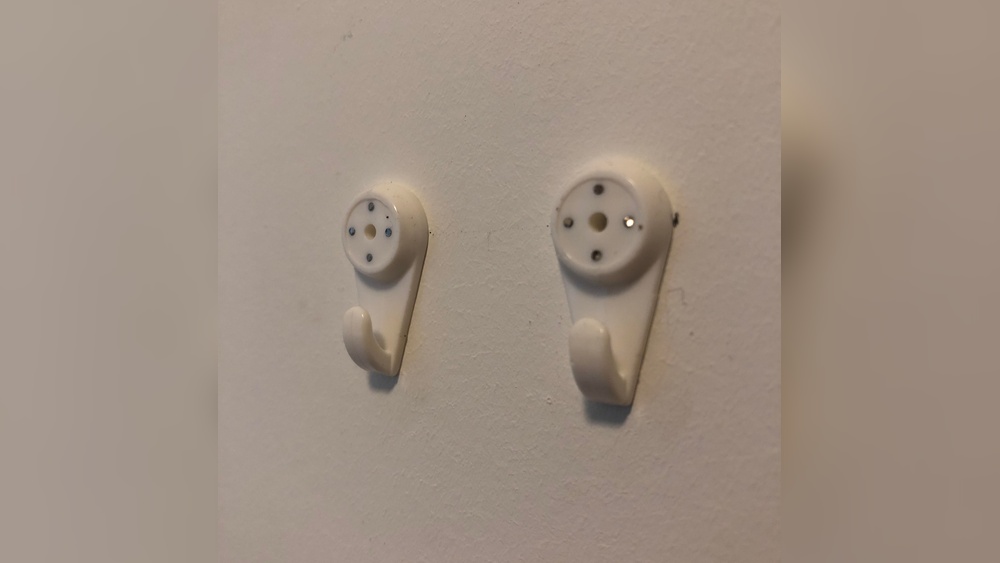
Are you staring at those stubborn self-adhesive hooks stuck on your wall, wondering how to remove them without damaging the paint or leaving sticky residue? You’re not alone.
Getting these hooks off can feel frustrating, especially when you want to keep your walls looking perfect. But don’t worry—there’s a simple way to do it that saves you time, effort, and stress. Keep reading, and you’ll learn easy steps to remove those hooks quickly and cleanly, so your walls stay smooth and ready for whatever comes next.

Credit: shop.velcro.co.uk
Types Of Self Adhesive Hooks
Self adhesive hooks come in different types. Each type suits certain walls and weights. Knowing the types helps remove them safely. It also prevents wall damage.
Common Materials
Most hooks use plastic or metal. Plastic hooks are light and cheap. Metal hooks hold heavier items and last longer. The hook’s material affects how it sticks and comes off. Some plastics are soft and bend easily. Metals are rigid and may scratch walls.
The backing material also matters. Foam-backed hooks stick well on rough surfaces. Clear plastic backs work on smooth walls. Paper or fabric backs are less common. They may leave more residue after removal.
Adhesive Strength Variations
Adhesive types differ by strength. Light-duty hooks hold small items like keys. Medium-duty hooks support towels or kitchen tools. Heavy-duty hooks carry heavier objects like bags or coats.
Stronger adhesives stick firmly but can damage paint. Weaker adhesives peel off easier but hold less weight. Some hooks use gel adhesives that are reusable. Others use permanent glue for long-term use.
Knowing the adhesive strength guides how to remove hooks. Gentle peeling works for weak adhesives. Strong adhesives may need heat or special remover.

Credit: yourpghlawyer.com
Preparation Before Removal
Removing self-adhesive hooks from walls can be tricky. Preparation is key to avoid damage and make the process easier. Getting ready helps you work safely and keeps the wall clean. Follow these simple steps before you start pulling the hook off the wall.
Gathering Necessary Tools
Collect tools needed for safe hook removal. You will need a hairdryer to warm the adhesive. A plastic card or a thin spatula helps to lift the hook gently. Use a soft cloth or sponge to clean the wall afterward. Having these tools ready saves time and effort.
Protecting Wall Surface
Protect the wall from scratches and paint peeling. Place a soft cloth or painter’s tape around the hook base. This small step prevents damage during hook removal. Work slowly and carefully to keep the wall surface intact. Protecting the wall ensures a smooth finish after removal.
Simple Removal Techniques
Removing self adhesive hooks from walls can be simple. Using the right technique helps avoid damage. These methods work well on most wall surfaces. They require only common household items.
Peeling Off Slowly
Start by lifting one edge of the hook. Pull it back slowly at a low angle. Move steadily to avoid tearing the wall paint. Slow peeling helps the adhesive release gently. Stop if the hook resists and try another method.
Using Dental Floss Or Fishing Line
Take a piece of dental floss or fishing line. Slide it behind the hook base on the wall. Use a gentle sawing motion to cut through the adhesive. This technique reduces stress on the wall surface. It works well for stubborn hooks stuck tightly.
Heat Methods For Easy Removal
Removing self adhesive hooks from walls can be tricky. Heat methods make the process easier and safer for your wall. Heat softens the adhesive, allowing the hook to come off without damage. This section explains two simple heat techniques to try at home.
Using A Hair Dryer
Set your hair dryer to medium heat. Hold it a few inches from the hook. Move the dryer around the edges for about 30 seconds. The heat loosens the glue underneath the hook. Gently pull the hook away from the wall. If it feels stuck, apply more heat and try again. This method works well on painted and smooth surfaces.
Warm Water Application
Warm water also softens adhesive effectively. Soak a cloth in warm water and wring it out. Press the damp cloth against the hook for a minute or two. The heat and moisture help weaken the glue. Carefully peel the hook off after softening. This method is best for walls that tolerate moisture well. Avoid using too much water on delicate surfaces.
Chemical Solutions
Chemical solutions help remove self-adhesive hooks cleanly. They soften the glue, making the hook easier to peel off. Using the right chemical can protect your wall from damage. Choose gentle but effective products for best results.
Using Rubbing Alcohol
Rubbing alcohol is a simple way to break down adhesive. Dab some alcohol on a cotton ball or cloth. Gently rub around the edges of the hook’s base. Wait a few minutes for the glue to soften. Slowly peel off the hook while applying more alcohol. This method works well on painted and smooth walls.
Applying Goo Gone Or Similar Products
Goo Gone is made to dissolve sticky residues. Apply a small amount to the adhesive area. Let it sit for five minutes to loosen the glue. Wipe away the residue using a soft cloth. Repeat the process if the glue is still sticky. Always test on a small wall spot first to avoid stains.
Avoiding Wall Damage
Removing self-adhesive hooks can be tricky. The glue sticks well and pulling hard can damage the paint or wall surface. Taking care to avoid wall damage is important. This keeps your walls looking fresh and clean. Follow simple steps to protect your walls while removing hooks.
Gentle Scraping Techniques
Start by loosening the edges of the hook’s adhesive. Use a plastic scraper or an old credit card. Slide it gently under the hook base. Avoid metal tools that can scratch the wall. Slowly lift the adhesive without forcing it. Work bit by bit to reduce stress on the wall. This method prevents paint from peeling off.
Cleaning Residue Safely
After removing the hook, sticky residue may remain. Use warm soapy water and a soft cloth. Rub the spot gently to dissolve the glue. Avoid harsh chemicals that can damage paint. Rubbing alcohol on a cotton ball works well for stubborn residue. Test on a small area first. Clean the wall softly until all residue disappears.
Fixing Minor Wall Imperfections
After removing self-adhesive hooks, small marks or holes may stay on the wall. Fixing these minor wall imperfections is important for a smooth, clean look. This process helps prepare the wall for painting or new decorations. Simple tools and materials can make your wall look fresh again.
Using Spackle Or Putty
Spackle or putty fills small holes and scratches easily. Apply a small amount with a putty knife. Press it gently into the hole or crack. Smooth the surface by spreading the spackle evenly. Let it dry fully before doing anything else. This step hides the damage and makes the wall flat.
Sanding And Painting Tips
Use fine sandpaper to smooth the dried spackle. Sand lightly to avoid damaging the wall. Wipe away dust with a dry cloth. Choose paint that matches your wall color. Apply paint in thin, even coats. Allow each coat to dry well before adding more. This process helps the wall look like new.
Preventing Future Damage
Preventing damage to walls is important when using self-adhesive hooks. Walls can peel, crack, or lose paint if hooks are not used correctly. Careful choices and proper steps help keep walls safe and clean. This section explains how to avoid harm before and after putting up hooks.
Choosing The Right Hooks
Pick hooks that match your wall type. Some hooks suit smooth surfaces better than rough ones. Check the weight limit of hooks before buying. Heavy items need stronger hooks. Using the right hook reduces the chance of wall damage.
Look for hooks with gentle adhesives. These stick well but peel off easily. Avoid hooks with strong glue on delicate walls. Choosing wisely means less risk of paint or drywall coming off.
Proper Application And Removal
Clean the wall surface before applying hooks. Dirt and dust weaken adhesive strength. Use rubbing alcohol or a mild cleaner. Let the wall dry fully before sticking the hook.
Press the hook firmly for about 30 seconds. This helps the adhesive bond well. Wait an hour before hanging anything heavy. This time lets the glue set properly.
To remove hooks, pull gently at a low angle. Pulling straight out can peel paint or damage drywall. Use heat from a hairdryer to soften the glue. This makes removal easier and safer for walls.

Credit: www.reddit.com
Frequently Asked Questions
How Do I Safely Remove Self Adhesive Hooks?
To safely remove self adhesive hooks, gently pull the tab straight down. Avoid pulling the hook away from the wall. This prevents damage to paint or drywall. Use slow, steady pressure for clean removal without residue or marks.
What Household Items Help Remove Adhesive Hook Residue?
Use rubbing alcohol, vinegar, or warm soapy water to remove adhesive residue. Apply with a cloth and rub gently until sticky remains dissolve. These household items are safe for most wall surfaces and help clean without harsh chemicals.
Can Heat Help Remove Self Adhesive Hooks?
Yes, applying heat with a hairdryer softens the adhesive. Heat the hook for 30 seconds and then gently peel it off. This method reduces the chance of paint peeling or wall damage.
How To Prevent Wall Damage When Removing Hooks?
Pull adhesive tabs slowly and straight down to avoid peeling paint. Heat the hook beforehand to soften the glue. Use mild adhesive removers to clean residue without harsh scrubbing or chemicals.
Conclusion
Removing self-adhesive hooks from walls can be simple and safe. Use gentle methods like heat or slow pulling to avoid damage. Take your time and be patient for the best results. Clean the wall afterward to remove any leftover sticky residue.
With care, your walls will stay smooth and clean. Small steps can make a big difference in keeping your space neat. Try these tips to remove hooks without stress or mess.