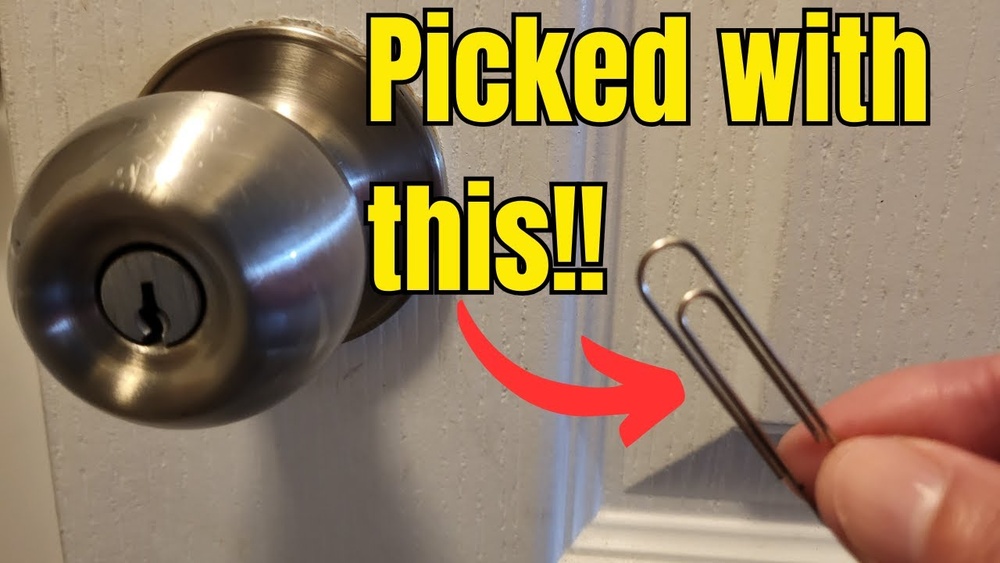
Have you ever found yourself locked out, with no key in sight? Knowing how to pick a deadbolt with a paperclip could be the quick trick you need in an emergency.
It’s a simple skill that might save you time, stress, and even money on locksmith fees. In this guide, you’ll learn easy steps to handle a stubborn lock using just a paperclip. Keep reading—you’ll discover practical tips that anyone can use, even if you’ve never tried lock picking before.
Tools Needed
Picking a deadbolt with a paperclip requires a few basic tools. These tools help you work carefully and avoid damage. Knowing what you need prepares you for the task. Start by gathering the right items. This saves time and makes the process smoother.
Choosing The Right Paperclip
Not every paperclip works for picking a deadbolt. Choose a strong, metal paperclip. It should bend without breaking. A medium size works best—not too thick or thin. Avoid plastic-coated paperclips. They can break or slip inside the lock. Straighten the paperclip carefully before use. A smooth shape helps you move inside the lock easily.
Additional Items To Prepare
Besides the paperclip, some extra tools help a lot. A small tension wrench or a flathead screwdriver helps turn the lock cylinder. Tweezers or pliers can adjust the paperclip’s shape. A flashlight helps you see inside the lock. Prepare a clean workspace to keep tools organized. Having these items ready makes the process easier and faster.
Deadbolt Basics
Understanding deadbolts is important before trying to pick one with a paperclip. Deadbolts are strong locks that add safety to doors. They work differently than simple doorknob locks. Learning how deadbolts work and the types available helps explain how to handle them.
Deadbolts come in many forms. Each type has its own way of locking and unlocking. Knowing these types helps you understand what you might face when picking a lock.
How Deadbolts Work
Deadbolts use a solid metal bolt that slides into the door frame. This bolt prevents the door from opening without the correct key. Unlike spring locks, deadbolts do not move back by force. The bolt stays in place until the key or thumb turn moves it.
The key turns a cylinder inside the lock. Inside, pins or tumblers align to allow the bolt to slide. Without the right key, the pins stay in place and block the bolt. This makes deadbolts very secure against simple lock picking.
Types Of Deadbolts
There are mainly three types of deadbolts: single-cylinder, double-cylinder, and lockable thumbturn.
Single-cylinder deadbolts use a key outside and a thumb turn inside. They are common on most residential doors.
Double-cylinder deadbolts need a key on both sides. This type adds safety but can slow down emergency exit.
Lockable thumbturn deadbolts have a thumb turn that can lock or unlock with a key. This offers extra control over the lock.
Preparing The Paperclip
Preparing the paperclip is the first step to pick a deadbolt lock. It needs to be shaped correctly. This makes it easier to use as a pick or tension wrench. The process is simple but requires care and patience.
Straightening The Paperclip
Start by unfolding the paperclip. Use your fingers to straighten it as much as possible. The goal is a long, smooth piece of wire. Avoid bending or breaking it. Straight wire works best for both picking and applying tension.
Shaping The Pick And Tension Wrench
Next, bend one end of the paperclip into a small hook. This will serve as the pick. The hook should be about 1 cm long. On the other end, make an L-shape for the tension wrench. The short arm fits inside the lock, and the long arm provides leverage. Make sure both parts are firm but flexible.

Credit: www.wikihow.com
Picking The Deadbolt
Picking a deadbolt requires patience and a steady hand. This process uses simple tools, like a paperclip, to manipulate the lock’s pins. Understanding how to handle these tools is key to success. Each step must be done carefully to avoid damage. Follow the instructions below to learn the basic method for picking a deadbolt.
Inserting The Tension Wrench
The tension wrench controls the lock’s rotation. Insert it into the bottom part of the keyhole. Apply a small amount of pressure in the direction the key would turn. This pressure holds the pins in place as you work. Keep your grip steady but gentle to avoid breaking the wrench.
Using The Paperclip Pick
Bend a paperclip to create a small hook at the end. Insert the hooked end into the top of the keyhole. Feel for the pins inside the lock cylinder. Push each pin up slowly, one at a time. Listen for small clicks as the pins set at the correct height.
Applying Proper Tension
Keep steady tension on the wrench throughout the process. Too much pressure can make pins hard to move. Too little pressure will not hold pins in place. Adjust the tension carefully as you lift each pin. The right balance helps the lock to turn open.
Common Challenges
Picking a deadbolt with a paperclip is tricky. The process often brings some common challenges. These problems can slow you down or cause mistakes. Knowing them helps you work smarter and safer.
Dealing With Stiff Pins
Deadbolts have pins inside that must move smoothly. Sometimes, pins get stiff or stuck. This stiffness makes it hard to lift pins with a paperclip. Applying too much force can bend or break the paperclip.
Try to feel the pins gently. Light, steady pressure works best. Patience helps you find the right position. Move slowly to avoid damaging the pins or lock.
Avoiding Damage To The Lock
Using a paperclip can hurt the lock if not careful. Scratches and bent parts may stop the lock from working. Always use a paperclip with a smooth end.
Do not push too hard or twist too fast. Small, precise movements protect the lock’s inner parts. Keeping the lock safe keeps it useful for longer.

Credit: www.youtube.com
Legal And Safety Considerations
Understanding the legal and safety aspects of picking a deadbolt with a paperclip is very important. Picking locks without permission can cause serious trouble. It is essential to know when it is allowed and how to use this skill responsibly.
When Picking Is Allowed
Picking locks is legal only in certain situations. You can pick a lock if it belongs to you. Also, if you have clear permission from the owner, it is allowed. Emergency situations, like being locked out of your home, may justify lock picking. Always check local laws before attempting to pick any lock. Laws differ in many places, so stay informed.
Ethical Use Of Lock Picking Skills
Use lock picking skills with honesty and respect. Never pick a lock to enter someone else’s property. Respect privacy and personal rights at all times. Use these skills to help yourself or others with permission. Avoid causing damage to locks or property. Ethical use builds trust and keeps you safe from legal problems.

Credit: www.wikihow.com
Frequently Asked Questions
How Can I Pick A Deadbolt With A Paperclip?
You can pick a deadbolt by straightening a paperclip and inserting it into the lock. Apply gentle pressure while turning the clip to manipulate the pins inside. This method requires patience and practice for successful lock picking.
Is It Legal To Pick A Deadbolt With A Paperclip?
Lock picking is legal only on locks you own or have permission to open. Picking a lock without consent is illegal and can lead to serious consequences. Always ensure you have proper authorization before attempting lock picking.
What Tools Do I Need Besides A Paperclip?
Besides a paperclip, you may need a tension wrench to apply rotational pressure. A tension wrench helps set the pins while the paperclip manipulates them. These two tools are basic essentials for picking most deadbolts.
Can All Deadbolts Be Picked With A Paperclip?
Not all deadbolts can be picked with a paperclip. Some have complex mechanisms that require specialized tools or skills. Basic pin tumbler locks are easier to pick, while high-security locks resist simple paperclip methods.
Conclusion
Picking a deadbolt with a paperclip takes patience and care. Practice helps you improve your skill over time. Always respect others’ property and laws. This method works best for simple locks. Stay safe and avoid risky situations. Remember, knowing how to pick a lock is useful but should be done responsibly.
Keep trying, and you will get better.