
Have you ever tried to remove a drywall anchor and ended up making a bigger mess? You’re not alone.
Removing these small, stubborn anchors can be tricky, but it doesn’t have to be frustrating. Whether you want to repair a hole or hang something new, knowing the right way to take out a drywall anchor can save you time and keep your walls looking great.
In this guide, you’ll discover simple, effective steps to remove drywall anchors quickly and easily—no special tools or skills required. Keep reading, and you’ll have your wall ready for the next project in no time.
Tools You’ll Need
Removing a drywall anchor requires the right tools. Having proper tools makes the job easier and faster. Some tools work well for simple anchors. Others suit tougher or larger anchors. Prepare your tools before starting to avoid delays.
Basic Hand Tools
Start with a screwdriver. It helps to turn and pull the anchor out. Choose a flathead or Phillips, depending on the anchor type. Needle-nose pliers are useful for gripping small anchors. A putty knife can push or pry out anchors carefully. A utility knife helps to cut around the anchor if needed. These tools are common and easy to use.
Power Tools Options
Drills can speed up removing anchors stuck deep in drywall. Use a drill with a small bit to drill into the anchor. This breaks or loosens it for easy removal. An electric screwdriver also works well for quick turning. Power tools save effort and time, especially with many anchors. Always wear safety glasses when using power tools.
Types Of Drywall Anchors
Drywall anchors hold objects on walls without studs. Different types suit different needs. Knowing each type helps remove them safely. Here are common drywall anchors you may find.
Plastic Expansion Anchors
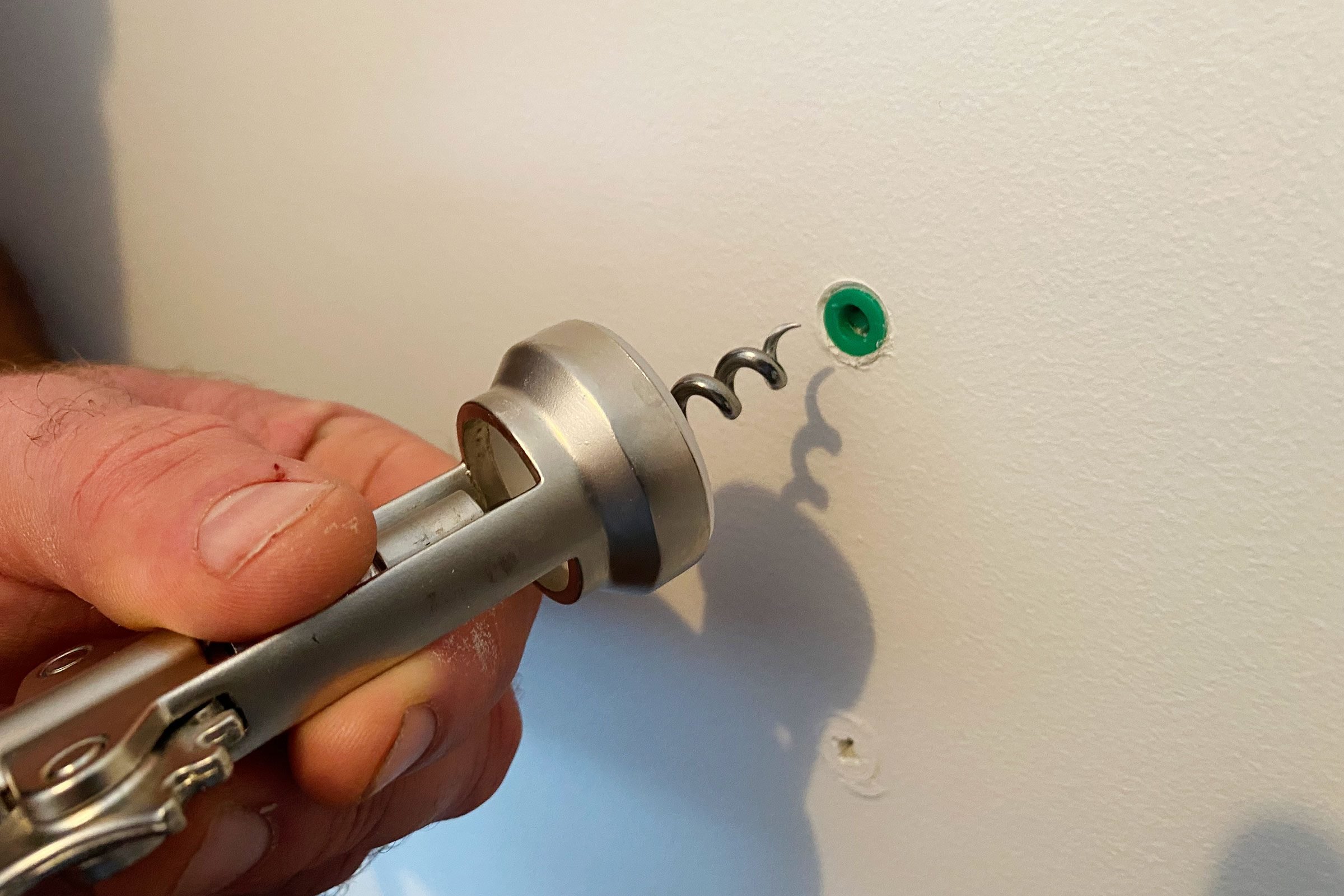
Plastic expansion anchors are simple and common. Inserted into a small hole, they expand when a screw is driven in. They hold light to medium objects. Easy to remove by pulling or pushing the screw out.
Threaded Drywall Anchors
Threaded drywall anchors look like screws with wide threads. They twist directly into the drywall. Provide stronger grip than plastic anchors. To remove, unscrew them carefully to avoid wall damage.
Toggle Bolts
Toggle bolts have metal wings that open behind the wall. They hold heavy items securely. Removing toggle bolts requires unscrewing and pulling out the wings. Needs extra care to avoid large holes.
Preparation Steps
Preparing to remove a drywall anchor is important for safety and ease. Taking a few simple steps helps protect your wall and keeps your workspace clear. This preparation saves time and prevents damage.
Clearing The Area
Start by moving furniture and items away from the wall. Clear the floor space under the anchor. This gives you room to work freely. It also stops anything from falling or breaking.
Protecting The Wall Surface
Cover the wall around the anchor with painter’s tape. This prevents scratches and paint loss. Use a soft cloth or small piece of cardboard for extra protection. Take care to avoid dents or holes during removal.
Credit: www.familyhandyman.com
Removing Plastic Expansion Anchors
Removing plastic expansion anchors from drywall can be simple with the right method. These anchors hold screws tightly in place but can be tricky to pull out. Choosing the best way depends on how deep the anchor sits in the wall and how much damage you want to avoid.
Two easy ways to remove plastic anchors are prying them out or pushing them through the wall. Both methods work well and need just a few tools. Pick the one that fits your situation best.
Prying Out With Pliers
Start by gripping the plastic anchor with needle-nose pliers. Pull gently while rocking it side to side. This loosens the anchor’s grip in the drywall. Keep pulling slowly until the anchor slides out. If it feels stuck, try wiggling it more. Avoid pulling too hard to stop wall damage.
Pushing Through The Wall
Use a screwdriver to push the anchor into the wall cavity. Place the tip against the center of the anchor. Tap the handle gently with a hammer. The anchor will move inside the wall, leaving a small hole. Patch the hole later with spackle or wall putty. This method is fast and simple.
Removing Threaded Drywall Anchors
Removing threaded drywall anchors is a common task during home repairs. These anchors hold screws tightly in the wall. Knowing how to remove them safely prevents wall damage. This guide helps you remove threaded anchors step by step. Follow simple methods for easy removal.
Unscrewing With A Screwdriver
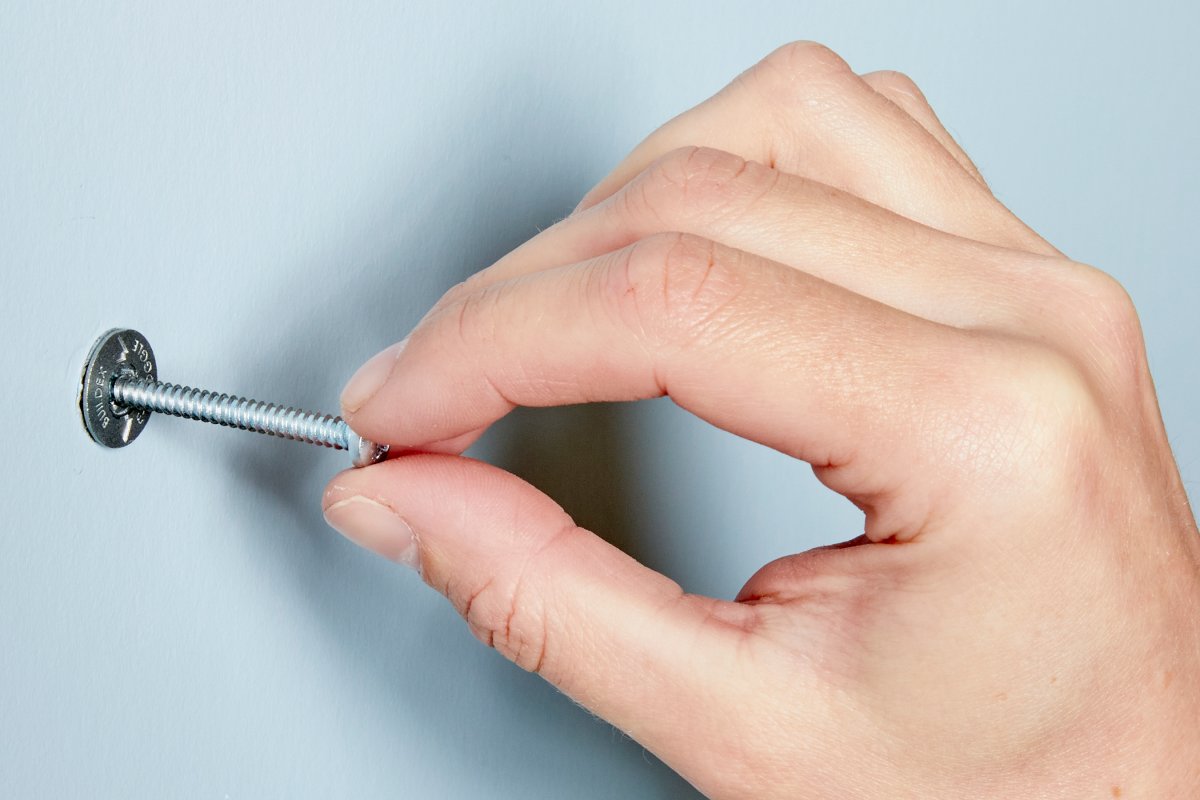
Start by using a screwdriver that fits the screw head well. Turn the screw counterclockwise. This action unscrews the anchor from the wall. Do not force the screw if it feels stuck. Apply steady, gentle pressure. The anchor should come out with the screw. If the screw spins but the anchor stays, try the next method.
Using Pliers For Stubborn Anchors
Grip the screw head firmly with pliers. Pull the screw straight out while turning slightly. Pliers give extra strength to remove tight anchors. Avoid squeezing too hard to prevent breaking the screw. If the anchor remains inside, carefully pull it out with the pliers. This method works best for anchors that resist unscrewing.
Removing Toggle Bolts
Removing toggle bolts can be tricky but is possible with the right steps. These anchors hold heavy items on drywall. The toggle opens inside the wall to create a strong grip. Removing them requires care to avoid wall damage.
Unscrewing The Bolt
Start by turning the bolt counterclockwise. Use a screwdriver that fits the bolt head well. Keep turning until the bolt comes out. The toggle will stay inside the wall at this point. Do not force the bolt out quickly. Slow and steady is best to avoid extra damage.
Dealing With The Toggle Inside The Wall
The toggle is usually too large to pull out through the hole. Gently push it further inside the wall cavity. It will fall behind the drywall and stay hidden. If the toggle is stuck, try tilting it while pushing. Avoid pulling hard to prevent wall damage. Patch the hole afterward with spackle or wall filler for a smooth finish.
Fixing The Wall After Removal
After removing a drywall anchor, the wall will have holes or small damage. Fixing the wall improves its look and prepares it for painting. This process is simple and requires just a few steps. You will need some basic tools and materials to make the wall smooth again.
Filling Holes
Start by cleaning any dust or loose material from the holes. Use a putty knife to apply spackling or wall filler into each hole. Press the filler firmly to fill all gaps completely. Overfill slightly to allow for shrinking when it dries. Let the filler dry according to the instructions on the package. This step prevents bumps and uneven surfaces later.
Sanding And Painting
Once the filler is dry, use fine sandpaper to smooth the surface. Sand gently until the wall feels even and flush with the rest of the wall. Wipe away any dust with a clean cloth before painting. Choose paint that matches your wall color for a seamless finish. Apply paint in thin, even coats for best results. Let each coat dry fully before adding another.
Tips For Avoiding Wall Damage
Removing a drywall anchor without damaging the wall takes care and the right method. Avoiding wall damage saves time and effort later on. It also keeps your walls looking neat and smooth. These tips help protect your wall while you remove anchors safely.
Use The Right Tools
Choose tools that fit the size of the anchor. A screwdriver or pliers often work best. Avoid using sharp tools that can dig into the wall. Using the right tools helps prevent unwanted holes and scratches.
Remove Anchors Slowly
Pull or twist anchors gently. Quick, forceful moves can tear the drywall. Slow removal gives better control. This lowers the chance of wall damage and keeps the surface intact.
Patch Small Holes Immediately
Fill tiny holes with spackle or wall filler right after removal. This stops cracks from growing. It also keeps the wall smooth for painting or new anchors.
Keep The Wall Dry
Avoid water or dampness around the anchor. Wet drywall softens and breaks easily. Keep the area dry to maintain wall strength during anchor removal.
Test Anchor Stability First
Try gently wiggling the anchor before pulling. Loose anchors come out easier. This reduces pressure on the wall. Testing helps you plan the safest way to remove it.
When To Call A Professional
Calling a professional is best if the drywall is damaged or the anchor is stuck deep inside. Complex tools or skills might be needed to avoid wall damage. Safety concerns also make expert help a smart choice.
Signs Of Wall Damage
Sometimes drywall anchors cause holes or cracks that look bad. Large holes or crumbling drywall need expert care. Professionals can fix the wall without making damage worse. Trying to fix big damage alone can lead to costly repairs.
Stuck Or Broken Anchors
Anchors that won’t budge after pulling or twisting need help. Broken anchors inside the wall can be hard to remove. Experts have tools to take out stuck pieces safely. Removing broken anchors alone might harm the wall or your tools.
Need For Structural Repairs
Some anchors hold heavy items like shelves or TVs. Removing these anchors can weaken the wall’s structure. A pro can check and fix the wall’s strength after removal. This prevents future accidents or damage to your home.
Lack Of Proper Tools
Removing drywall anchors sometimes requires special tools. Not having these tools can make the job harder and unsafe. Professionals come prepared with the right equipment. They complete the task quickly and cleanly.
Credit: www.bobvila.com

Credit: www.hgtv.com
Frequently Asked Questions
How Do I Safely Remove A Drywall Anchor?
To safely remove a drywall anchor, use pliers to grip and pull it out gently. If it resists, try twisting it counterclockwise. Avoid damaging the wall by working slowly and carefully. Patch any holes afterward for a smooth finish.
What Tools Are Needed To Remove Drywall Anchors?
You need pliers, a screwdriver, and sometimes a drill. A utility knife can help cut around the anchor. These tools make removal easier and minimize wall damage. Choose based on the anchor type and wall condition.
Can Drywall Anchors Damage My Wall During Removal?
Yes, drywall anchors can damage walls if removed improperly. Pulling too hard or using wrong tools may cause holes or cracks. Use gentle twisting and pulling techniques. Patch any damage with spackle and sand it smooth.
How To Fix The Hole After Removing A Drywall Anchor?
Fill the hole with spackle or joint compound using a putty knife. Allow it to dry completely, then sand it smooth. Finally, paint over the repaired area to match the wall color. This restores the wall’s appearance seamlessly.
Conclusion
Removing a drywall anchor does not have to be hard. Use the right tools and take your time. Avoid damaging the wall by working carefully. Small holes can be fixed with putty and paint. Clean walls look better and prepare for new anchors.
You can handle this task yourself with some patience. Keep these tips in mind for easy anchor removal. Your walls will look neat and ready for the next project. Simple steps lead to great results.


