Have you ever struggled to hang something on a hollow wall, like drywall or plasterboard, only to find your screws slipping or the anchor pulling out? You’re not alone.
Hollow wall drive anchors are the secret tool that can make your projects easier and stronger. But how exactly do they work to hold your shelves, mirrors, or decorations firmly in place? Understanding this can save you time, frustration, and money.
Keep reading, and you’ll discover the simple mechanics behind these clever anchors and how to use them like a pro.

Credit: www.g-locbrakes.com
Hollow Wall Drive Anchors Basics
Hollow wall drive anchors are simple tools that hold objects on hollow walls. These walls include drywall, plaster, or paneling. The anchors give strong support without damaging the wall. Understanding their basics helps choose the right anchor for your project.
These anchors work by expanding behind the wall surface. This expansion creates a grip that holds screws tightly. They are easy to install and remove, making them popular for many uses.
Anchor Design And Materials
Hollow wall drive anchors have a sharp metal tip for easy insertion. The body is usually made of metal or plastic. Metal anchors are stronger and hold heavier objects. Plastic anchors work well for light loads. The design allows the anchor to expand behind the wall. This expansion locks it in place and prevents pull-out.
Types Of Hollow Wall Anchors
There are several types of hollow wall anchors. Drive anchors have a pointed end that drives into the wall. Toggle anchors use wings that open inside the wall for extra grip. Molly bolts have a sleeve that expands as the screw turns. Each type fits different wall thicknesses and weight needs.
Common Applications
Hollow wall drive anchors support shelves, mirrors, and light fixtures. They hold curtain rods and picture frames securely. These anchors are also useful for mounting bathroom accessories. They are perfect for any item that needs stable support on hollow walls. Using the right anchor prevents damage and keeps items safe.
Installation Process
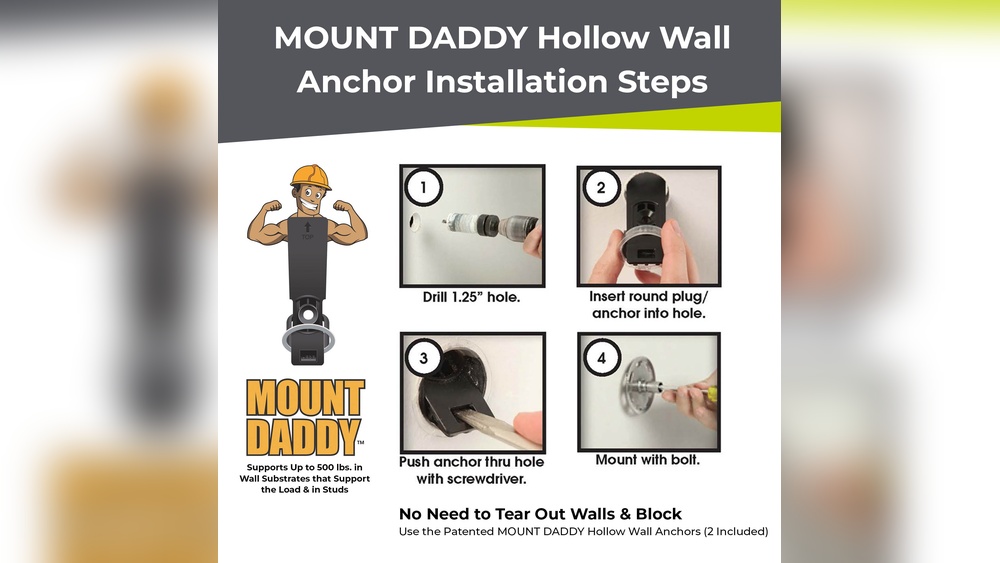
The installation process of hollow wall drive anchors is simple and effective. Each step ensures the anchor holds firmly in place. Follow the steps carefully for a secure fit.
Preparing The Wall
Start by cleaning the wall surface. Remove dust, dirt, and loose particles. This helps the anchor grip better. Choose the exact spot for your anchor. Check for wires or pipes behind the wall to avoid damage.
Drilling The Right Hole
Pick a drill bit that matches the anchor size. Drill a hole straight into the wall. Keep the hole clean and free of debris. A well-drilled hole helps the anchor expand correctly.
Inserting The Anchor
Push the hollow wall drive anchor into the hole. Make sure it fits snugly. The anchor should sit flush with the wall surface. Avoid forcing it in to prevent damage.
Driving The Anchor Home
Use a hammer to tap the anchor’s drive pin. This action expands the anchor behind the wall. The anchor grips the hollow space firmly. Stop tapping once the anchor feels tight and secure.
How Anchors Hold Firm
Hollow wall drive anchors hold firmly by creating a strong grip inside the wall. These anchors work by expanding or gripping the material behind the wall surface. This process helps them stay secure and support weight without slipping or falling out. Understanding how anchors hold firm helps you choose the right one for your project.
Mechanics Of Expansion
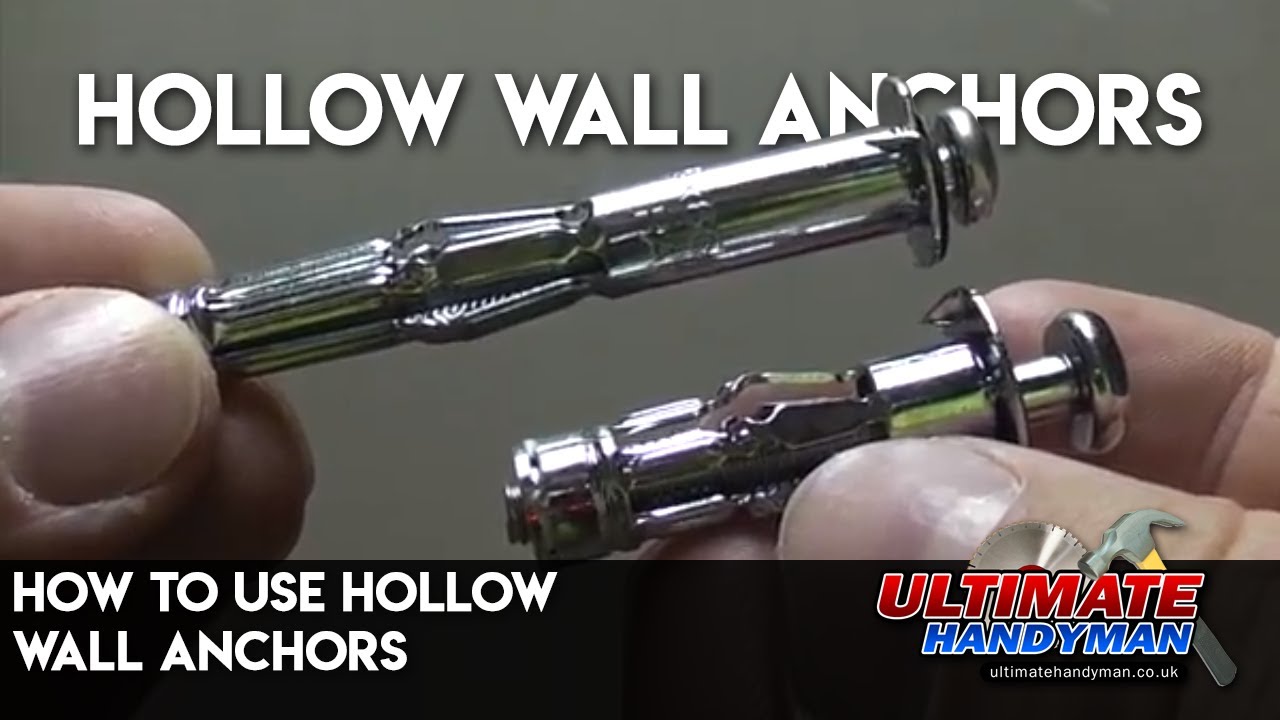
Hollow wall anchors expand after insertion into the wall. When you tighten the screw, the anchor’s body pushes outward. This outward force presses against the inside wall cavity. The expansion creates pressure, holding the anchor in place tightly. This firm grip prevents the anchor from pulling free easily.
Load Distribution
The anchor spreads the load over a larger area behind the wall. This wider distribution reduces stress on any single point. It helps prevent damage to the wall material. The load spreads evenly, making the hold stronger. This balance keeps the anchor steady even under heavy weight.
Grip In Different Wall Materials
Anchors work well in drywall, plaster, and hollow concrete blocks. The expansion adapts to each material’s texture and thickness. For softer materials, the anchor grips by pressing firmly against the wall cavity. In harder materials, it wedges tightly to avoid slipping. This adaptability ensures the anchor holds firm in many wall types.
Credit: www.youtube.com
Choosing The Right Anchor
Choosing the right hollow wall drive anchor is key for a safe and strong hold. Picking the wrong type can cause damage or failure. This section helps you understand what to check before buying anchors.
Weight And Load Considerations
Check the weight of the item you want to hang. Every anchor has a weight limit. Use an anchor that can hold more than your item’s weight. This prevents the anchor from slipping or breaking. Think about any extra force or movement that might add weight too.
Wall Material Compatibility
Different anchors work with different wall types. Hollow wall drive anchors fit best in drywall or plaster walls. Some anchors may not work well with thin or crumbly walls. Know your wall material before choosing. Using the wrong anchor can damage the wall or cause weak support.
Anchor Size And Length
Size matters for hollow wall anchors. Longer anchors reach deeper inside the wall for better grip. Thicker anchors offer more strength. Match the anchor size to the wall thickness. The anchor must fit inside the wall cavity without bending or breaking.
Common Issues And Fixes
Hollow wall drive anchors help secure items to hollow walls like drywall or plaster. They are useful but can face common problems during installation or use. Knowing these issues and their fixes makes your projects easier and safer.
Anchor Pullout Problems
Pullout happens when the anchor comes loose from the wall. This usually means the anchor is too small for the weight it holds. Using the right size anchor for your load is key. Also, check that the wall material is strong enough. If the hole is too big, the anchor won’t hold well. Fill large holes or use bigger anchors to fix this.
Overtightening Risks
Too much tightening can break the anchor or damage the wall. Turn the screw gently and stop when it feels tight. Over-tightening can strip the anchor’s threads or crack the wall. Using a screwdriver with good control helps avoid this. If the anchor feels loose after tightening, try a bigger size or a different type.
Wall Damage Prevention
Prevent damage by drilling the correct hole size for the anchor. Avoid forcing the anchor into the hole. Use a drill bit that matches the anchor’s diameter. Keep the wall clean and dry before installation. For fragile walls, use anchors designed for light loads. Test the anchor’s hold before hanging heavy items.
Tools And Tips For Success
Understanding the right tools and tips is key to successfully installing hollow wall drive anchors. Using proper equipment and following safety rules helps the anchor hold firmly. Regular checks keep the installation strong and safe. This section covers the essential tools, safety steps, and maintenance advice.
Essential Installation Tools
A drill with the correct bit size is needed to make holes. A screwdriver or a power driver helps to insert the anchor properly. A tape measure ensures the anchor is placed at the right spot. A pencil or marker is useful for marking drill points. Having a level can help keep the installation straight. Using these tools makes the process easier and more precise.
Safety Precautions
Wear safety glasses to protect your eyes from dust and debris. Use gloves to avoid cuts or scrapes on your hands. Check for electrical wires or pipes behind the wall before drilling. Keep the work area clean to avoid slips and trips. Work slowly to maintain control over the tools. These steps reduce the risk of accidents during installation.
Maintenance And Inspection
Check the anchors regularly for any signs of loosening or damage. Tighten screws if they become loose over time. Look for cracks or wall damage around the anchor area. Replace anchors that show wear or fail to hold firmly. Keeping an eye on the installation ensures long-lasting support and safety.

Credit: www.youtube.com
Frequently Asked Questions
What Are Hollow Wall Drive Anchors Used For?
Hollow wall drive anchors secure fixtures to hollow walls like drywall or plaster. They provide strong support without wall damage. Ideal for hanging shelves, mirrors, or light fixtures, they expand behind the wall, ensuring a firm grip on hollow spaces.
How Do Hollow Wall Drive Anchors Hold Weight?
They expand behind the wall when inserted, creating a strong grip. This expansion distributes weight evenly, preventing pull-out. The anchors are designed to hold medium loads safely in hollow wall materials like drywall and plaster.
Can Hollow Wall Drive Anchors Be Reused?
No, hollow wall drive anchors cannot be reused. Once installed, they deform to secure themselves. Removing them damages the anchor, reducing holding strength. For best results, use a new anchor for each installation.
Are Hollow Wall Drive Anchors Easy To Install?
Yes, they are easy to install with basic tools. Simply drill a pilot hole, insert the anchor, and drive it in. Their design ensures quick and secure fastening in hollow wall surfaces.
Conclusion
Hollow wall drive anchors hold items firmly on hollow walls. They expand behind the wall to grip securely. These anchors work well for lightweight and medium loads. Easy to install and reliable, they save time and effort. Understanding how they work helps you choose the right anchor.
Strong support comes from proper use and placement. Trust these anchors to keep your items steady and safe. Simple tools and clear steps make the job smooth. Now, you know why hollow wall drive anchors matter.