Are you planning to hang something on your wall but unsure if you need wall anchors? You might think a simple nail or screw will do the trick, but sometimes that’s not enough.
Using the wrong hardware can lead to damage, or worse—your shelf or picture could come crashing down. You’ll discover how to tell if wall anchors are necessary for your project. By the end, you’ll feel confident about making the right choice to keep your walls secure and your items safe.
Keep reading to avoid costly mistakes and get your walls ready for anything.
Signs You Need Wall Anchors
Knowing when to use wall anchors can save you from damage and accidents. Some signs show that your wall needs extra support for hanging objects. These signs help you decide if wall anchors are necessary. Pay attention to the following clues to protect your walls and items.
Loose Or Wobbly Fixtures
Fixtures that move or feel unstable often need wall anchors. Screws alone might not hold well in drywall or plaster. Wobbly shelves or picture frames can fall without proper support. Adding wall anchors keeps these fixtures steady and safe.
Type Of Wall Material
Different walls need different supports. Drywall and plaster are soft and can’t hold heavy screws. Brick or concrete walls require special anchors for a secure hold. Knowing your wall type helps choose the right anchor for strong support.
Weight Of The Object
Heavy objects need more than just a screw for hanging. Wall anchors spread the weight and prevent damage. Light items like small pictures might not need anchors. For shelves, mirrors, or TVs, anchors provide the needed strength.
Existing Hole Damage
Old holes that are large or cracked cannot hold screws tightly. This damage causes fixtures to fall or become loose. Wall anchors fill and secure these holes. They help reuse spots without risking wall damage.
Credit: structuretech.com
Types Of Wall Anchors
Wall anchors help hold objects securely on walls. Different anchors work best for different wall types and weights. Knowing the types of wall anchors can help you choose the right one for your project.
Plastic Expansion Anchors
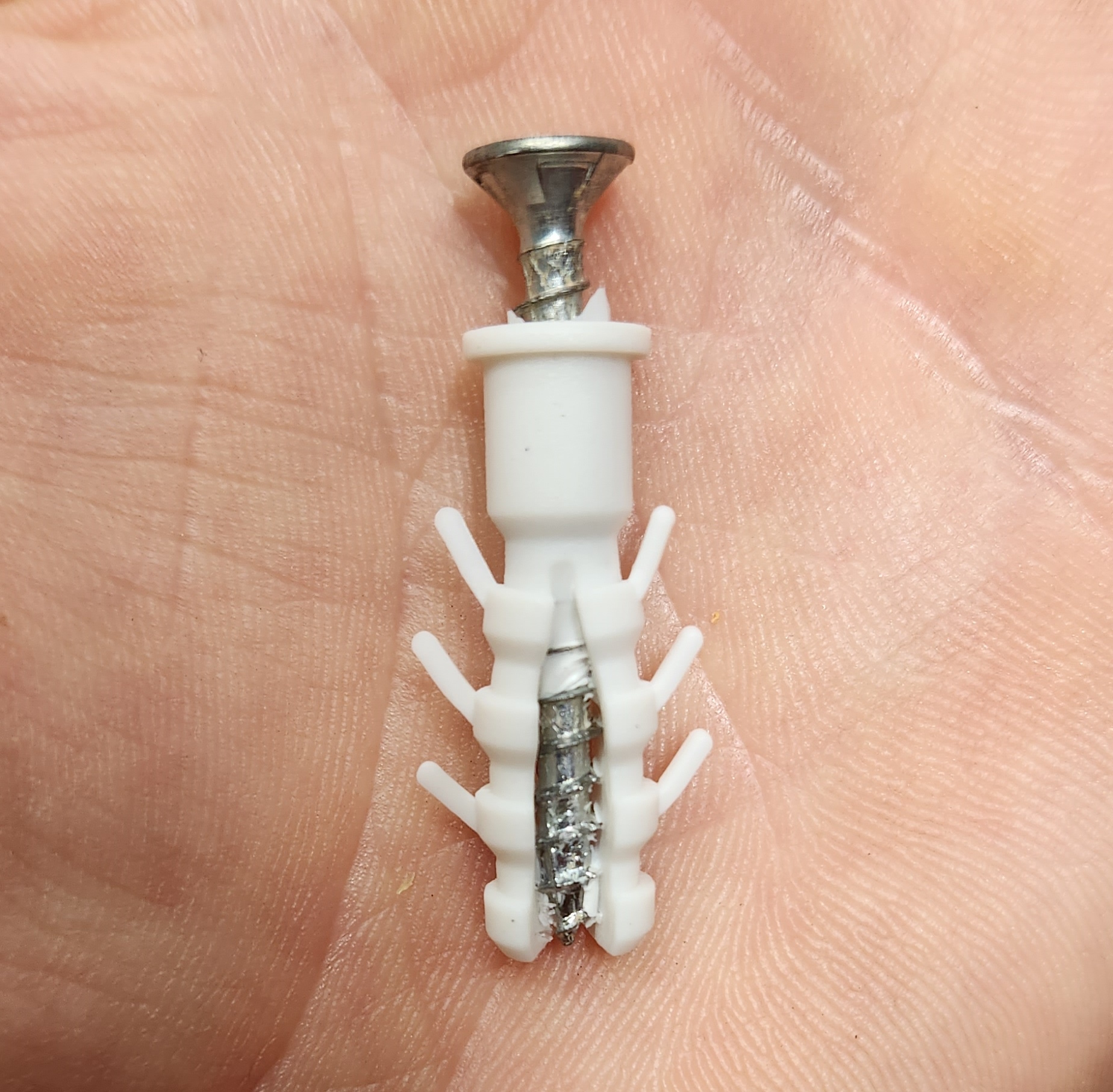
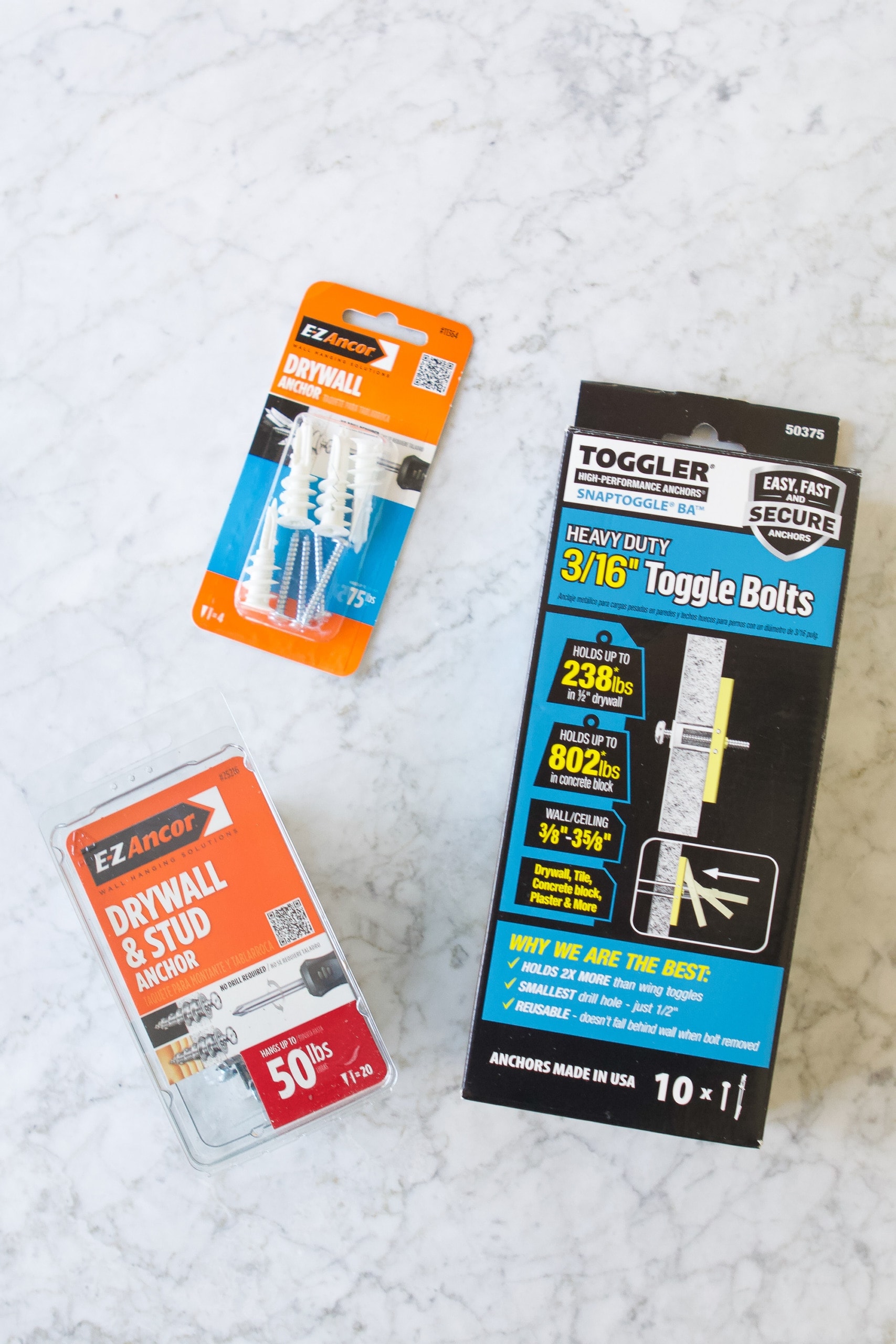
Plastic expansion anchors are common and easy to use. They fit into drilled holes in drywall or plaster. When a screw enters, the anchor expands, gripping the wall tightly. Best for light to medium loads.
Toggle Bolts
Toggle bolts have wings that open inside the wall. These wings spread the weight over a large area. They work well in hollow walls and hold heavy items. Good choice for shelves or large frames.
Molly Bolts
Molly bolts are metal anchors that expand behind the wall. They create a strong, permanent hold. Ideal for medium to heavy loads in drywall. Often used for mounting cabinets or mirrors.
Self-drilling Anchors
Self-drilling anchors screw directly into drywall without pre-drilling. They save time and effort during installation. Suitable for light to medium loads. Perfect for hanging pictures or small shelves.
Choosing The Right Anchor
Choosing the right wall anchor is key to a strong and safe hold. Not all anchors fit every wall or item. Picking the best one depends on your wall type and the weight you want to support. A good match prevents damage and keeps things secure.
Here are simple tips to help you choose the right anchor for your needs.
Matching Anchor To Wall Type
Walls come in many types: drywall, plaster, brick, or concrete. Each needs a special anchor. Plastic anchors work well for drywall but may fail in brick. Metal anchors suit heavier loads and hard walls. Identify your wall type before buying anchors.
Considering Load Capacity
Think about the weight of the item you want to hang. Light objects need small anchors. Heavy shelves or mirrors require stronger anchors. Check the anchor’s weight limit on the package. Using the right size keeps walls safe and items steady.
Ease Of Installation
Some anchors are easy to install by hand. Others need tools like drills or screwdrivers. Choose anchors that match your skill and tools. Simple anchors save time and reduce mistakes. Complex anchors may offer more strength but need care.
Tools Needed For Installation
Installing wall anchors needs the right tools. These tools help you fix items safely on walls. Using proper tools makes the job easier and safer. Here are the main tools you need for installation.
Drill And Drill Bits
A drill is essential for making holes in the wall. Choose the right drill bit size for the anchor you use. Drill bits come in many sizes to fit different anchors. Using the correct bit size helps anchors hold firmly.
Screwdrivers
Screwdrivers help to fasten screws into the anchors. Use a screwdriver that matches the screw head type. Common types include flathead and Phillips screwdrivers. Tightening screws properly secures the object to the wall.
Measuring Tools
Measuring tools ensure accurate placement of anchors. A tape measure or ruler works well for this. Measure distances carefully before drilling holes. Correct placement prevents damage and keeps items level.
Level
A level helps to check if the object hangs straight. Place the level on the item before drilling. Adjust the position until the bubble centers between lines. This step ensures your pictures or shelves look balanced.
Step-by-step Installation Guide
Installing wall anchors can feel tricky at first. This step-by-step guide makes the process simple. Follow these clear steps to secure your items safely on the wall. Each step ensures the anchor holds well and supports the weight.
Marking The Spot
Start by choosing the exact spot for the anchor. Use a pencil to mark the wall clearly. Check the height and alignment with other fixtures. This helps avoid mistakes and keeps your wall neat.
Drilling The Hole
Select a drill bit that matches the size of the anchor. Drill a hole straight into the marked spot. Drill slowly to avoid cracking the wall. Clean out any dust inside the hole before moving on.
Inserting The Anchor
Push the wall anchor gently into the hole. Use a hammer if it does not go in easily. The anchor should fit snugly and not wiggle. This ensures a strong hold once the screw goes in.
Securing The Fixture
Place the fixture over the anchor. Insert the screw through the fixture into the anchor. Tighten the screw until the fixture feels firm. Avoid over-tightening to prevent damage to the wall or anchor.
Credit: thediyplaybook.com
Common Mistakes To Avoid
Using wall anchors seems simple, but many make mistakes that weaken the hold. These errors can cause damage to walls or make the anchor fail. Avoiding common mistakes helps keep your items secure and your walls safe.
Using Wrong Anchor Type
Different walls need different anchors. Plastic anchors work for drywall but fail in masonry. Metal anchors hold heavy items but can be too big for light jobs. Choose the right type based on wall and weight.
Overloading The Anchor
Every anchor has a weight limit. Putting too much weight causes the anchor to pull out or break. Check the weight rating before hanging anything. Use multiple anchors for heavy objects.
Improper Hole Size
Drilling holes too big or small affects anchor grip. A loose hole stops the anchor from holding tight. A tight hole can break the anchor or wall. Match drill bit size to anchor instructions.
Ignoring Wall Material
Wall types include drywall, plaster, brick, and concrete. Each needs a specific anchor style. Using the wrong anchor can damage the wall or fail to hold. Identify your wall material before selecting anchors.
Maintenance And Safety Tips
Keeping wall anchors in good shape is important for safety and durability. Proper maintenance helps prevent accidents and damage. Follow these tips to ensure your wall anchors stay strong and reliable.
Regularly Check Fixtures
Look at the fixtures often. See if they feel loose or wobbly. Tighten screws if needed. Early checks stop small problems from growing.
Replace Damaged Anchors
Take out anchors that look cracked or bent. Old anchors lose their grip over time. Use new anchors to keep the wall secure.
Avoid Excess Weight
Do not hang things heavier than the anchor’s limit. Too much weight can pull anchors out. Spread weight evenly to protect walls and anchors.

Credit: www.youtube.com
Frequently Asked Questions
What Are Wall Anchors Used For?
Wall anchors provide extra support when hanging heavy items on drywall or hollow walls. They prevent screws from pulling out and ensure stability.
How Do I Know If My Wall Needs Anchors?
If your wall is drywall or plaster and you’re hanging heavy items, you likely need anchors. Check if screws hold securely without anchors.
Can I Hang Heavy Shelves Without Wall Anchors?
Hanging heavy shelves without wall anchors can cause damage and instability. Anchors distribute weight and prevent shelves from falling or walls from cracking.
Which Wall Types Require Anchors Most Often?
Drywall, plaster, and hollow walls commonly need anchors. Solid wood or concrete walls usually hold screws without additional support.
Conclusion
Knowing if wall anchors are needed keeps your items safe and steady. Check the weight of what you hang and the wall type. Drywall often needs anchors for heavier objects. Studs can hold more weight without anchors. Using anchors prevents damage and keeps walls strong.
Take time to choose the right anchor for your project. This small step makes a big difference in durability. Trust your judgment and protect your walls well. Simple care goes a long way in home safety.