Looking for a smart way to save space and keep your bike safe? Hanging your bike on a wall hook is one of the easiest and most effective solutions.
It frees up floor space, protects your bike from damage, and keeps your room neat and tidy. But how do you do it right? In this guide, you’ll discover simple, step-by-step instructions that anyone can follow. By the end, you’ll know exactly how to hang your bike securely and stylishly.
Ready to turn your cluttered space into a clean, organized haven? Let’s get started!
Choose The Right Wall Hook
Choosing the right wall hook is important for hanging your bike safely and securely. The right hook keeps your bike stable and protects your walls. It also helps save space and keeps your bike easy to reach. Consider the type, weight capacity, and material before buying a hook.
Types Of Wall Hooks
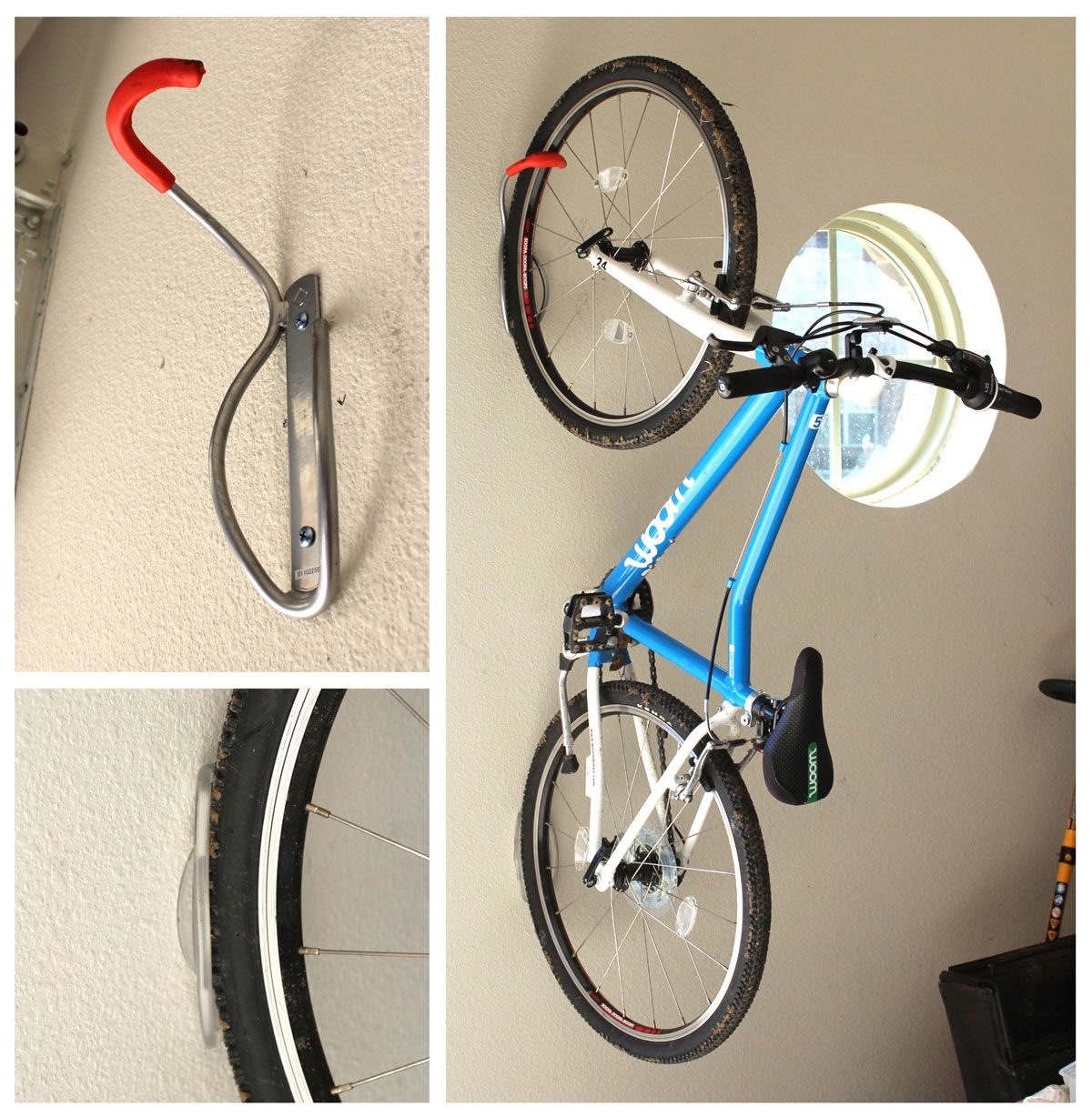
There are many types of wall hooks for bikes. Some hooks hold the bike by the wheel, while others support the frame. J-hooks are simple and hold the bike by the tire. Cradle hooks have padded arms to protect the frame. Folding hooks save space when not in use. Pick a type that fits your bike and space.
Weight Capacity Considerations
Check the weight limit of the hook before buying. Your bike must not be heavier than the hook’s capacity. Bikes with heavy frames or electric motors need stronger hooks. A weak hook can bend or fall, causing damage. Always choose a hook with a weight capacity above your bike’s weight.
Materials And Durability
Hooks come in different materials like steel, aluminum, and plastic. Steel hooks are strong and long-lasting. Aluminum hooks are light but less strong. Plastic hooks are best for light bikes. Look for hooks with a rust-proof coating. Durable hooks last longer and hold your bike safely over time.

Credit: www.liftingitalia.com
Find The Ideal Location
Finding the right spot to hang your bike on a wall hook is key. The location affects safety, space, and ease of use. A good spot keeps your bike safe and your room tidy. Consider the wall’s strength, space around it, and any obstacles nearby. These factors help you pick the ideal place for your bike.
Assessing Wall Strength
Check if the wall can hold your bike’s weight. Drywall alone may not be strong enough. Look for studs behind the wall for better support. Use a stud finder to locate them easily. Hanging on a solid wood or concrete wall works well. The hook must be secured firmly to avoid accidents.
Space And Accessibility
Choose a spot with enough room to hang and remove your bike. Avoid cramped corners or tight spaces. Make sure you can reach the hook without stretching or bending too much. Leave space to move around the bike comfortably. Easy access saves time and effort when storing your bike.
Avoiding Obstructions
Pick a place clear of doors, windows, or light switches. Avoid areas with pipes or electrical wires behind the wall. These could get damaged or cause hazards. Also, keep the bike away from furniture or decorations. A clear area prevents damage to your bike and home.
Prepare The Tools And Materials
Preparing the right tools and materials makes hanging a bike easier and safer. Having everything ready saves time and prevents mistakes. This step ensures a smooth and efficient process.
Essential Tools Needed
You need a drill to make holes in the wall. A screwdriver helps to fasten screws tightly. A measuring tape ensures the hook is at the right height. A pencil marks the spots for drilling. A level keeps the hook straight on the wall.
Safety Gear
Wear safety goggles to protect your eyes from dust and debris. Use gloves to avoid cuts and scrapes on your hands. A dust mask stops you from breathing in particles while drilling. Proper safety gear keeps you safe during the task.
Additional Supplies
Wall anchors provide extra support for heavy bikes. Screws must be strong enough to hold the weight. A stud finder helps locate solid wall studs for secure mounting. A step stool or ladder may be needed for high placements.
Credit: www.twowheelingtots.com
Mark And Drill Pilot Holes
Marking and drilling pilot holes is a crucial step when hanging a bike on a wall hook. This ensures the hook stays secure and the wall does not get damaged. Precise marks guide your drill, helping avoid mistakes. Drilling pilot holes also makes it easier to insert screws firmly.
Measuring Hook Placement
Start by deciding the best height for your bike. Measure from the floor to the point where the bike will hang. Mark this spot lightly with a pencil. Next, measure the distance between the screw holes on the hook. Transfer these measurements to the wall. Double-check the spacing to ensure accuracy.
Using A Level For Accuracy
Place a level on the marks to check if they are straight. Adjust the marks until the level shows a perfect horizontal line. A crooked hook can cause the bike to hang unevenly. Using a level gives a neat and balanced look. It also prevents strain on the hook and wall.
Drilling Techniques
Choose a drill bit slightly smaller than the screw size. This helps the screws grip tightly. Hold the drill steady and drill slowly into the marked spots. Drill straight to avoid angled holes. Clean any dust from the holes before inserting screws. This step improves screw hold and hook stability.
Install The Wall Hook Securely
Hanging your bike on a wall hook saves space and keeps it safe. Doing it right protects both your bike and the wall. Follow simple steps to hang your bike securely and avoid damage.
Positioning The Bike
Choose a spot with enough room around. The bike should hang freely without touching other objects. Place the hook at a height that holds the bike comfortably.
Hang the bike by the frame or wheel, depending on the hook style. Make sure it feels stable before letting go.
Balancing And Support
Balance the bike so it does not tilt or swing. Use two hooks for extra support if the bike is heavy. Check that the bike stays steady on the hook over time.
Keep the weight evenly spread to avoid stress on any part of the bike. This prevents damage to the frame and components.
Protecting The Bike And Wall
Use rubber or foam padding on the hook to stop scratches on the bike. Protect the wall by placing a small board behind the hook.
Inspect the hook and wall regularly for signs of wear. Replace or adjust parts if needed to keep everything safe.
Hang Your Bike Safely
Maintaining your bike on a wall hook keeps your space neat and your bike safe. Simple care steps can extend the life of your storage setup. A little attention helps avoid damage to the wall and your bike.
Regular Inspections
Check the wall hook every few weeks. Look for loose screws or any signs of wear. Tighten screws to keep the hook secure. Inspect the wall for cracks or damage. Fix small problems early to avoid bigger issues.
Weight Limit Awareness
Know the weight limit of your wall hook. Avoid hanging bikes that are too heavy. Heavy bikes can pull the hook out of the wall. Use hooks designed for your bike’s weight. This prevents accidents and keeps your bike safe.
Alternative Storage Ideas
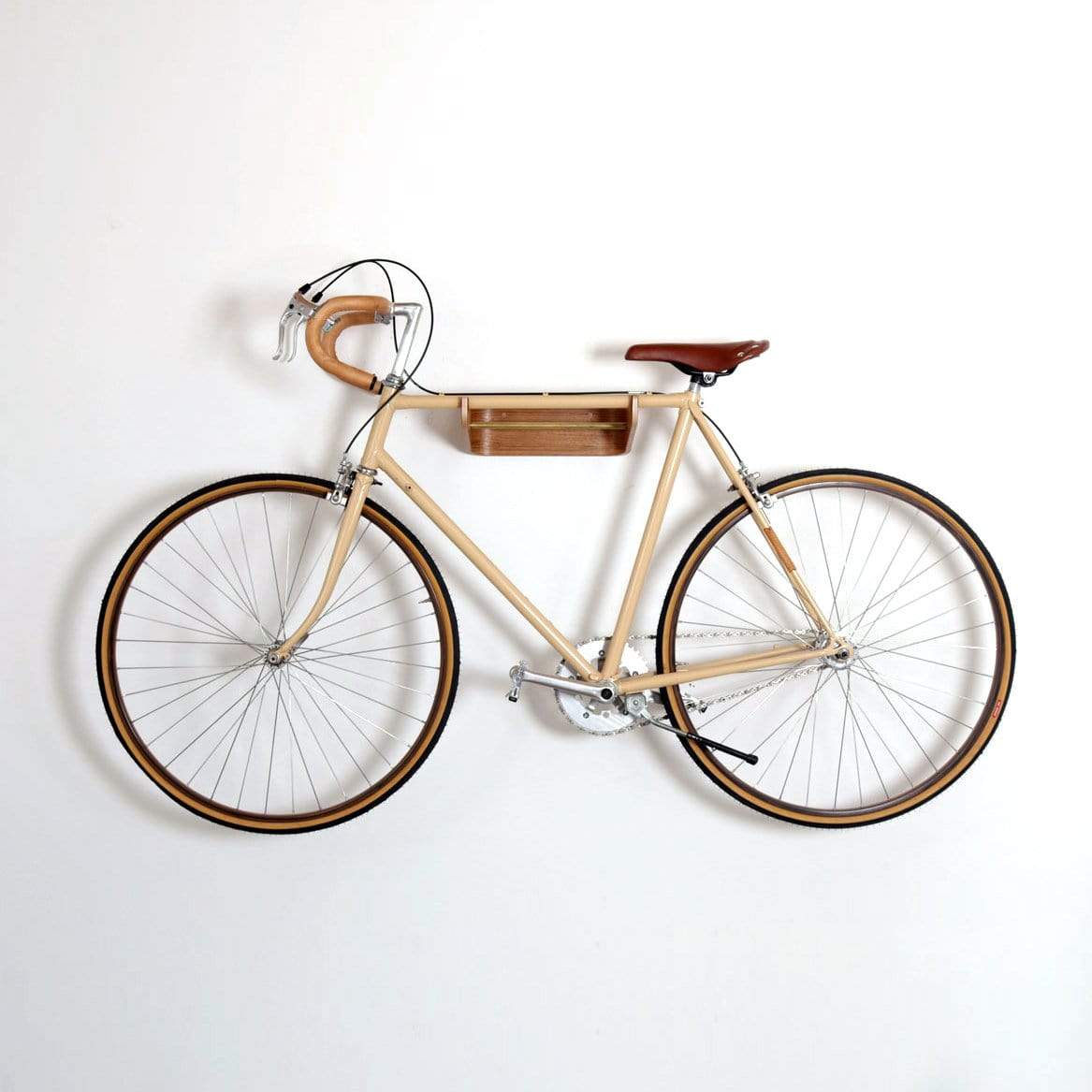
Try different storage options if wall hooks don’t fit your needs. Floor stands hold bikes without wall damage. Ceiling hoists save floor space. Each method helps protect your bike and your home. Choose what works best for your space and bike type.
Credit: www.onefortythree.com
Frequently Asked Questions
How Do I Choose The Right Wall Hook For My Bike?
Select a wall hook based on your bike’s weight and frame size. Ensure it supports heavy loads and fits your bike type. Look for sturdy materials like steel and hooks with protective covers to avoid frame damage. Proper hook choice ensures safety and durability.
Where Should I Install A Bike Wall Hook?
Install the bike wall hook on a solid wall, preferably a stud or concrete surface. Avoid drywall alone as it can’t support heavy weights. Place the hook at a height that allows easy hanging and removal of the bike without strain or damage.
How Do I Hang A Bike Without Damaging The Frame?
Use wall hooks with rubber or plastic coating to protect the frame from scratches. Hang the bike by the frame’s top tube or wheels, depending on the hook type. Avoid hanging by delicate parts like the handlebars or seat post to prevent damage.
Can I Hang Any Bike On A Wall Hook?
Most bikes can be hung on wall hooks, but check the hook’s weight limit. Specialized bikes like carbon frames require extra care and protective hooks. Always ensure the hook suits your bike’s frame type and size for safe hanging.
Conclusion
Hanging a bike on a wall hook saves space and keeps your bike safe. Choose a strong hook and find a solid wall spot. Make sure to mount the hook at the right height for easy access. Always check the hook’s weight limit before hanging your bike.
With these simple steps, your bike stays organized and out of the way. Try it today and enjoy a clutter-free space. Easy, quick, and practical.