Are you struggling to secure your cabinets to a brick wall and worried they might not hold? You’re not alone.
Anchoring cabinets to brick can feel tricky, especially if you want them strong and safe without damaging your walls. But don’t worry—this guide will show you simple, step-by-step methods to make your cabinets stay put firmly. By the end, you’ll have the confidence and know-how to transform your space with cabinets that last.
Keep reading to discover the easy ways to anchor your cabinets to brick walls like a pro.
Credit: www.finehomebuilding.com
Tools And Materials Needed
Anchoring cabinets to a brick wall requires the right tools and materials. Having everything ready before starting makes the job easier and safer. You will need specific tools to drill into brick and strong fasteners to hold the cabinets securely. Safety gear is also important to protect yourself during the work.
Essential Tools
Start with a hammer drill or rotary hammer to drill into the brick wall. A masonry drill bit is necessary for making holes in the brick. Use a tape measure to mark where the cabinets will go. A level ensures the cabinets are straight. Screwdrivers or a power drill will help drive the screws or anchors. A pencil helps mark drilling spots on the wall.
Recommended Fasteners
Use masonry anchors or sleeve anchors designed for brick walls. These anchors expand inside the hole for a strong hold. Concrete screws work well if the brick is solid. Avoid using regular wood screws; they won’t hold in brick. Choose anchors that match the cabinet weight and size. Rust-resistant fasteners last longer in different conditions.
Safety Gear
Wear safety goggles to protect your eyes from dust and debris. Use gloves to protect your hands from sharp edges and rough surfaces. A dust mask helps avoid inhaling brick dust. Hearing protection is important when using a hammer drill. Wear sturdy shoes to protect your feet during the work. Proper safety gear keeps you safe and comfortable.
Preparing The Brick Wall
Preparing the brick wall is the first step in anchoring cabinets securely. A well-prepared surface ensures the cabinets stay in place for a long time. Proper preparation also makes the installation easier and safer.
Cleaning The Surface
Start by cleaning the brick wall thoroughly. Remove dirt, dust, and loose particles. Use a stiff brush or a vacuum to clean the surface. A clean wall helps the anchors hold better.
Wipe the area with a damp cloth to remove any remaining dust. Allow the wall to dry completely before drilling.
Locating Studs And Bricks
Use a stud finder to locate the wooden studs behind the brick wall. Mark their positions clearly. Anchoring into studs provides extra strength.
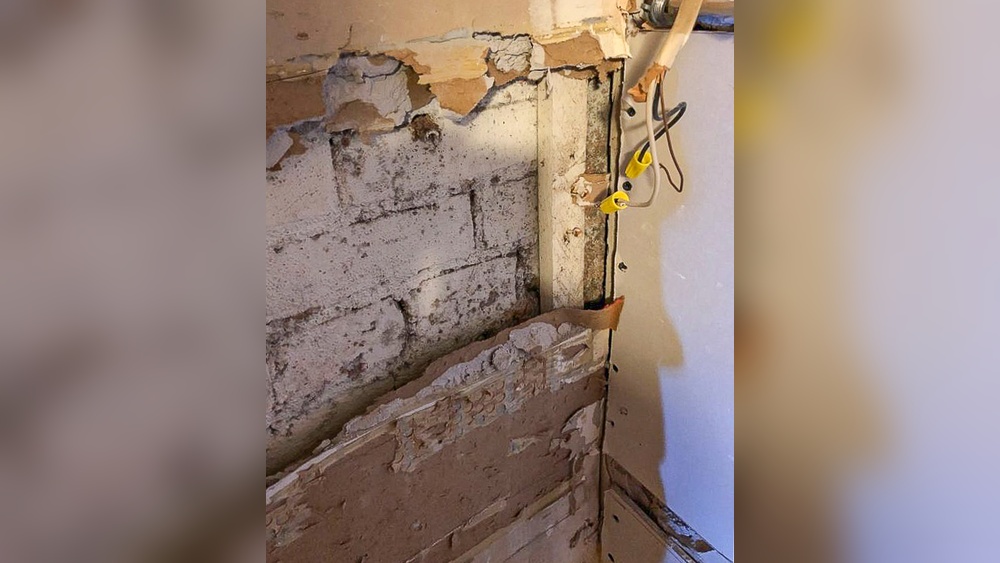
If the wall is solid brick, identify the mortar joints and bricks. Drilling into the brick is better than mortar for a stronger hold. Check the wall structure carefully.
Marking Drill Points
Measure the cabinet’s mounting points and transfer these to the wall. Use a pencil to mark exact drill spots on the brick or stud locations. Double-check the marks for accuracy.
Ensure the marks are level. Use a spirit level for straight lines. Proper marking helps avoid mistakes during drilling.
Drilling Into Brick
Drilling into brick walls is a key step in anchoring cabinets securely. It requires the right tools and techniques to avoid damage. Careful drilling ensures strong support and lasting results.
Choosing The Right Drill Bit
Select a masonry drill bit designed for brick. These bits have a strong, carbide tip to cut through hard surfaces. Pick a size that matches your wall anchors to ensure a snug fit. A regular drill bit will not work well and can break.
Drilling Techniques
Start by marking the exact spot on the brick. Use a hammer drill for easier and cleaner holes. Drill slowly at first to create a guide hole. Increase speed as the bit penetrates the brick. Keep the drill straight to avoid angled holes. Pull out the bit occasionally to clear dust. Use safety glasses to protect your eyes from debris.
Avoiding Common Mistakes
Do not drill into mortar instead of brick. Mortar is weaker and may not hold anchors well. Avoid pressing too hard; let the drill do the work. Overheating the bit can cause it to dull quickly. Do not skip cleaning the hole before inserting anchors. Dust inside the hole reduces grip and can cause failure.
Credit: www.youtube.com
Selecting Anchors And Screws
Choosing the right anchors and screws is key for fixing cabinets to a brick wall. The right hardware holds the cabinet safely and stops it from falling. It also protects the wall from damage. Understanding anchor types, sizes, and how to fix them can make the job easier and stronger.
Types Of Anchors For Brick
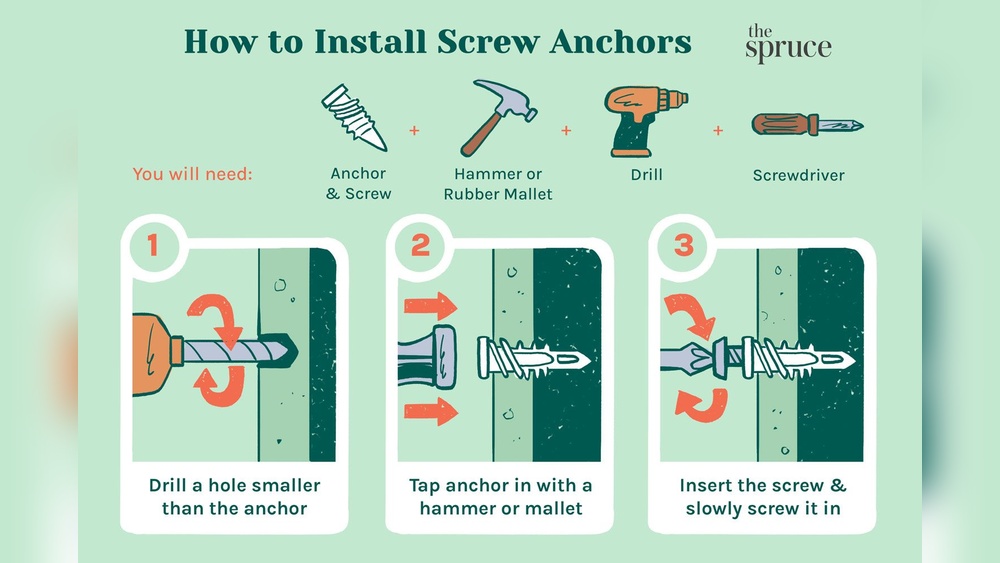
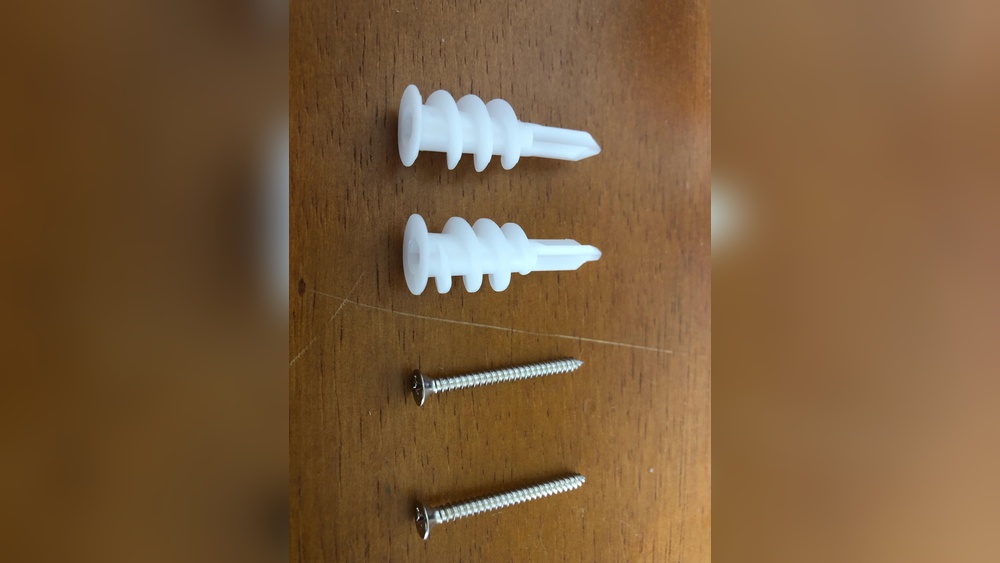
Plastic expansion anchors work well for light loads. They expand when screws go in, gripping the brick. Metal sleeve anchors are stronger and good for heavy cabinets. They spread inside the hole for a tight hold. Wedge anchors use a metal clip that tightens as the screw turns. Choose based on cabinet weight and wall condition.
Choosing The Correct Size
Pick anchors that fit the screw and hole size exactly. Too small anchors may slip out. Too large anchors can crack the brick. Use a drill bit that matches the anchor diameter. The screw length should go through the cabinet and deep into the anchor. This ensures a firm and safe hold.
Tips For Durable Fixing
Drill clean holes without cracks or dust. Clean holes improve anchor grip. Insert anchors fully and straight into the hole. Tighten screws slowly to avoid breaking the brick. Check the cabinet is level after fixing. Use washers with screws for extra strength and to avoid damage.
Mounting The Cabinets
Mounting cabinets to a brick wall requires careful steps to ensure safety and stability. This process involves positioning the cabinet correctly, inserting the right anchors, and securing it firmly. Each step is important to avoid damage to the wall and to keep the cabinets strong for daily use.
Aligning Cabinets With Wall
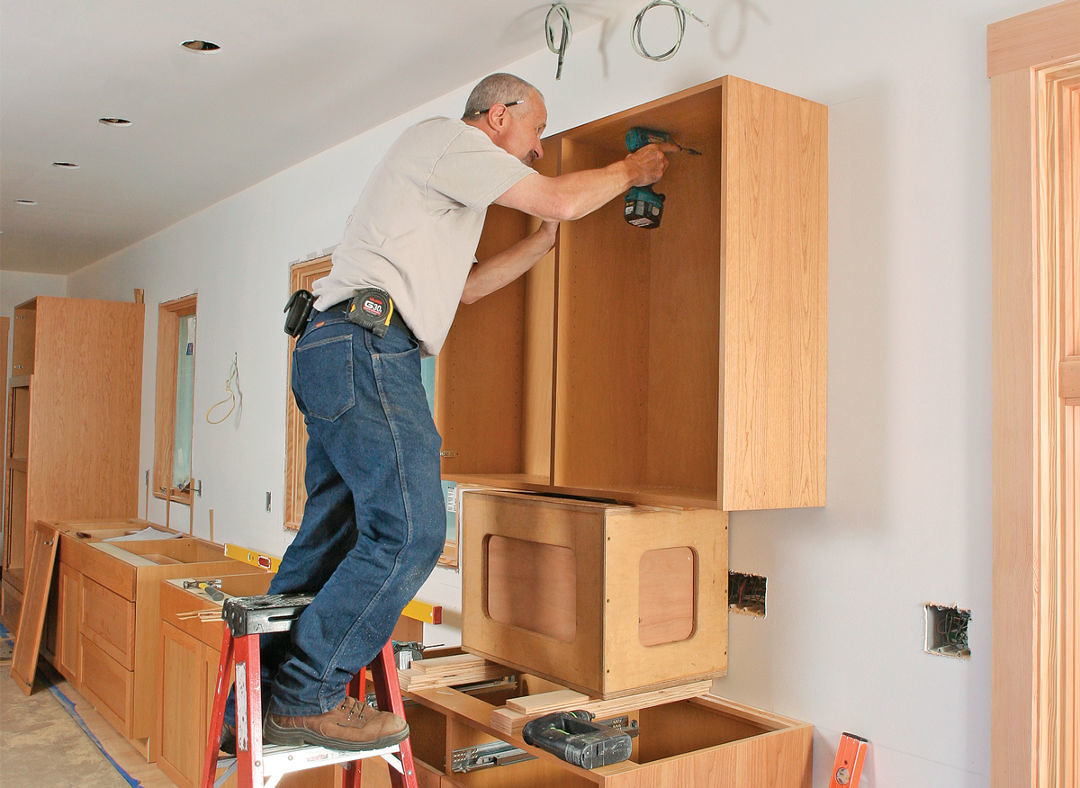
Start by holding the cabinet against the brick wall at the desired height. Use a level tool to check that the cabinet is straight. Mark the spots on the wall where you will drill holes. These marks should match the cabinet’s mounting holes. Proper alignment prevents uneven cabinets and helps with secure fixing.
Inserting Anchors
Drill holes into the brick at the marked spots using a masonry drill bit. Choose anchors that fit the hole size and can support the cabinet’s weight. Push the anchors into the drilled holes until they sit flush with the wall. Anchors provide a strong base for screws and protect the brick from cracking.
Securing Cabinets Firmly
Place the cabinet back against the wall, aligning it with the anchors. Insert screws through the cabinet holes into the anchors. Tighten each screw slowly and evenly. Avoid overtightening, which can damage the wall or cabinet. Check the cabinet’s stability by gently shaking it. A firm hold means the cabinet is mounted correctly.
Final Checks And Adjustments
After anchoring cabinets to a brick wall, final checks ensure safety and durability. These checks help catch small issues before they become big problems. Adjustments improve cabinet alignment and stability. Regular maintenance keeps cabinets secure over time.
Testing Stability
Push the cabinet gently to check for movement. It should feel solid and not wobble. Open and close doors to ensure smooth operation. Check shelves for firmness and even weight support. A stable cabinet means safe use and lasting strength.
Making Necessary Adjustments
Tighten any loose screws or anchors carefully. Use a level to check cabinet alignment. Adjust brackets or screws to fix any tilt or unevenness. Re-check the wall anchors to ensure they hold firmly. Small fixes now save effort later.
Maintenance Tips
Inspect cabinets regularly for loosened screws or cracks. Clean dust and debris from anchor points. Avoid overloading shelves beyond their weight capacity. Replace damaged anchors to maintain strength. Regular care keeps cabinets safe and looking good.
Credit: www.finehomebuilding.com
Frequently Asked Questions
How Do I Anchor Cabinets To A Brick Wall Safely?
Use masonry anchors or sleeve anchors designed for brick. Drill holes with a hammer drill and insert anchors. Secure cabinets with screws into these anchors for a firm hold. This method prevents damage and ensures stability.
What Tools Are Needed To Mount Cabinets On Brick?
You need a hammer drill, masonry bits, anchors, screws, a level, and a screwdriver. A measuring tape and pencil help mark drill spots. These tools ensure precise and secure cabinet installation on brick walls.
Can I Use Regular Screws For Brick Wall Cabinets?
No, regular screws won’t hold well in brick. Use masonry anchors with screws designed for brick. This provides a strong, durable connection and prevents cabinets from loosening or falling over time.
How To Avoid Brick Damage When Anchoring Cabinets?
Use the correct drill bit size and avoid excessive force. Drill slowly and clean dust from holes before inserting anchors. Proper tools and careful drilling prevent cracks and preserve the brick’s integrity.
Conclusion
Anchoring cabinets to a brick wall takes careful steps and the right tools. Always choose strong anchors made for brick surfaces. Drill holes with care to avoid cracking the wall. Secure screws tightly to keep cabinets steady and safe. Take your time, and double-check each step.
A well-anchored cabinet lasts longer and holds weight better. This simple process makes your space look neat and organized. Try these tips to attach cabinets firmly and confidently.