Is your deadbolt stuck or refusing to lock properly? You’re not alone, and fixing it might be easier than you think.
A malfunctioning deadbolt can leave your home feeling less secure, but don’t worry—this guide will walk you through simple steps to get it working smoothly again. By the end, you’ll save time, avoid costly locksmith calls, and regain peace of mind.
Ready to take control of your home’s security? Let’s dive in and fix that deadbolt together.
Credit: goclad.com
Signs Of A Faulty Deadbolt
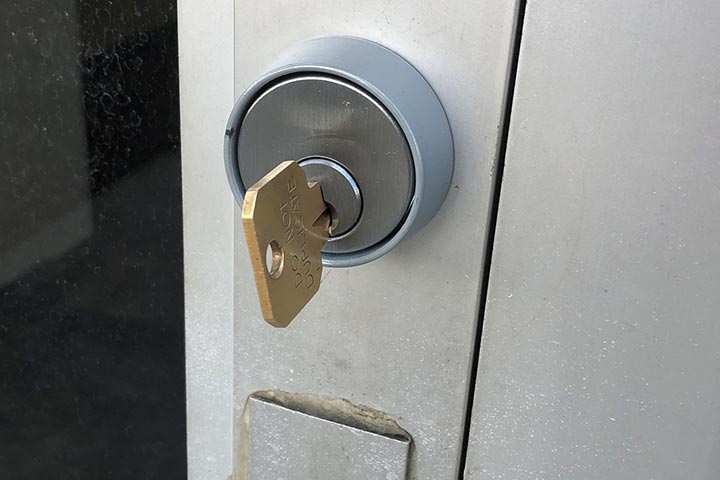
Knowing the signs of a faulty deadbolt helps keep your home safe. A deadbolt that does not work well can cause security risks. It may also make you lock yourself out. Spotting problems early saves time and money. It also helps avoid frustration.
Common Issues
Deadbolts may stick or jam when turning the key. The key might feel hard to insert or remove. Sometimes the bolt does not slide smoothly into the strike plate. Loose parts or a wobbly knob can show wear. Rust or dirt can also block the lock. These issues reduce the lock’s strength.
When To Repair Or Replace
Repair small problems like dirt buildup or loose screws. Replace the deadbolt if it is broken or very old. If the bolt does not lock securely, it needs replacing. Frequent key problems mean the lock is failing. A damaged lock can make your home unsafe. Choose the option that keeps your home protected.
Tools Needed For Repair
Fixing a deadbolt requires a few key tools. Having the right tools makes the job easier and faster. This section lists the essential tools you need for deadbolt repair. These tools help you remove, adjust, and reassemble the lock properly.
Basic Tools
- Screwdriver set (flathead and Phillips)
- Adjustable wrench
- Drill with drill bits
- Hammer
- Measuring tape
- Flashlight
- Replacement screws (optional but helpful)
Optional Supplies
- Lubricant spray (like WD-40) to ease moving parts
- Wood filler for fixing damaged door holes
- Chisel for adjusting the door frame
- New deadbolt lock set, if replacement is needed
- Masking tape to protect the door surface
Troubleshooting Deadbolt Problems
Deadbolt problems can stop your door from working properly. Fixing these issues saves time and keeps your home safe. Troubleshooting helps find the cause quickly. This section covers common deadbolt problems and how to solve them.
Key Won’t Turn
A key that won’t turn can be very frustrating. Dirt or rust inside the lock may cause this. Try spraying a small amount of graphite lubricant into the keyhole. Avoid oil-based lubricants; they attract dust. Wiggle the key gently while turning to loosen the mechanism. If the key is bent or damaged, replace it. Sometimes, the lock cylinder needs cleaning or replacement.
Deadbolt Stuck
A stuck deadbolt often means the bolt is misaligned. Check the strike plate on the door frame. Tighten loose screws and adjust the plate position slightly. Cold weather can cause metal parts to contract and stick. Apply lubricant to the bolt and try moving it back and forth. For wooden doors, swelling can block the bolt. Sand the door edge gently to create space.
Loose Deadbolt
A loose deadbolt feels wobbly or moves when touched. This can happen if screws are loose or missing. Tighten all visible screws on the lock and door handle. Use longer screws for better hold if necessary. Check the interior and exterior parts of the deadbolt. If the lock is old, parts might wear out and need replacement. A secure deadbolt keeps your door strong and safe.
Step-by-step Deadbolt Fixes
Fixing a deadbolt can seem hard. Yet, simple steps can solve most problems. This section guides you through easy fixes. Follow these steps to get your deadbolt working well again. No special tools or skills needed. Just a little time and patience.
Lubricating The Lock
Start by lubricating the deadbolt. Use a graphite or silicone spray. Avoid oil-based lubricants; they attract dust and dirt. Spray inside the keyhole and on the bolt. Work the key in and out to spread lubricant. This helps the lock move smoothly and stops sticking.
Realigning The Strike Plate
Check the strike plate on the door frame. It should line up with the bolt. If not, the bolt may not fit properly. Loosen the screws holding the plate. Move it up or down to match the bolt. Tighten the screws again. Test the lock to see if it fits better.
Tightening Screws And Hardware
Loose screws can cause a deadbolt to fail. Check all screws on the lock and door handle. Use a screwdriver to tighten any loose ones. Make sure the lock parts are firm and do not wobble. Secure hardware improves lock function and safety.
Replacing A Deadbolt
Replacing a deadbolt is a simple way to improve home security. This task takes little time and requires basic tools. Follow clear steps to ensure your new deadbolt fits and works well.
Choosing The Right Deadbolt
Select a deadbolt that matches your door’s thickness and backset. Look for a sturdy metal finish that resists rust. Single-cylinder deadbolts are common for homes. Double-cylinder options add extra security but need keys on both sides.
Removing The Old Deadbolt
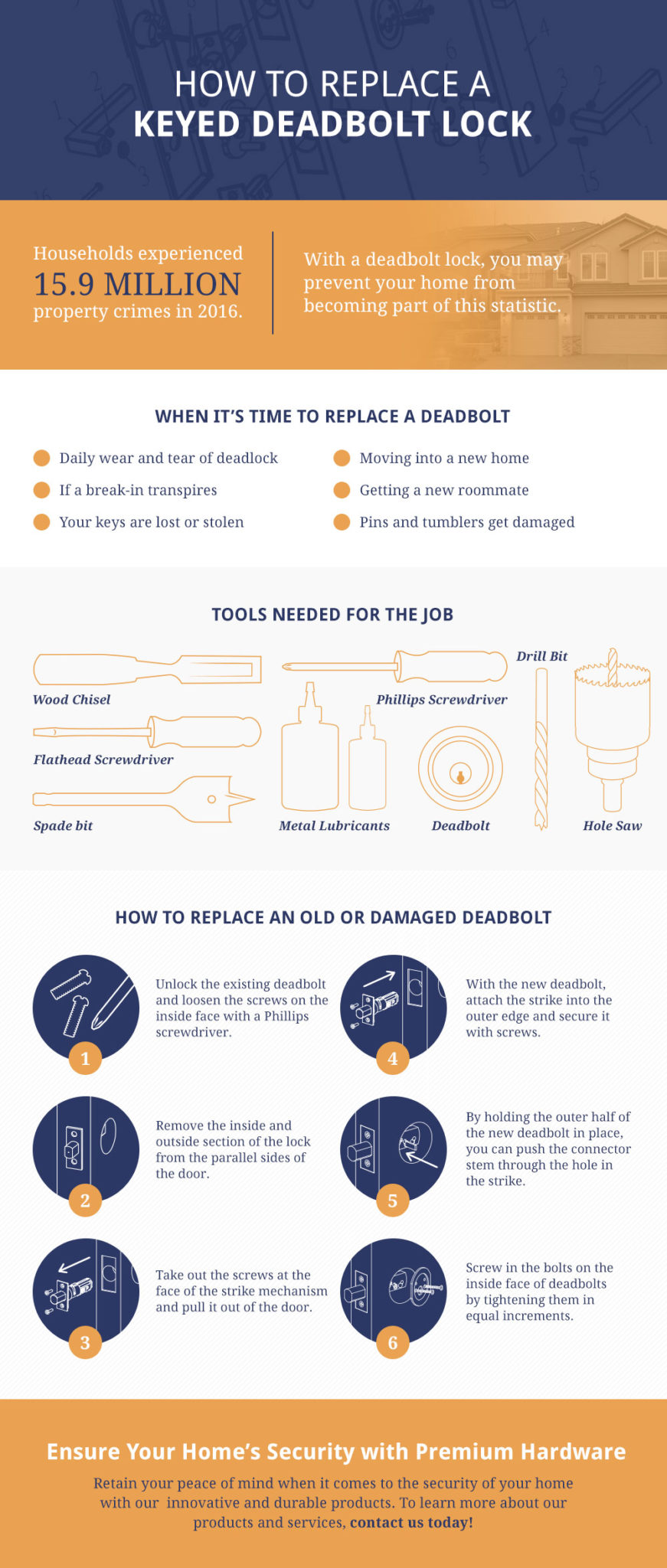
Start by unscrewing the screws on the door’s interior side. Pull out the interior and exterior parts of the lock. Remove the latch from the door edge by unscrewing it. Keep screws safe for reuse or get new ones if needed.
Installing The New Deadbolt
Insert the new latch into the door edge, aligning it properly. Secure the latch with screws firmly but don’t overtighten. Attach the exterior part of the deadbolt through the door hole. Connect the interior part, making sure the tailpiece fits the latch. Screw the interior and exterior parts together tightly. Test the lock by turning the key and thumbturn to check smooth operation.

Credit: www.youtube.com
Preventive Maintenance Tips
Taking care of your deadbolt can stop many problems before they start. Small actions keep your lock working well for years. These tips help avoid jams and damage.
Regular Cleaning
Dust and dirt build up inside the lock. Use a soft brush or cloth to clean the keyhole and bolt. Avoid water or harsh chemicals. Cleaning keeps the parts moving smoothly.
Routine Lubrication
Lubricate the lock every six months. Use a graphite or silicone spray made for locks. Spray a little inside the keyhole and on the bolt. This helps reduce friction and wear.
Checking Alignment
Make sure the bolt and strike plate line up well. Misalignment causes the lock to stick or not close. Adjust the strike plate screws or the door hinges if needed. Proper alignment ensures easy locking and unlocking.
Credit: premiumhardware.net
Frequently Asked Questions
How Do I Fix A Deadbolt That Won’t Turn?
First, check if the key or thumb turn is stuck. Lubricate the lock with graphite powder. Tighten loose screws. If it still won’t turn, the internal mechanism may need replacement.
Why Is My Deadbolt Jammed And How To Fix It?
A jammed deadbolt is often caused by misalignment. Check the strike plate and door frame. Adjust or reposition the strike plate for smooth operation. Lubrication can also help in easing the bolt movement.
Can I Repair A Broken Deadbolt Myself?
Yes, minor deadbolt repairs like tightening screws or lubricating can be DIY. For complex issues, like replacing the cylinder or internal parts, consider professional help. Always ensure to use correct tools and follow safety guidelines.
What Tools Are Needed To Fix A Deadbolt Lock?
You typically need a screwdriver, lubricant like graphite powder, and possibly replacement parts. A drill may be required for installing new screws. Having a measuring tape helps when realigning the strike plate.
Conclusion
Fixing a deadbolt can save time and money. Start with simple checks like lubrication and alignment. Use the right tools and follow clear steps. Small problems often cause big issues. Take your time and work carefully. A working deadbolt keeps your home safe.
Regular maintenance helps avoid future troubles. Don’t ignore signs of wear or damage. Practice these tips to keep locks functioning well. Safe homes begin with secure doors.