Are you tired of struggling to hang things securely on your walls? Getting a plastic anchor into the wall might seem tricky at first, but once you know the simple steps, it becomes quick and easy.
Whether you’re hanging a picture, a shelf, or a mirror, using the right anchor will keep your items safe and stable. In this guide, you’ll learn exactly how to get a plastic anchor in your wall without hassle or damage.
Keep reading, and you’ll gain the confidence to tackle this common home improvement task like a pro.
Choosing The Right Plastic Anchor
Choosing the right plastic anchor is important for a strong hold. Different anchors suit different wall types and weights. Picking the wrong anchor can cause damage or make the item fall. Understanding the types and uses helps you pick the best one for your project.
Types Of Plastic Anchors
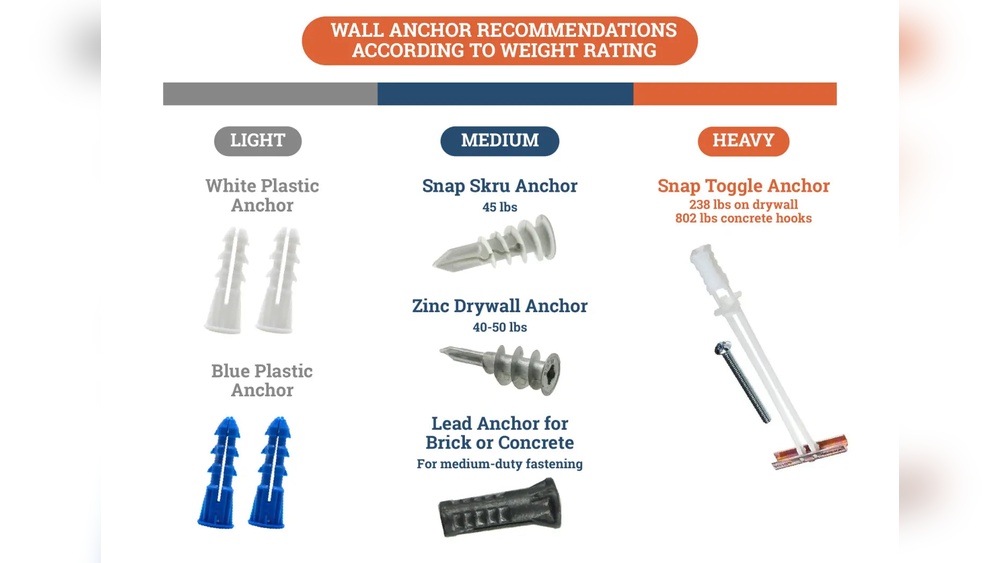
Plastic anchors come in several types. Expansion anchors widen inside the wall to hold tight. They work well in drywall and plaster. Ribbed anchors have ridges that grip the wall surface. These are good for soft walls. Some anchors have wings that open behind the wall for extra strength.
Matching Anchors To Wall Material
Walls differ in material and thickness. Drywall needs different anchors than concrete or brick. Lightweight anchors fit drywall and hollow walls. Heavy-duty anchors suit brick or concrete. Check your wall type before choosing. The wrong anchor won’t hold well and may cause damage.
Weight Capacity Considerations
Each anchor supports a certain weight. Know the weight of the item to hang. Small anchors hold light items like pictures. Larger anchors hold heavy shelves or mirrors. Always pick an anchor with a higher weight rating than your item. This ensures safety and durability.

Credit: www.reddit.com
Tools And Materials Needed
To install a plastic anchor in the wall, you need the right tools and materials. Having these ready makes the job easier and safer. This section explains what tools you need and why each one is important.
Drill And Drill Bits
A drill is essential to make a hole for the plastic anchor. Choose a drill that feels comfortable in your hand. Use a drill bit that matches the anchor size exactly. This ensures a snug fit and strong hold. Too big or too small a bit can cause problems.
Screwdriver Options
After placing the anchor, you need a screwdriver to insert the screw. A manual or electric screwdriver works well. Match the screwdriver tip to your screw head. This prevents slipping and damage to the screw or wall.
Additional Supplies
Other useful supplies include a hammer, pencil, and level. The hammer helps tap the anchor into the hole gently. Use a pencil to mark the drilling spot accurately. A level keeps your installation straight and neat.
Preparing The Wall
Preparing the wall is the first step to install a plastic anchor correctly. It ensures the anchor fits well and holds firmly. Careful preparation saves time and prevents damage to your wall.
Locating Studs And Marking Spots
Start by finding the wall studs. Use a stud finder or tap the wall to listen for a solid sound. Mark the edges of the stud with a pencil. Avoid placing anchors in the studs. Plastic anchors work best in drywall, not wood studs. Mark the exact spot where you want to insert the anchor.
Measuring And Marking Drill Points
Measure the distance between your marks carefully. Use a tape measure for accuracy. Mark the drill points clearly with a pencil. Check the height and alignment to ensure your item will hang straight. Double-check measurements before drilling. Proper marks guide the drill and prevent mistakes.
Safety Precautions
Wear safety glasses to protect your eyes. Use a dust mask to avoid inhaling dust. Keep your hands clear of the drill bit. Work in a well-lit area. Make sure the drill bit is the correct size for the anchor. Stop drilling if you hit resistance. Safety first prevents injuries and accidents.

Credit: www.youtube.com
Drilling The Hole
Drilling the hole is an important step to secure a plastic anchor firmly in the wall. The right hole size and clean drilling help the anchor hold tight. Careful drilling also prevents damage to your wall, making your project safer and neater.
Selecting The Right Drill Bit Size
Choose a drill bit that matches the plastic anchor size. Too small a bit makes the hole tight and risks breaking the anchor. Too large a bit causes the anchor to fit loosely, reducing strength. Check the anchor package for the recommended drill bit size. Use a bit that fits the anchor’s diameter exactly for a solid hold.
Drilling Techniques For Clean Holes
Hold the drill steady and straight to avoid angled holes. Start drilling slowly to create a guide hole. Increase speed gradually while applying steady pressure. Stop once the hole reaches the correct depth for the anchor. Clean out dust from the hole using a brush or air blower. A clean hole ensures the anchor sits flush and grips well.
Avoiding Wall Damage
Use a drill bit designed for your wall type, such as masonry or wood. Avoid pushing too hard; let the drill do the work. Keep the drill steady to prevent cracks or chips. Mark the drilling spot clearly before starting. Protect surrounding areas with tape or a cloth. These steps help keep your wall smooth and damage-free.
Inserting The Plastic Anchor
Inserting a plastic anchor into the wall is a key step for a strong hold. The process needs care and the right technique. Doing it right keeps your screws secure. It prevents damage to the wall and holds your items firmly.
Aligning The Anchor Properly
Start by checking the hole size. It should match the anchor size exactly. Hold the anchor with the pointed end facing the hole. Make sure it is straight and aligned with the hole. This helps the anchor slide in easily. A tilted anchor can cause weak support.
Pushing Or Tapping The Anchor In
Push the anchor into the hole gently. Use your fingers first to avoid damage. If it is tight, tap it lightly with a hammer. Tap slowly to avoid cracking the anchor or wall. Stop when the anchor is flush with the wall surface. This ensures it sits well and holds tight.
Ensuring A Secure Fit
Check the anchor by pulling it lightly. It should not move or wiggle. A loose anchor means the hole is too big or the anchor is wrong size. If needed, remove and try a bigger anchor or fill the hole first. A secure fit keeps screws from pulling out. Your items stay safe on the wall.

Credit: www.youtube.com
Securing The Screw
Securing the screw into a plastic anchor is a crucial step. It holds your item firmly on the wall. Done right, it prevents damage and keeps things steady. This section explains how to pick the right screw and fix it properly.
Choosing The Correct Screw Size
Select a screw that fits the anchor snugly. Too small, and it won’t hold. Too big, it can crack the anchor or wall. Check the anchor package for size advice. Usually, the screw should be slightly shorter than the anchor length.
Driving The Screw Into The Anchor
Place the screw tip into the anchor’s hole. Use a screwdriver or drill on low speed. Turn slowly and steadily to avoid stripping. Stop when the screw head is flush with the wall surface. Avoid over-tightening to prevent anchor damage.
Testing For Stability
Gently pull or wiggle the fixed item. It should feel solid with no movement. If loose, remove the screw and try a larger size. Stability means the screw and anchor work well together. This keeps your wall and items safe.
Common Mistakes To Avoid
Installing plastic anchors in the wall is easy when done right. Many people make simple mistakes that weaken the hold. Avoiding these errors helps keep your items safe and secure. Pay attention to details for the best results.
Using Incorrect Anchor Types
Not all plastic anchors work for every wall type. Drywall, plaster, and concrete need different anchors. Using the wrong type causes weak support. Choose anchors that match your wall material. This prevents damage and ensures strong holding power.
Overdrilling Or Underdrilling
Drilling the wrong hole size is a common problem. Too big, and the anchor will not grip tightly. Too small, and the anchor won’t fit at all. Measure carefully before drilling. Use the anchor packaging as a guide for the right hole size.
Ignoring Weight Limits
Every plastic anchor has a weight limit. Exceeding it causes the anchor to fail. Check the label for the maximum weight the anchor can hold. Always stay below this limit for safety. Heavy items need stronger anchors or extra support.
Tips For Extra Support
Plastic anchors provide good support for many wall fixtures. Sometimes, extra strength is needed. Simple tips can help improve their hold and keep items secure. These methods work well for heavier objects or walls that need extra care.
Using Wall Plugs With Plastic Anchors
Wall plugs add extra grip inside the wall. They expand when the screw is pushed in. This expansion holds the anchor firmly. Use the right size plug for your plastic anchor. It helps spread the load and avoids damage. Wall plugs work best in drywall and hollow walls.
Reinforcing Heavy Loads
Heavy objects need more support than just a plastic anchor. Use longer screws to reach deeper into the wall. Place more than one anchor for better weight distribution. Consider using metal anchors for very heavy items. Always check the weight limit of your anchor before installation.
Maintenance And Inspection
Check anchors regularly to ensure they stay secure. Look for signs of loosening or wall damage. Tighten screws if they feel loose. Replace anchors if they show cracks or wear. Regular inspection keeps your wall fixtures safe and strong.
Frequently Asked Questions
What Tools Do I Need To Install A Plastic Anchor?
You need a drill, drill bit, hammer, and screwdriver. Choose a drill bit matching the anchor size. These tools help create a proper hole and secure the anchor firmly in the wall.
How Do I Prepare The Wall For A Plastic Anchor?
Mark the spot where you want the anchor. Drill a hole slightly smaller than the anchor diameter. Clean out debris to ensure a snug fit and better support.
Can Plastic Anchors Hold Heavy Objects On Drywall?
Plastic anchors support light to medium weights, typically up to 20-25 pounds. For heavier items, consider metal anchors or toggle bolts for better strength and reliability.
How Deep Should I Drill For A Plastic Anchor?
Drill to the full length of the anchor to allow it to fit completely inside. This ensures the anchor expands properly and holds securely in the wall.
Conclusion
Getting a plastic anchor into the wall is simple with the right steps. First, choose the correct drill bit size. Next, drill a hole carefully and clean out any dust. Push the anchor firmly into the hole until it fits snugly.
This method helps hold screws tightly and supports your items well. Practice a few times to gain confidence. Soon, hanging shelves or pictures will feel easy and secure. Small tasks like this can build your DIY skills quickly. Keep trying and enjoy your handy work!