Are you tired of struggling with weak wall anchors that can’t hold your heavy shelves or decorations? You’re not alone.
Finding the right solution to secure items firmly to your walls can be frustrating. That’s where toggler wall anchors come in—they offer strong, reliable support for your projects. You’ll learn exactly how to use toggler wall anchors step-by-step, so you can confidently hang your items without worry.
Keep reading, and you’ll discover the simple tricks to make your walls hold strong every time.

Credit: www.lowes.com
Choosing The Right Toggler Wall Anchors
Choosing the right Toggler wall anchors is key for a strong hold. The right anchor fits your wall type and the item’s weight. Wrong anchors may cause damage or fail to hold.
Consider the type of Toggler anchor, weight capacity, and material compatibility. These factors ensure your project stays secure and safe.
Types Of Toggler Anchors
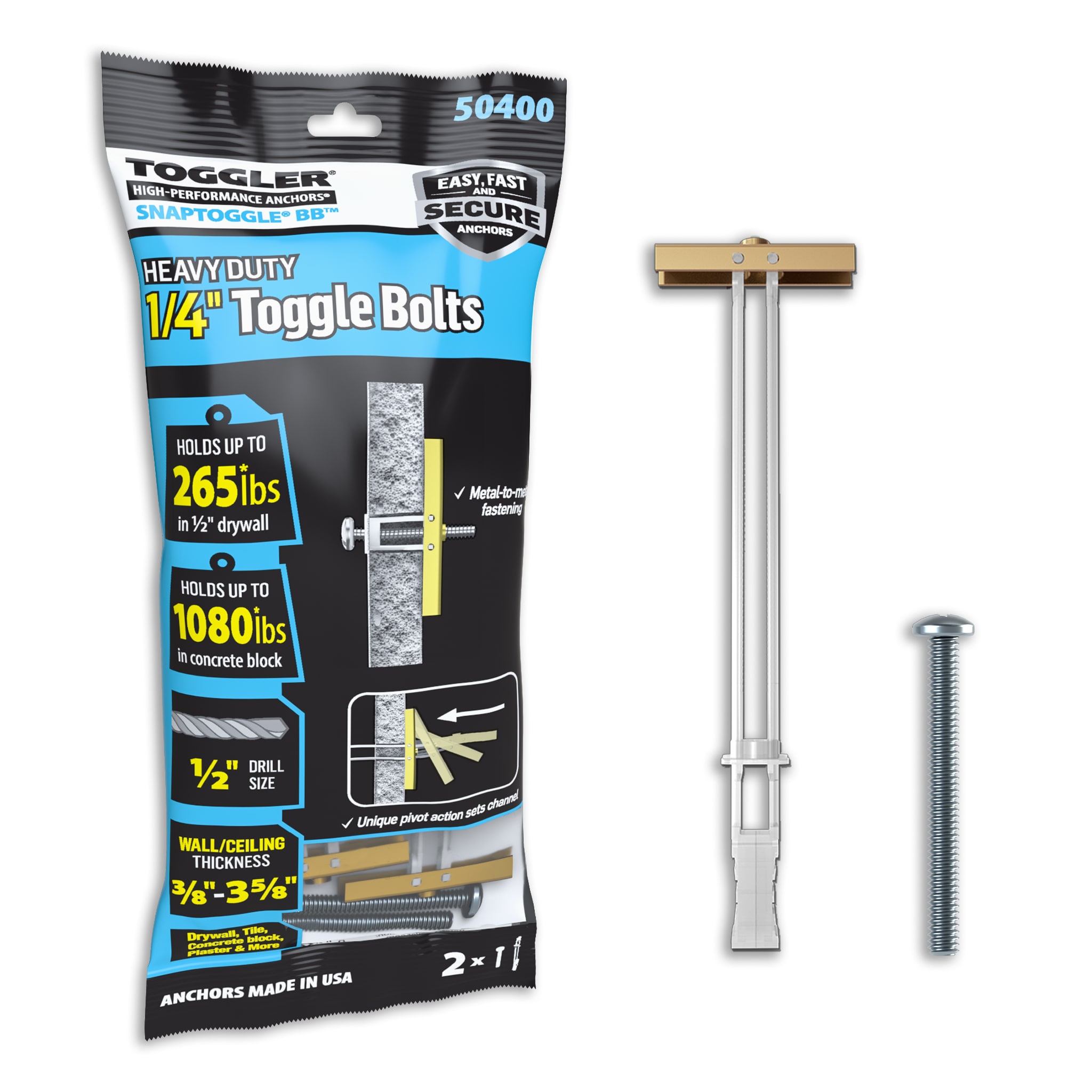
Toggler anchors come in various types for different needs. SnapToggle is best for heavy loads and hollow walls. Toggle bolt anchors work well for drywall and plaster. Molly bolts expand inside the wall for medium loads. Choose the type that matches your wall and project.
Weight Capacity Considerations
Check the weight limit of each anchor before use. Heavy items need anchors with high weight capacity. Light decorations need smaller anchors. Always pick an anchor that supports more weight than your item. This prevents accidents and wall damage.
Material Compatibility
Wall materials affect anchor choice. Drywall, plaster, brick, and concrete all need different anchors. Some toggler anchors fit only hollow walls. Others work on solid materials. Match the anchor to your wall material for best results.
Credit: www.lowes.com
Tools And Materials Needed
Before using toggler wall anchors, gather all necessary tools and materials. Having everything ready helps the job go smoothly. It also saves time and avoids frustration. The right tools ensure the anchors hold firmly in the wall. Prepare your workspace to keep it clean and safe.
Essential Tools
You will need a drill with the correct drill bit size. A screwdriver or drill with a screwdriver bit is important. A tape measure helps mark the spot for the anchor. A pencil or marker is useful for marking holes. A level ensures your installation is straight. Keep a hammer handy for light tapping if needed.
Safety Gear
Wear safety glasses to protect your eyes from dust and debris. Use gloves to protect your hands from sharp edges. Ear protection is important when using loud drills. A dust mask keeps you safe if drilling into drywall or plaster. Dress in close-fitting clothes to avoid getting caught in tools.
Preparing The Workspace
Clear the area around your work spot. Remove furniture or cover it with a cloth. Lay down a drop cloth to catch dust and debris. Make sure the wall surface is clean and dry. Check for electrical wires or pipes before drilling. Good lighting helps you see clearly while working.
Preparing The Wall
Preparing the wall is a key step before installing toggler wall anchors. This stage ensures the anchor fits well and holds tight. Careful preparation prevents damage and keeps your fixture secure. Follow these simple steps to get your wall ready.
Locating Studs And Marking
First, find the studs behind the wall. Use a stud finder or tap the wall lightly. Mark the spots where no studs are present. These spots are best for toggler anchors. Mark the exact point with a pencil. This helps place the anchor in the right spot.
Drilling The Correct Hole Size
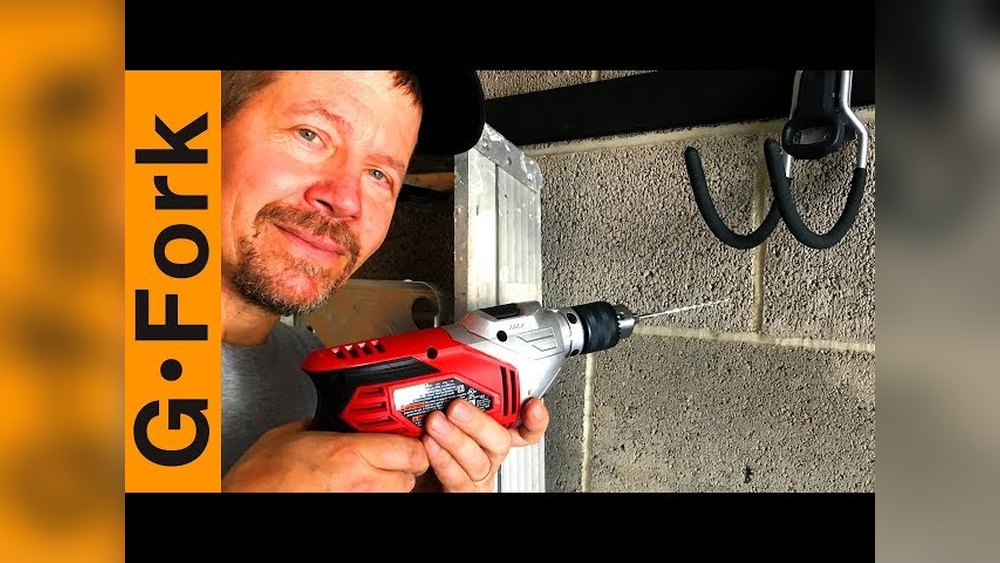
Choose a drill bit that matches the anchor size. Too small a hole stops the anchor from fitting. Too big a hole weakens the hold. Drill straight and steady to avoid wall damage. The hole must be clean and smooth for the anchor.
Cleaning The Hole
Remove dust and debris from the hole. Use a vacuum or blow air inside. A clean hole helps the anchor open fully. This step improves the grip and strength. Check the hole once more before inserting the anchor.

Credit: www.youtube.com
Installing Toggler Wall Anchors
Installing Toggler wall anchors is a simple process that provides strong support for hanging items. These anchors work well in drywall and hollow walls. Using them correctly ensures your objects stay secure and stable.
Follow these steps carefully to install toggler wall anchors with ease. Each step helps create a solid hold in the wall.
Inserting The Anchor
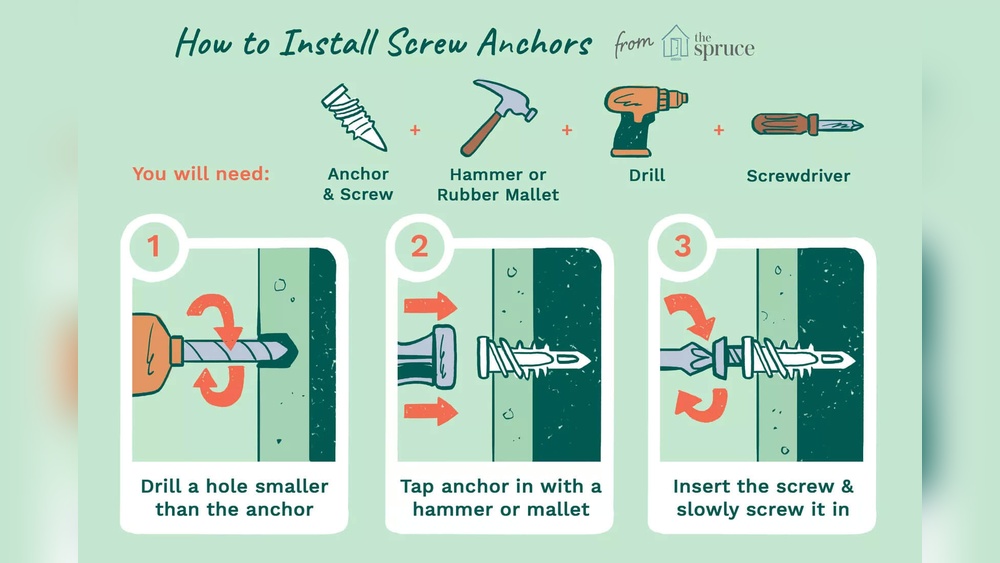
First, drill a hole in the wall that matches the anchor size. The hole should be clean and free from dust. Next, squeeze the toggler wings together. Push the anchor through the hole until the wings pass inside the wall.
Engaging The Toggle Mechanism
Once inside, the wings will open fully behind the wall. Pull the anchor gently to make sure the wings are flat against the inside surface. This action locks the anchor in place and stops it from slipping out.
Securing The Screw
Insert the screw into the anchor’s center. Turn it slowly while holding the anchor steady. Tighten the screw until it feels firm but not too tight. Over-tightening can damage the wall or anchor.
Testing Anchor Strength
Testing the strength of toggler wall anchors is a key step after installation. It ensures the anchor holds firmly and safely. This check prevents damage or accidents caused by weak anchoring. Follow simple steps to test anchor strength properly.
Applying Load Gradually
Start by adding weight slowly to the anchor. Use light pressure at first. Increase the load bit by bit. Watch how the anchor reacts to the added force. This method helps avoid sudden failure. It also shows the true holding power of the anchor.
Checking For Stability
Look closely for any movement or shifting. The anchor should stay steady without wobbling. Test by gently pulling or pushing the attached object. No slipping or loosening means the anchor is stable. Stability is a sign the anchor is secure in the wall.
Troubleshooting Common Issues
If the anchor moves or feels loose, stop the test. Check if the wall material is suitable for this anchor. Ensure the anchor is installed at the right depth. Use a larger or different type of anchor if needed. Fixing these problems improves the anchor’s grip and safety.
Best Practices For Long-lasting Support
Using Toggler wall anchors correctly ensures strong and lasting support. Following best practices helps keep your mounted items safe and secure. Simple steps can prevent damage and extend the life of your installation.
Avoiding Overloading
Check the weight limit of each Toggler anchor before use. Do not hang items heavier than the recommended capacity. Spread heavy loads across multiple anchors to reduce stress. Overloading weakens the anchor and risks falling objects.
Regular Inspection
Inspect your mounted items and anchors regularly. Look for any signs of loosening or damage. Tighten screws if they become loose over time. Catching problems early helps avoid accidents and repairs later.
Maintenance Tips
Keep the anchors and surrounding wall clean and dry. Avoid exposure to moisture, which can weaken wall materials. Replace anchors if they show signs of rust or wear. Proper care ensures your anchors stay strong longer.
Frequently Asked Questions
What Are Toggler Wall Anchors Used For?
Toggler wall anchors secure heavy items to drywall or hollow walls. They provide strong support where screws alone may fail. They are ideal for mounting shelves, mirrors, or TVs safely without wall damage.
How Do You Install Toggler Wall Anchors Correctly?
Drill a hole matching the anchor size, insert the toggler anchor folded. Push it through the wall until it opens behind the drywall. Tighten the screw to secure the anchor firmly in place.
Can Toggler Wall Anchors Hold Heavy Weights?
Yes, toggler wall anchors can hold heavy items up to 50 pounds or more. Their design spreads the load across a wider area behind the wall for strong support.
Are Toggler Wall Anchors Reusable?
No, toggler wall anchors are generally single-use. Once installed and tightened, removing them often damages the anchor or wall, requiring a new anchor for reinstallation.
Conclusion
Toggler wall anchors offer strong support for heavy items. They work well in drywall and hollow walls. Using them correctly ensures your shelves stay secure. Always choose the right size for your project. Drill carefully and insert the anchor fully.
Tighten screws slowly to avoid damage. Practice makes the process easier and safer. Now, you can hang items with confidence. Try toggler wall anchors for a sturdy hold.