You’ve got something important to hang, but the wall feels like it’s working against you. Drywall anchors can be your best friend, giving your nails and screws the grip they need to hold tight.
But how do you put drywall anchors in the wall the right way? If you’ve ever struggled with crooked shelves or wobbly frames, this guide is exactly what you need. Keep reading, and you’ll learn simple steps that make your walls work for you—not the other way around.
:max_bytes(150000):strip_icc()/how-to-use-and-discard-anchor-screws-1822671-Final-ec8091ccf65241b1b1f888549f25003a.jpg)
Credit: www.thespruce.com
Choosing The Right Anchor
Choosing the right drywall anchor is important for a strong hold. Different anchors suit different wall types and weights. Selecting the wrong anchor can cause damage or failure.
Consider the wall material and what you want to hang. The right anchor keeps your items safe and secure.
Types Of Drywall Anchors
There are many types of drywall anchors. Plastic expansion anchors are common for light loads. They spread inside the wall to hold weight.
Toggle anchors have wings that open behind the drywall. They hold heavier items well. Self-drilling anchors screw directly into drywall. They are easy to install and good for medium loads.
Weight Capacity Considerations
Check the weight of the item before choosing an anchor. Light items need simple anchors. Heavy items need stronger anchors like toggle bolts.
Always pick an anchor with a weight limit higher than your item. This ensures safety and prevents damage to the wall.
Anchor Material Options
Anchors come in plastic, metal, and nylon. Plastic anchors suit light items and are cheap. Metal anchors are stronger and better for heavy loads.
Nylon anchors offer flexibility and resist rust. Choose material based on load and wall condition for best results.
Tools And Materials Needed
Before putting drywall anchors in the wall, gather the right tools and materials. This step ensures a smooth, safe, and strong installation. Having everything ready saves time and avoids mistakes. The right tools make the job easier and the results better.
Essential Tools
Start with a drill. It helps make holes for the anchors. Use drill bits that match the anchor size. A screwdriver is important to tighten anchors securely. A tape measure helps to mark exact spots on the wall. A pencil is useful for marking these spots. A level ensures your anchor is straight. Finally, have a hammer ready if needed for some anchor types.
Preparing Your Workspace
Clear the area around the wall. Remove furniture or objects that block access. Lay down a drop cloth to catch dust and debris. Make sure the wall surface is clean and dry. Check for any electrical wires or pipes behind the wall. Use a stud finder to avoid drilling into studs. Good lighting helps you see clearly while working.
Preparing The Wall
Preparing the wall is an important step before installing drywall anchors. It helps ensure the anchors hold firmly and the wall stays strong. Proper preparation makes the process easier and safer. Start by understanding the wall’s structure and marking the exact spots for the anchors.
Locating Studs
Studs are vertical wooden beams behind the drywall. Anchors work best when placed near or between studs. Use a stud finder tool to find these beams. Move the tool slowly along the wall until it signals a stud. Mark the edges of each stud with a pencil. Knowing where studs are helps avoid weak spots.
Marking Anchor Points
Mark the points where you want to insert anchors. Use a pencil for clear, easy-to-see marks. Measure carefully to space anchors evenly. Check that the spots do not line up with electrical wires or pipes. Proper marks guide you during drilling and keep the wall safe.

Credit: www.picturehangsolutions.com
Installing Plastic Expansion Anchors
Installing plastic expansion anchors is a simple way to hang items on drywall securely. These anchors hold screws tightly and prevent damage to the wall. They work by expanding inside the wall once you insert the screw.
This method fits light to medium-weight objects. Follow a few clear steps for the best results. Proper installation ensures your items stay safe on the wall without falling.
Drilling The Pilot Hole
Start by choosing a drill bit that matches the anchor size. Drill a hole straight into the drywall. Make sure the hole is clean and not too big. The anchor must fit tightly inside the hole.
Inserting The Anchor
Push the plastic anchor into the hole gently. Use your fingers or a small hammer to tap it in. The anchor should sit flush with the wall surface. Avoid forcing it, or the wall may crack.
Securing With Screws
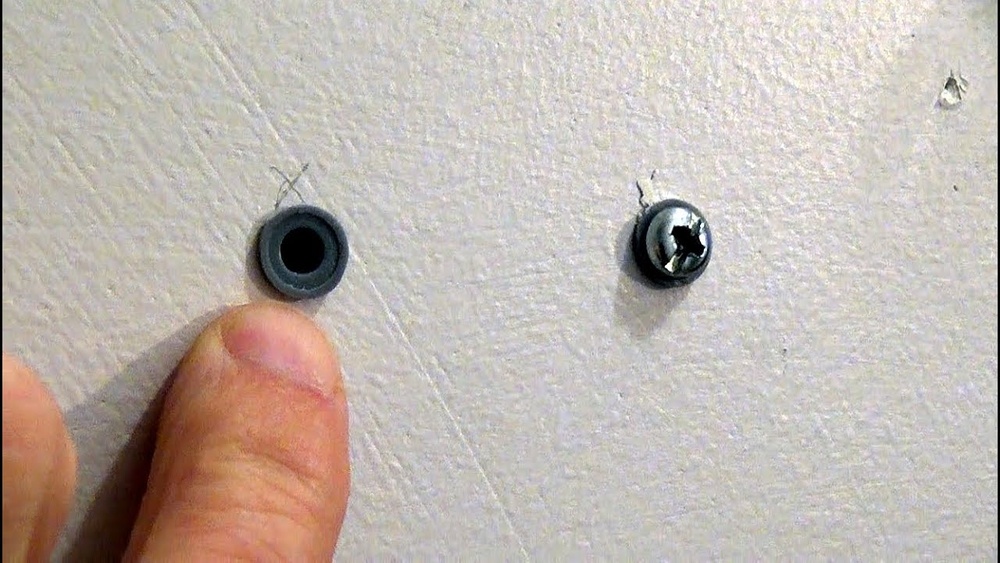
Place the screw into the anchor’s center. Turn the screw slowly using a screwdriver. As the screw enters, the anchor will expand inside the wall. Tighten the screw until it feels firm but not too tight.
Installing Self-drilling Anchors
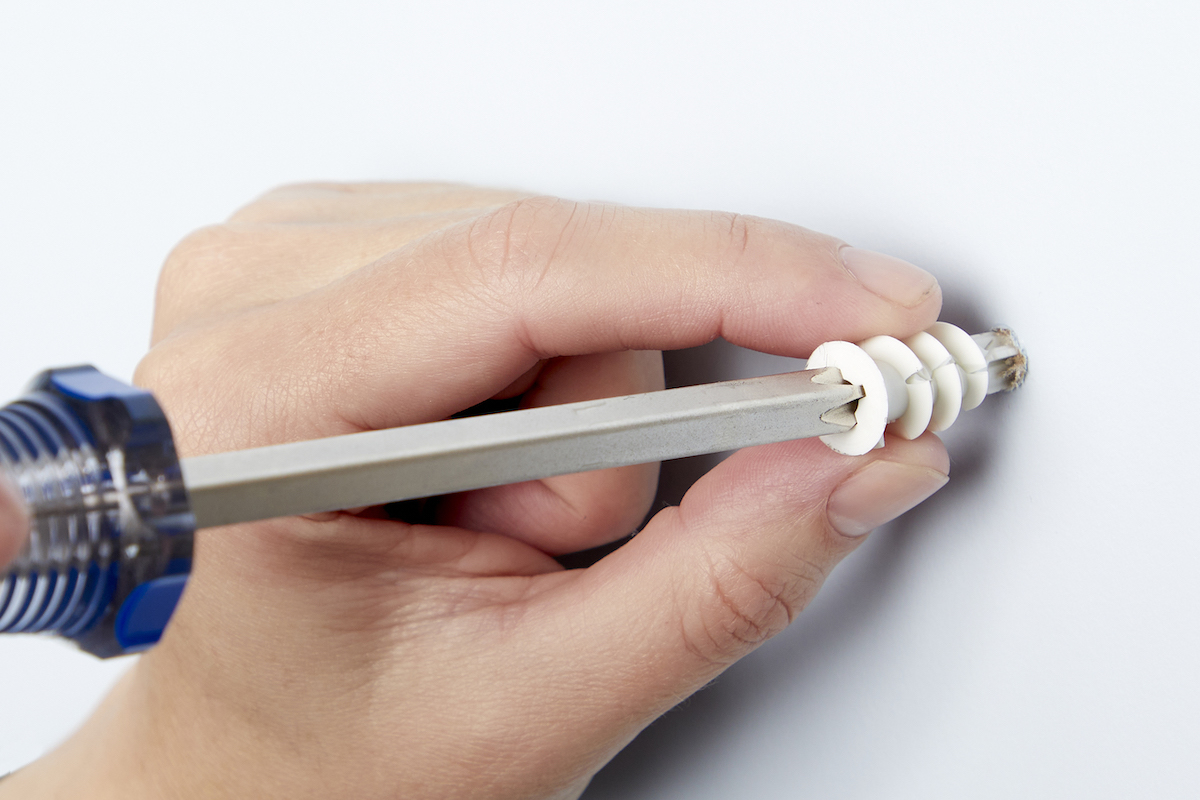
Installing self-drilling drywall anchors is a quick way to hang items securely. These anchors do not need a pre-drilled hole. They cut into the drywall as you screw them in. This makes the process faster and easier, especially for beginners.
Positioning The Anchor
Start by marking the spot on the wall. Use a pencil for a clear mark. Make sure the spot is level and fits your item’s weight. Check the area for any wires or pipes before proceeding.
Screwing Anchor Into Drywall
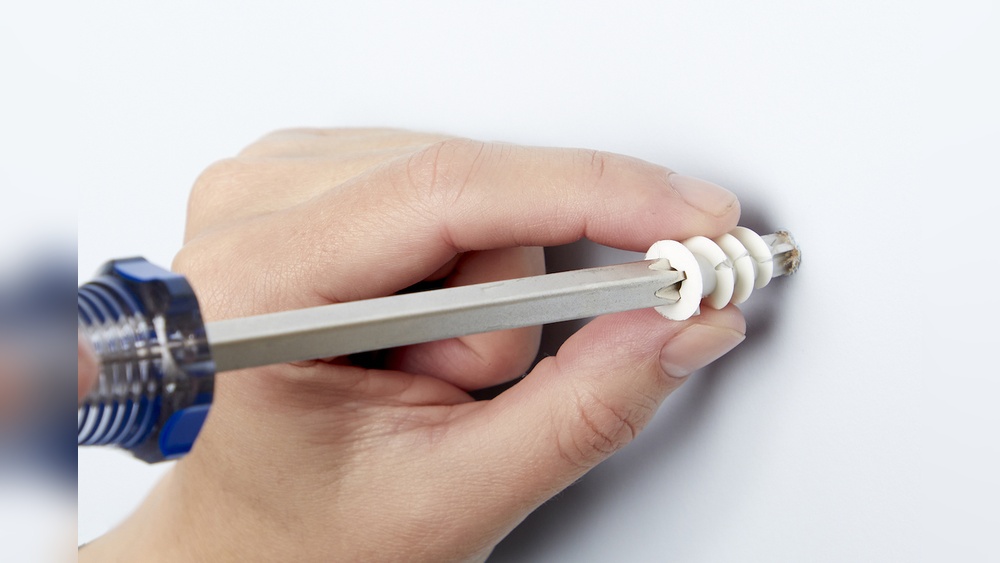
Place the tip of the anchor on the mark. Use a screwdriver or a drill with a low setting. Turn the anchor slowly and steadily. The sharp threads will dig into the drywall. Keep screwing until the anchor is flush with the wall surface.
Adding The Screw
Insert the screw into the anchor’s center. Use a screwdriver to turn it gently. Tighten the screw until it feels secure. Do not over-tighten to avoid damage. Your anchor is now ready to hold the item firmly.
Using Toggle Bolts
Using toggle bolts is a reliable way to hang heavy items on drywall. These anchors spread the weight across a larger area behind the wall. This makes them stronger than regular anchors. Toggle bolts work well for shelves, mirrors, and other heavy objects.
Drilling The Hole
Start by choosing the right drill bit size. The hole must be big enough for the toggle to fit. Mark the spot on the wall where you want to drill. Drill straight through the drywall carefully. Keep the drill steady to avoid making the hole too large.
Inserting The Toggle
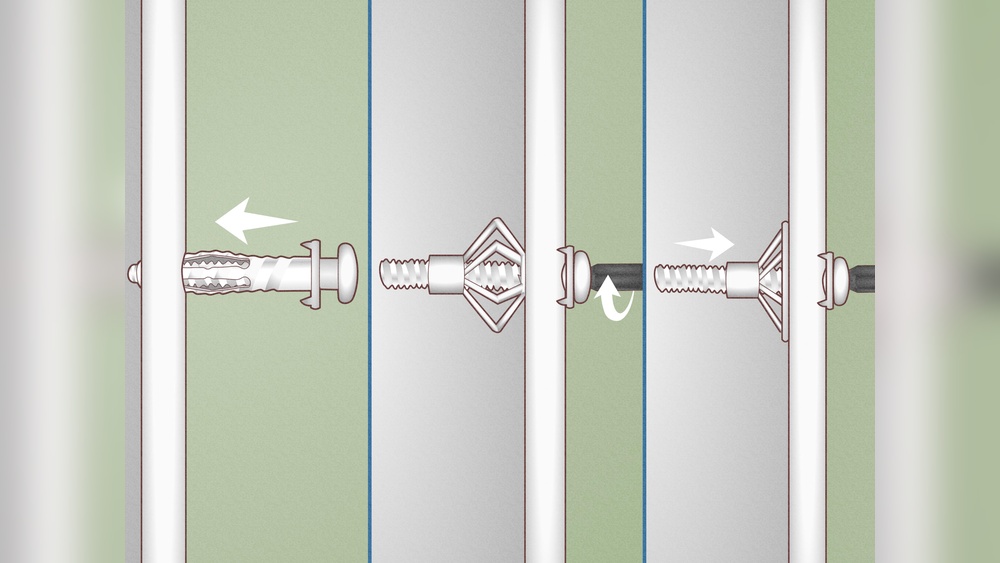
Fold the toggle wings together tightly. Push the toggle through the hole in the wall. Once inside, the wings will open up behind the drywall. Pull the bolt gently to make sure the toggle is secure. The open wings create a strong hold inside the wall.
Tightening The Bolt
Hold the bolt head firmly with a screwdriver. Turn the screwdriver clockwise to tighten the bolt. The bolt will pull the toggle wings closer to the wall. Tighten until the object you hang feels secure. Avoid overtightening to prevent damage to the wall.
Testing Anchor Strength
Testing the strength of drywall anchors is important. It helps make sure the anchors hold firmly. This step prevents damage and keeps items safe on the wall. A strong anchor supports weight well without moving or falling out.
Applying Weight Gradually
Start by adding light weight to the anchor. Use small objects first. This shows if the anchor can hold some load. Slowly increase the weight in steps. Watch for any signs of slipping or loosening. If the anchor holds steady, add more weight carefully.
Checking For Stability
Look closely at the anchor and wall. Wiggle the attached item gently. Feel for any movement or wobbling. Check if the anchor stays tight inside the wall. A stable anchor will not shift or pull out. If it moves, remove and try a stronger anchor type.
Common Mistakes To Avoid
Putting drywall anchors in the wall seems simple, but many make avoidable errors. These mistakes can weaken the hold and damage your wall. Knowing what to avoid helps you install anchors safely and securely. Below are some common errors to watch out for.
Overloading Anchors
Each anchor has a weight limit. Putting too much weight causes anchors to fail. This can lead to holes, cracks, or falling objects. Always check the anchor’s weight capacity. Choose a stronger anchor if you plan to hang heavy items.
Incorrect Hole Size
Drilling the wrong hole size is a frequent issue. A hole too small makes it hard to insert the anchor. Too large a hole means the anchor won’t grip well. Use the drill bit size recommended on the anchor package. This ensures a snug fit and strong hold.
Ignoring Wall Material
Different walls need different anchors. Drywall, plaster, and concrete all require specific types. Using the wrong anchor can cause damage or poor support. Identify your wall type first. Then pick anchors designed for that material to avoid problems.
Maintenance And Removal Tips
Proper maintenance and removal of drywall anchors ensure your walls stay strong and clean. Removing anchors carefully prevents extra damage. Repairing any marks or holes keeps the wall looking good. Follow simple steps to keep your wall in top shape.
Removing Anchors Safely
Start by loosening the anchor with a screwdriver. Turn it counterclockwise to unscrew. If it does not move, use pliers to pull it out gently. For plastic anchors, push them inside the wall with a screwdriver. Avoid forcing the anchor hard. This prevents wall damage.
Repairing Wall Damage
Fill small holes with spackling paste or wall filler. Use a putty knife to smooth the surface. Let it dry completely before sanding lightly. For bigger holes, use a patch kit to cover the area. Paint over the repair to match the wall color. This keeps your wall neat and clean.
Credit: www.bobvila.com
Frequently Asked Questions
What Tools Do I Need To Install Drywall Anchors?
You need a drill, screwdriver, drywall anchors, and a pencil. A drill bit matching anchor size is essential. These tools ensure proper placement and secure installation of drywall anchors.
How Do I Prepare The Wall For Drywall Anchors?
Clean the wall surface and mark the spot with a pencil. Use a drill to make a pilot hole if necessary. This ensures the anchor fits snugly and holds firmly.
Can Drywall Anchors Hold Heavy Objects?
Yes, certain drywall anchors support heavy loads. Choose anchors rated for the item’s weight. Toggle and molly anchors offer strong support for heavier items.
How Deep Should I Drill For Drywall Anchors?
Drill a hole slightly smaller than the anchor’s diameter. The hole should be deep enough for the entire anchor to fit flush. This prevents wall damage and ensures anchor stability.
Conclusion
Drywall anchors hold items firmly on your walls. Choose the right anchor for your wall type. Drill a hole, insert the anchor, then screw in your fixture. Take your time to avoid mistakes. Strong anchors keep your items safe and secure.
Practice a few times if needed. Now, hanging shelves or pictures feels easier and safer. You can handle simple wall projects confidently. Keep these steps in mind for future use.