Have you ever found yourself stuck with a deadbolt lock that just won’t budge? Whether the key is lost, the lock is broken, or you simply need to disable it temporarily, knowing how to disable a deadbolt lock can save you time and stress.
In this guide, you’ll discover simple, step-by-step methods that anyone can follow, even without special tools or experience. Keep reading, and you’ll learn how to take control of your lock quickly and safely—so you can get back to what really matters.
Types Of Deadbolt Locks
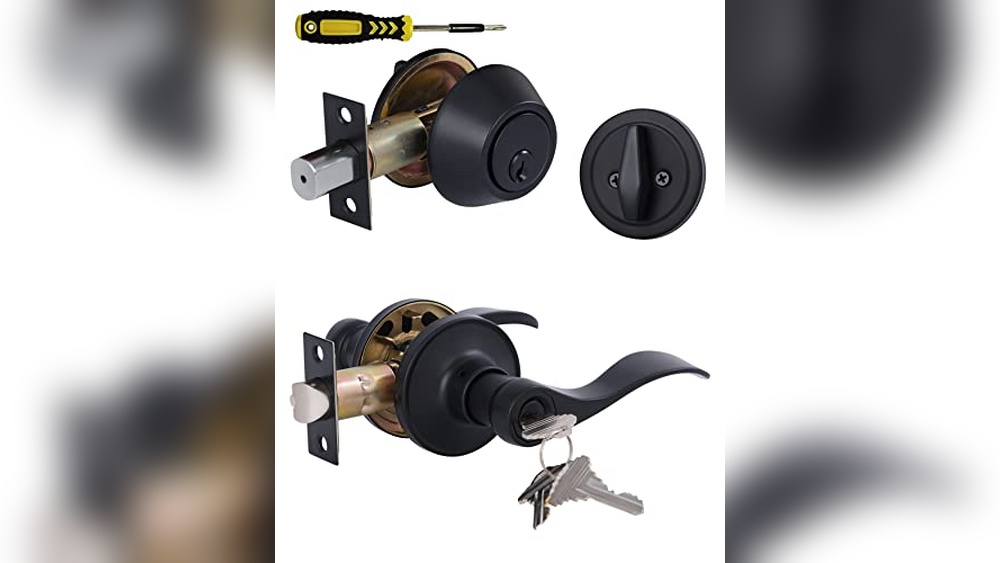
Deadbolt locks come in different types. Each type offers unique features and security levels. Understanding these types helps you know how to disable them safely. Here is a look at the main types of deadbolt locks.
Single Cylinder Deadbolts
Single cylinder deadbolts have a keyhole on the outside. Inside, they use a thumb turn to lock or unlock. This type is common on many doors. It is easy to use and install. However, the thumb turn can be a safety risk near glass doors.
Double Cylinder Deadbolts
Double cylinder deadbolts require a key on both sides. This means no thumb turn inside. This type adds extra security. It stops burglars from breaking glass and reaching in. But it can be tricky in emergencies without a key nearby.
Keyless Deadbolts
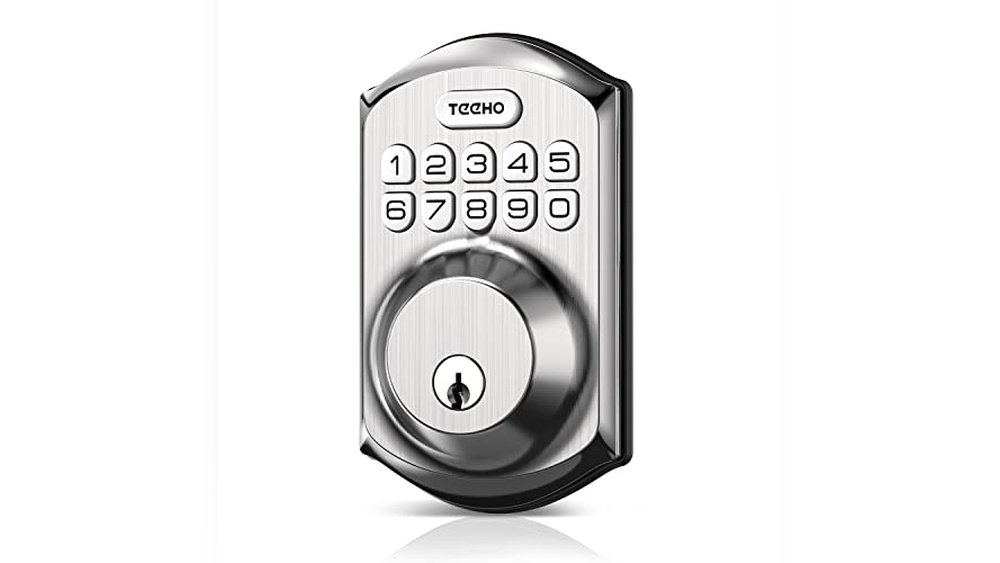
Keyless deadbolts use a code or keypad to unlock. No physical key is needed. This type offers convenience and quick access. Some models use fingerprint or app control. Batteries power these locks, so check them often.
Tools Needed
Disabling a deadbolt lock requires the right tools. Having these tools ready makes the task easier and safer. Some tools are common and easy to find. Others are specialized and made for locks. Knowing what you need helps you prepare well.
Basic Tools
Basic tools are common in many households. A screwdriver is the most important tool. It helps remove screws holding the lock in place. A pair of pliers can grip and pull small parts. A flashlight helps you see inside the lock clearly. Having a small hammer can assist in gentle tapping. These tools cover simple lock removal tasks.
Specialized Tools
Specialized tools are designed for lock work. A lock pick set helps manipulate the lock’s pins. A tension wrench applies pressure inside the lock cylinder. A plug spinner can turn the lock cylinder after picking. These tools require some skill to use. They make disabling a deadbolt more precise and less damaging.
Step-by-step Disabling Methods
Disabling a deadbolt lock requires careful steps to avoid damage. This guide shows clear methods anyone can follow. Each method suits different situations and tools available. Understanding these steps helps you handle a stuck or broken deadbolt safely.
Using A Key
Start by inserting the correct key fully into the deadbolt. Turn the key gently to unlock the deadbolt. Avoid forcing the key to prevent breakage. If the key turns, the lock will open easily. This is the safest and simplest way to disable the lock.
Picking The Lock
Pick the lock carefully with a tension wrench and pick tool. Insert the wrench into the keyhole and apply slight pressure. Use the pick to lift the pins inside the lock. Feel for the pins to set them in place. This method needs patience and some practice to succeed.
Bypassing With A Credit Card
Slide a plastic card between the door frame and the deadbolt. Push the card while trying to move the bolt back. This works only on spring bolt locks, not on deadbolts with a dead latch. Use a flexible card for better results. It can open the lock without tools or damage.
Removing The Lock Cylinder
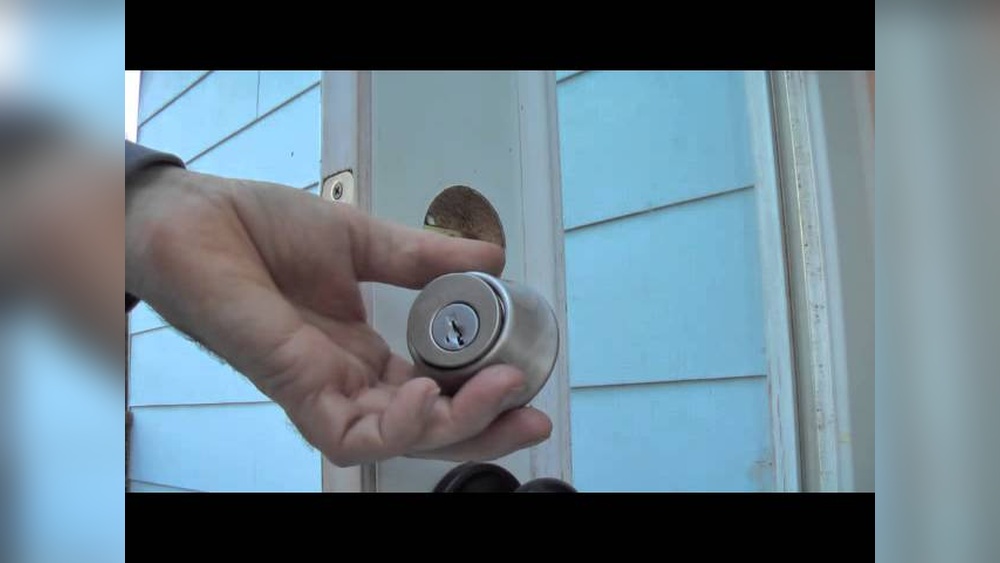
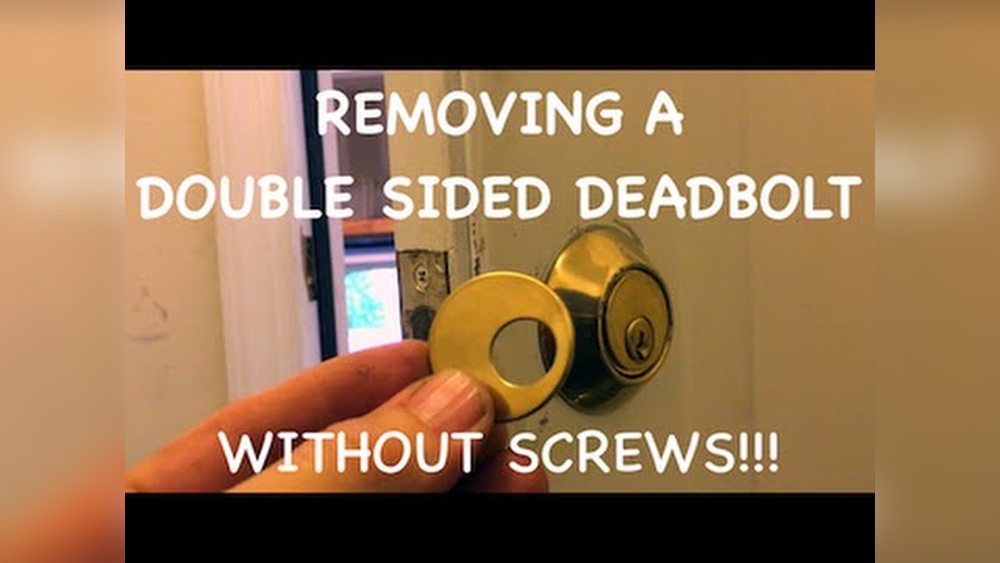
Locate the screws holding the lock cylinder on the door. Remove these screws with a screwdriver carefully. Pull out the lock cylinder from the door. This method disables the lock completely and needs basic tools. It is useful if the lock is broken or the key is lost.

Credit: www.youtube.com
Safety Tips
Disabling a deadbolt lock requires care and attention. Safety must come first to avoid damage or injury. Follow these safety tips to protect yourself and respect the law.
Legal Considerations
Know the laws about locks in your area. Only disable locks on property you own or have permission to work on. Disabling a lock without permission can lead to legal trouble. Always check local rules before starting any lock work.
Personal Safety Precautions
Wear protective gloves to avoid cuts or scrapes. Use tools carefully and follow instructions step-by-step. Keep children and pets away from the work area. Work in a well-lit place to see clearly. Stop immediately if you feel unsafe or unsure.
Alternatives To Disabling
Disabling a deadbolt lock might seem like the only choice. Some alternatives can save time and avoid damage. These options can keep your door secure and functional without complex steps.
Calling A Locksmith
A locksmith has the right tools and skills. They can open or repair the lock quickly. This avoids damage to the door or frame. Locksmiths offer professional help for tricky lock problems. They ensure safety and proper function after service.
Replacing The Lock
Removing the old deadbolt and installing a new one is simple. New locks come with clear instructions and all parts needed. This option updates security and solves any lock issues. Replacing the lock keeps your door safe and easy to use.
Credit: www.reddit.com

Credit: www.instructables.com
Frequently Asked Questions
How Do I Disable A Deadbolt Lock Temporarily?
To disable a deadbolt temporarily, remove the lock’s key cylinder or disconnect the thumb turn inside. This stops the lock from engaging, making it inactive without damage.
Can I Disable A Deadbolt Without A Key?
Yes, you can disable a deadbolt without a key by removing the lock from the door. Use a screwdriver to take out screws holding the lock and remove it carefully.
What Tools Are Needed To Disable A Deadbolt Lock?
Common tools include a screwdriver, drill, and pliers. These help remove screws, drill out pins if necessary, and dismantle the lock safely and effectively.
Is It Safe To Disable A Deadbolt Lock Myself?
Disabling a deadbolt yourself is safe if done carefully with proper tools. Always follow instructions and ensure you don’t damage the door or lock mechanism.
Conclusion
Disabling a deadbolt lock is simple with the right steps. Take your time and follow each part carefully. Keep tools handy and work safely. This guide helps you avoid damage and frustration. Now, you can handle deadbolt locks with confidence.
Practice makes perfect, so don’t rush. Stay patient, and you will succeed.