Is your deadbolt sticking and making it hard to lock or unlock your door? It’s frustrating when something as simple as a lock gives you trouble, especially when you need quick and easy access.
But don’t worry—fixing a sticking deadbolt is easier than you might think. You’ll discover simple steps you can take right now to get your deadbolt working smoothly again. Keep reading, and you’ll have your door locking like new in no time.

Credit: www.reddit.com
Common Causes Of A Sticking Deadbolt
A deadbolt that sticks can be frustrating and unsafe. Understanding the common causes helps fix the problem fast. This section explains the main reasons your deadbolt might stick. Each cause affects the lock’s smooth function.
Worn Or Damaged Components
Parts inside the deadbolt wear out over time. Springs, pins, or the bolt itself may get damaged. Worn parts cause the lock to jam or stick. Replacing damaged components often restores smooth action.
Misaligned Strike Plate
The strike plate is where the bolt slides in. If it moves out of place, the bolt hits it and sticks. Door settling or loose screws can shift the plate. Adjusting the strike plate alignment frees the bolt.
Lack Of Lubrication
Locks need lubrication to work smoothly. Dirt and dust build up inside the mechanism. Without oil or grease, the parts grind and stick. Applying proper lubricant reduces friction and eases movement.
Weather Effects
Cold weather can cause metal parts to contract and freeze. Moisture may cause rust or swelling in the door frame. These changes make the deadbolt harder to turn. Protecting the lock from weather improves its function.
Tools And Materials Needed
Fixing a deadbolt that sticks needs the right tools and materials. Having these ready makes the task easier and faster. You can avoid frustration by preparing before you start.
Lubricants And Cleaners
Lubricants help the deadbolt move smoothly. Choose a silicone or graphite spray for locks. Avoid oily or greasy products that attract dirt.
Cleaners remove dust and grime inside the lock. Use a mild cleaner or rubbing alcohol. Clean parts before applying lubricant to ensure smooth action.
Screwdrivers And Adjustment Tools
A set of screwdrivers is essential. Flathead and Phillips screwdrivers fit most screws on deadbolts. You may also need an Allen wrench for some models.
Use these tools to tighten or loosen screws. Adjust parts to align the deadbolt correctly. This helps reduce sticking and improves function.
Replacement Parts
Sometimes worn parts cause the deadbolt to stick. You may need a new strike plate or screws. Check for bent or broken pieces that need replacement.
Having spare parts on hand speeds up repairs. Match parts to your deadbolt’s brand and model. This ensures proper fit and smooth operation.
Step-by-step Fixes
Fixing a deadbolt that sticks can save time and reduce frustration. Follow simple steps to get your lock working smoothly again. Each step targets common causes of sticking deadbolts. Work carefully to avoid damage and ensure safety.
Cleaning The Deadbolt
Start by removing dirt and dust from the deadbolt. Use a soft cloth to wipe the keyhole and bolt. Compressed air can blow out debris inside the lock. Clean both sides of the door for best results. This helps the deadbolt move freely.
Lubricating The Lock
Apply a small amount of graphite or silicone spray inside the lock. Avoid oil-based lubricants as they attract dirt. Insert the key and turn it several times to spread the lubricant. This reduces friction and makes turning easier.
Adjusting The Strike Plate
Check if the strike plate is aligned with the deadbolt. Misalignment causes sticking. Loosen the screws slightly and move the plate up or down. Tighten the screws once the bolt fits smoothly into the hole. Test the lock several times.
Tightening Loose Screws
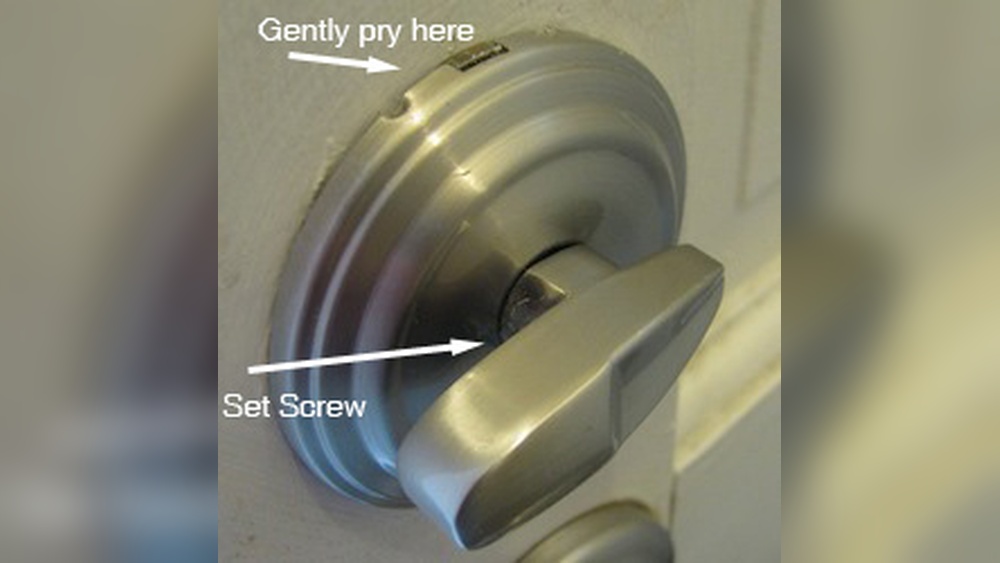
Loose screws can cause the lock to shift and stick. Inspect all screws on the deadbolt and door handle. Use a screwdriver to tighten any loose ones. Make sure the lock sits firmly on the door. This helps keep parts aligned.
Replacing Damaged Parts
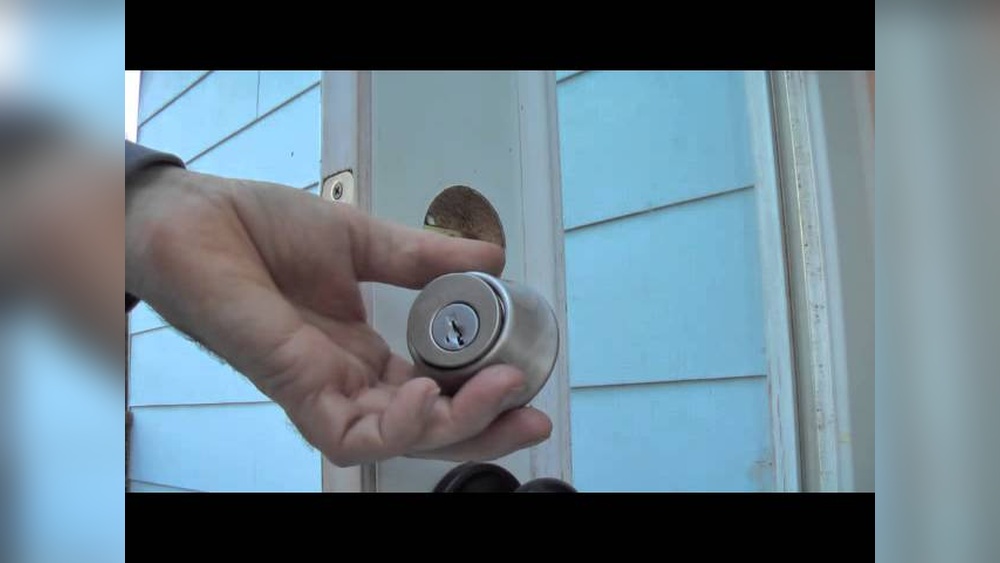
Look for worn or broken components in the deadbolt. A bent bolt or cracked strike plate needs replacement. Purchase exact parts from a hardware store. Follow instructions to remove old parts carefully. Install new parts to restore smooth function.
Preventive Maintenance Tips
Deadbolts that stick cause frustration and risk home security. Preventive maintenance helps keep your lock working smoothly. Small steps avoid big problems later. These simple tips save time and effort.
Regular Cleaning Schedule
Clean your deadbolt often to remove dirt and dust. Use a soft cloth to wipe the surface. Avoid harsh chemicals that can damage the lock. Clean both the inside and outside parts. This stops grime from building up and causing sticking.
Proper Lubrication Practices
Use graphite or silicone spray to lubricate the lock. Avoid oil-based products as they attract dirt. Apply a small amount inside the keyhole and on moving parts. Move the key several times to spread the lubricant. This reduces friction and keeps the lock turning easily.
Seasonal Adjustments
Changes in weather affect your deadbolt’s function. Wood doors expand in summer and shrink in winter. Check the lock for tightness each season. Adjust screws or alignment if the bolt sticks. Seasonal care ensures your lock stays reliable year-round.
When To Call A Professional
Knowing when to call a professional for a deadbolt that sticks saves time and frustration. Some problems need expert skills or special tools. Calling a locksmith early can prevent bigger damage. Trust the experts to keep your home safe and your lock working well.
Persistent Issues
If your deadbolt keeps sticking after several fixes, call a professional. Repeated problems might mean internal damage. Professionals can find hidden issues quickly. They have the right tools to fix stuck locks for good.
Complex Repairs
Some deadbolt problems require special knowledge. Issues inside the lock or door frame may be hard to fix alone. A professional knows how to disassemble and repair these parts safely. Complex repairs need care to avoid breaking the lock further.
Security Concerns
A stuck deadbolt can make your home less safe. If the lock doesn’t turn smoothly, it might fail in emergencies. Professionals ensure your deadbolt works perfectly. They also check if the lock meets security standards. Protect your home by trusting a locksmith for security issues.

Credit: www.reddit.com

Credit: www.youtube.com
Frequently Asked Questions
Why Does My Deadbolt Keep Sticking?
A deadbolt sticks due to dirt buildup, misalignment, or lack of lubrication. Regular cleaning and oiling solve most issues. Check the door frame and bolt alignment to ensure smooth operation. Addressing these factors prevents sticking and improves lock performance.
How Do I Lubricate A Sticking Deadbolt?
Use graphite powder or silicone-based lubricant for deadbolts. Avoid oil-based lubricants as they attract dust. Apply lubricant inside the keyhole and bolt mechanism. Work the key back and forth to distribute lubricant evenly. This reduces friction and prevents sticking.
Can Weather Affect Deadbolt Performance?
Yes, extreme weather can cause wood to swell or shrink, misaligning the deadbolt. This leads to sticking or jamming. Inspect and adjust the strike plate and bolt alignment seasonally. Weatherproofing and regular maintenance help maintain smooth deadbolt function.
How To Realign A Deadbolt For Smooth Operation?
Loosen screws on the strike plate and adjust its position slightly. Test the deadbolt by turning the key or knob. Repeat adjustments until the bolt slides smoothly into the strike plate. Tighten screws securely to keep alignment intact.
Conclusion
Fixing a deadbolt that sticks is easier than you think. Regular cleaning and lubrication help keep it smooth. Tightening screws can stop misalignment problems fast. Small adjustments make a big difference in lock performance. Taking time to check your deadbolt prevents future issues.
A working lock keeps your home safe and secure. Try these simple steps before calling a locksmith. You can save money and avoid frustration. Keep your door locking properly with basic care and attention.