If you own a hydraulic floor jack, you know how important it is to keep it in top shape. But have you ever faced the frustration of your jack not lifting properly?
One common reason is low or old hydraulic fluid. Knowing how to fill your hydraulic floor jack correctly can save you time, money, and hassle. You’ll learn simple, step-by-step instructions to get your jack working like new again. Keep reading to make sure your jack is always ready when you need it most.

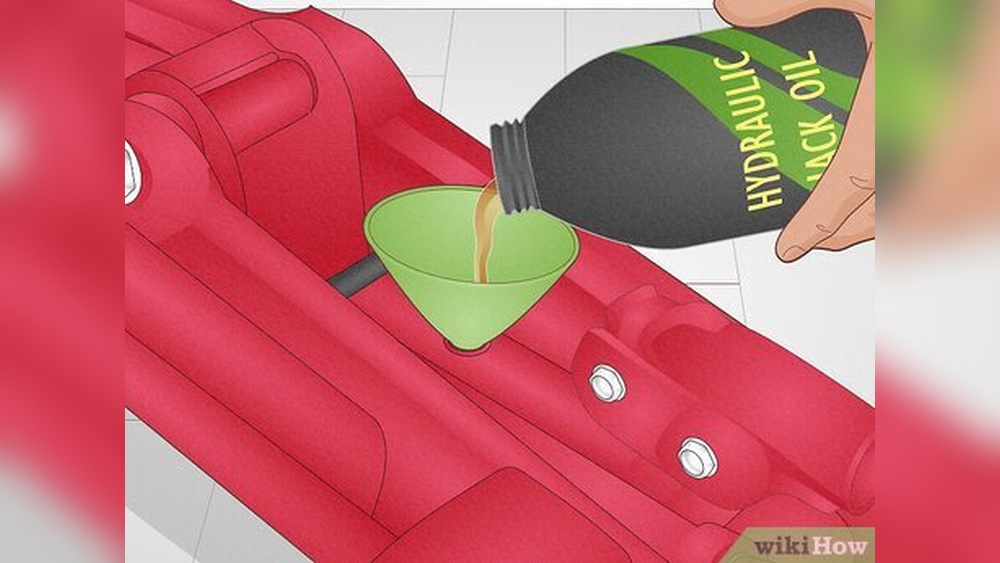
Credit: www.wikihow.com
Choosing The Right Hydraulic Jack
Choosing the right hydraulic floor jack is key for safe and effective lifting. It affects how well you can lift your vehicle and how easy the job will be. Picking the correct jack means knowing about types, sizes, and lifting capacity.
Types Of Hydraulic Floor Jacks
Hydraulic floor jacks come in several types. The most common are trolley jacks and bottle jacks. Trolley jacks have a flat body with wheels, making them easy to move. They work well for cars with low clearance. Bottle jacks are smaller and shaped like a bottle. They lift heavy loads but need more space under the vehicle. Choose the type that fits your car and workspace best.
Capacity And Size Considerations
Capacity means how much weight the jack can lift safely. Check your vehicle’s weight before buying a jack. Always pick a jack with a higher capacity than your vehicle’s weight. Size matters too. A larger jack may lift higher but can be harder to store. A smaller jack may not lift high enough or support heavy vehicles. Balance size and capacity for your needs.
Necessary Tools And Materials
Filling a hydraulic floor jack requires specific tools and materials. Using the right items ensures smooth operation and safety. Prepare everything before starting the task. This saves time and avoids mistakes.
Hydraulic Fluid Types
Choose the correct hydraulic fluid for your jack. Most jacks use hydraulic oil or brake fluid. Check the jack’s manual for the exact type needed. Using the wrong fluid can damage the pump or seals. Clear, clean fluid works best to keep the system running well. Avoid mixing different fluid types to prevent problems.
Basic Tools Required
Gather simple tools to fill the jack. You will need a clean funnel to pour the fluid. A wrench or screwdriver might be necessary to open the fill plug. Have a clean cloth ready to wipe spills. Gloves protect your hands from oil and dirt. A container helps catch any old fluid during draining. These basic tools make the job easier and safer.
Preparing The Jack For Filling
Preparing the hydraulic floor jack for filling is an important step. It makes sure the jack works well and lasts longer. Proper preparation helps avoid leaks and damage. Follow simple steps before adding hydraulic fluid.
Cleaning And Inspection
Start by cleaning the jack’s surface. Use a clean cloth to remove dirt and grease. Dirt can get inside and cause problems. Check the jack for any damage or rust. Look closely at the seals and moving parts. Replace damaged parts before filling. Cleanliness and good condition prevent issues later.
Positioning The Jack Safely
Place the jack on a flat, stable surface. A solid floor prevents tipping or slipping. Keep the jack away from traffic or heavy equipment. Make sure the jack is lowered completely. This helps the fluid fill evenly. Safety comes first to avoid accidents during filling.

Credit: www.youtube.com
Draining Old Hydraulic Fluid
Draining old hydraulic fluid is a key step in maintaining your hydraulic floor jack. Old fluid loses its strength and can harm the jack’s parts. Removing it helps keep the jack working smoothly and safely. This process is simple but requires care to avoid spills and damage.
Locating The Drain Plug
Start by placing the jack on a flat surface. Look near the base of the jack for a small plug. This is the drain plug. It may be covered by dirt or paint, so clean the area first. Use a wrench or screwdriver to open the plug. Have a container ready to catch the old fluid as it drains out.
Proper Disposal Methods
Old hydraulic fluid is harmful to the environment. Do not pour it down drains or on the ground. Store the fluid in a sealed container. Take it to a recycling center or hazardous waste facility. Many auto shops accept used hydraulic fluids. Proper disposal helps protect nature and local water sources.
Filling With New Hydraulic Fluid
Filling your hydraulic floor jack with new fluid is key to its smooth operation. Fresh hydraulic fluid helps the jack lift heavy loads without strain. It also prevents leaks and extends the life of the tool.
Using the right method to fill the fluid ensures the jack works safely and efficiently. Follow these steps carefully for the best results.
Opening The Fill Port
Locate the fill port on your hydraulic jack. It is usually a small screw or plug on the side or top of the jack. Clean the area around the port to avoid dirt entering the system. Use a wrench or screwdriver to open the fill port slowly. Be careful not to strip the threads or damage the plug.
Adding Fluid Correctly
Use the recommended hydraulic fluid specified in the jack’s manual. Pour the fluid slowly to avoid air bubbles inside the system. Fill until the fluid reaches the correct level. Check the level with a dipstick or sight glass if available. Replace and tighten the fill port securely after filling. Avoid overfilling as it can cause leaks or damage.
Removing Air From The System
Removing air from the hydraulic floor jack is vital for proper function. Air trapped inside the system causes jerky movements and weak lifting power. It also makes the jack less safe to use. Clearing the air ensures smooth and steady operation. The process involves special bleeding techniques and careful testing.
Bleeding Techniques
Start by opening the release valve slowly. This lets trapped air escape from the system. Pump the handle several times with the valve open. You will see bubbles coming out, which means air is leaving. Close the valve after no more bubbles appear. Repeat the process if the jack still feels weak. Use clean hydraulic fluid to refill the reservoir if needed. Always keep the jack level during bleeding to avoid new air pockets.
Testing For Smooth Operation
After bleeding, check the jack’s movement. Pump the handle several times. The lift should rise steadily without jerks. Lower the jack carefully and watch for any sudden drops. If the jack moves smoothly, air removal was successful. If not, repeat the bleeding process. Regular testing keeps your hydraulic jack working well and safe.
Safety Tips During Operation
Operating a hydraulic floor jack safely protects you and your equipment. Following key safety tips ensures smooth and secure use. Always handle the jack with care to avoid accidents and damage.
Avoiding Overfilling
Do not add too much hydraulic fluid. Overfilling can cause pressure build-up and leaks. Check the fluid level regularly. Only fill up to the recommended mark. Use clean fluid to keep the system working well.
Regular Maintenance Checks
Inspect the jack before every use. Look for leaks, cracks, or worn parts. Tighten any loose bolts or screws. Clean dirt and debris from the jack. Regular checks keep the jack safe and efficient.

Credit: www.youtube.com
Frequently Asked Questions
How Do You Refill Hydraulic Floor Jack Fluid?
To refill, first locate the fill plug on the jack. Remove it carefully. Use the recommended hydraulic oil. Pour slowly until full. Replace the plug securely. Avoid overfilling to ensure proper jack function and safety.
What Type Of Fluid Is Used In Hydraulic Jacks?
Hydraulic jacks typically use high-quality hydraulic oil. Avoid using motor oil or other fluids. Using the correct fluid ensures smooth operation and prevents damage. Always check your jack’s manual for the recommended fluid type.
How Often Should I Check Hydraulic Jack Fluid?
Check the hydraulic fluid every 6 months or before heavy use. Regular checks prevent leaks and maintain optimal performance. Low fluid can cause the jack to malfunction. Keep the fluid clean and topped up for safety.
Can I Use Brake Fluid In A Hydraulic Jack?
No, brake fluid is not suitable for hydraulic jacks. It can damage seals and reduce jack efficiency. Always use the manufacturer-recommended hydraulic oil to ensure proper operation and avoid costly repairs.
Conclusion
Filling a hydraulic floor jack is simple with the right steps. Check the oil type before starting. Keep the jack clean and on a flat surface. Pour oil slowly to avoid spills. Close the fill valve tightly after filling. Test the jack to ensure smooth operation.
Regular oil checks keep your jack working well. Proper care extends the life of your tool. Follow these tips for safe and effective use. Your jack will lift smoothly every time. Easy maintenance saves time and money.