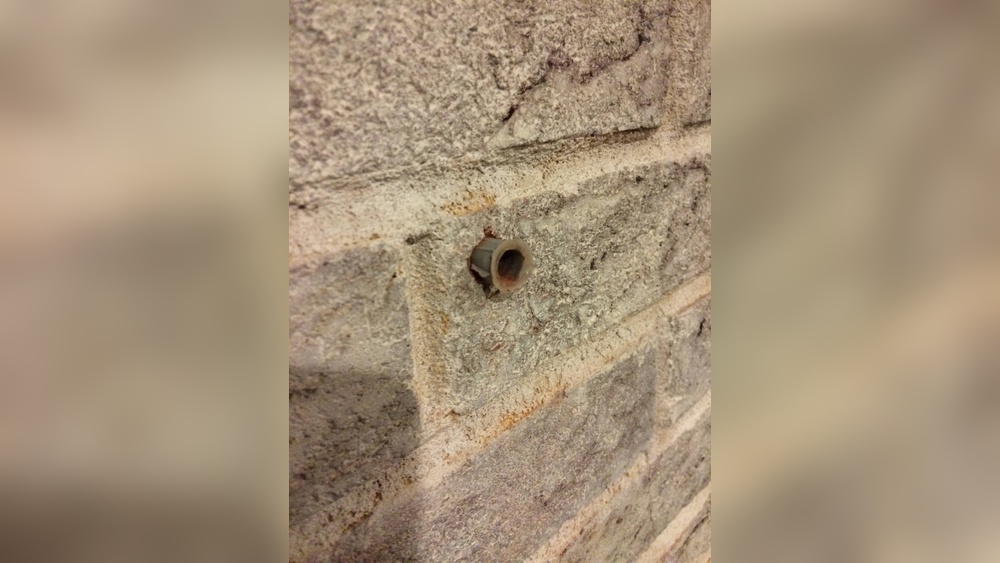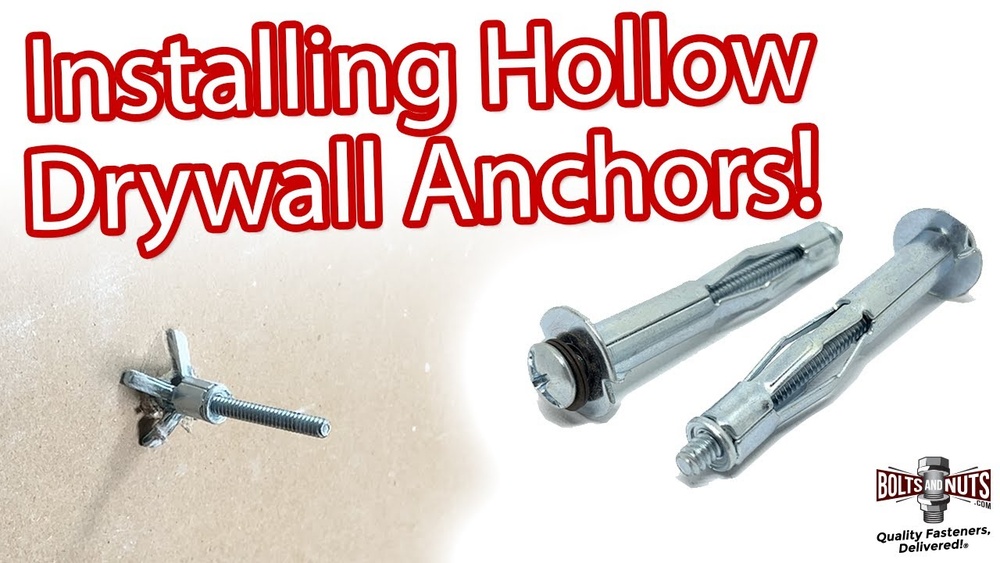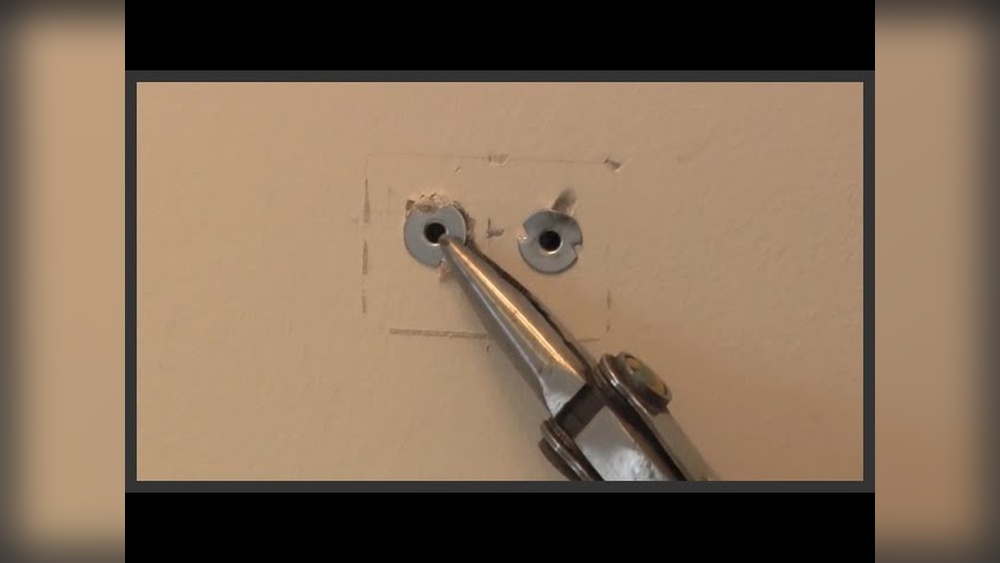
Are you struggling with stubborn metal wall anchors stuck in your plaster walls? Removing them can feel tricky, and if done wrong, you might damage your wall.
But don’t worry—this guide will show you simple, effective steps to take those anchors out safely. By the end, you’ll know exactly how to get your walls smooth and ready for your next project. Keep reading to discover easy tips that save your walls and your time.
Credit: www.walmart.com
Types Of Metal Wall Anchors
Metal wall anchors come in different types. Each type has a unique design and use. Knowing these types helps in removing them safely from plaster walls.
Expansion Anchors
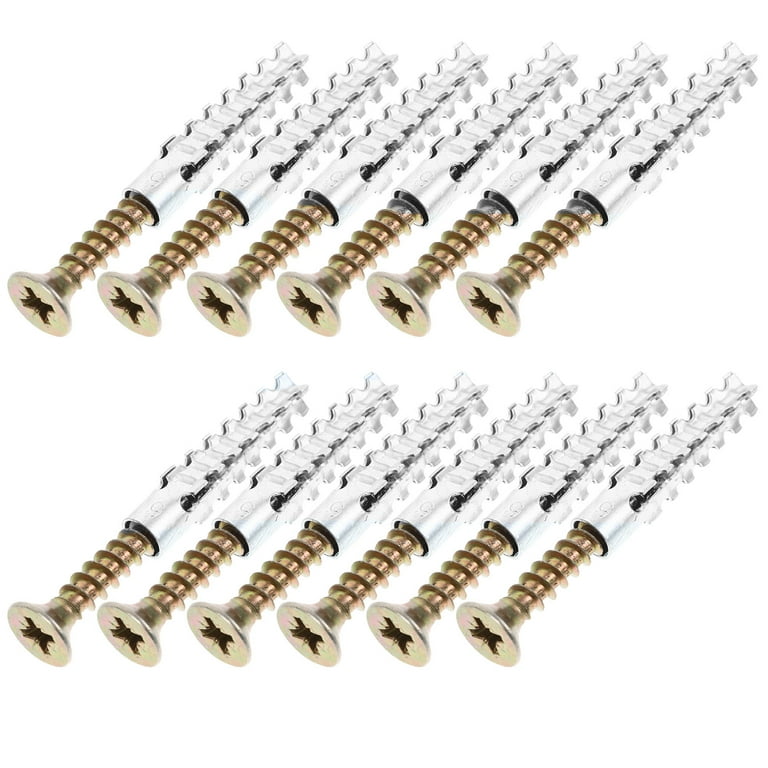
Expansion anchors spread inside the wall when a screw is tightened. They create a strong hold by pressing against the plaster. Removing them requires careful unscrewing and gentle pulling.
Toggle Bolts
Toggle bolts have wings that open inside the wall. These wings hold the anchor in place behind the plaster. To remove them, you must loosen the screw and push the wings through the hole.
Molly Bolts
Molly bolts expand their sleeves inside the wall for a firm grip. They need the screw to be unscrewed before pulling out the anchor. This prevents damage to the plaster surface.

Credit: www.youtube.com
Tools Needed For Removal
Removing metal wall anchors from plaster needs the right tools. Using proper tools makes the job easier and safer. Some tools help to grip the anchor, while others help to loosen or drill it out.
Screwdriver Options
A flathead or Phillips screwdriver works best for anchors with screws. Turn the screw counterclockwise to remove it. Some anchors do not have screws, so screwdrivers might not always work.
Pliers And Wrenches
Pliers are useful to pull out anchors that stick out from the wall. Needle-nose pliers work well for small anchors. An adjustable wrench can grip larger anchors tightly for better pull.
Drill And Bits
A drill with a small bit can help remove stubborn anchors. Use a bit slightly smaller than the anchor. Drill slowly to avoid damaging the plaster around the hole.
Preparing The Wall Surface
Preparing the wall surface is a key step before removing metal wall anchors from plaster. This step helps protect your wall and makes the removal process easier. Taking time to prepare ensures fewer damages and a cleaner finish.
Clearing The Area
Start by clearing the area around the anchor. Remove any furniture or objects near the wall. This gives you space to work safely and prevents accidents. Cover the floor with a drop cloth or old sheet. It will catch dust and debris. Keep tools and materials close for easy access.
Protecting Surrounding Plaster
Plaster can crack or chip easily. Protect the area around the anchor with painter’s tape. Apply tape in a square around the anchor. This acts as a guard against scratches or dents. Use a soft cloth or sponge to clean dust off the plaster. A clean surface helps the tape stick better. Proper protection keeps your wall smooth and ready for repair after removal.
Removing Expansion Anchors
Removing expansion anchors from plaster walls can be tricky. These anchors spread inside the wall, holding firmly in place. Careful removal is needed to avoid damage to the plaster surface. Follow simple steps to remove them safely and cleanly.
Unscrewing The Anchor
Start by turning the screw counterclockwise. Use a screwdriver that fits the screw head well. This helps avoid stripping the screw. As you unscrew, the anchor may pull out slightly. Keep turning until the anchor comes free. If the anchor stays put, try a different method.
Using Pliers For Stubborn Anchors
Grab the anchor’s edge with needle-nose pliers. Pull gently and steadily without twisting. This helps loosen the anchor inside the wall. If it moves, continue pulling until it comes out. For tight anchors, wiggle them slightly while pulling. Be patient to avoid breaking the plaster.
Taking Out Toggle Bolts
Removing toggle bolts from plaster walls can be tricky. These anchors have wings that open behind the wall, holding tightly. You must handle them carefully to avoid damaging the plaster.
Follow these steps to remove toggle bolts safely and smoothly.
Locating The Bolt
Find the exact spot where the toggle bolt is fixed. Usually, you see a screw head on the wall surface. Use a flashlight if needed to see better. Mark the spot lightly with a pencil.
Compressing The Toggle Wings
The toggle wings are spread inside the wall. To remove them, you need to push or compress these wings. Insert a screwdriver or pliers into the hole. Gently press the wings together to make them smaller.
Pulling The Anchor Out
After compressing the wings, pull the bolt straight out. Use steady, even force. Avoid twisting or jerking to prevent plaster cracks. If the bolt resists, try pushing the wings more before pulling again.
Extracting Molly Bolts
Extracting molly bolts from plaster walls can be tricky. These anchors hold firmly to support weight. Removing them without damaging the wall is important. The process includes unscrewing the bolt and collapsing the anchor sleeve. Both steps help pull the anchor out smoothly.
Unscrewing The Bolt
Start by turning the bolt counterclockwise. Use a screwdriver that fits well. Keep turning until the bolt is loose. Sometimes the bolt comes out completely. Other times, it stays in place. Either way, loosening the bolt is key.
Collapsing The Anchor Sleeve
Next, focus on the metal sleeve behind the wall. Gently push or pull to collapse it inward. Use pliers if needed for a better grip. Collapsing the sleeve frees it from the plaster. After that, the anchor should slide out easily. Take care to avoid breaking the plaster surface.
Fixing Plaster Damage
Removing metal wall anchors often leaves holes and damage in plaster walls. Fixing this damage is important for a smooth, clean finish. Proper repair helps the wall look like new and prepares it for painting or wallpaper. Follow these steps carefully to restore your plaster.
Cleaning The Hole
Start by removing any loose plaster around the hole. Use a small brush or vacuum to clear dust and debris. This step ensures better adhesion for the filler you will apply. Avoid pushing dirt deeper into the hole.
Applying Plaster Or Filler
Choose a plaster patch or filler suitable for your wall type. Use a putty knife to apply the material into the hole. Press firmly to fill all gaps and create a flat surface. Let the plaster dry completely before moving on.
Sanding And Smoothing
After the plaster dries, sand the area gently with fine-grit sandpaper. Smooth edges blend the patch with the rest of the wall. Clean off dust with a dry cloth. Your wall is now ready for painting or other finishing touches.
Preventing Damage During Removal
Removing metal wall anchors from plaster can easily damage the wall surface. Preventing damage during removal takes patience and care. Follow these tips to keep your plaster smooth and intact. Small efforts make a big difference.
Work Slowly And Carefully
Take your time when removing metal anchors. Rushing may cause cracks or holes in the plaster. Pull gently and pause often to check the wall’s condition. Slow movements help keep the plaster strong and undamaged.
Use The Right Tools
Select tools made for wall anchor removal. Needle-nose pliers or a small screwdriver work best. Avoid large or sharp tools that can chip the plaster. The right tools make the job easier and safer for your walls.
Apply Minimal Force
Pull anchors with light pressure only. Too much force can break the plaster around the hole. If the anchor resists, try loosening it carefully first. Using minimal force protects your wall from unwanted damage.
When To Call A Professional
Removing metal wall anchors from plaster can be tricky. Sometimes, the job is simple. Other times, it needs expert help. Knowing when to call a professional saves time and prevents damage. It also keeps you safe. Below are signs that show it’s best to hire a professional for this task.
Large Or Stubborn Anchors
Some anchors are big or stuck tight in the wall. Pulling hard might break the plaster. Professionals have tools to remove these anchors without harm. They can handle tough anchors safely and quickly.
Extensive Wall Damage
If the plaster around the anchor is cracked or crumbling, do not try fixing it alone. Experts can repair large holes and cracks properly. They know how to restore the wall to its original look.
Safety Concerns
Removing anchors near electrical wires or plumbing is risky. Mistakes can cause shocks or leaks. Professionals understand these risks and work carefully. They protect your home and your safety.

Credit: www.picturehangsolutions.com
Frequently Asked Questions
How Do I Safely Remove Metal Wall Anchors From Plaster?
Use pliers to grip the anchor firmly. Gently pull it straight out while twisting slightly. Avoid excessive force to prevent plaster damage.
Can I Repair Plaster After Removing Metal Anchors?
Yes, fill holes with plaster patch or spackle. Sand smooth after drying. Repaint for a seamless finish.
What Tools Are Needed To Remove Metal Anchors From Plaster?
You need needle-nose pliers, a putty knife, and plaster repair materials. Optional tools include a drill for stubborn anchors.
Will Removing Metal Anchors Damage My Plaster Walls?
If done carefully, damage is minimal. Pull anchors gently and repair small holes promptly to maintain wall integrity.
Conclusion
Removing metal wall anchors from plaster does not have to be hard. Use the right tools and take your time. Gently pull or twist the anchor to avoid damage. Patch any holes with plaster or filler for a smooth finish.
Clean walls look better and are ready for new decorations. Careful work saves you time and effort later. Keep these simple steps in mind for easy anchor removal. Your walls will thank you.