If you use a hydraulic floor jack, you know how important it is to keep it working smoothly. But did you know that priming your jack is a simple step that can save you time and frustration?
Without proper priming, your jack might not lift as it should, or worse, it could fail when you need it most. In this guide, you’ll learn exactly how to prime your hydraulic floor jack quickly and effectively. By the end, you’ll feel confident that your jack is ready to handle any job safely and easily.
Keep reading to unlock the secret to making your floor jack work like new every time.

Credit: www.amazon.com
Why Prime A Hydraulic Floor Jack
Priming a hydraulic floor jack is an important step before using it. It prepares the jack for smooth operation. Without priming, the jack may not work correctly. Air trapped inside the hydraulic system can cause poor performance. This guide explains why priming is necessary and how it benefits your jack.
Benefits Of Proper Priming
Priming removes air bubbles from the hydraulic fluid. This helps the jack lift heavy loads easily. It makes the jack more reliable and safe to use. Proper priming improves the jack’s lifting speed. It also extends the life of the hydraulic system. Your jack will work smoothly with less effort.
Common Issues Without Priming
Without priming, the jack may feel weak or slow. It might not lift to the full height. Air in the system can cause jerky or uneven movement. The jack might leak hydraulic fluid over time. These issues can damage the jack’s parts. Poor performance can lead to unsafe lifting conditions.
Tools And Materials Needed
Before you start priming your hydraulic floor jack, gather the right tools and materials. Having everything ready makes the process smooth and safe. Using the correct tools ensures you do not damage the jack or waste time. The right fluids keep your jack working well and lasting longer.
Essential Tools
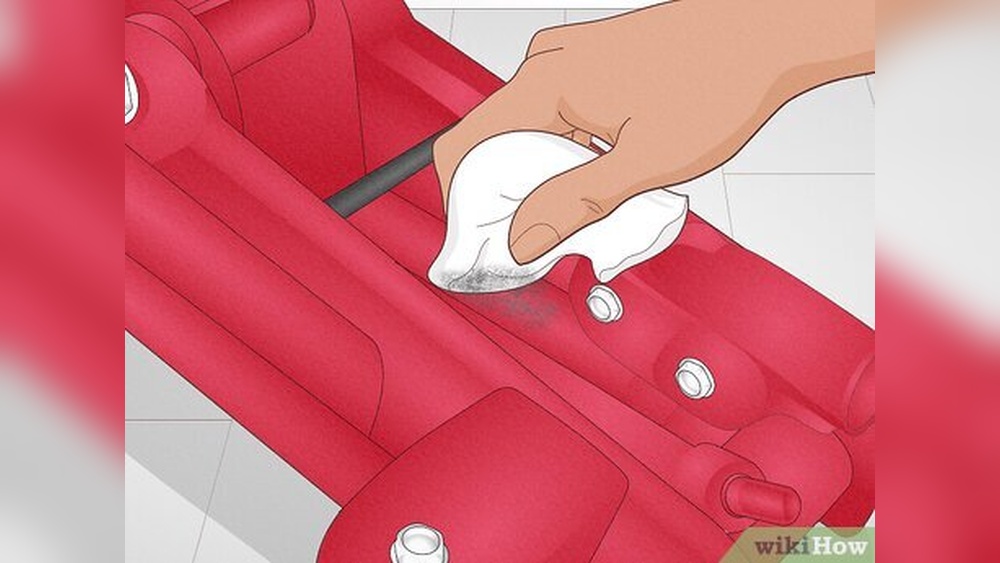
You need a few basic tools to prime the jack properly. A wrench helps open the release valve and fill port. A clean funnel guides the fluid into the jack without spills. Paper towels or rags are useful to wipe away any drips. A small screwdriver may help remove covers or caps. Make sure your tools fit the jack parts to avoid slipping.
Recommended Fluids
Choosing the right fluid is important for jack performance. Use hydraulic jack oil designed for floor jacks. This fluid resists heat and pressure well. Avoid using brake fluid, motor oil, or other liquids. These can damage seals and cause failure. Check your jack’s manual for the exact fluid type. Clean fluid prevents corrosion and keeps the jack running smoothly.
Preparing The Jack
Preparing the hydraulic floor jack is the first step in priming it properly. This stage ensures the jack is safe and ready for use. Proper preparation helps avoid accidents and improves the jack’s performance. Follow each step carefully for the best results.
Safety Precautions
Wear safety gloves and eye protection before starting. Check the jack for any visible damage or leaks. Never use a jack with cracks or worn-out parts. Make sure the working area is clean and free of obstacles. Keep children and pets away during the process.
Positioning The Jack
Place the jack on a flat, stable surface. Avoid soft or uneven ground to prevent slipping. Align the jack under the vehicle’s recommended lifting point. This position keeps the load balanced and safe. Use wheel chocks to stop the vehicle from moving.

Credit: www.amazon.com
Step-by-step Priming Process
Priming a hydraulic floor jack is essential for smooth and safe operation. This process prepares the jack by removing air and ensuring the hydraulic fluid is at the right level. Follow these simple steps to prime your jack effectively.
Checking Fluid Level
Start by placing the jack on a flat surface. Open the fluid reservoir cap carefully. Look inside to check the hydraulic fluid level. The fluid should be near the top but not overflowing. Low fluid can cause poor jack performance.
Removing Air Bubbles
Air trapped inside the jack reduces its power. To remove air, pump the handle several times with the release valve open. This forces air out of the system. Close the valve once no more air bubbles appear in the fluid.
Refilling Hydraulic Fluid
If the fluid level is low, add the correct hydraulic fluid. Pour slowly to avoid spills. Fill until the fluid reaches the recommended level. Replace the reservoir cap tightly to prevent leaks.
Testing The Jack After Priming
Testing the jack after priming is a key step to ensure safety and proper function. This process checks if the hydraulic floor jack works smoothly and holds weight without problems. It helps you catch any issues early before using the jack for lifting tasks. Proper testing gives confidence that the jack is ready and safe to use.
Lifting And Lowering Test
Start by placing the jack under a solid object or vehicle. Pump the handle slowly to lift the load. Watch how the jack rises. It should lift steadily without jerks or sudden drops. Lower the jack carefully by opening the release valve. The descent must be smooth and controlled. Repeat this cycle a few times to confirm consistent performance. This test proves the jack’s ability to lift and lower safely.
Detecting Leaks Or Issues
Check all parts of the jack after the lifting test. Look under the jack for any oil leaks. Oil spots or drips mean a seal or hose might be damaged. Listen for unusual sounds like hissing or grinding. These noises can signal internal problems. Feel the handle and body for any looseness or cracks. Fix or replace any faulty parts before using the jack. This step prevents accidents and keeps the jack reliable.
Tips For Maintaining Your Hydraulic Floor Jack
Proper care keeps your hydraulic floor jack working well. Simple steps help prevent damage and extend its life. Follow these tips to keep your jack ready for use anytime.
Regular Fluid Checks
Check the hydraulic fluid often. Low fluid causes poor lifting and can damage the jack. Use the right type of fluid. Clean the area around the fill plug before opening. Refill slowly to avoid air bubbles inside. Wipe away any spills to keep parts clean.
Storage Recommendations
Store the jack in a dry, clean place. Avoid spots with dirt or moisture. Keep the jack lowered when not in use. This prevents pressure on the seals and keeps fluid sealed inside. Cover the jack to protect it from dust and rust.

Credit: www.shopperplus.ca
Frequently Asked Questions
How Do You Prime A Hydraulic Floor Jack?
To prime a hydraulic floor jack, open the release valve and pump the handle several times. This expels air and fills the system with hydraulic fluid. Proper priming ensures smooth lifting and prevents jack failure during use.
Why Is Priming A Hydraulic Floor Jack Important?
Priming removes air pockets from the hydraulic system. This ensures maximum lifting power and smooth operation. Without priming, the jack may feel spongy and fail to lift loads safely.
How Often Should You Prime A Hydraulic Floor Jack?
Prime your hydraulic floor jack after fluid changes or if it feels weak. Regular priming maintains optimal performance. Check the jack before heavy use or if it has been stored for a long time.
Can I Use Any Fluid To Prime A Hydraulic Jack?
No, always use the manufacturer-recommended hydraulic fluid. Using the wrong fluid can damage seals and reduce jack efficiency. Check the manual for the correct type and avoid mixing fluids.
Conclusion
Priming a hydraulic floor jack keeps it working smoothly and safely. Follow the steps carefully to remove air and add fluid. This helps the jack lift heavy loads without problems. Regular maintenance also extends the jack’s life. Take your time and check for leaks or damage.
A well-primed jack makes your work easier and safer. Keep your tools ready and reliable for any job. Simple care goes a long way in keeping equipment strong.