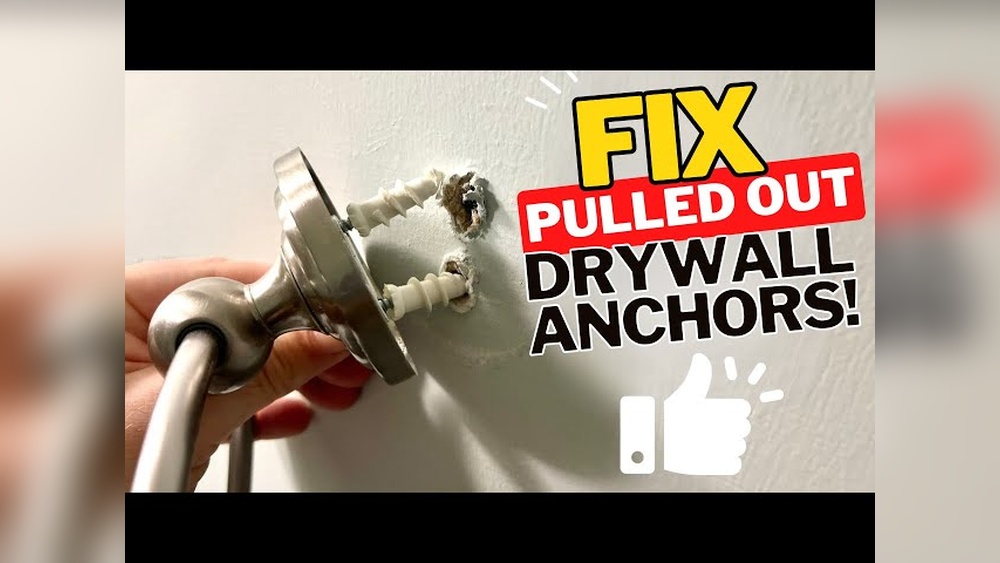
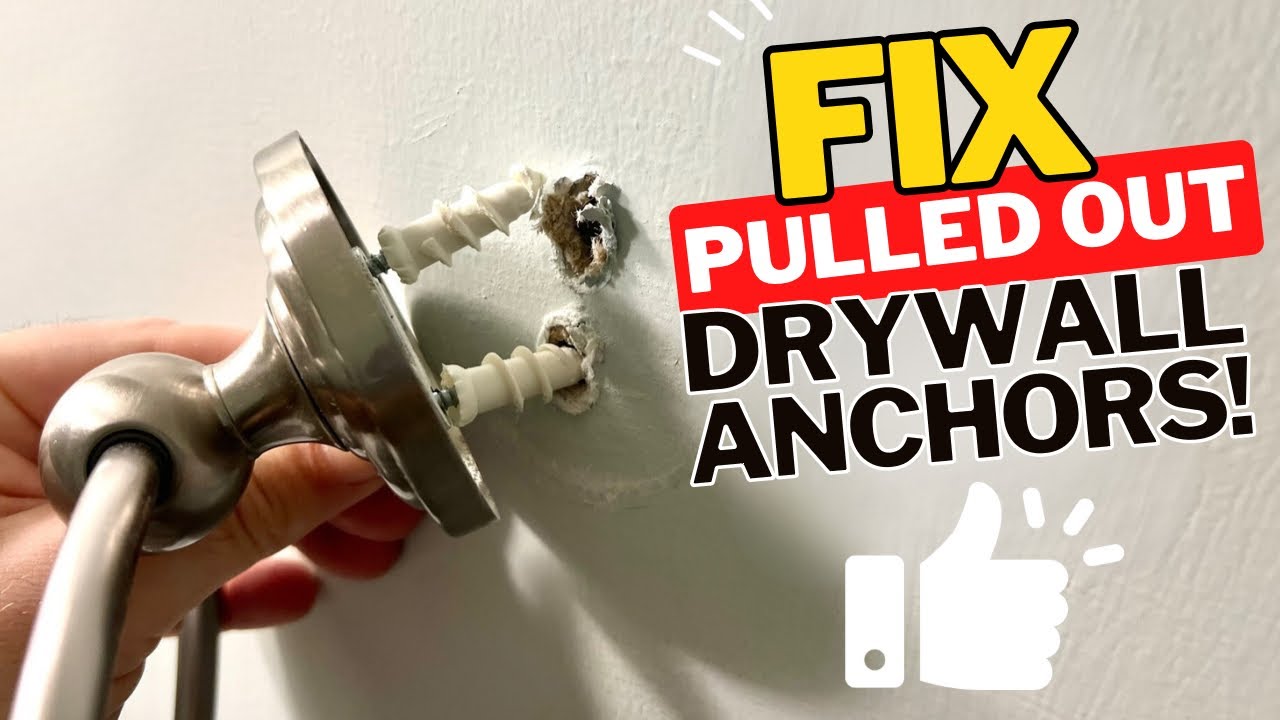
Have you ever hung something important on your wall, only to find the anchor pulled out suddenly? It’s frustrating, messy, and can leave your wall damaged.
But don’t worry—fixing a wall anchor that pulled out is easier than you think. In this guide, you’ll learn simple, effective steps to repair the damage and secure your items safely again. Keep reading, and you’ll gain the confidence to handle this common problem quickly and without hassle.
Identify The Damage
Identifying the damage is the first step to fixing a wall anchor that pulled out. You need to see how big the problem is. This helps you choose the right fix. Take your time to check the area carefully. Look for cracks, holes, or loose parts around the anchor spot.
Knowing the damage type and size saves you from making more holes later. It also helps to keep your wall safe and strong.
Inspect The Hole
Start by looking closely at the hole where the anchor was. Check if it is larger than the anchor size. A big hole means the anchor cannot hold well anymore. See if the edges are cracked or crumbly. If the hole is damaged, it needs repair before putting a new anchor.
Check Wall Material
Look at the wall around the hole. Different walls hold anchors differently. Drywall, plaster, and brick all react to anchors in their own ways. Soft walls like drywall can get weak after an anchor pulls out. Hard walls like brick may have chips or cracks. Knowing your wall type helps you fix the hole the right way.
Gather Repair Tools
Fixing a wall anchor that pulled out starts with having the right tools. Gathering these tools saves time and makes the repair easier. Prepare everything before you begin. This helps avoid stops and starts during the work.
Essential Tools List
Start with a drill for making new holes. A screwdriver or drill bit helps remove old anchors. A hammer may be needed to tap anchors in place. Use a stud finder to locate strong wall areas. A level keeps your repair straight. Have some wall putty or spackle to fill holes. Sandpaper smooths the area after filling. Finally, a measuring tape helps with precise placement.
Choosing The Right Anchor
Select an anchor that fits your wall type. Drywall anchors work best for hollow walls. Use toggle bolts for heavier items and thicker walls. Plastic anchors suit light objects and thin walls. Metal anchors offer strong support for heavy loads. Match the anchor size to the screw size. Pick anchors that hold the weight of your item safely.
Prepare The Area
Preparing the area is the first step to fixing a wall anchor that pulled out. This step ensures a strong and secure repair. You must make the hole clean and free from loose materials. A clean surface allows the new anchor or repair material to hold better. This preparation saves time and avoids future damage.
Clean The Hole
Start by inspecting the hole carefully. Remove any dirt or dust inside the hole. Use a small brush or a cloth to wipe it clean. Cleaning helps the new anchor stick properly. If the hole is greasy or oily, use a mild cleaner and let it dry fully.
Remove Loose Debris
Loose debris weakens the repair. Check for crumbling plaster, paint chips, or broken drywall pieces. Use a small tool, like a screwdriver or a knife, to remove all loose bits. Clear the hole completely. A solid base is key for a tight anchor fit.

Credit: www.instructables.com
Fill The Hole
After a wall anchor pulls out, filling the hole is the next step. Filling the hole prepares the wall for repairs or new anchors. It also makes the wall look smooth and neat again.
Choosing the right filler depends on the wall type. Drywall and wood need different materials. The filler must stick well and dry hard for strong repairs.
Using Spackle Or Wood Filler
Spackle works best on drywall holes. It is easy to spread and dries quickly. Use a putty knife to push spackle into the hole. Smooth the surface to match the wall. For wooden walls, wood filler is better. It fills deep holes and bonds with wood. Apply wood filler with a small tool. Level the surface evenly. Both fillers make a solid base for painting later.
Allowing Proper Drying Time
Drying time is very important for a strong fix. Let spackle dry for at least 1 hour. Wood filler may need several hours to harden fully. Check the product label for exact drying times. Avoid touching or sanding before it dries. Proper drying ensures the patch will not crack or fall out. Patience here leads to a better, longer-lasting repair.
Reinstall The Anchor
Reinstalling a wall anchor after it pulls out is a simple fix. It requires careful steps to make the anchor hold tightly again. Start by preparing the wall for a new anchor. This ensures strong support for whatever you hang.
Drilling A New Pilot Hole
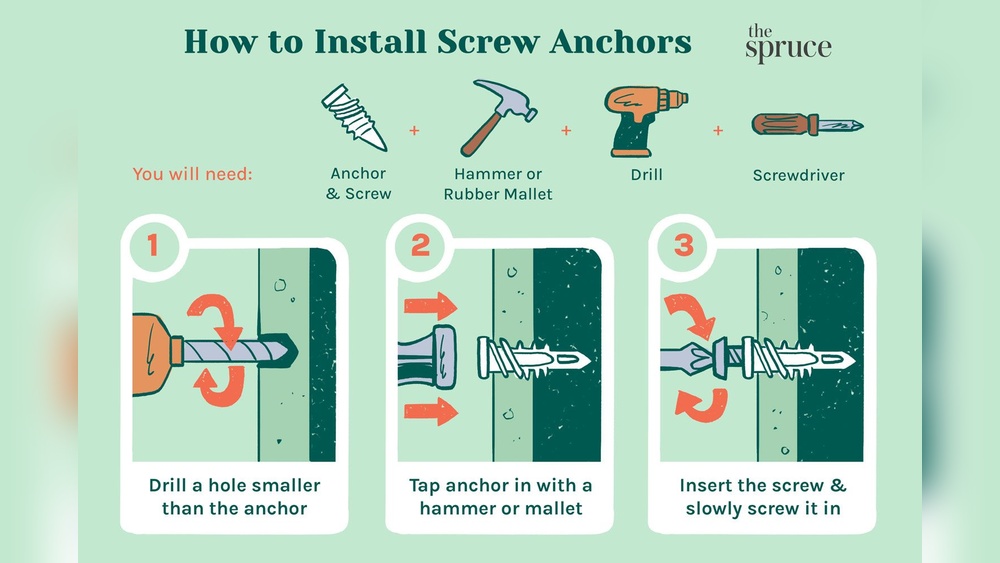
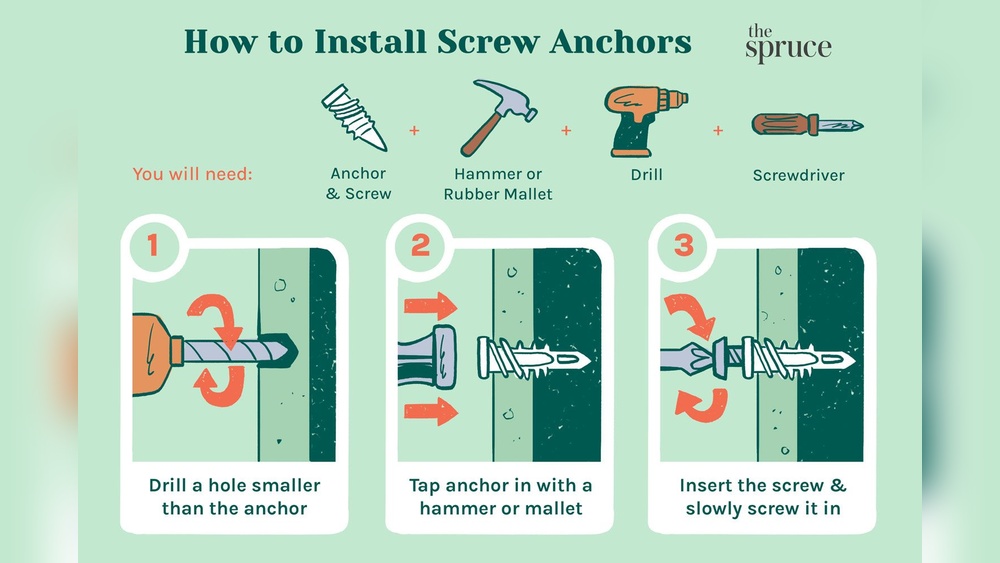
Choose a drill bit slightly smaller than the anchor size. This helps the anchor grip the wall better. Drill a straight hole where the old anchor was. Clear any dust or debris from the hole. A clean hole gives a better hold for the anchor.
Inserting The Anchor Securely
Push the anchor gently into the new hole. Use your fingers or a hammer to tap it in. The anchor should fit snugly without wobbling. Avoid forcing it too hard or it may break. Once secure, the anchor is ready for the screw. This will hold your item firmly on the wall.
Alternative Fixes
When a wall anchor pulls out, it can cause frustration and damage. Fixing the hole with the same type of anchor may not work well. Alternative fixes offer stronger support and prevent future problems. These methods suit different wall types and weights of items to hang.
Using Toggle Bolts
Toggle bolts provide solid support in drywall and hollow walls. They have wings that open behind the wall for a strong grip. Drill a larger hole for the toggle bolt to fit. Insert the bolt with wings folded, then tighten the screw. The wings spread and hold the bolt firmly in place. This method works best for heavy objects like shelves or mirrors.
Switching To Adhesive Anchors
Adhesive anchors use strong glue to hold fasteners in place. Clean the hole of dust and loose debris before use. Apply the adhesive into the hole, then insert the anchor or screw. Allow the glue to dry fully according to instructions. These anchors work well for light to medium loads. They avoid making big holes in the wall and reduce damage.
Prevent Future Pull-outs
Preventing future wall anchor pull-outs saves time and effort. The right steps help keep anchors secure. Understanding key factors reduces the risk of damage. Two main points matter most: choosing the correct anchors and spreading the weight properly.
Selecting Correct Anchors
Choose anchors designed for the wall type. Drywall, plaster, and concrete need different anchors. Check the weight limit of each anchor. Use heavy-duty anchors for heavier items. Avoid small anchors for large loads. Proper anchor size matches the item’s weight and wall material.
Distributing Weight Evenly
Spread the load across multiple anchors. Use more than one anchor for heavy objects. Even weight reduces stress on each anchor. Place anchors at points supporting the weight well. Uneven weight causes anchors to pull out easily. Balance prevents damage to the wall and anchors.

Credit: www.reddit.com
Credit: www.youtube.com
Frequently Asked Questions
How Do You Fix A Wall Anchor That Pulled Out?
To fix a pulled-out wall anchor, remove the damaged anchor first. Then, use a larger anchor or fill the hole with wood filler before reinserting the anchor. This ensures a secure hold and prevents future pullouts.
What Causes Wall Anchors To Pull Out?
Wall anchors pull out mainly due to improper installation, excessive weight, or using the wrong anchor type. Overloading the anchor or drilling an oversized hole also weakens the hold, causing it to come loose.
Can I Reuse A Wall Anchor Hole After It Pulls Out?
Reusing the same hole is not recommended unless repaired. Fill the hole with wood filler or spackle, let it dry, then drill a new pilot hole nearby for a stronger anchor hold.
Which Wall Anchors Are Best For Heavy Items?
Toggle bolts and molly bolts are best for heavy items. They distribute weight evenly inside the wall and provide a stronger grip than plastic anchors, reducing the risk of pullouts.
Conclusion
Fixing a wall anchor that pulled out is simple with the right steps. Start by removing the old anchor carefully. Choose a stronger anchor or use a larger hole if needed. Make sure the wall is clean and dry before you insert the new anchor.
Tighten screws gently to avoid pulling the anchor out again. Taking your time helps ensure a secure hold. This fix saves your wall and keeps items safe. Try these tips next time an anchor fails. You’ll feel confident handling the repair yourself.