Choosing the right deadbolt door lock is more important than you might think. It’s the key to keeping your home safe and giving you peace of mind.
But with so many options out there, how do you know which one fits your needs best? This guide will help you understand what to look for, so you can make a smart choice without feeling overwhelmed. By the end, you’ll feel confident about picking the perfect deadbolt to protect your home and loved ones.
Keep reading to find out how simple and effective this decision can be.
Credit: www.youtube.com
Types Of Deadbolt Locks
Deadbolt locks come in different types to meet various security needs. Choosing the right type helps protect your home better. Each type has its own features and uses. Understanding these types makes picking easier.
Single Cylinder Deadbolts
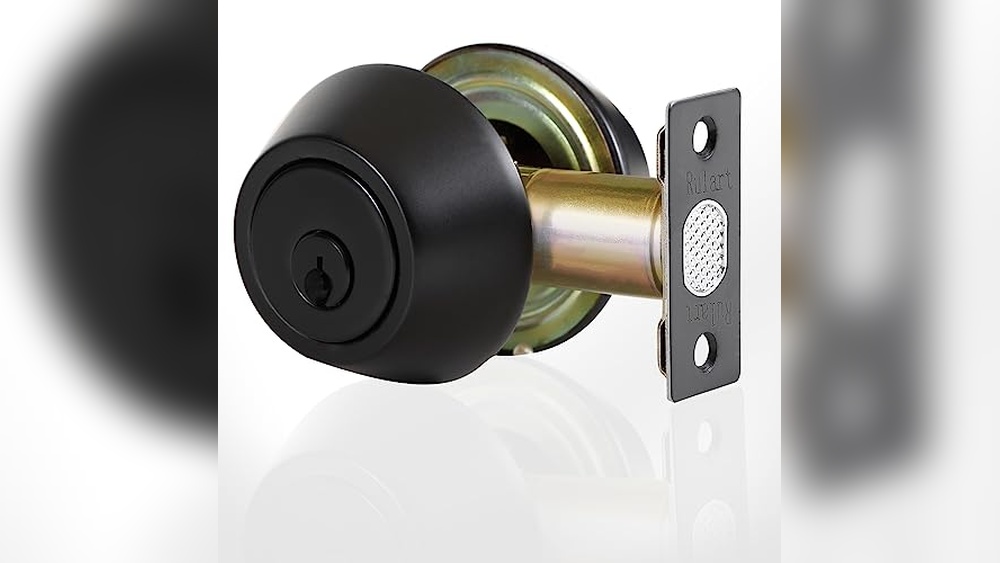
Single cylinder deadbolts use a key outside and a thumbturn inside. They are easy to use and common in homes. This type offers good security for most doors. It allows quick exit without a key in emergencies.
Double Cylinder Deadbolts
Double cylinder deadbolts require a key on both sides of the door. They offer extra security for doors with glass nearby. This design stops intruders from reaching inside to unlock the door. It may slow exit, so use carefully.
Lockable Thumbturn Deadbolts
Lockable thumbturn deadbolts combine features of single and double cylinders. You can lock or unlock the thumbturn with a key. This adds flexibility and control over door security. It works well for homes needing extra safety and quick exit.
Keyless Electronic Deadbolts
Keyless electronic deadbolts use codes or cards instead of keys. They offer convenience and modern security features. You can change codes easily without new keys. Some models include alarms and remote access options.
Material And Build Quality
The material and build quality of a deadbolt door lock play a big role in its strength. A strong deadbolt keeps your home safe and lasts longer. Choosing the right materials and good construction helps protect against break-ins. Quality also means the lock works smoothly every day.
Pay attention to the parts used and how well they fit together. This section explains key features like steel vs. brass parts, bolt size, and finish options. These details help you pick a deadbolt that fits your needs and budget.
Steel Vs. Brass Components
Steel parts are tough and resist force well. They offer strong protection against attacks. Brass parts resist rust and corrosion better. Brass looks nice and lasts long in wet areas. Some deadbolts mix steel and brass for the best balance of strength and durability.
Bolt Length And Thickness
Longer bolts reach deeper into the door frame. This stops the door from being pushed open easily. Thicker bolts add strength against cutting or sawing. Choose bolts at least one inch long and thick enough to resist tools. This size improves security significantly.
Finish Options And Durability
Finishes protect metal from rust and wear. Satin nickel and bronze finishes hide scratches well. Polished brass looks bright but can show marks. Durable finishes keep your lock looking good for years. Think about your door style and outdoor conditions when picking a finish.
Security Features To Look For
Choosing a deadbolt means focusing on strong security features. These features help protect your home from break-ins. A good deadbolt stops common attack methods. It also lasts longer without problems. Below are key features to consider for better safety.
Anti-pick And Drill Protection
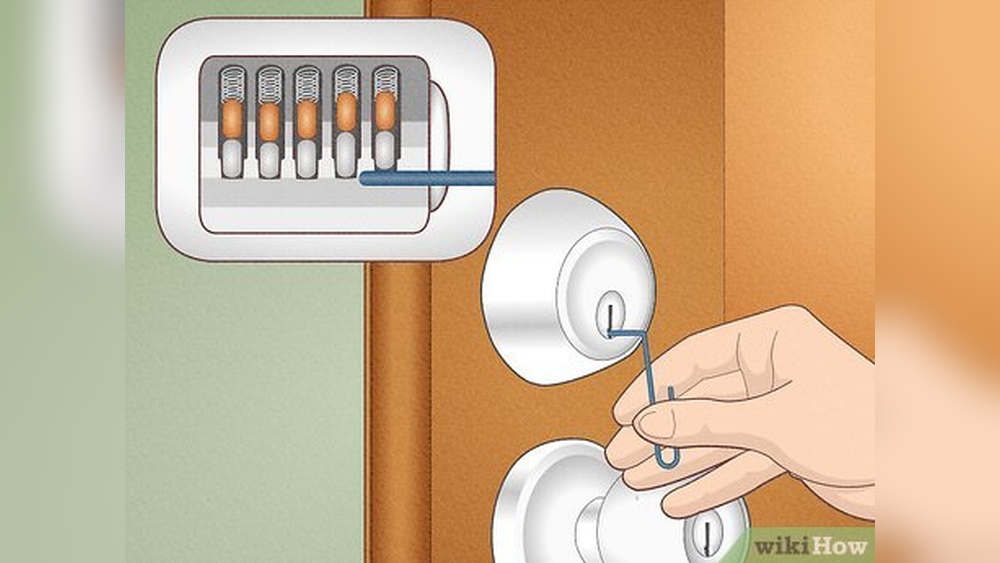
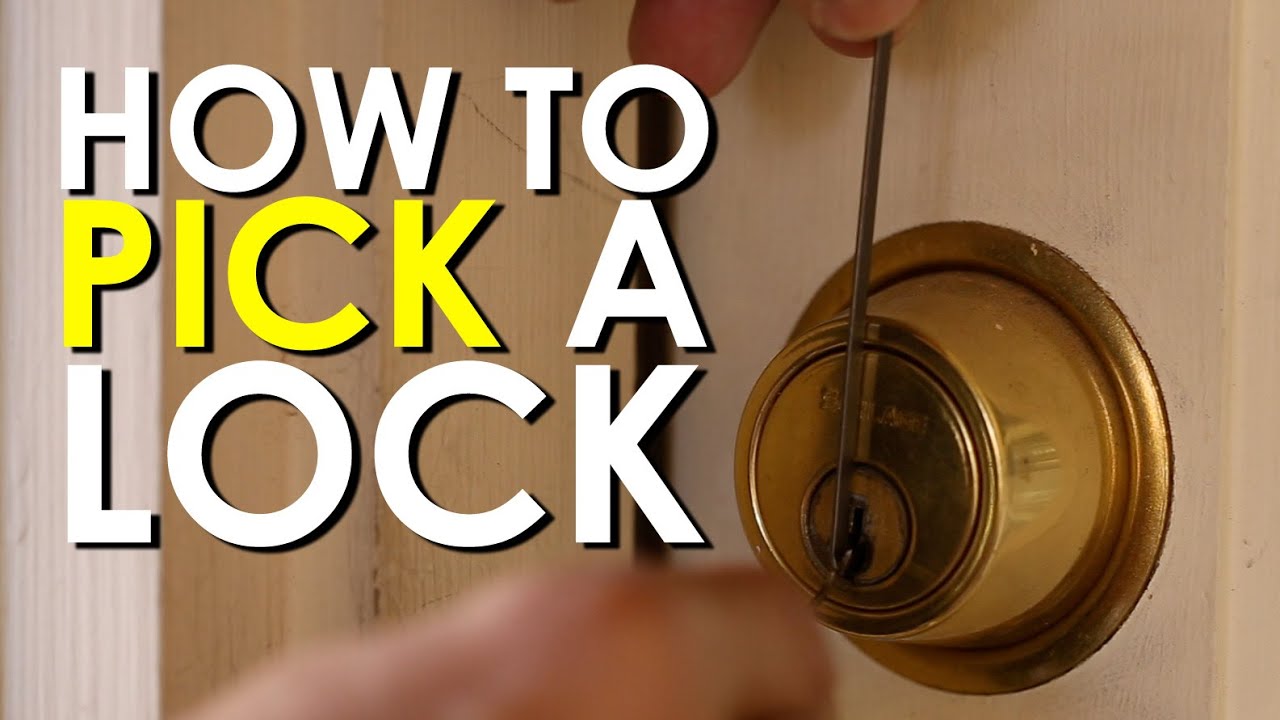
Locks with anti-pick features resist lock picking tools. These tools try to open locks without keys. Drill protection stops burglars from drilling through the lock cylinder. Hardened steel inserts often block drills. This makes the lock much harder to break.
Bump-resistant Mechanisms
Lock bumping uses a special key to open locks quickly. Bump-resistant deadbolts have special pins inside. These pins prevent the bump key from turning the lock. They add an extra layer of defense. This feature is vital for keeping your lock secure.
Reinforced Strike Plates
The strike plate holds the deadbolt in the door frame. Reinforced strike plates use thick metal and long screws. These screws go deep into the wall frame. This makes the door stronger against kicks or force. A strong strike plate improves overall lock security.

Credit: www.wikihow.com
Installation Considerations
Choosing the right deadbolt is only part of the process. Installation plays a key role in security and function. Understanding the installation needs helps avoid common problems. Proper installation ensures your door locks work well and last longer.
Door Thickness Compatibility
Deadbolts come in sizes that fit different door thicknesses. Most standard doors are 1 3/4 inches thick. Check your door thickness before buying a deadbolt. Some models have adjustable parts to fit various thicknesses. Measure your door accurately to avoid buying the wrong lock.
Diy Vs Professional Installation
Installing a deadbolt can be a simple or tough task. Basic models may be installed by homeowners with some tools. Complex locks or metal doors might need a professional locksmith. A pro can ensure the lock fits perfectly and works smoothly. Choose based on your skill level and door type.
Tools Required
You will need a few tools for installation. Common tools include a drill, screwdriver, tape measure, and pencil. A hole saw bit may be required for drilling the lock hole. Some deadbolts come with a template and tools to help. Prepare all tools before starting to save time and avoid mistakes.
Smart Deadbolts And Technology
Smart deadbolts bring technology to home security. They offer more than just a lock and key. These devices give you control and peace of mind.
With smart deadbolts, you can manage your door from anywhere. They connect to your phone or other devices. This makes locking and unlocking easy and fast.
Remote Access And Controls
Smart deadbolts allow remote access through apps. You can lock or unlock your door from any location. This helps when you need to let in guests or workers.
Some models also offer temporary codes. You can give codes to friends or service people. These codes expire after a set time, keeping your home secure.
Integration With Home Security Systems
Many smart deadbolts work well with home security systems. They can connect to alarms, cameras, and sensors. This adds an extra layer of protection to your home.
Integration allows you to control all security devices in one app. This makes monitoring your home simple and clear.
Battery Life And Backup Options
Smart deadbolts run on batteries. Look for models with long battery life to avoid frequent changes. Some can last months on one set of batteries.
Backup options are important. Many deadbolts have key backups or emergency power ports. These features keep your lock working during power loss or battery failure.
Budget And Brand Choices
Choosing the right deadbolt door involves balancing your budget and brand preferences. Your budget sets limits but also guides your options. Brands matter because they affect quality and durability. Understanding this helps make a smart purchase.
Affordable Vs Premium Models
Affordable deadbolts fit tight budgets. They offer basic security and simple designs. These models work well for low-risk areas or rental homes. Premium models cost more but provide stronger materials and advanced features. They often last longer and resist forced entry better. Decide what suits your needs and wallet.
Trusted Manufacturers
Brands with good reputations bring reliability. Trusted manufacturers use quality materials and test their products strictly. They provide consistent performance and safety. Look for well-known names in home security. These brands often have positive reviews and proven records. Choose a brand you can trust.
Warranty And Customer Support
A solid warranty protects your investment. It covers defects and repairs for a set time. Good customer support helps solve issues quickly. Brands offering clear warranties and strong support show confidence in their products. Check warranty length and what it covers before buying.
Maintaining Your Deadbolt
Maintaining your deadbolt ensures it works smoothly and protects your home. Regular care helps avoid problems and keeps your lock strong. Simple steps can extend its life and improve security.
Regular Lubrication
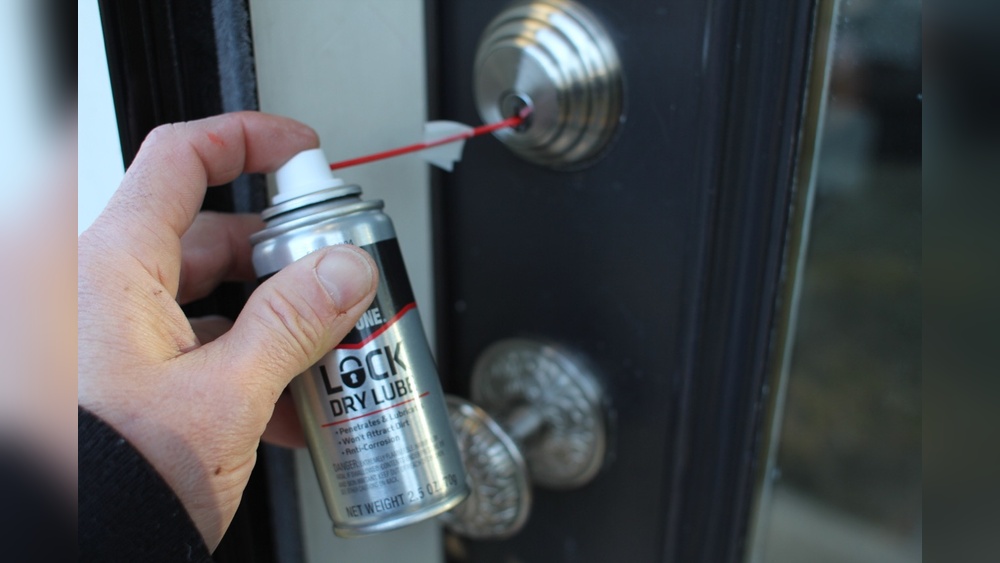
Apply a lubricant to the deadbolt every six months. Use a graphite or silicone spray for best results. Avoid oil-based lubricants; they attract dust and dirt. Spray the lubricant into the keyhole and moving parts. This keeps the lock turning easily and prevents sticking.
Checking For Wear And Tear
Inspect your deadbolt regularly for any signs of damage. Look for rust, cracks, or loose screws. Test the lock by turning the key and thumb turn. If it feels stiff or jams, it may need attention. Early checks help catch problems before they get worse.
When To Replace
Replace your deadbolt if it shows severe wear or damage. Also, change it after losing keys or moving into a new home. A worn-out lock can fail to protect your door. Choose a strong, reliable deadbolt for better security.

Credit: www.youtube.com
Frequently Asked Questions
What Factors To Consider When Choosing A Deadbolt Door?
Consider security grade, lock type, door material, and ease of installation. Also, check the lock’s durability and finish to match your door style.
How Does A Deadbolt Improve Home Security?
Deadbolts provide extra strength by extending a solid metal bolt into the door frame. This makes forced entry much harder than standard locks.
What Types Of Deadbolt Locks Are Available?
Common types include single-cylinder, double-cylinder, and lockable thumbturn deadbolts. Each offers different levels of security and convenience depending on door placement.
Can I Install A Deadbolt Door Myself?
Yes, many deadbolts come with DIY installation kits. Basic tools and careful measurement are essential for a secure fit and proper function.
Conclusion
Choosing the right deadbolt keeps your home safe and secure. Focus on quality, type, and ease of use. Think about your door’s thickness and lock compatibility. Don’t forget to check the lock’s durability and key control. A good deadbolt fits your needs and budget.
Take time to compare options before deciding. Safety matters most, so pick wisely. Your door deserves strong protection every day. Simple steps can make a big difference. Stay safe with the right deadbolt choice.