Locked out with a deadbolt in front of you? It’s frustrating, stressful, and can happen to anyone.
But don’t panic—you have options. Whether you lost your keys, the lock jammed, or the door just won’t budge, knowing how to get in a door with a deadbolt can save you time, money, and hassle. You’ll discover simple, practical steps to regain access safely and quickly.
Keep reading—you’ll be back inside before you know it.
Types Of Deadbolts
Deadbolts provide strong security for your doors. They come in different types, each with unique features. Knowing these types helps you choose the right one. Understanding deadbolts also aids in handling door entry issues safely and effectively.
Single-cylinder Deadbolts
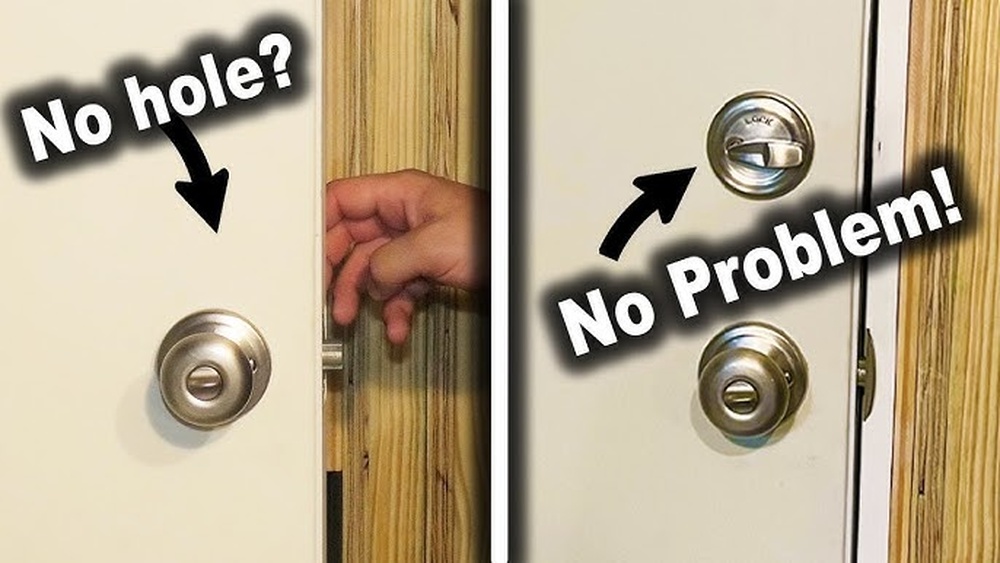
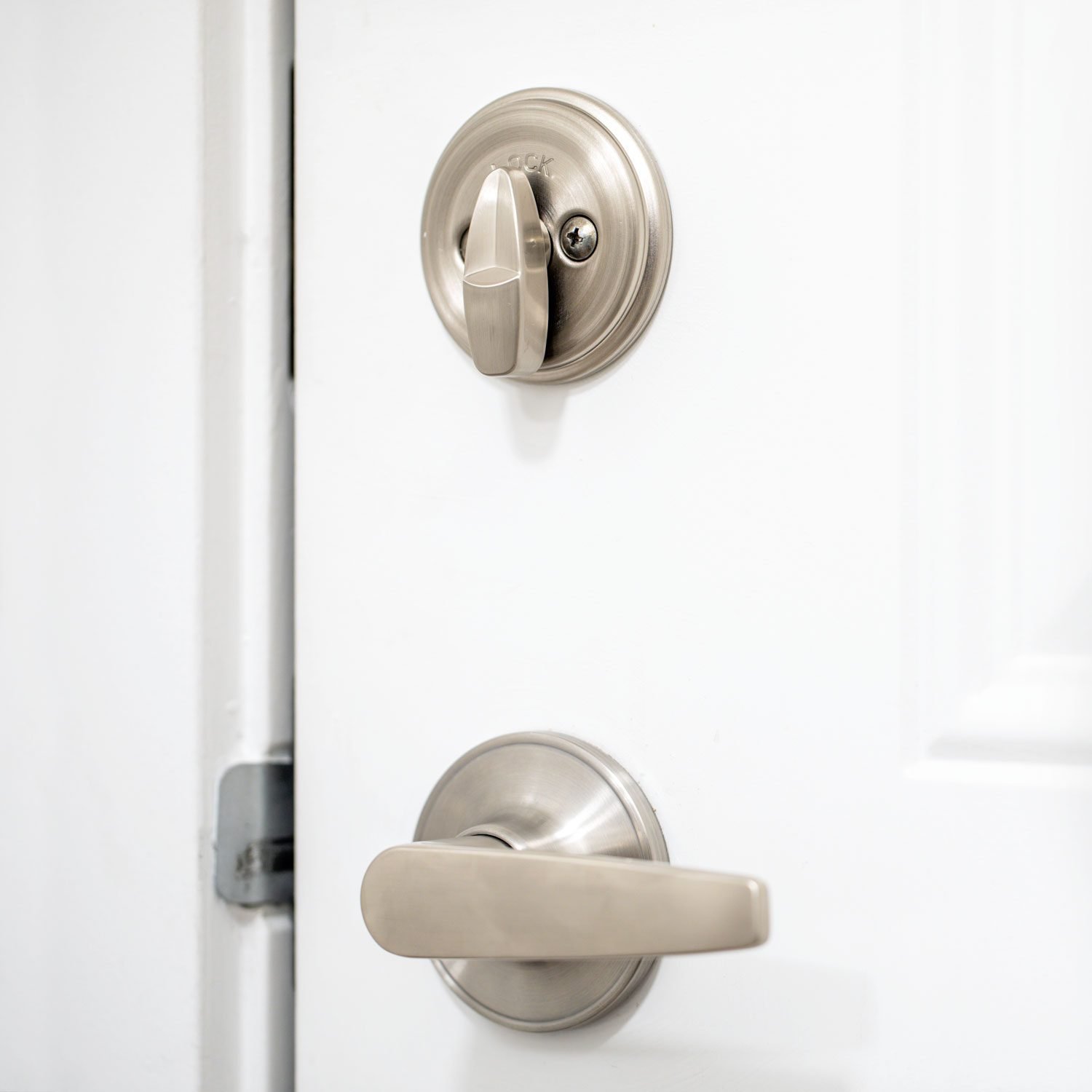
Single-cylinder deadbolts have a key slot on the outside. Inside, they have a thumb turn to lock or unlock. This type is common in many homes. It is easy to use and install. But, it can be risky if there is a window near the door.
Double-cylinder Deadbolts
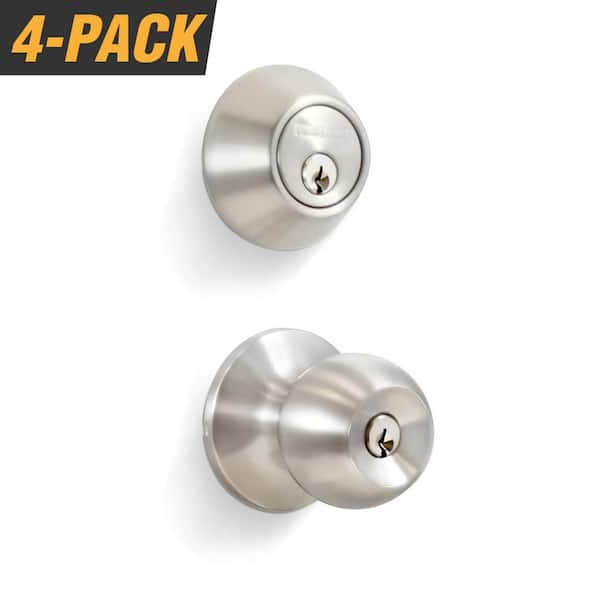
Double-cylinder deadbolts need a key on both sides. This type increases security by preventing lock picking from inside. It is useful for doors with glass panels or windows. Users must always keep a key nearby to avoid lockouts. It offers extra protection but requires careful use.
Keyless Deadbolts
Keyless deadbolts use a code or keypad to unlock. They remove the need for physical keys. This type is convenient for families or offices. Some models allow remote access via smartphones. They offer quick entry and strong security without keys.
Credit: www.homedepot.com
Tools Needed For Entry
Getting through a door with a deadbolt requires specific tools. These tools help you open the lock without a key. Knowing the right tools is essential for safe and effective entry. Below are the main tools used for this task.
Basic Lock Picking Tools
Lock picking tools are small and simple. They include picks, tension wrenches, and rakes. Picks help move the pins inside the lock. Tension wrenches apply pressure to turn the lock. Rakes quickly move pins to the right position. Together, these tools let you try to open the deadbolt gently.
Bump Keys And Their Use
Bump keys are special keys made for many locks. They fit into the lock and “bump” pins into place. Using a bump key needs practice and care. It works by applying a quick force to the key. This momentarily frees the lock, allowing it to turn. Bump keys can be effective but are not for all locks.
Alternative Tools To Consider
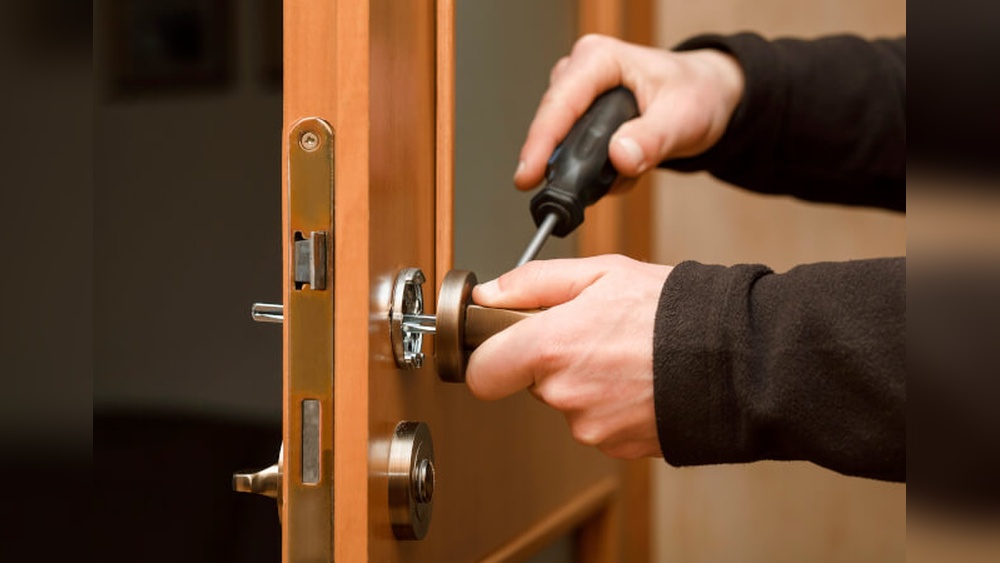
Other tools may help in opening a deadbolt. A credit card can slide between the door and frame. It may push the latch back on simple locks. A screwdriver or a small pry bar can help remove the door hardware. These tools need caution to avoid damage. They work best on less secure doors.
Safe And Legal Entry Methods
Getting through a door with a deadbolt can be tricky. It is important to use safe and legal methods only. These methods help you avoid damage and trouble. Understanding the right way is useful in many situations, like losing your key or helping someone locked out. Always respect the law and property rights.
Using A Key
The easiest and safest way is using the correct key. Always carry a spare key to avoid lockouts. If you lose your key, try to find a trusted locksmith. They can make a new key or open the door without damage. Never try to use someone else’s key without permission.
Lock Picking Techniques
Lock picking is a skill that uses special tools to open locks. It requires practice and knowledge of how locks work. Use lock picking only on your own locks or with permission. This method does not harm the lock. Many locksmiths use lock picking to help customers.
Bumping The Lock
Bumping uses a special key called a bump key. It can open many pin tumbler locks with a light tap. This method needs practice and care. Bumping can damage the lock if done wrongly. Use bumping only if you own the lock or have permission.
When To Call A Professional
Dealing with a deadbolt lock can be tricky. Sometimes, trying to open it on your own causes more harm. Knowing when to call a professional is important. A locksmith has the right tools and skills to help without damage.
Signs You Need Locksmith Help
If the key breaks inside the lock, it’s time to call a locksmith. A deadbolt that won’t turn or sticks often needs expert attention. Damage to the lock or door frame is another clear sign. Also, if you lost your key and need quick access, a locksmith can assist safely.
Choosing The Right Locksmith
Pick a locksmith with good reviews and proper licensing. Check if they offer emergency services and quick response. Ask about their experience with deadbolt locks. Avoid choosing the first locksmith you find; compare a few first. Clear communication about the job is essential.
Costs And Expectations
Locksmith prices vary depending on the job’s difficulty. Simple tasks cost less than complex lock repairs or replacements. Expect some fees for emergency or after-hours service. Ask for an estimate before work starts. A clear price helps avoid surprises later.
Preventing Lockouts
Deadbolt lockouts are frustrating and prevent access to your home. Taking steps to avoid these lockouts saves time and stress. Simple habits and tools help keep you from being locked out.
Spare Key Strategies
Keep a spare key in a safe place outside your home. Choose hidden spots only you know about. Give a spare key to a trusted neighbor or family member. This provides quick access if you lose your keys. Avoid leaving spare keys under mats or flower pots. These are common places burglars check first.
Smart Lock Alternatives
Smart locks let you enter without a physical key. Use codes or a smartphone app to open your door. These locks reduce the risk of lockouts. You can share access codes with family or friends. Some smart locks send alerts when someone enters. Choose models with backup power or key options.
Routine Maintenance Tips
Check your deadbolt regularly for smooth operation. Lubricate the lock with graphite or silicone spray. Avoid oil-based lubricants that attract dirt. Test your keys and lock before leaving home. Fix any sticking or jamming issues immediately. Keeping the lock in good shape prevents lockouts.
Credit: www.familyhandyman.com

Credit: www.reddit.com
Frequently Asked Questions
How Can I Open A Door With A Deadbolt Lock?
You can open a door with a deadbolt by using the correct key. If lost, try lock picking or call a locksmith for assistance.
What Tools Are Needed To Unlock A Deadbolt Door?
Common tools include a tension wrench and a lock pick. For emergencies, a bump key or credit card might work on some locks.
Can I Unlock A Deadbolt Without A Key Legally?
Yes, only if you own the property or have permission. Unauthorized unlocking is illegal and can lead to legal issues.
How Long Does It Take To Pick A Deadbolt Lock?
Picking a deadbolt lock can take from a few minutes to longer. Skill level and lock complexity affect the time needed.
Conclusion
Getting through a door with a deadbolt takes patience and care. Try each method step by step. Always respect privacy and legal boundaries. Practice can improve your skill over time. Stay calm and think clearly during the process. Knowing basic tools helps a lot.
Remember, safety and honesty matter most. Keep these tips in mind for future needs. You can handle this challenge with simple, careful actions.