Have you ever needed to lift your car quickly and safely but felt unsure about using a floor jack? You’re not alone.
Knowing how to lift your car with a floor jack can save you time, money, and frustration when changing a tire or doing basic maintenance. In this guide, you’ll discover simple, step-by-step instructions that anyone can follow—even if you’ve never touched a jack before.
By the end, you’ll feel confident and in control, ready to handle your car like a pro. Keep reading, because mastering this skill is easier than you think, and your safety depends on doing it right.
Choosing The Right Floor Jack
Choosing the right floor jack is important for safety and ease. The right jack makes lifting your car easier and safer. Consider the types, weight capacity, and build quality before buying. These factors help you pick a jack that fits your needs.
Types Of Floor Jacks
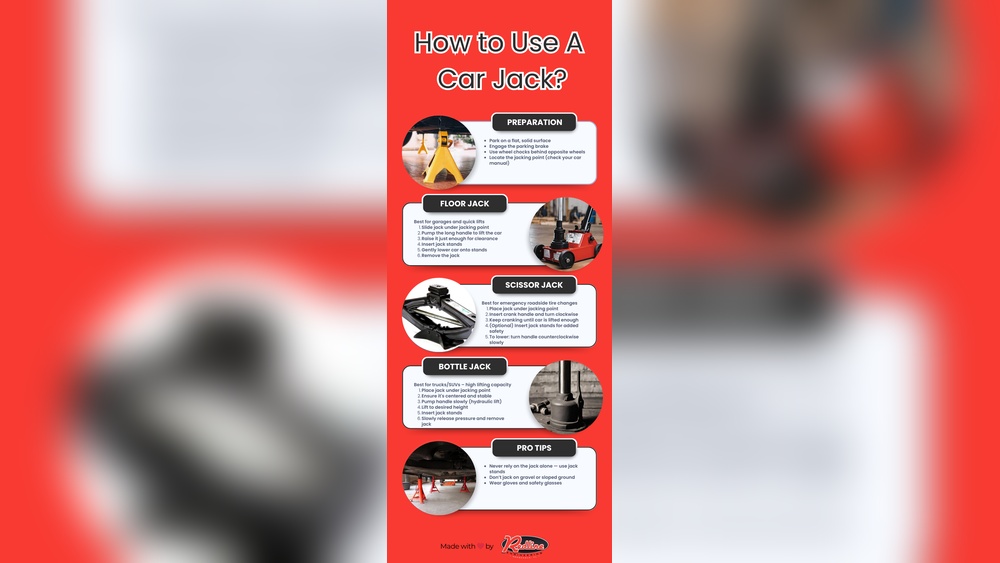
Floor jacks come in different types. The most common are hydraulic, scissor, and bottle jacks. Hydraulic jacks use fluid pressure to lift heavy loads smoothly. Scissor jacks are smaller and manual, good for emergencies. Bottle jacks are compact and strong but less stable. Choose a type that fits your car and use.
Weight Capacity Considerations
Check the weight capacity before buying a jack. Your car’s weight must not exceed the jack’s limit. Most cars need jacks with at least 2 tons (4,000 pounds) capacity. For trucks or SUVs, choose jacks with higher capacity. Using a jack with too little capacity is unsafe and can cause accidents.
Material And Build Quality
Strong materials make jacks safer and last longer. Steel jacks are heavy but very durable. Aluminum jacks are lighter and easier to carry. Look for jacks with a solid base and smooth wheels. Good build quality means the jack will work well and last many years.

Credit: heavyliftdirect.com
Preparing Your Car And Workspace
Preparing your car and workspace is the first step to safely lift your car with a floor jack. This step helps avoid accidents and damage to your vehicle. Taking time to prepare ensures a smooth and secure lifting process.
Selecting A Flat, Stable Surface
Choose a flat area to park your car. Avoid slopes or uneven ground. A stable surface keeps the car steady while lifting. Concrete or asphalt surfaces work best. Soft or loose ground can cause the jack to slip. Double-check the area before starting.
Engaging Parking Brake And Chocking Wheels
Always set the parking brake before lifting. This stops the car from rolling. Place wheel chocks on the opposite wheels of the one you lift. This adds extra safety. Use blocks or wedges designed for this purpose. Never skip this step for your safety.
Locating Jack Points On Your Vehicle
Find the correct jack points on your car. These points are strong and meant for lifting. Check your owner’s manual for exact locations. Look under the car near the wheels. Avoid lifting from the bumper or body panels. Using wrong spots can damage your car or cause accidents.
Setting Up The Floor Jack
Setting up a floor jack properly is key to lifting your car safely. This step requires attention and care. A well-set jack prevents accidents and damage to your vehicle. Follow these simple steps to prepare your floor jack correctly.
Positioning The Jack Correctly
Place the jack on a flat, solid surface. Avoid soft ground or uneven areas. Locate the car’s designated lifting points. These spots are usually marked in the owner’s manual. Position the jack directly under one of these points. This ensures the car lifts evenly and safely.
Adjusting The Jack Saddle
The jack saddle is the part that touches your car. Adjust it so it fits the lifting point snugly. Many saddles have grooves or pads for better grip. Make sure the saddle is clean and free of dirt. This helps keep the car stable during lifting.
Ensuring Proper Alignment
Check that the jack is straight under the lifting point. The jack handle should be easy to operate without twisting. Align the saddle so it contacts the car’s frame evenly. Proper alignment stops the car from slipping off the jack.
Credit: www.youtube.com
Lifting The Car Safely
Lifting a car safely is very important. It keeps you and your vehicle protected. Using a floor jack correctly helps avoid accidents and damage. Follow simple steps to lift your car steadily and securely.
Operating The Jack Handle
Attach the handle to the jack firmly. Move the handle up and down smoothly. This action pumps the jack and raises the lifting arm. Avoid quick or jerky movements to keep control. Always keep your hands clear from pinch points.
Raising The Vehicle Gradually
Lift the car slowly and watch the rise closely. Stop often to check the jack’s position. Small, steady lifts reduce risk of slipping. Never rush the process. This careful approach helps keep the car balanced.
Monitoring Stability While Lifting
Look under the car to see the jack’s contact point. Make sure the jack sits on a flat, solid surface. Check if the car moves or wobbles slightly. Stop lifting if the vehicle shifts. Use wheel chocks to secure the car’s wheels before lifting.
Securing The Vehicle After Lifting
Securing the vehicle after lifting is the most important step for safety. A floor jack raises the car, but it does not hold it safely for long. Always use extra support to keep the vehicle steady. This prevents accidents and keeps you safe while working under the car. Never rely on the jack alone to hold the vehicle up.
Using Jack Stands For Support
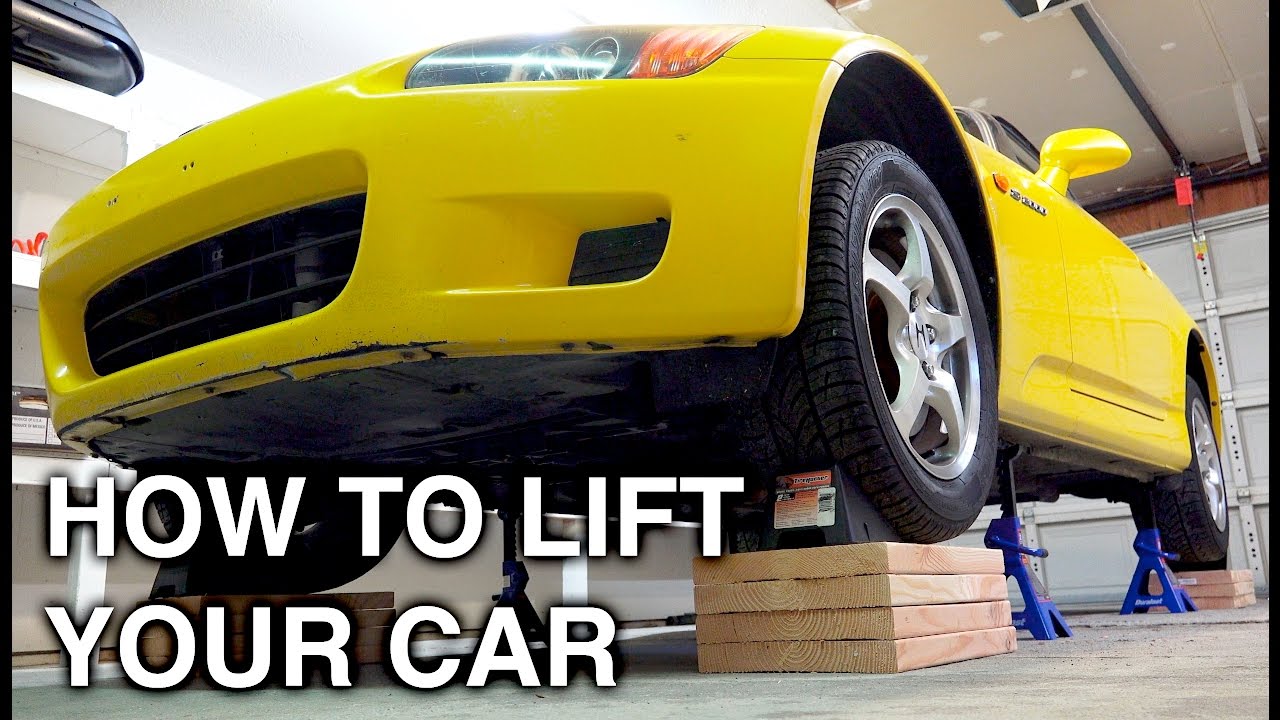
Place jack stands under strong points of the vehicle. These points are usually near the wheels or frame. Slowly lower the car onto the stands, so they carry the weight. Make sure the stands are locked in place. Use stands rated for the weight of your car.
Double-checking Stability
After setting the jack stands, gently shake the vehicle. It should not move or wobble. Check that the stands sit firmly on the ground. Ensure the car rests securely on the stands, not the jack. Stability is key to safe repairs or inspections.
Avoiding Unsafe Practices
Never work under a car held only by a floor jack. Avoid using makeshift supports like bricks or wood blocks. Do not lift the car on uneven or soft ground. These can cause the vehicle to slip or fall. Always use proper tools and follow safety rules.
Lowering The Car Properly
Lowering your car properly is important for safety and to avoid damage. Take your time and follow each step carefully. This ensures the car comes down smoothly and stays stable on the ground. Always focus on safety before anything else.
Removing Jack Stands Safely
Before lowering the car, remove the jack stands carefully. Make sure the floor jack supports the car fully. Check that the car is steady on the jack. Slowly lift the car just enough to take the weight off the stands. Then, slide the stands away and keep them clear of the car.
Lowering The Jack Slowly
Turn the jack handle slowly to lower the car. Do this in small steps to keep control. Avoid sudden movements that can make the car drop quickly. Watch the car’s movement and stop if it feels unstable. Lower the car until the tires touch the ground.
Final Safety Checks
Once the car is down, remove the jack completely. Check that the car is resting firmly on all tires. Make sure there is no wobbling or uneven contact. Keep tools away from under the car. Now, you are ready to remove the jack and walk away safely.
Common Mistakes To Avoid
Lifting a car with a floor jack seems simple but many people make avoidable mistakes. These errors can cause damage or serious injury. Knowing what to avoid helps keep the job safe and smooth.
Here are some common mistakes to watch out for when using a floor jack on your vehicle.
Ignoring Vehicle Weight Limits
Every floor jack has a weight limit. Exceeding it can cause the jack to fail. Check your car’s weight and match it with the jack’s capacity. Never use a jack that is too weak for your vehicle.
Improper Jack Placement
Where you place the jack matters a lot. Wrong placement can damage your car or make it fall. Use the vehicle’s recommended lift points. These spots are strong enough to hold the car safely.
Skipping Safety Precautions
Safety should never be ignored. Always use wheel chocks to stop the car from rolling. Never work under a car supported only by a jack. Use jack stands to secure the vehicle before going underneath.

Credit: www.youtube.com
Maintenance Tips For Floor Jacks
Proper care of your floor jack keeps it working safely and smoothly. Regular maintenance helps avoid breakdowns and extends the life of the tool. Follow these simple steps to maintain your floor jack effectively.
Regular Inspection And Cleaning
Check your floor jack for damage before each use. Look for cracks, rust, or worn parts that might cause failure. Clean dirt and grease off the jack with a dry cloth. Remove any debris blocking moving parts. Keeping the jack clean prevents malfunctions and keeps it safe.
Lubricating Moving Parts
Apply oil or grease to the jack’s moving parts regularly. Focus on the wheels, hinges, and pump mechanism. Lubrication reduces friction and wear, making the jack work smoothly. Use light machine oil and wipe off excess to avoid dirt buildup.
Storing The Jack Safely
Store the floor jack in a dry place to prevent rust. Keep it on a flat surface to avoid tipping over. Lower the jack fully before storage to relieve pressure on parts. Cover the jack with a cloth or plastic to protect it from dust.
Frequently Asked Questions
How Do I Position A Floor Jack Safely Under My Car?
Place the floor jack under the car’s designated lifting points. These points are usually near the frame or pinch welds. Check your car manual to locate them. Positioning correctly prevents damage and ensures a stable lift.
What Steps Should I Follow To Lift My Car With A Floor Jack?
First, park on a flat surface and engage the parking brake. Place wheel chocks behind tires. Position the jack under the lifting point. Pump the handle steadily to raise the car slowly and safely.
Can I Lift Any Car Model With A Standard Floor Jack?
Most standard floor jacks work for regular cars and light trucks. However, heavy vehicles may need specialized jacks. Always check the jack’s weight capacity to ensure it matches your vehicle’s weight.
How High Can A Floor Jack Lift My Car?
Floor jacks typically lift cars between 6 to 15 inches. The exact height depends on the jack model. Avoid overextending the jack beyond its maximum lift height to maintain safety.
Conclusion
Using a floor jack makes lifting your car easier and safer. Always place the jack on a solid, flat surface. Position it under the correct lifting point to avoid damage. Lift slowly and watch the car rise steadily. Never go under the car without proper support stands.
Practice these steps to feel confident and safe. Taking your time helps prevent accidents. Now, you know how to lift your car with a floor jack. Simple and effective. Ready to give it a try?