Have you ever struggled with a sticky hook stuck stubbornly to your wall? You’re not alone.
Removing it without damaging your paint or wallpaper can feel like a tricky task. But don’t worry—this guide will show you simple, effective ways to get that sticky hook off cleanly and easily. Keep reading, and you’ll discover tips that save your wall and your patience.
Causes Of Sticky Hooks Sticking
Sticky hooks are popular for hanging items without nails or screws. Yet, removing them from walls can be tricky. Knowing why sticky hooks stick so firmly helps in removing them safely. Several factors affect how well these hooks attach and how hard they are to take off.
Types Of Adhesives Used
Sticky hooks use different adhesives to hold on tight. Some use strong glue like acrylic or rubber-based adhesive. These types create a firm bond with the wall surface. Others use gel or foam adhesives that are softer and easier to remove. The stronger the adhesive, the harder it can be to peel off the hook without damage.
Surface Compatibility Issues
Wall surface type affects how sticky hooks attach. Smooth surfaces like glass or tiles work best for sticky hooks. Rough or porous surfaces, such as brick or textured paint, reduce the adhesive’s grip. Walls with dust, dirt, or moisture also cause weak bonds or uneven sticking. Poor surface compatibility leads to hooks sticking too tightly or falling off prematurely.
Tools Needed For Removal
Removing a sticky hook from a wall needs the right tools. Using proper items helps avoid wall damage and makes the job easier. Some tools are common in most homes. Others are designed specifically for removal tasks. Knowing what to use saves time and effort.
Common Household Items
Many sticky hooks come off with simple tools found at home. A hairdryer helps soften the adhesive. A plastic card, like a credit card, lifts the hook gently. Warm soapy water can loosen sticky residue. Cotton balls with rubbing alcohol help clean leftover glue. These items are easy to use and often enough for small jobs.
Specialized Removal Tools
Some hooks need special tools for safe removal. A putty knife or scraper carefully lifts the edges. Adhesive remover sprays dissolve glue without harming paint. A plastic razor blade works on tough glue spots. These tools protect your wall and remove hooks cleanly. They are useful for bigger or older sticky hooks.
Preparing The Wall
Preparing the wall before removing a sticky hook is important. It helps prevent damage and makes the removal easier. Taking time to prepare ensures the wall stays clean and safe.
Cleaning The Area
Start by cleaning the area around the sticky hook. Use a soft cloth to wipe dust and dirt. Dirt can make the adhesive stick tighter. Clean walls help tools work better and reduce damage risk.
Protecting Surrounding Surfaces
Cover surfaces near the hook with painter’s tape or plastic sheets. This stops scratches or paint peeling while removing the hook. Protecting the wall edges and nearby furniture keeps everything safe. It also makes the process less messy and stressful.
Step-by-step Removal Process
Removing a sticky hook from a wall requires care to avoid damage. The process involves gentle steps that help loosen the adhesive safely. Follow these steps to remove the hook without leaving marks or peeling paint.
Gentle Peeling Techniques
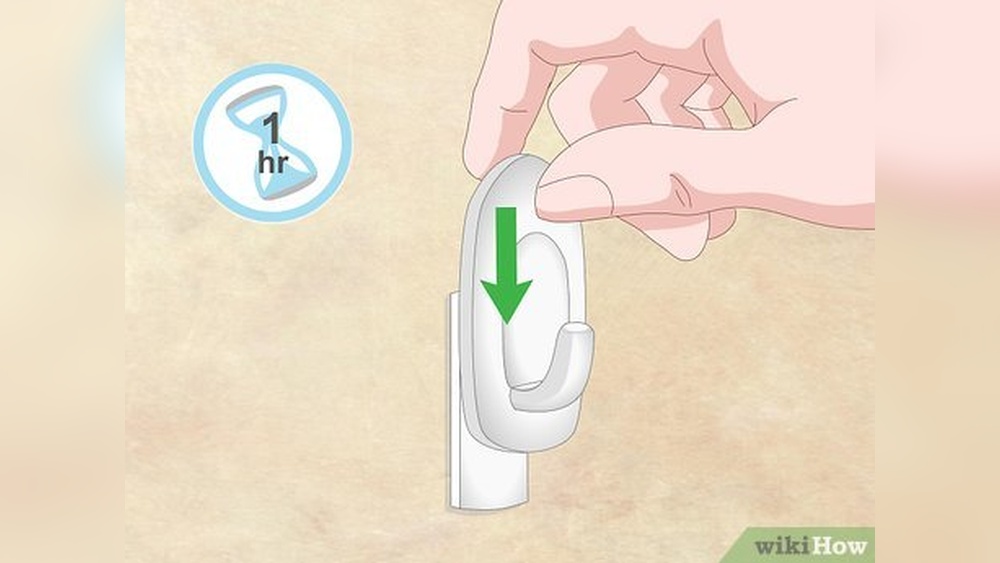
Start by holding the hook’s base firmly. Slowly peel the hook away from the wall at a low angle. Pulling too fast can damage the paint or wall surface. Use your fingers to support the wall near the hook. This reduces stress on the paint and prevents tearing. Keep peeling until the hook is free from the wall.
Using Heat To Loosen Adhesive
Apply heat to soften the sticky glue. Use a hairdryer on low heat and hold it close to the hook. Move the dryer around for about 30 seconds to warm the adhesive evenly. Heat makes the glue less sticky and easier to remove. After heating, try peeling the hook gently again. Repeat heating if needed until the hook comes off easily.
Applying Solvents Safely
If adhesive residue remains, apply a small amount of solvent. Use rubbing alcohol or adhesive remover on a soft cloth. Test the solvent on a hidden area first to check for paint damage. Dab the solvent on the sticky spots gently. Let it sit for a minute to break down the glue. Wipe the area clean with a dry cloth. Avoid soaking the wall to prevent damage.
Dealing With Residue
Removing a sticky hook from a wall often leaves behind sticky residue. This residue can be annoying and hard to clean. It may attract dust and dirt, making the wall look messy. Properly dealing with this residue keeps your wall clean and smooth. The right cleaning method depends on the type of residue and your wall surface.
Removing Sticky Residue
Start by gently scraping off large pieces with a plastic card or your fingernail. Avoid metal tools to protect the wall. Next, apply a small amount of cleaner on a soft cloth. Rub the sticky area in a circular motion. This helps dissolve the glue without damaging the paint or wallpaper. Wipe the area with a damp cloth to remove leftover cleaner and residue.
Natural Vs Chemical Cleaners
Natural cleaners like vinegar or baking soda are gentle and safe for most walls. Mix vinegar with water or make a paste with baking soda and water. These options work well for light residue. Chemical cleaners, like adhesive removers, are stronger. Use them carefully on painted or delicate surfaces. Test on a small hidden spot first. Always follow the product instructions for best results and safety.

Credit: www.youtube.com
Preventing Wall Damage
Removing a sticky hook from a wall can be tricky. Careless removal may cause damage. Preventing wall damage keeps your walls clean and smooth. It saves time and money on repairs. Follow simple steps to protect your paint and surface.
Avoiding Paint Peeling
Peeling paint is a common problem when removing sticky hooks. Pulling too hard can strip the paint off. Gently heat the area with a hairdryer. Warmth softens the adhesive and makes removal easier. Slowly peel the hook off at a low angle. Use dental floss or fishing line to slide behind the hook. This reduces stress on the paint. Stop if you feel resistance and try heating again.
Minimizing Surface Marks
Sticky hooks can leave marks or residue. Clean the area with a soft cloth and mild soap. Avoid harsh scrubbing to protect the paint. Use rubbing alcohol or adhesive remover for stubborn residue. Test these on a small spot first. Dab gently and wipe clean. Avoid sharp tools to prevent scratches. Patience keeps the wall looking fresh and damage-free.
Alternative Hook Options
Removing sticky hooks from walls can be tricky. Sometimes, the adhesive leaves marks or peels the paint. Choosing the right hook type avoids damage and keeps walls clean. Many alternative options offer strong hold without leaving a trace.
Damage-free Hooks
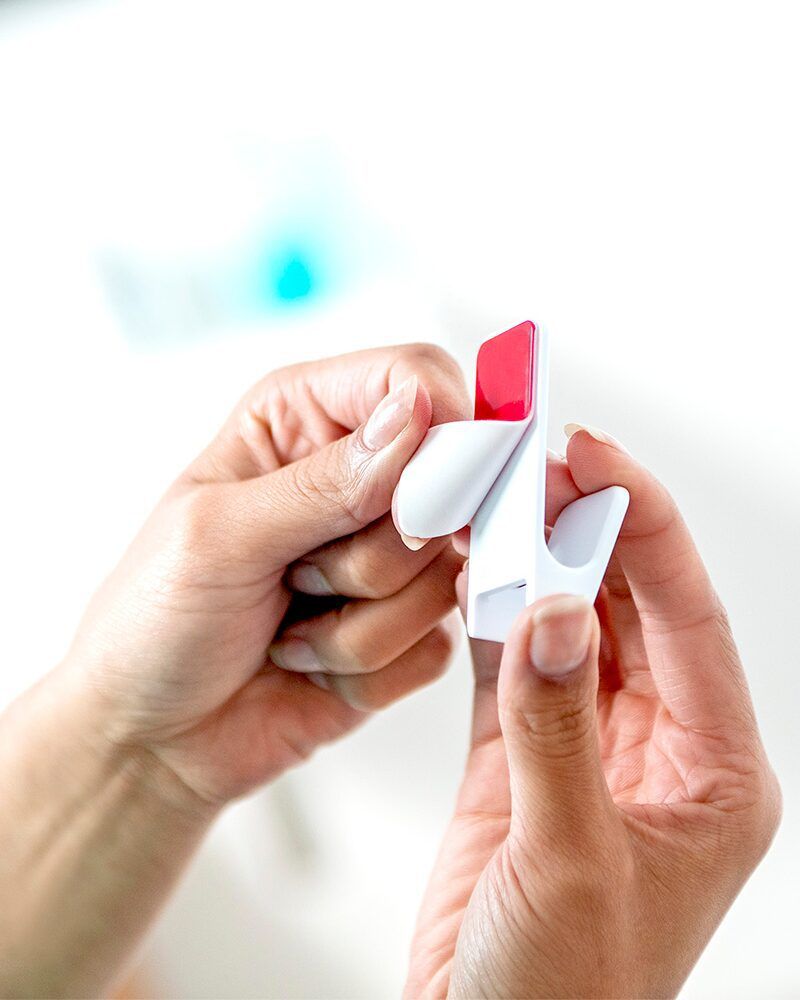
Damage-free hooks use special adhesives that peel off easily. They hold well on painted walls, tiles, and wood. These hooks come in various sizes and shapes. Perfect for hanging pictures, keys, or light decorations. They do not require nails or drilling holes. Removing them does not harm the wall surface.
Reusable Adhesive Solutions
Reusable adhesive hooks stick firmly but can be taken off and used again. They work well on smooth surfaces like glass and metal. These hooks save money by lasting longer than one-time use hooks. They keep walls safe from sticky residue or paint damage. Ideal for renters or temporary setups around the home.
Credit: www.velcro.com

Credit: www.youtube.com
Frequently Asked Questions
How Do I Safely Remove A Sticky Hook From The Wall?
To safely remove a sticky hook, gently peel it off at a 45-degree angle. Use heat, like a hairdryer, to soften the adhesive. Avoid harsh pulling to prevent wall damage. Clean any leftover residue with rubbing alcohol or adhesive remover.
What Tools Help Remove Sticky Hooks Without Wall Damage?
Use a hairdryer to warm the adhesive and a plastic scraper to lift the hook gently. Adhesive removers or rubbing alcohol help clean residue. Avoid metal tools that may scratch or damage the wall surface during removal.
Can Sticky Hooks Damage Paint Or Wallpaper?
Yes, sticky hooks can damage paint or wallpaper if removed incorrectly. Use heat to soften adhesive and peel slowly. Always test on a small area first. Proper removal reduces risk of peeling or tearing the surface.
How To Remove Sticky Hook Residue From Walls?
Apply rubbing alcohol or adhesive remover to a cloth. Gently rub the sticky residue until it dissolves. Avoid scrubbing hard to prevent wall damage. Clean the area with mild soap and water afterward for best results.
Conclusion
Removing a sticky hook from the wall does not have to be hard. Use gentle heat or oil to loosen the glue. Pull the hook slowly to avoid damage. Clean the wall with soap and water afterward. Small marks can be fixed with paint or a marker.
Take your time and be patient. You can keep your walls neat and smooth. Simple steps make the task easy and stress-free. Try these tips next time you remove a sticky hook.